February 1-2, 2025
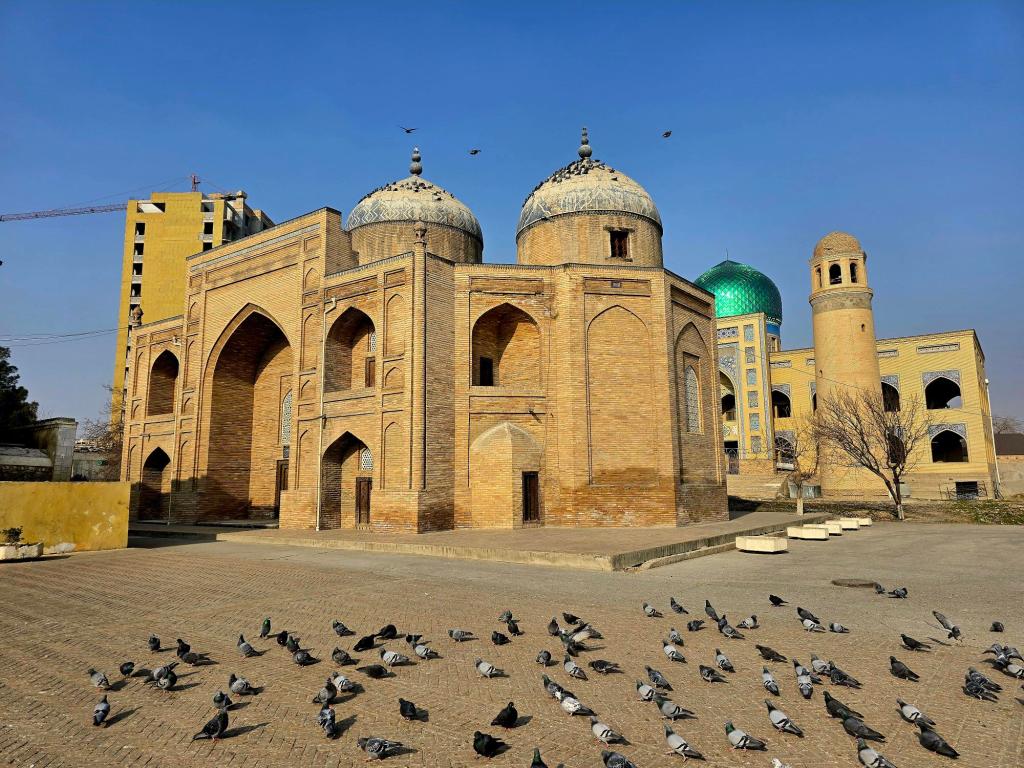
Last year, my buddy Nick and I pointed the truck north out of Dushanbe and spent a couple of days in Khujand, about a 4½–5 hour drive into the northwest of the country. It didn’t take long to realize the place had a different feel to it. Wider, a little rougher around the edges, and carrying that familiar mix of Soviet bones layered over something much older.
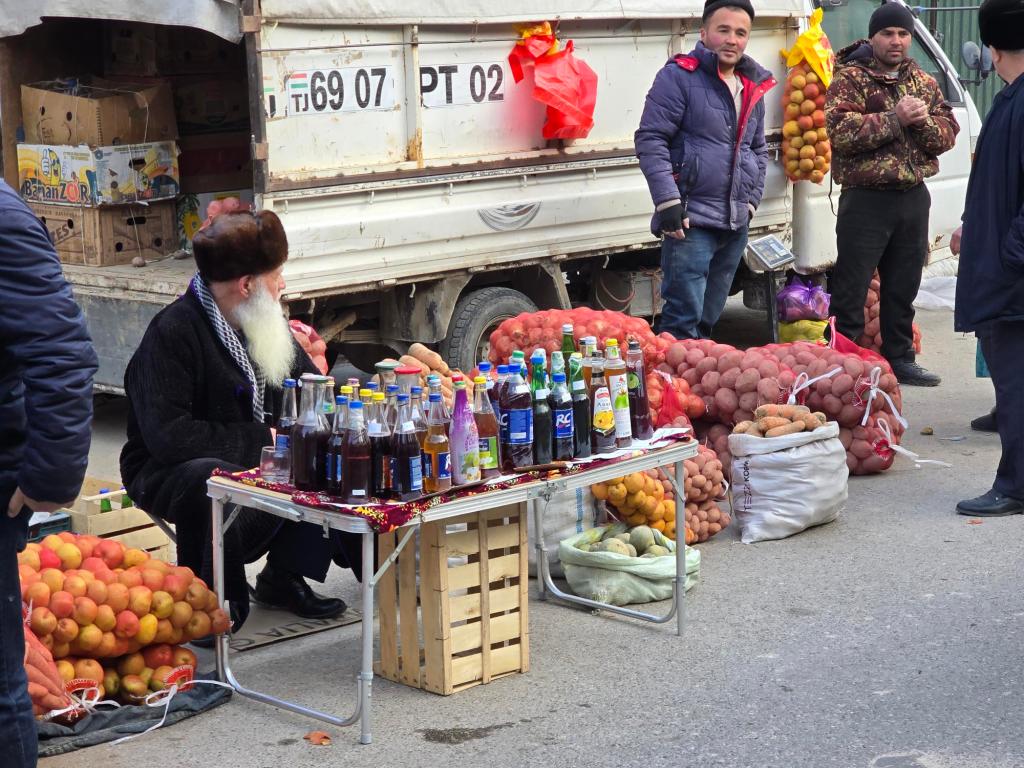
Our first morning, we woke up and stepped straight into a lively street market just outside the guesthouse. It stretched for several blocks, spilling through side streets with everything from fresh fruits and vegetables to home remedies and young saplings laid out on blankets. We drifted through it without much of a plan, eventually working our way down toward the river and the old fort before ducking into a nearby coffee shop to get the day officially underway.
Khujand has been holding its place along the Syr Darya for more than two thousand years. When Alexander the Greatpushed east, this is where he built one of his final outposts—Alexandria Eschate, the “farthest Alexandria.” Standing there now, it’s hard to imagine it as the edge of the known world, but that’s exactly what it was. A frontier city. A funnel point. A place where trade and movement never really stopped.
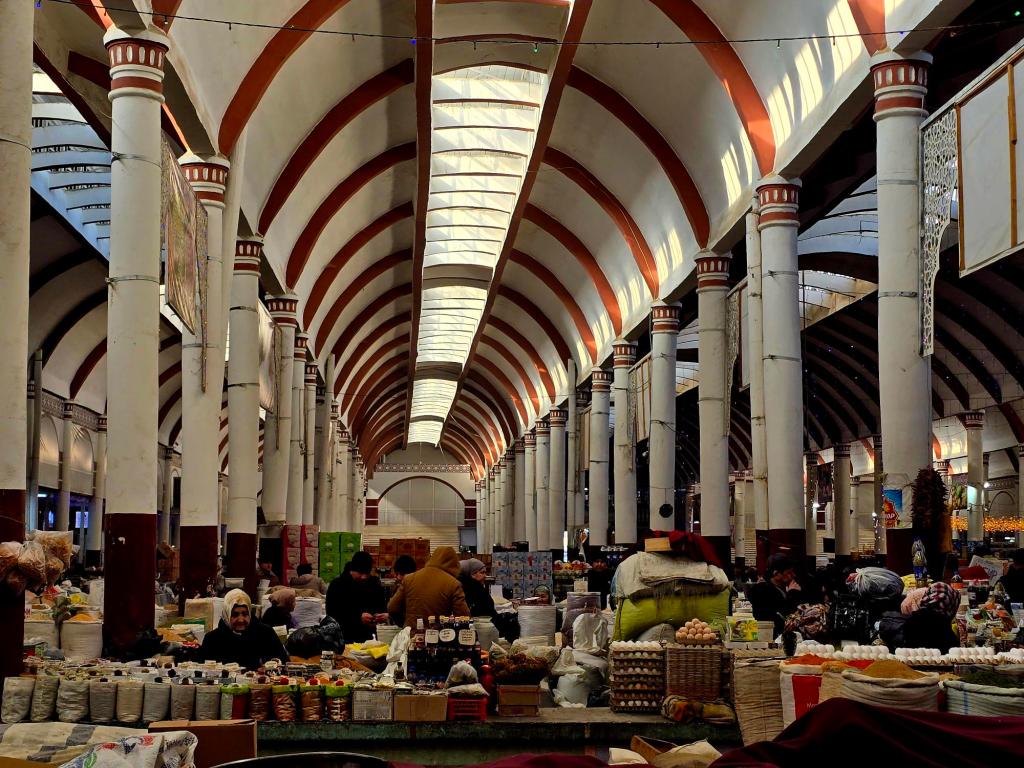
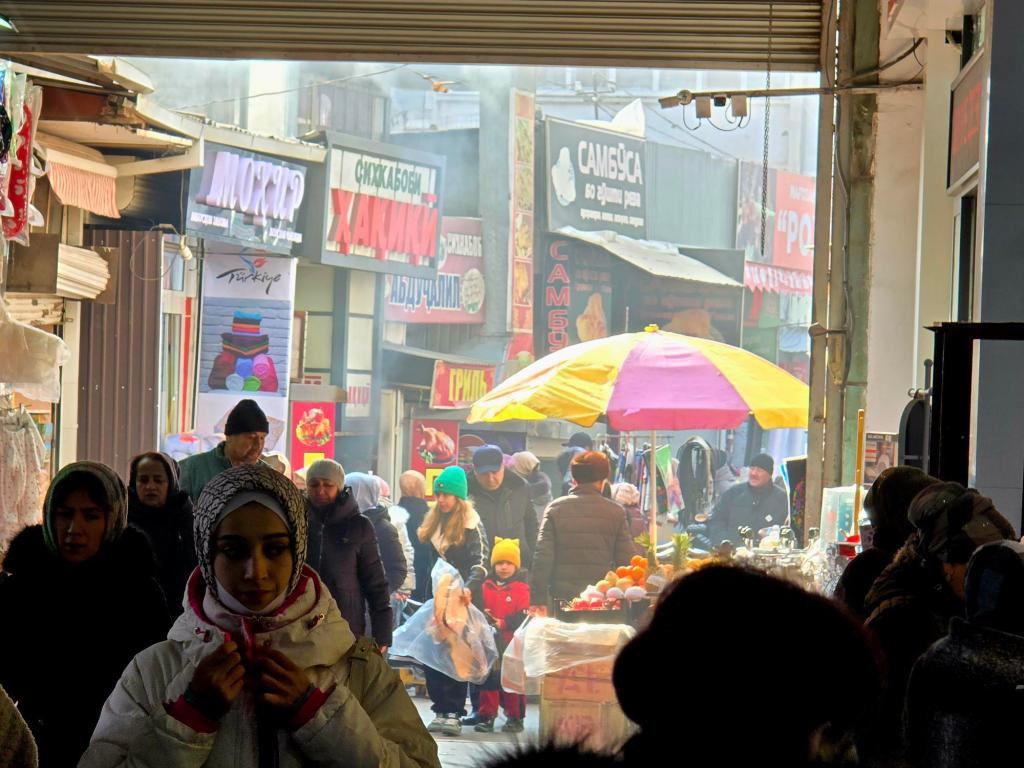
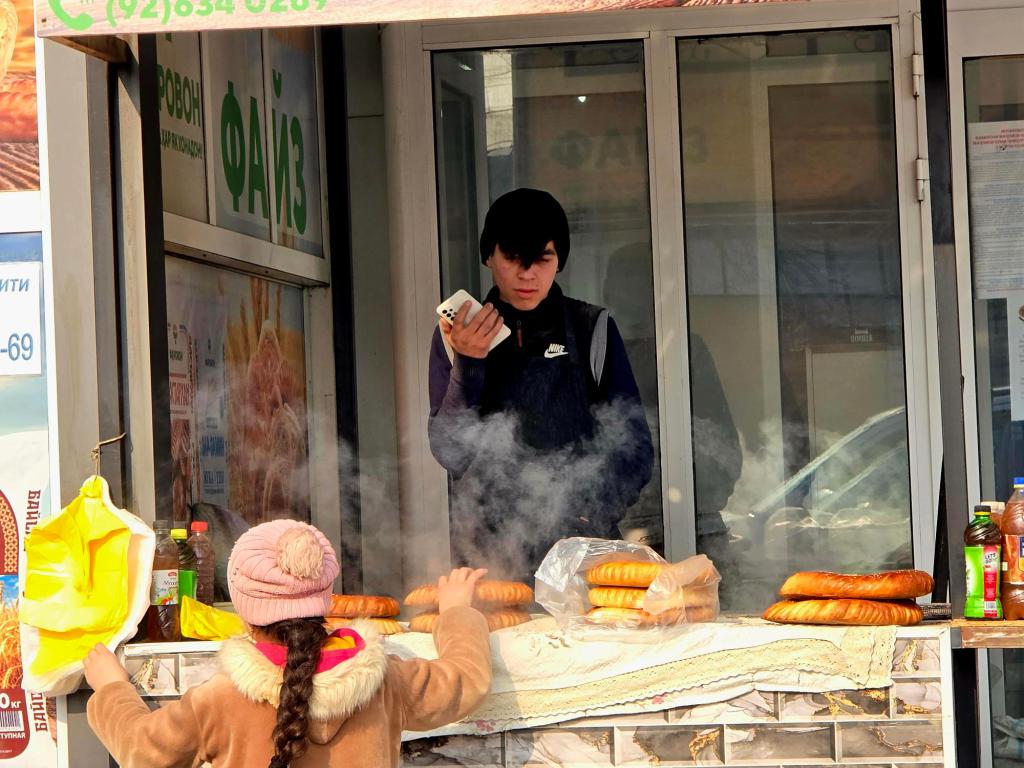
You still feel that most clearly at the Panjshanbe Bazaar. We made our way over mid-morning and stepped down into the open area out front just as the grills were hitting full stride. Smoke rolled across the square from long rows of шашлык already going, the smell catching you before you even saw the food. Inside, the place was alive. Vendors calling out, bread stacked high, spices laid out in bright rows. We found a small hole-in-the-wall spot serving plates by the gram, ducked in for some meat and a couple rounds of flatbread, and called it a win. The building itself is Soviet-era, but the trade happening inside it goes back centuries. That rhythm hasn’t changed much since caravans were passing through here loaded down with silk and ceramics.
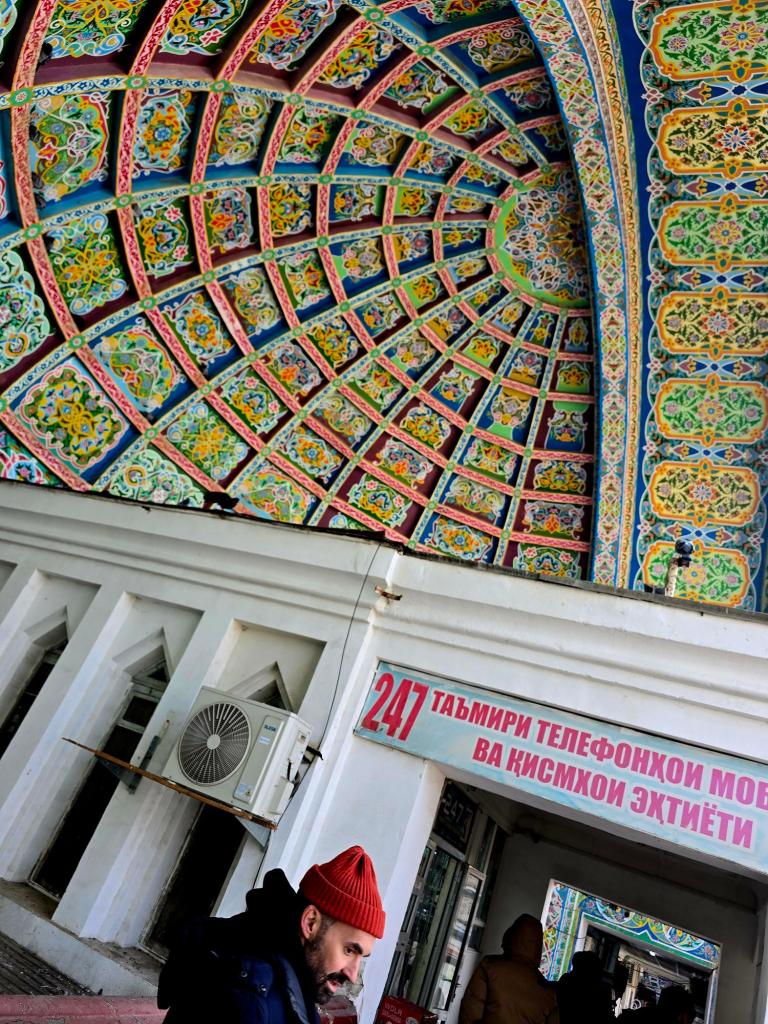
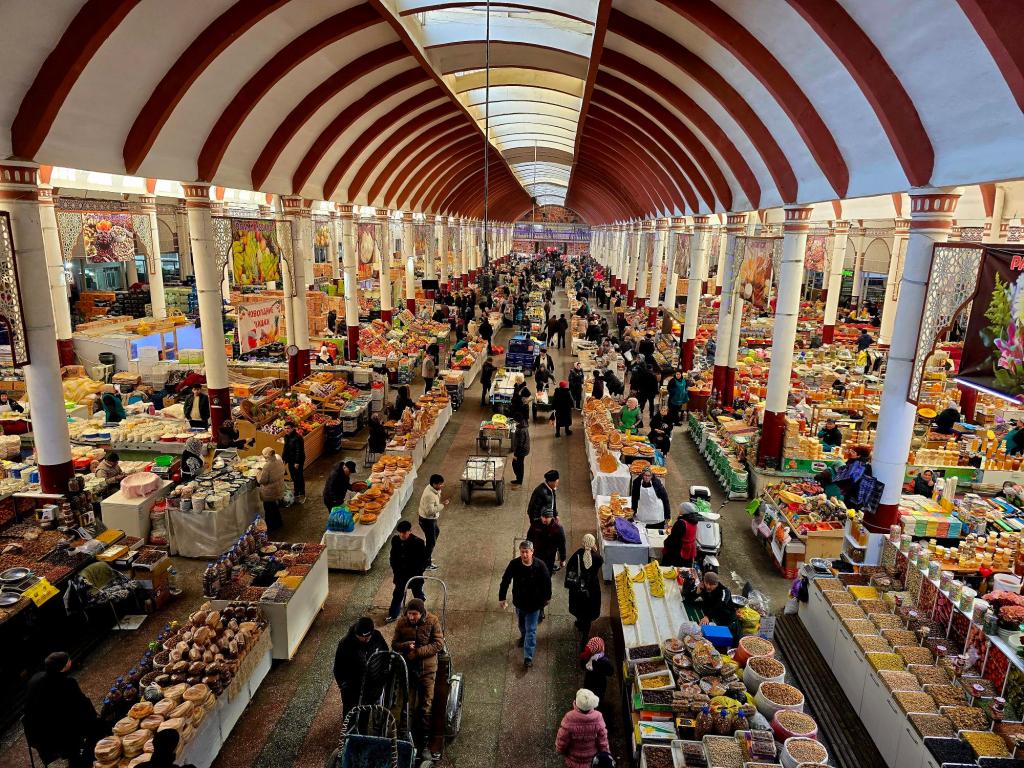
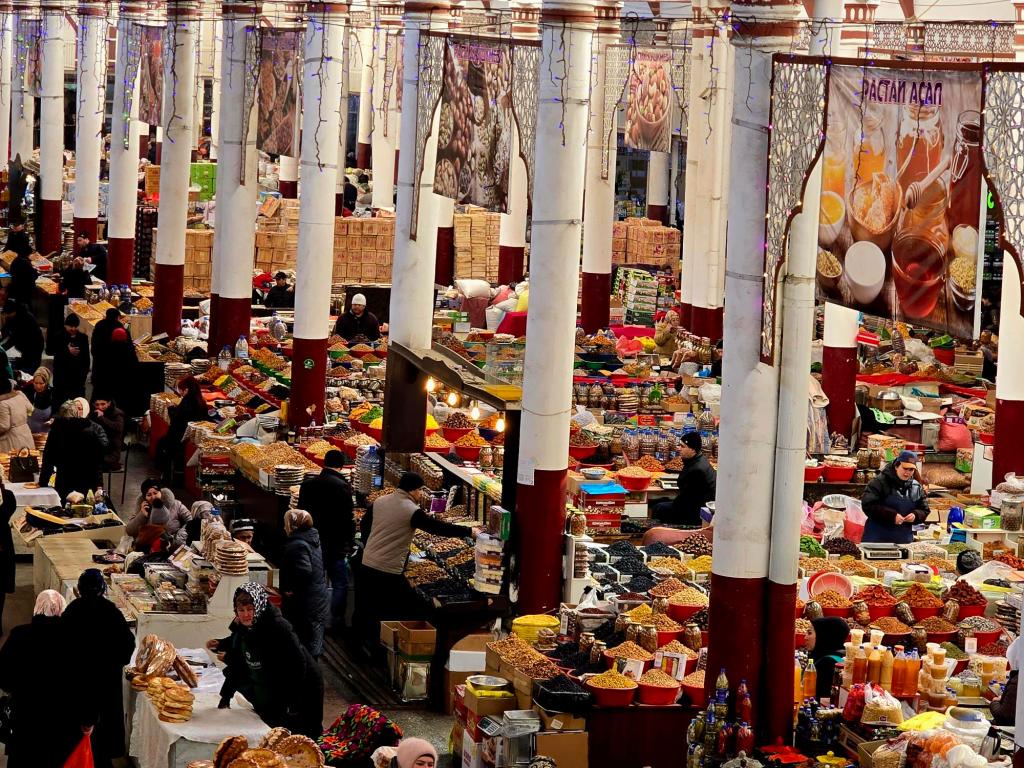
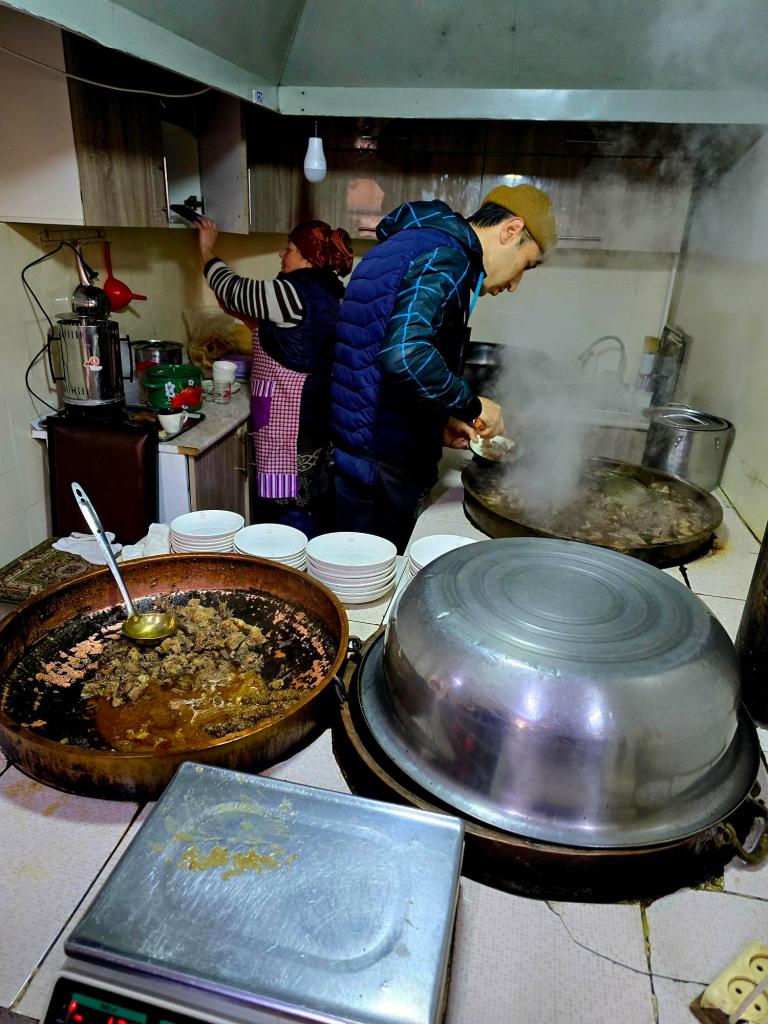
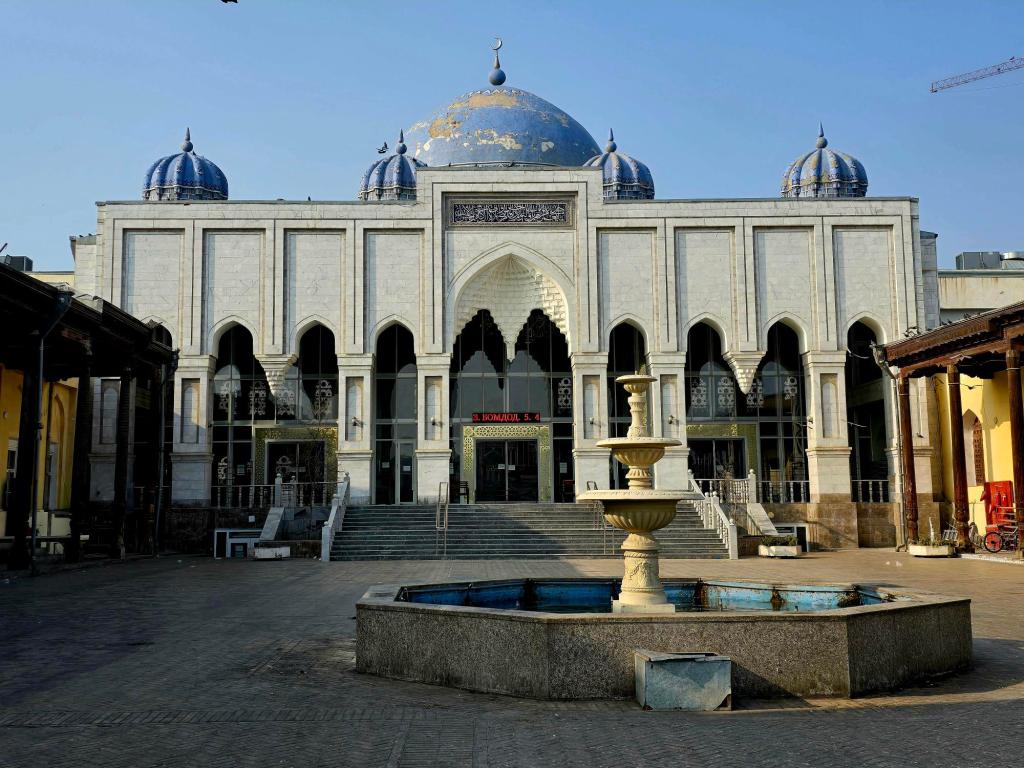
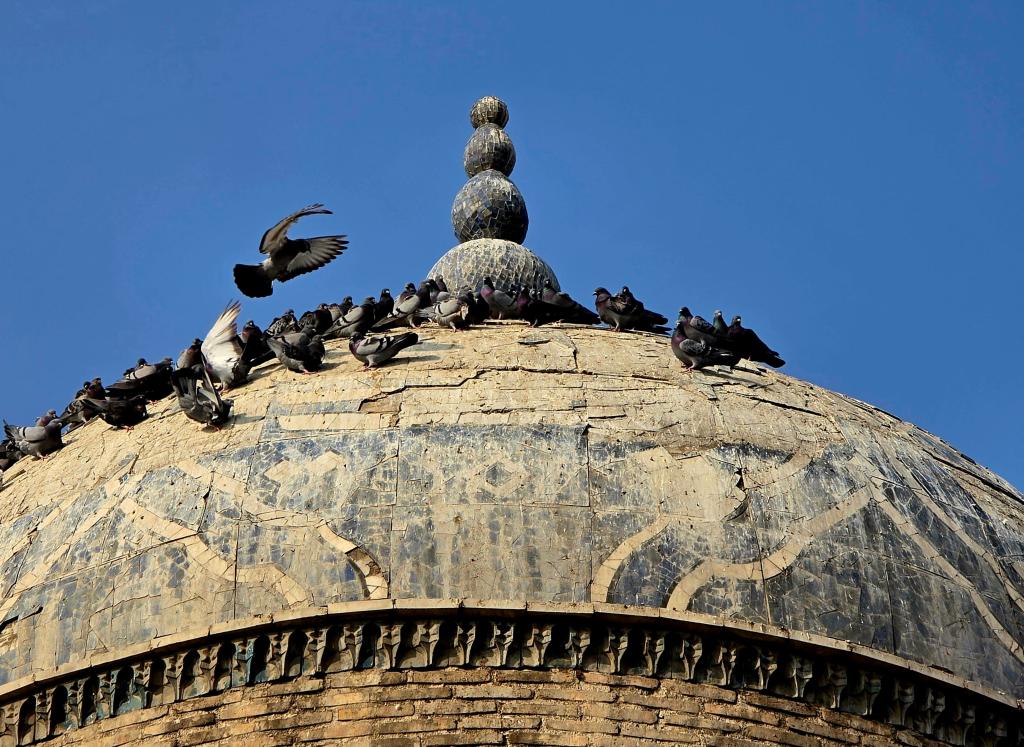
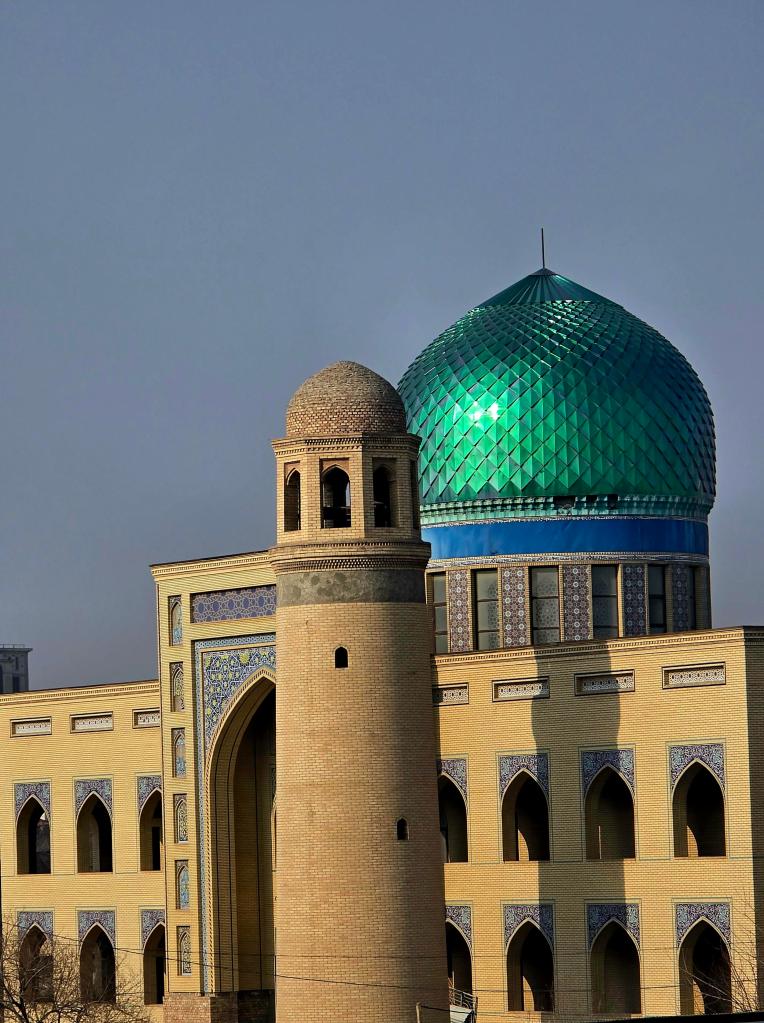
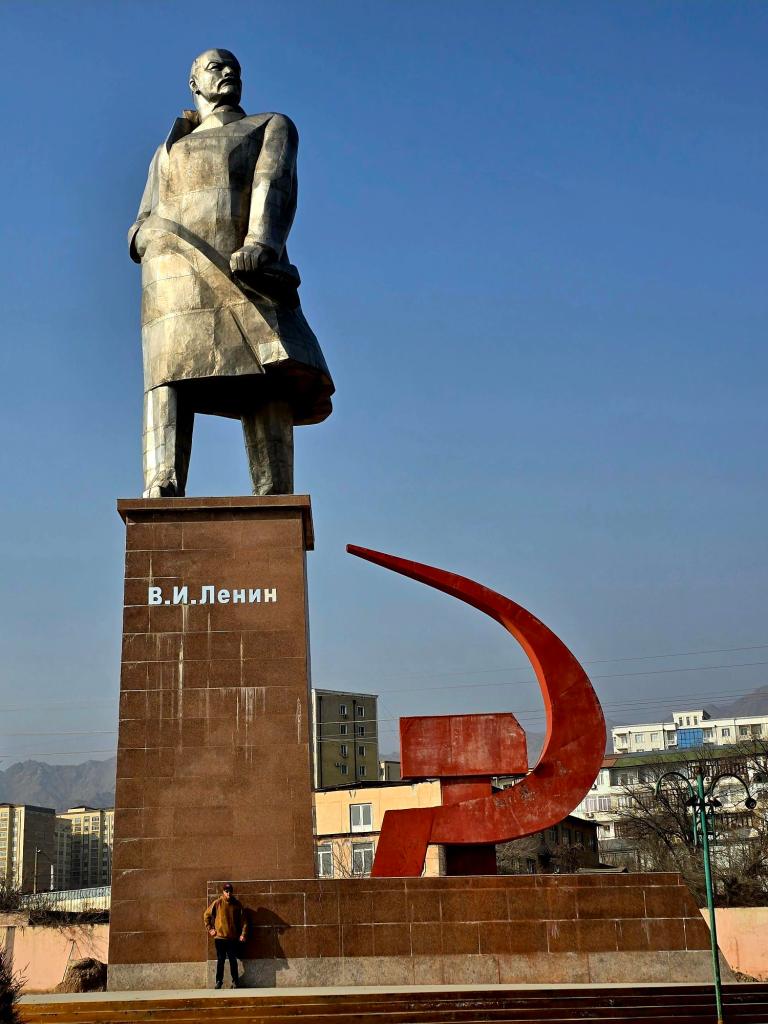
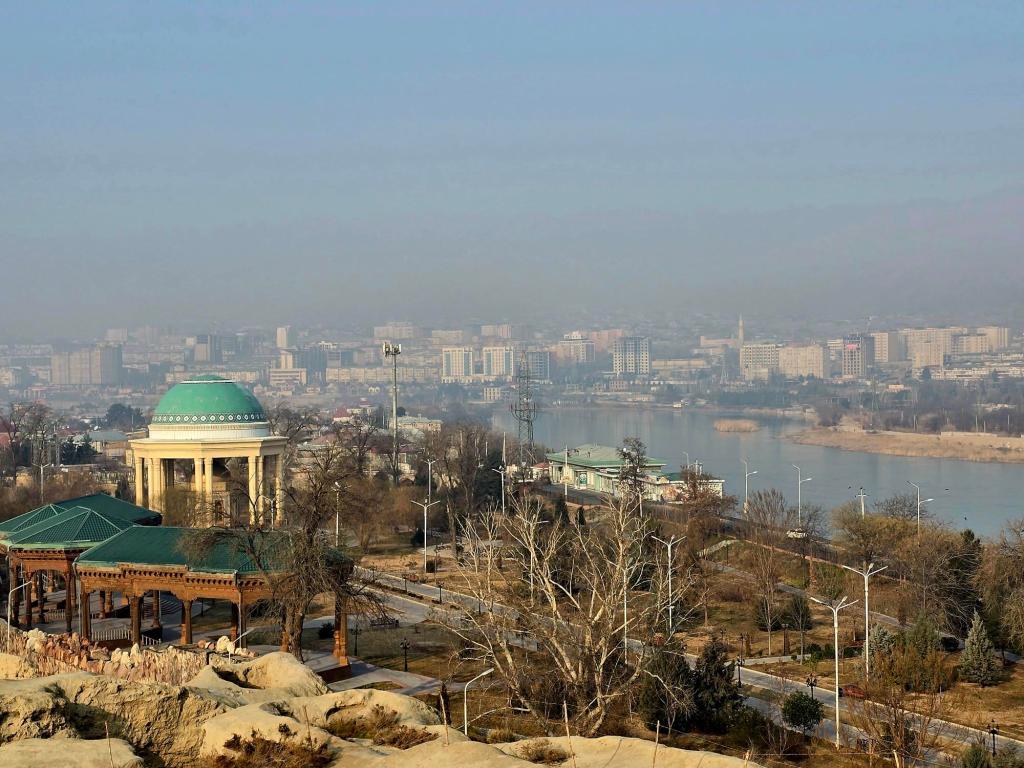
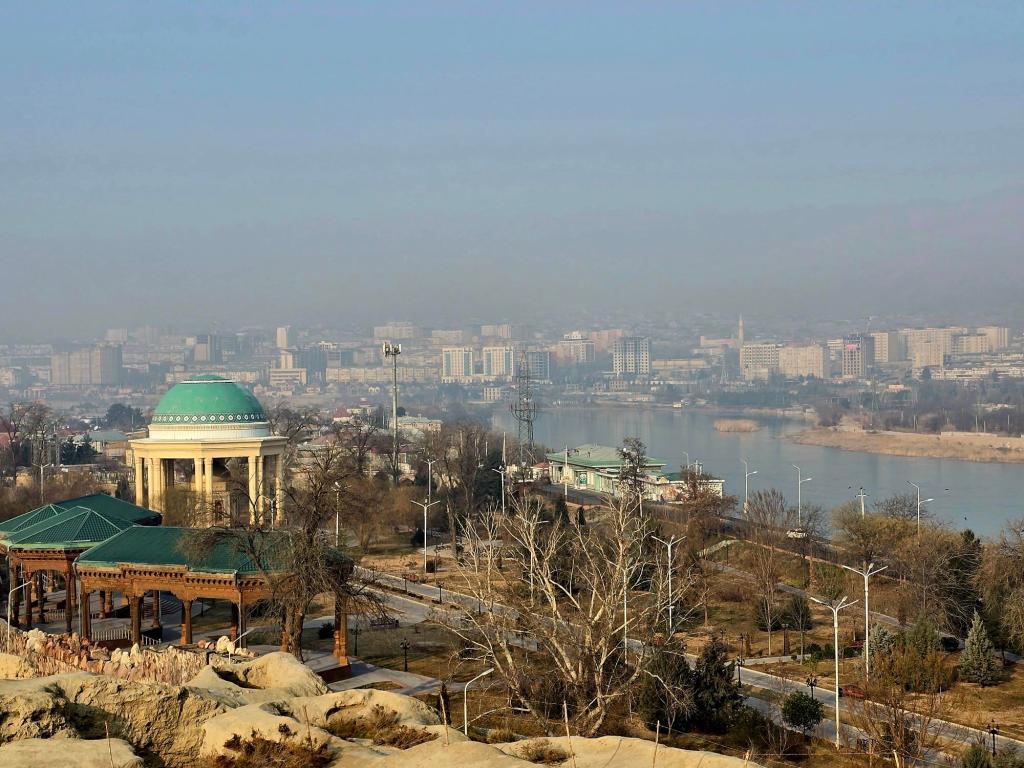
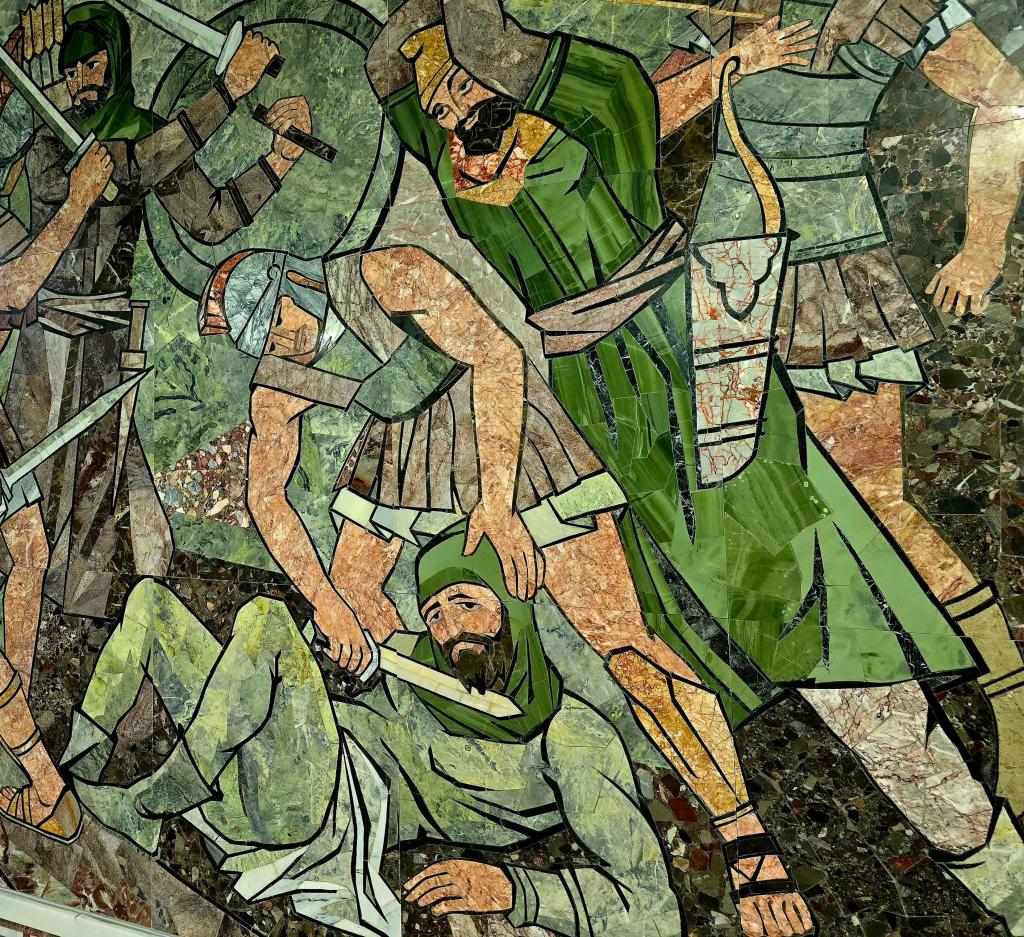
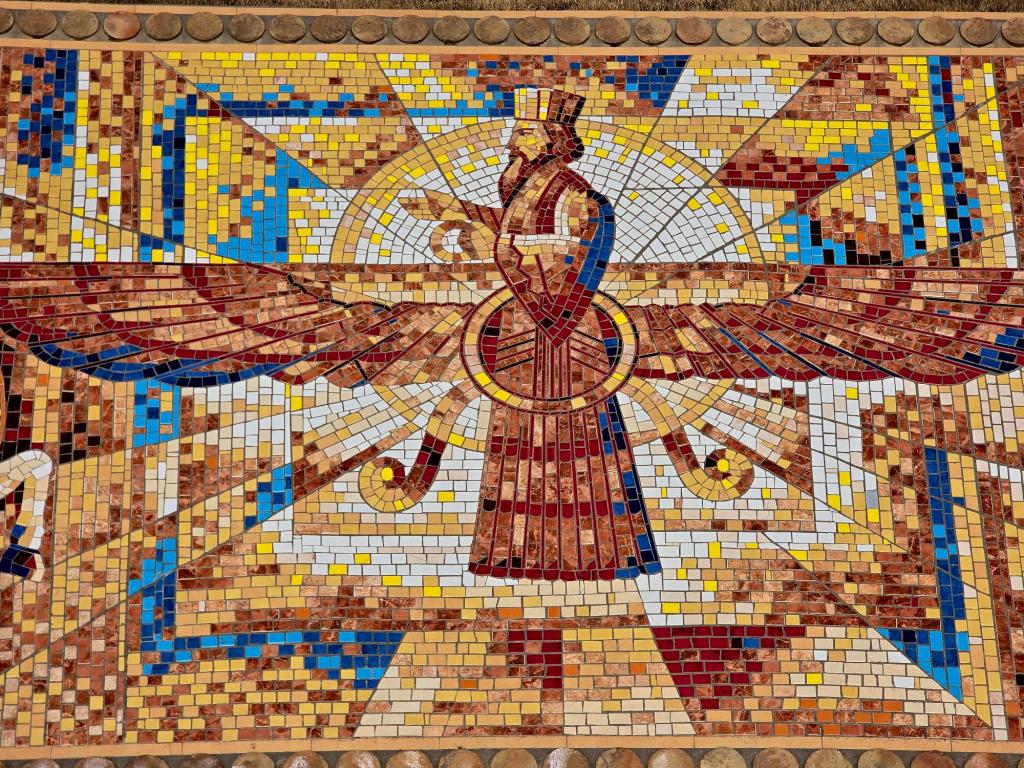
After wandering the bazaar for a while, we hit the streets again with a different kind of mission—tracking down the old Lenin statue that once stood in the center of town back when the city was still called Leninabad. We crossed the long bridge over the river and found ourselves in a park climbing up the side of a hill, long mosaic panels stretching upward and telling bits and pieces of the city’s story along the way.
A few blocks beyond that, we finally found him—Lenin Statue Khujand—tucked away in a run-down park along the river. I’ve always found the old Soviet monuments interesting, and I’m glad they moved this one instead of tearing it down. The whole place felt forgotten. An old city bus sat there on flat tires, half-sunk into the dirt. Other monuments stood scattered around, slowly being reclaimed by weeds and time. We snapped a few photos and moved on, but it stuck with me. Not erased—just shifted out of the spotlight.
That evening we wandered along the river, cutting through parks and back neighborhoods until we eventually looped back toward the fort and found a restaurant nearby. Solid steak dinners, no complaints, and a good way to close out the day.
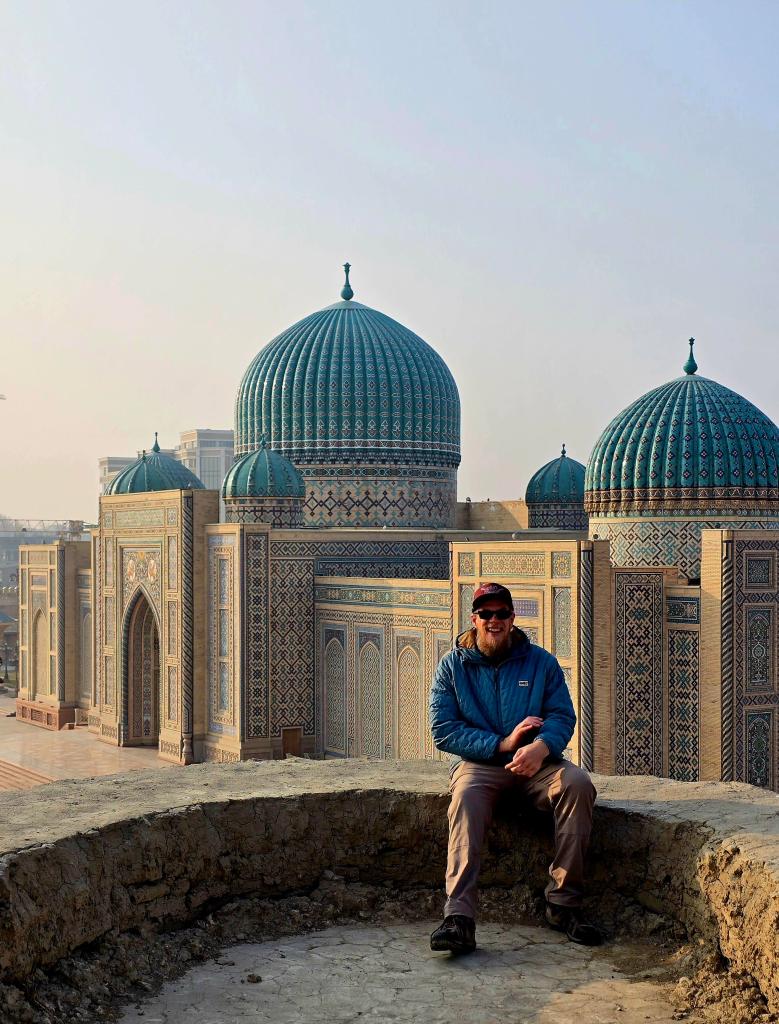
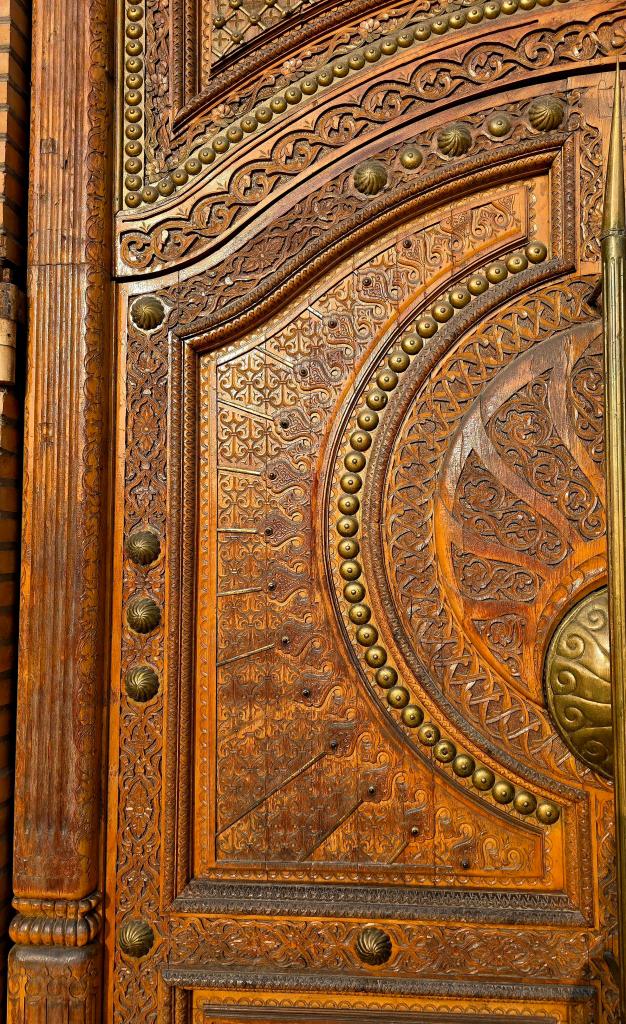
The next morning we went back to properly check out the Khujand Fortress. It’s a bit overpriced at 100 Somoni, but we figured we might as well. The grounds are spread out, and most of what you see inside is relatively new—rebuilt walls, reconstructed buildings, a version of history you can walk through. But up on the hill, there are sections where the older foundations still show through. Bits of pottery scattered around, fragments of something much earlier. It reminded me of walking through Afrosiyob years ago outside Samarkand, where Alexander the Great had once built another fortress. Same feeling. Layers of time sitting right on top of each other if you take a second to notice.
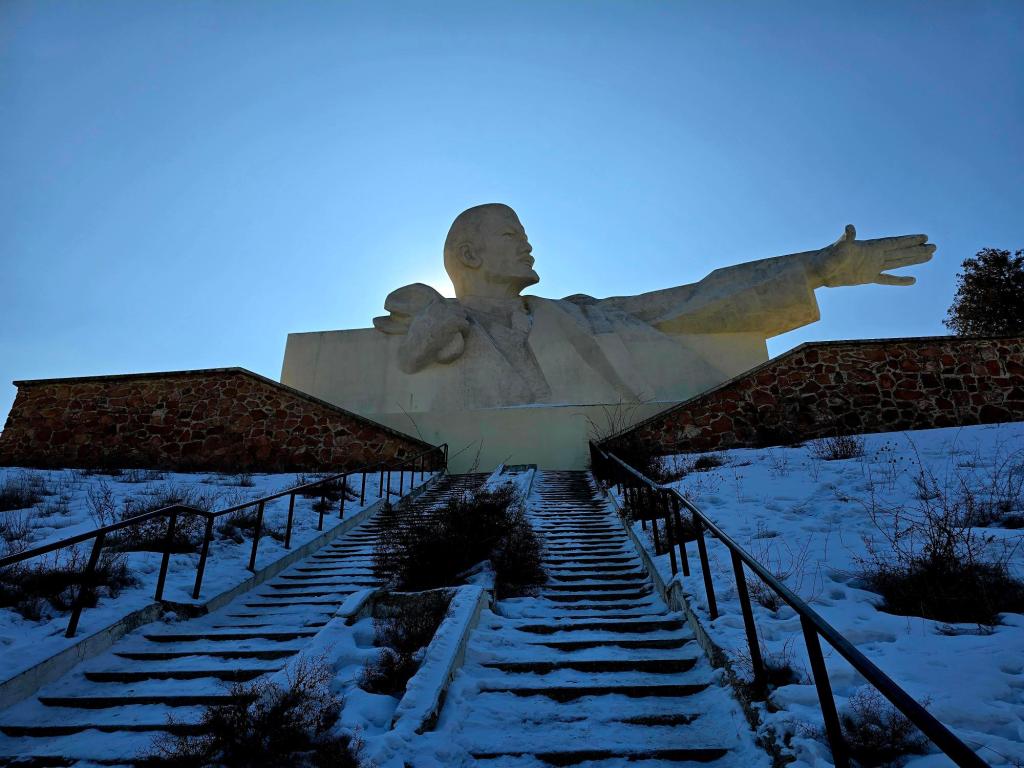
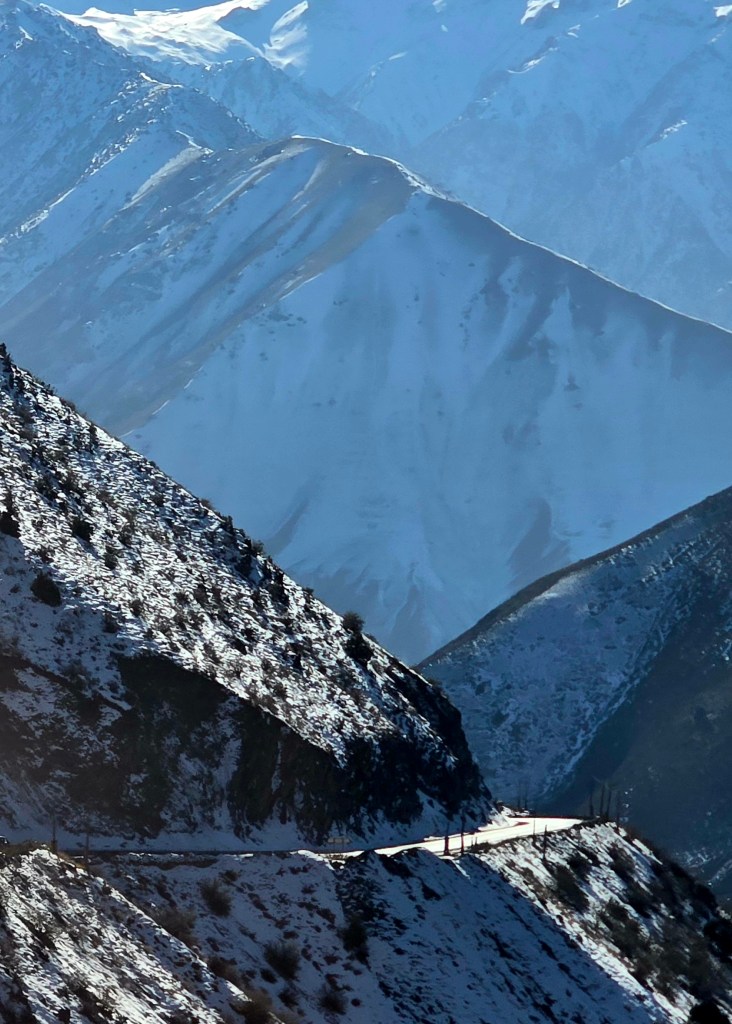
We left that afternoon and started the drive back toward Dushanbe, making one last stop along the way near Istaravshan at the massive Lenin Bust at Kattasoy Reservoir. This one is something else. A long staircase climbs straight up the hillside to a giant bust of Lenin set high above a reservoir, still pointing out toward the future, the water stretching out behind him. We climbed the steps, took it in for a minute, and then headed back down to the car to finish the drive through the mountains.
Khujand sits in that in-between space better than most places. It’s not polished like Samarkand, and it doesn’t try to be. It’s a working city. One that has carried trade, survived empires, and adapted without ever fully letting go of what came before. The Silk Road may not run caravans through here anymore, but if you slow down long enough, you can still feel it moving underneath everything.
 Wise Clan in Stanland
Leave a comment