🧭 Trail Stats
📏 Distance: 3.5 miles (5.6 km) round trip
⬆️ Elevation Gain/Loss: 1,550 ft (472 m) ascent + same descent
⏱ Time Out: 4 hrs 20 min (2 hrs 20 min moving)
🥾 Route Type: Village pull-off → steep singletrack climb → shaded stream picnic → return
🌿 Season: Late spring (early May)
📅 Date Hiked: May 3, 2025
⚖️ Difficulty: Moderate (short but steep; great for energetic kids)
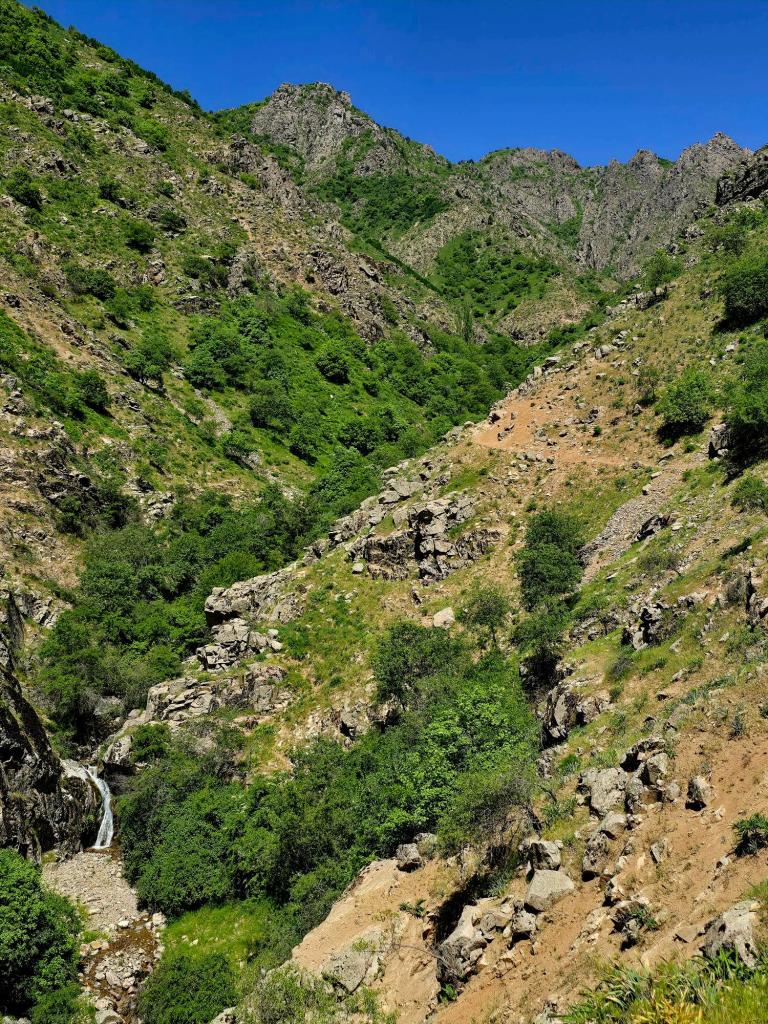
About an hour and fifteen minutes east of Dushanbe, the road winds into the folds of Romit Valley—a place that somehow always feels a little greener, a little wilder, a little more tucked away than the city it serves.
Last May, I loaded up our two youngest and joined a group of friends on a mission: find the legendary Crown Imperial lilies—Fritillaria imperialis, or more specifically the local Fritillaria eduardii variant—that bloom here for what feels like a blink of an eye each spring. Denis from Hike Tajikistan had hiked the same gorge the year before and described hillsides lit up with orange crowns and nodding yellow bells. That was enough motivation for us.
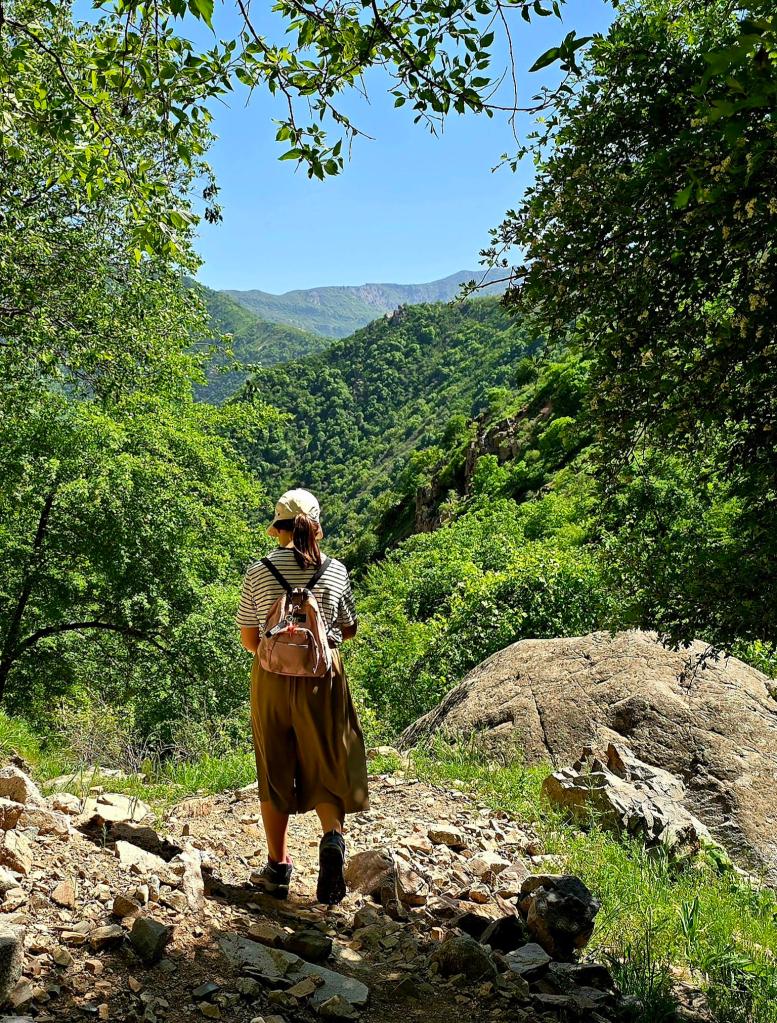
We pulled off the main road just above Kanty village, parked near a cluster of homes, and immediately stepped onto a singletrack that wasted absolutely no time. The trail shot straight up the gorge wall—no gentle warm-up, no easing into it. Just vertical.
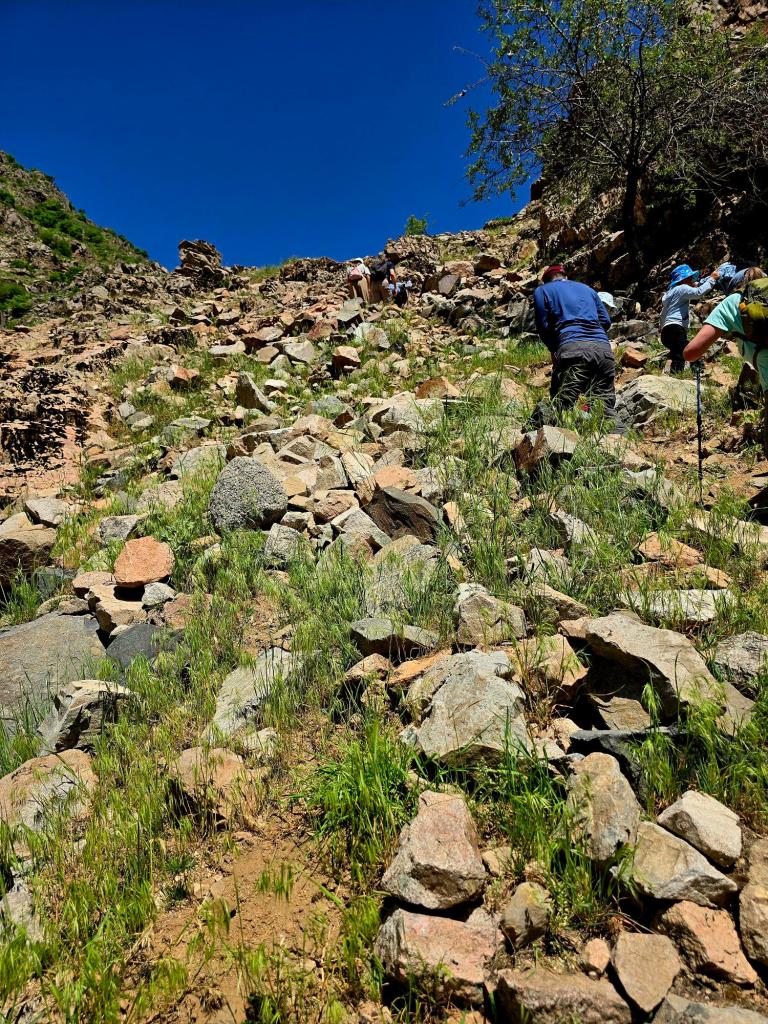
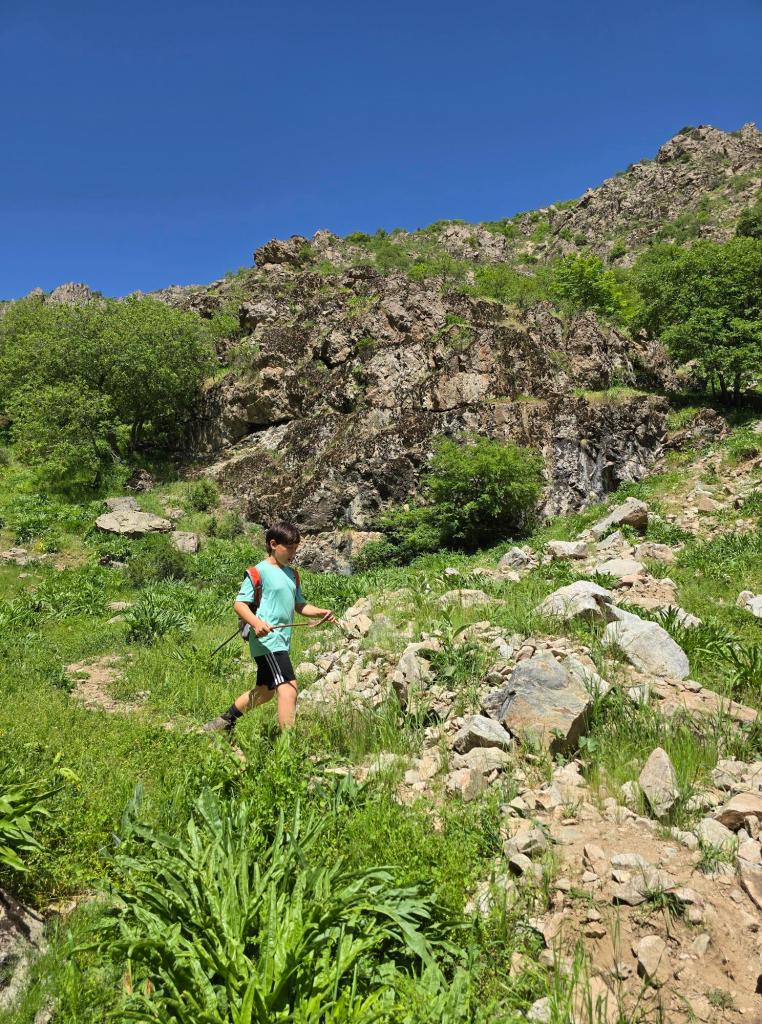
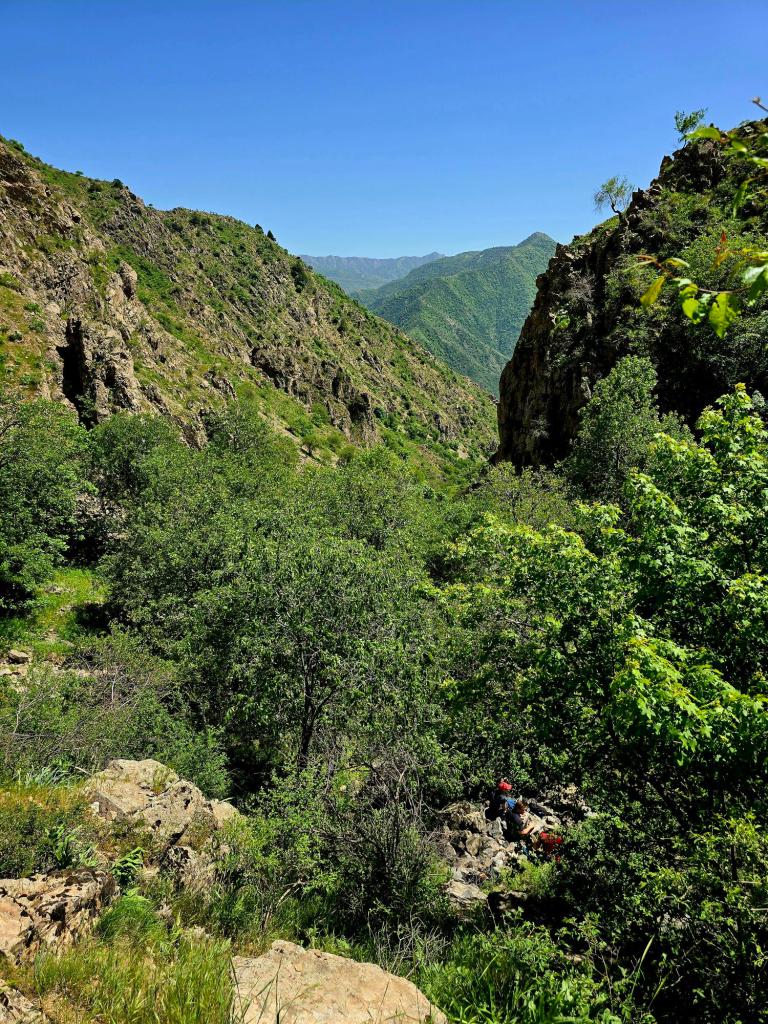
The climb was steady and honest. The kind that makes little legs ask, “Are we almost there?” within the first ten minutes. But the kids pushed on, scrambling over loose rock and weaving through low shrubs as the valley floor dropped quickly below us. Romit’s gorges are dramatic—carved by fast spring runoff, their walls stacked in layers of tilted stone, echoing with the sound of unseen water.
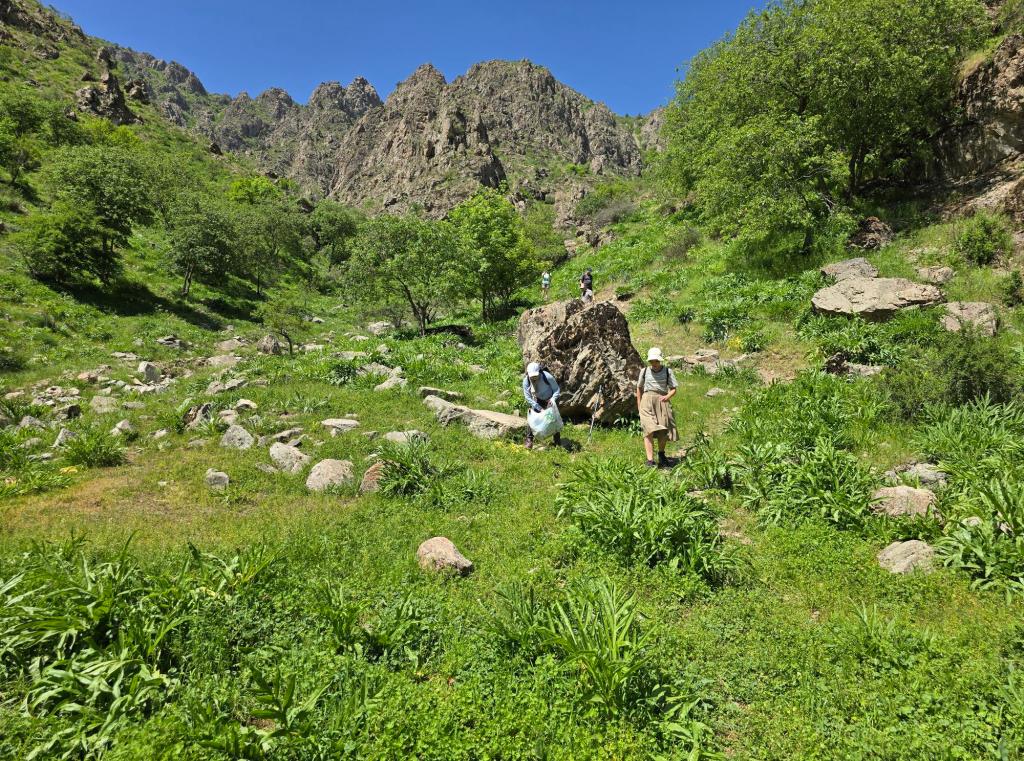
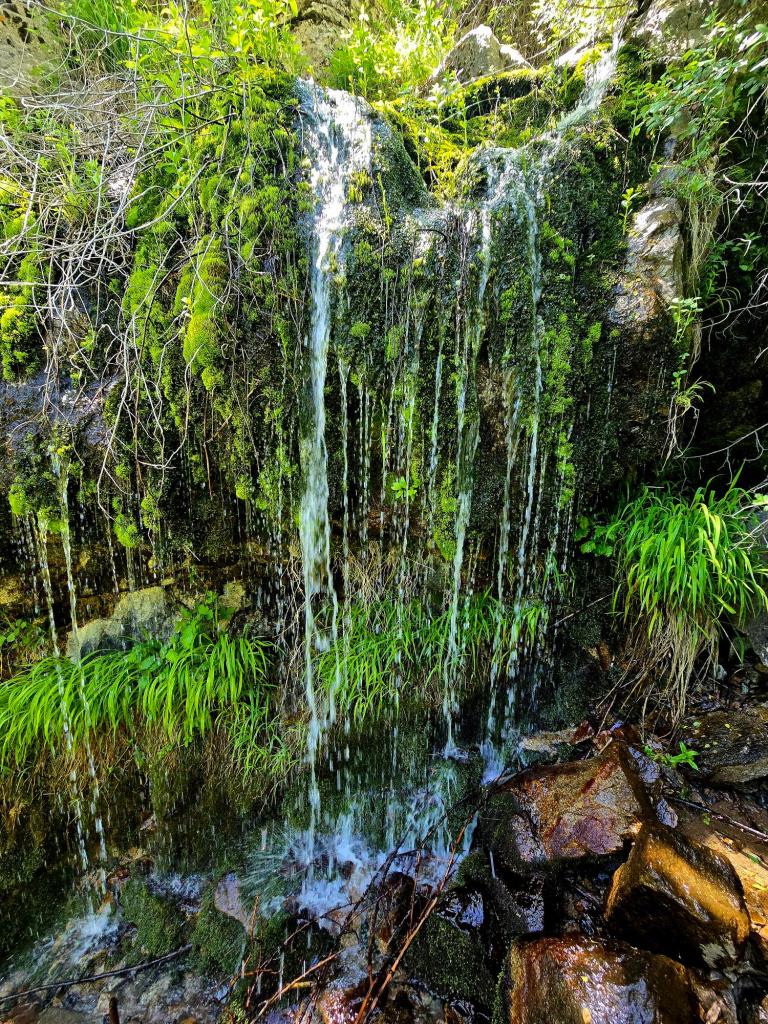
An hour and a half later, we crested into the upper part of the gorge and stepped into shade beneath a stand of trees. A cold, clear stream spilled down over mossy rocks, pooling just enough to invite tired hikers to linger.
And there they were.
Tall stalks everywhere.
But no crowns.
The lilies had come and gone a week or two earlier. What remained were strong, upright stems—evidence of a spectacular show we had just missed. For a moment, there was that familiar flicker of disappointment. We had chased a bloom window and come up short.
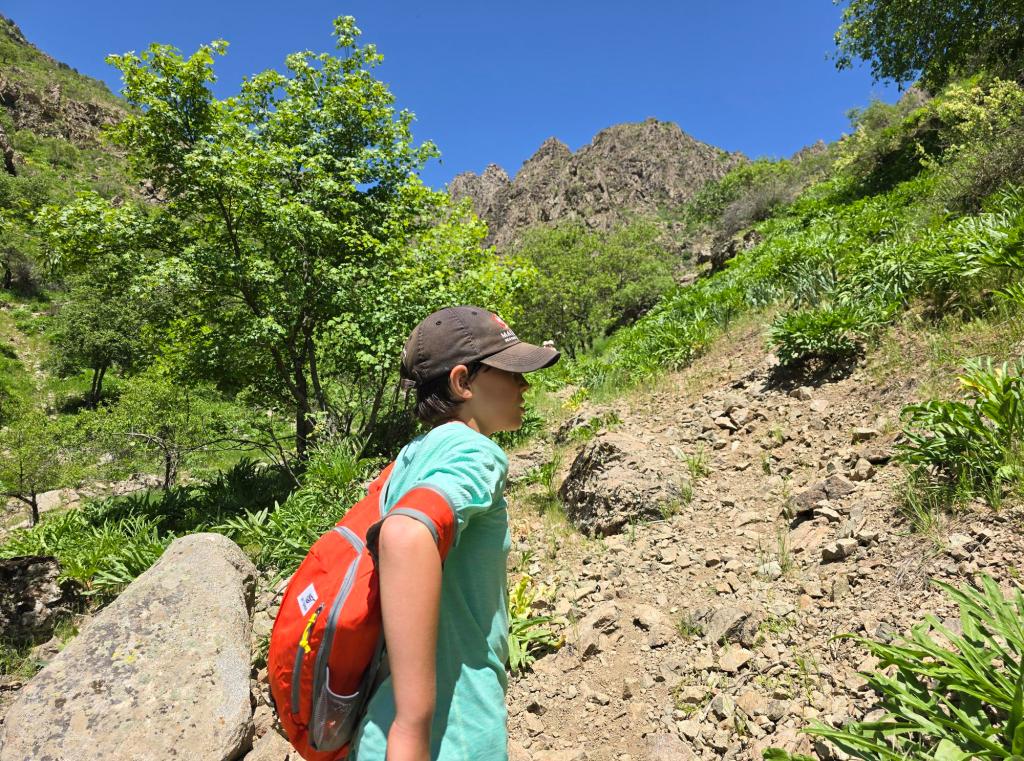
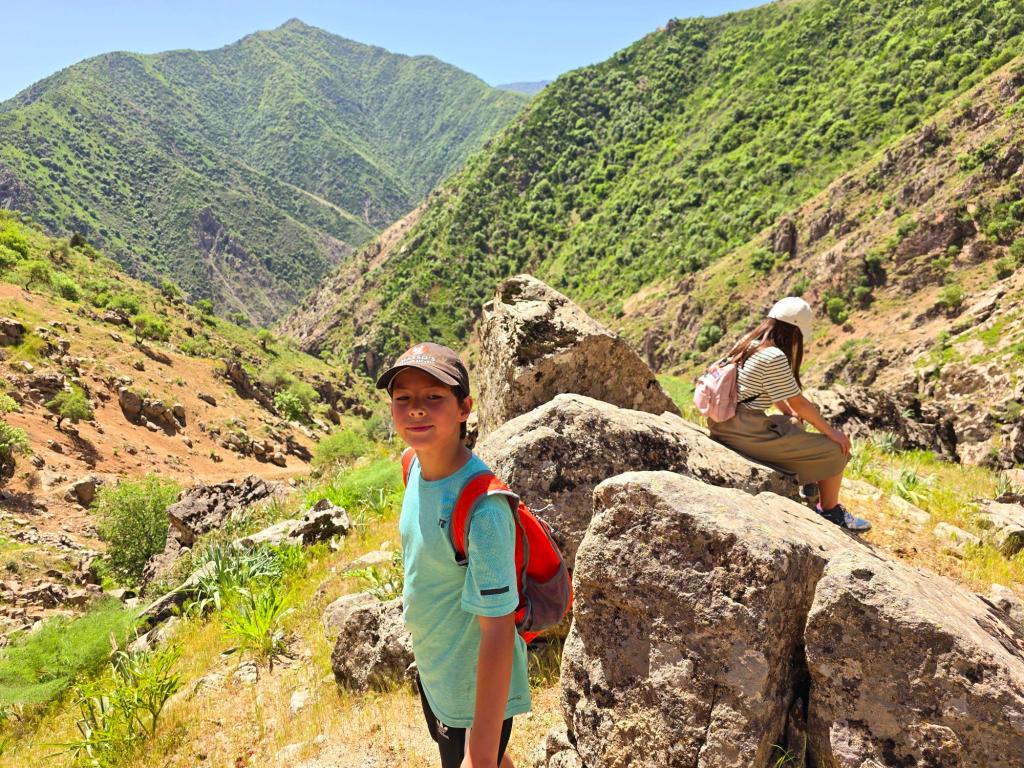
But then the kids were already down by the water.
Boots off. Feet in.
Mission officially pivoted.
We settled into a long picnic beside the stream, watching the water rush around boulders polished smooth by snowmelt. The hills below us rolled out in impossible shades of spring green, while jagged rock towers pointed skyward toward the ridge. After months of winter browns and grays, Romit felt alive.
Goats grazed high on the slopes. A shepherd’s call echoed faintly. Down near the village, orchards were just beginning to leaf out. The whole valley seemed to be stretching awake.
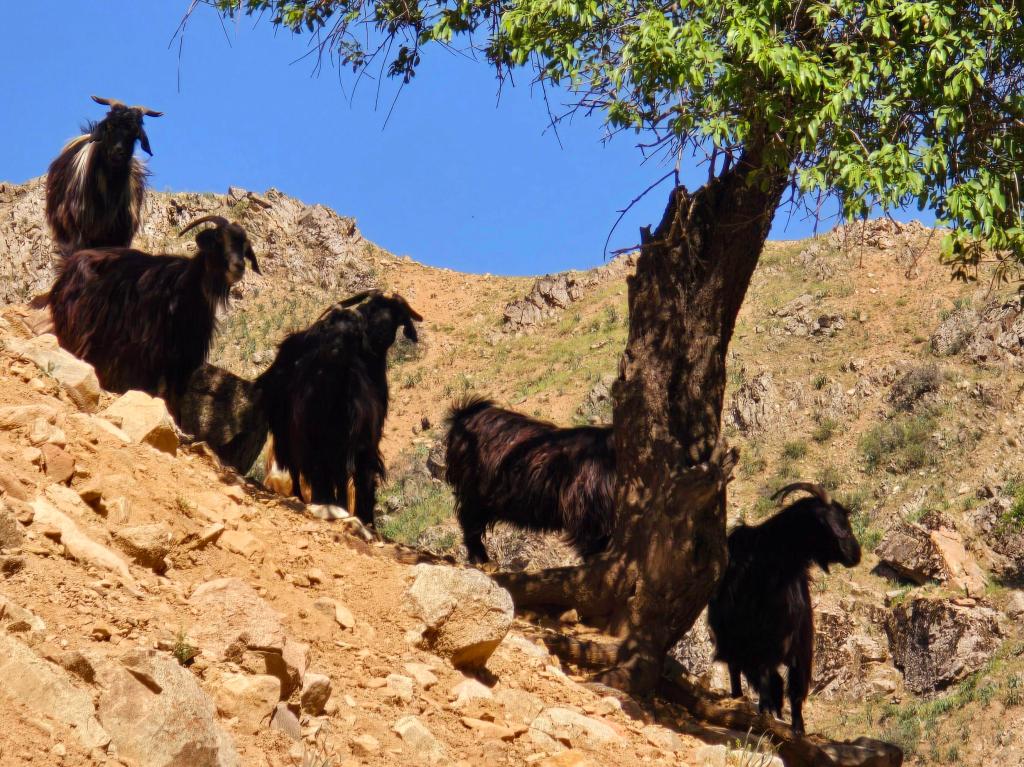
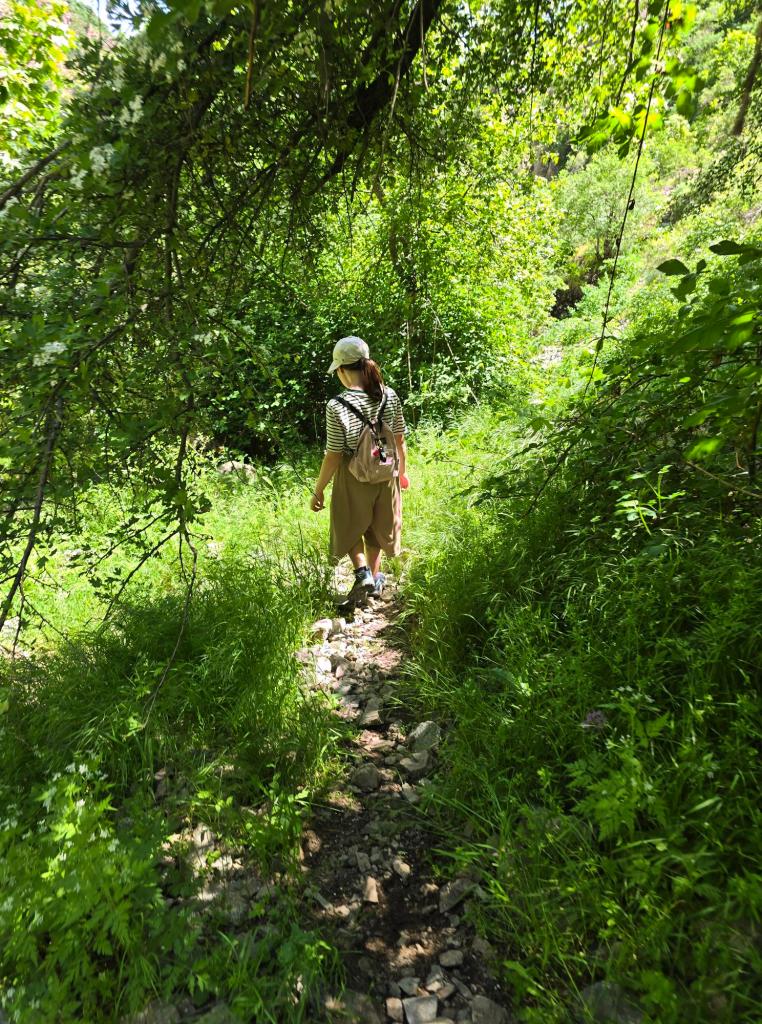
On the way down, gravity did most of the work. The kids bounded ahead on the steep trail, occasionally stopping to wait for us or to examine a bug or flower. Near the bottom, we passed small herds of goats threading their way across the hillside and farmers tending family plots not far from the road.
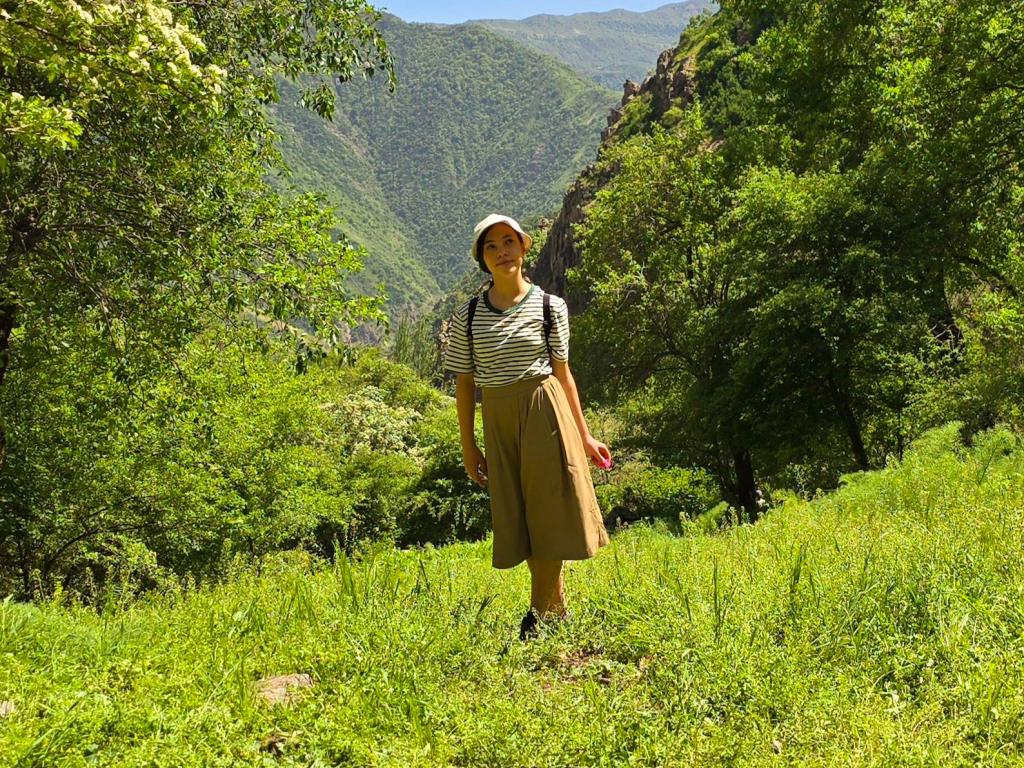
By early May, the heat is already building in these lower valleys. If you go this time of year, pack more water than you think you need, along with hats and sunscreen—especially with little hikers in tow. The climb is short, but it earns its elevation.
As for the lilies? Their timing is tricky. Late April to early May seems to be the sweet spot most years, but like all wild things, they don’t consult our calendars.
Still, even without the fiery orange crowns, the day felt complete. Steep enough to feel accomplished. Short enough to keep spirits high. Wild enough to feel like an adventure. Close enough to home to make it realistic with kids.
Sometimes you chase the bloom.
Sometimes you just catch spring.


Leave a Reply