July 3-8, 2025
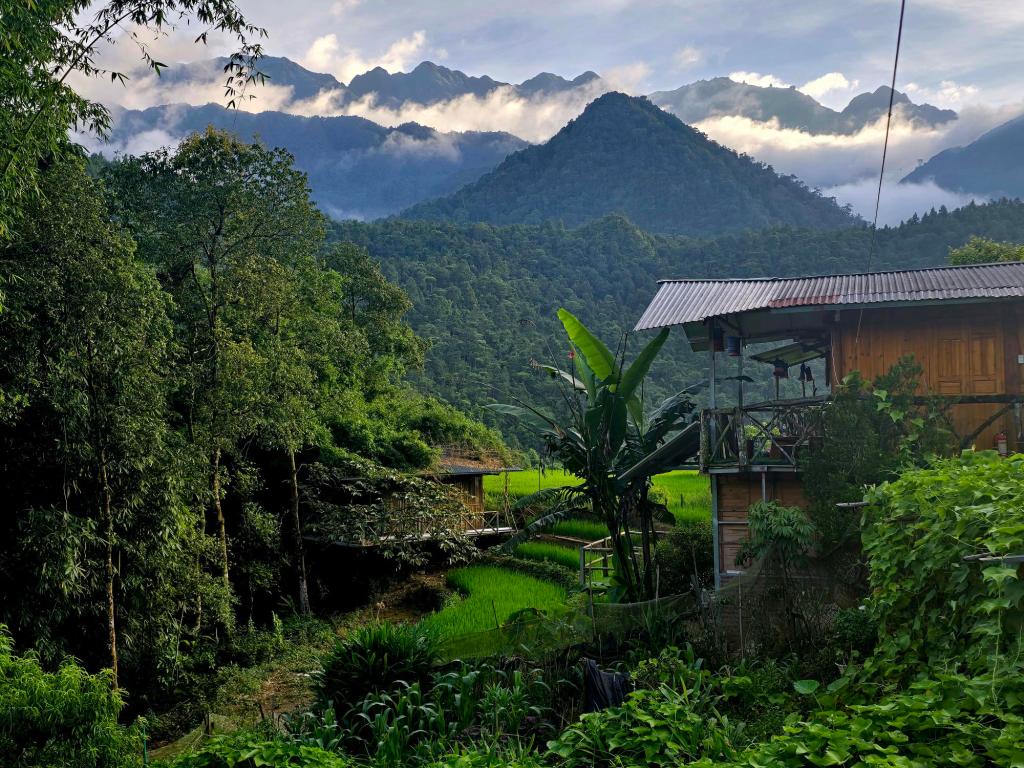
Five hours after leaving our hotel on Cát Bà, we were rolling through Lao Cai, the main border town with China, with Hekou sitting just across the river. From Lao Cai, the road immediately began its long, winding climb toward Sa Pa, rising steeply through thick layers of mist, sporadic rain, and occasional breaks in the clouds where strong sunshine made the emerald slopes glow.
The drive was slow and cautious. The drenched earth cliffs above the road were a constant landslide threat, and our route was detoured twice around long stretches where more than a meter of mud, rocks, and fallen trees had completely buried the pavement. Bulldozers were working nonstop, carving a narrow passage through the mess.
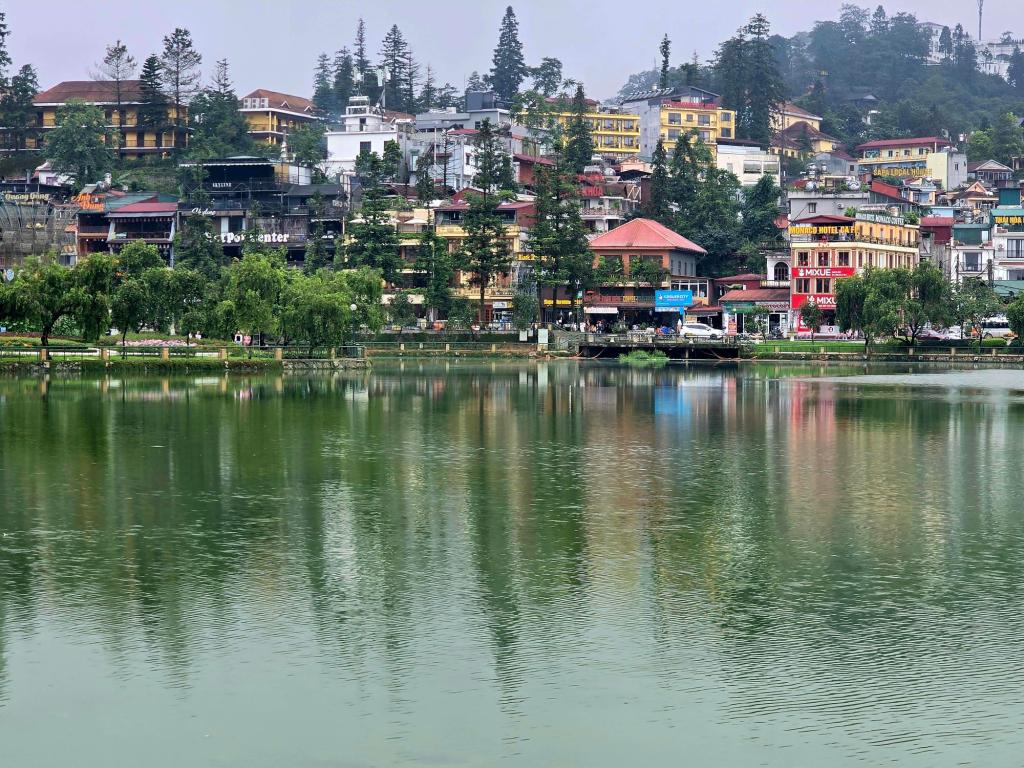
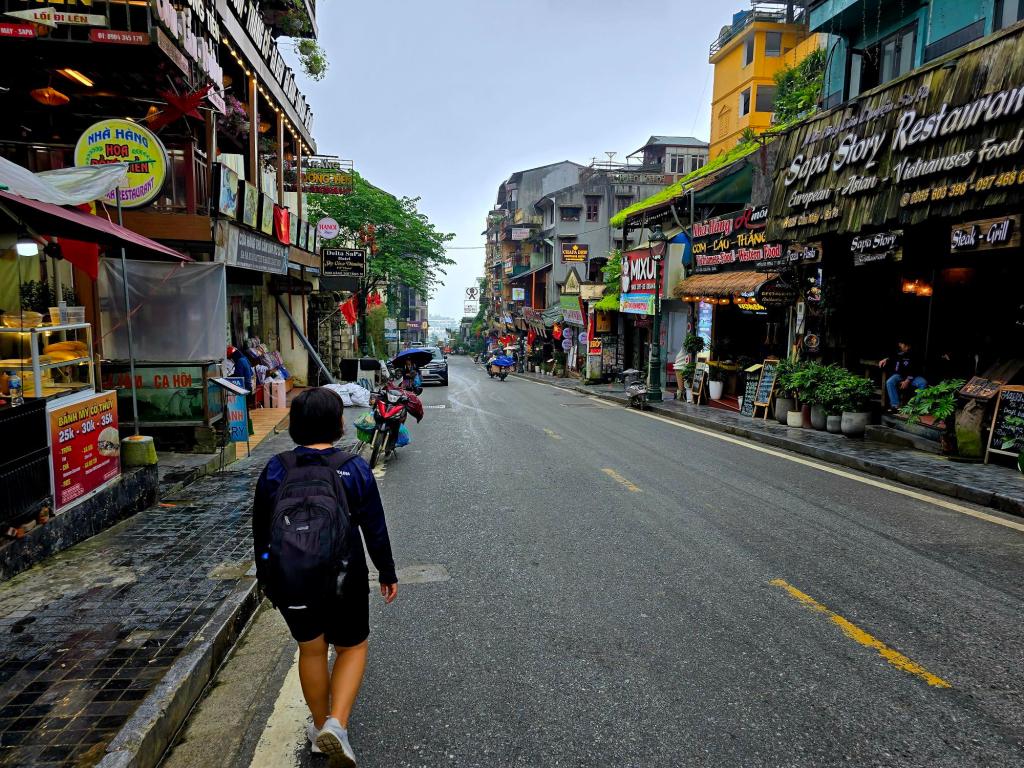
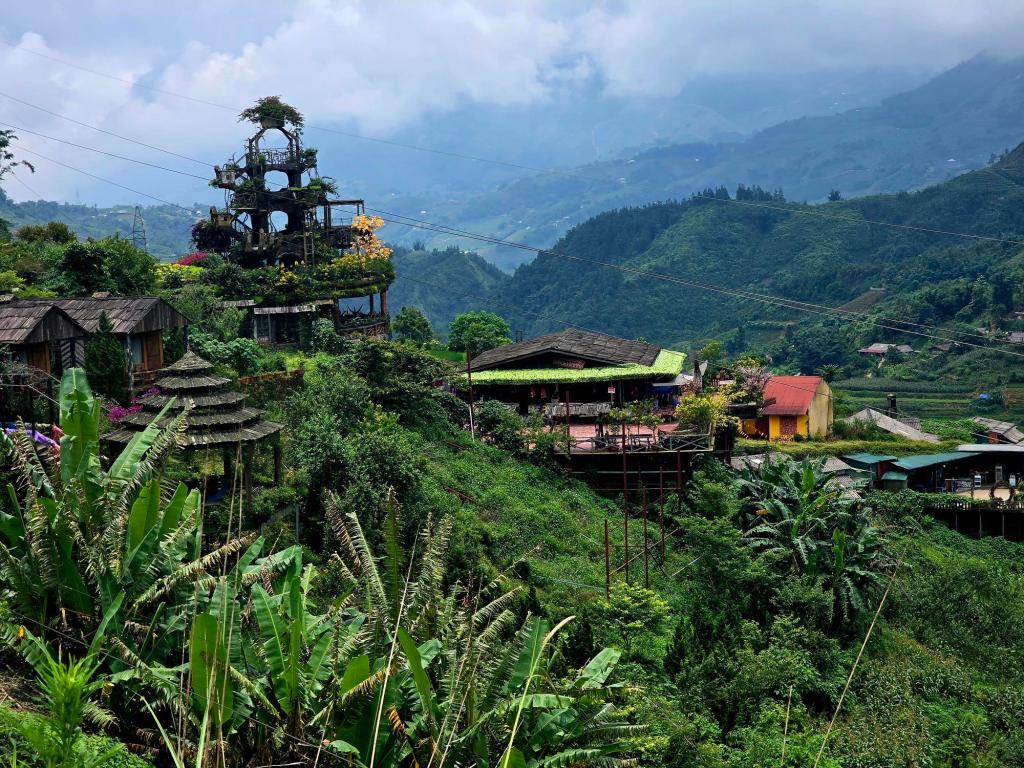
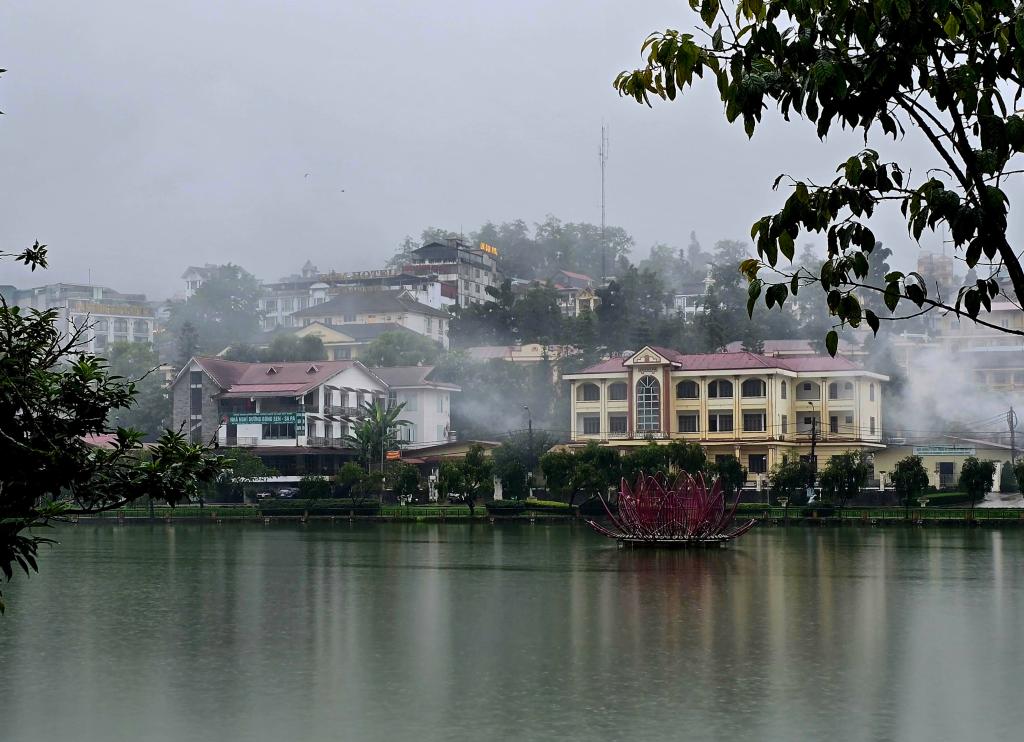
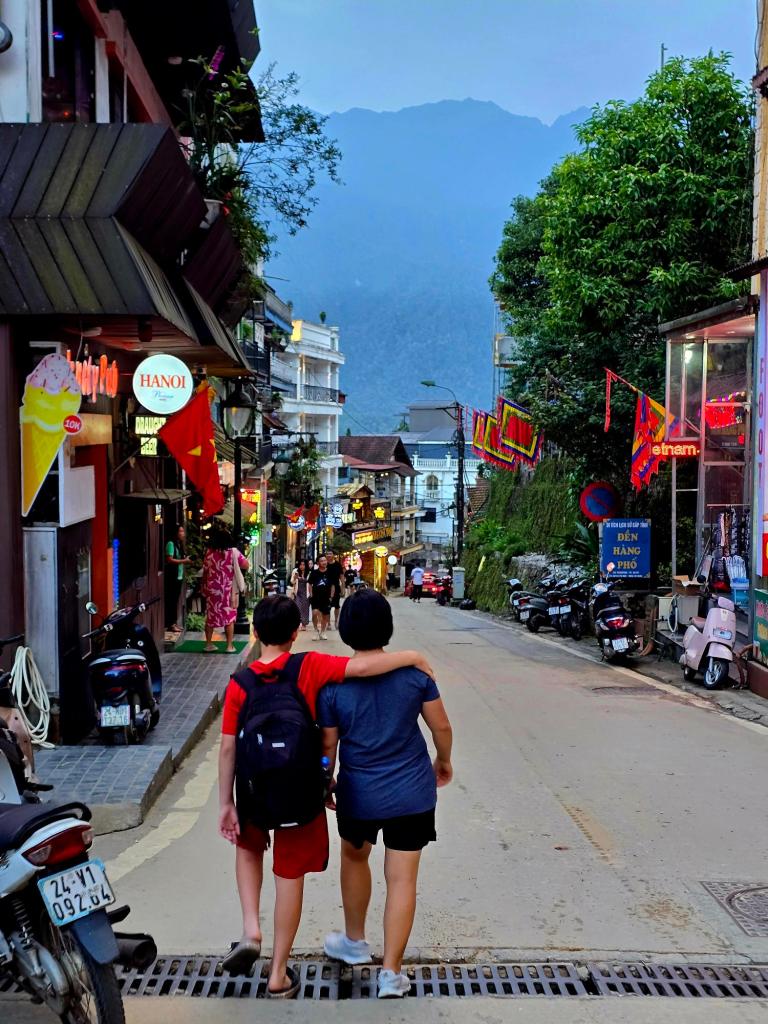
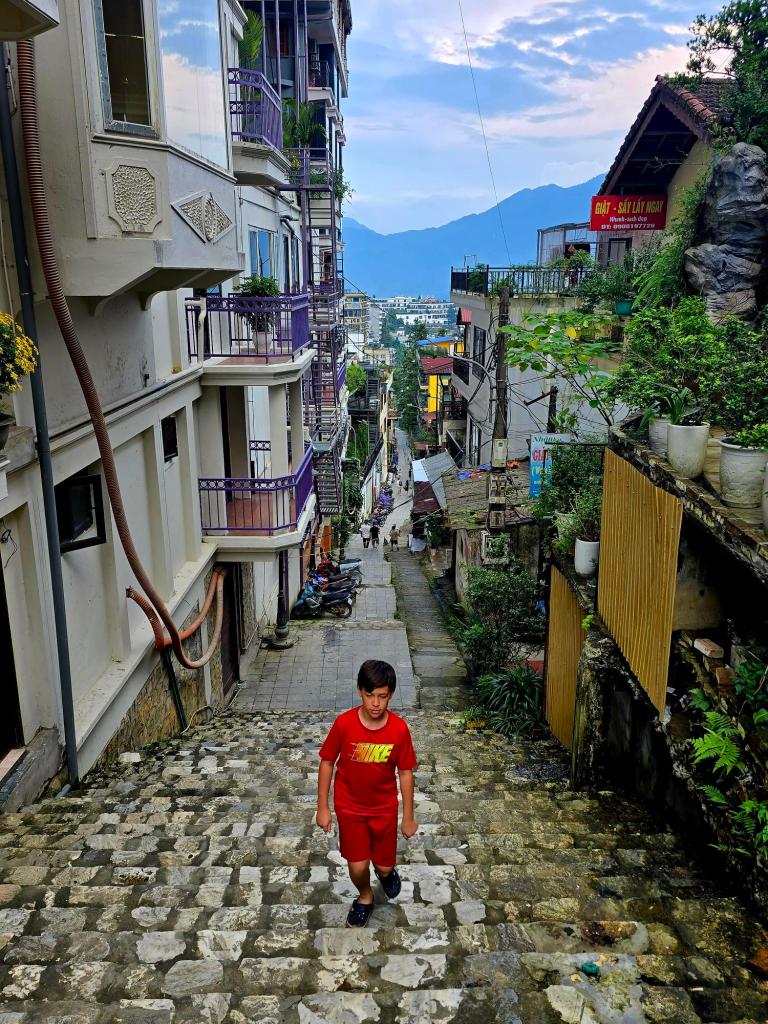
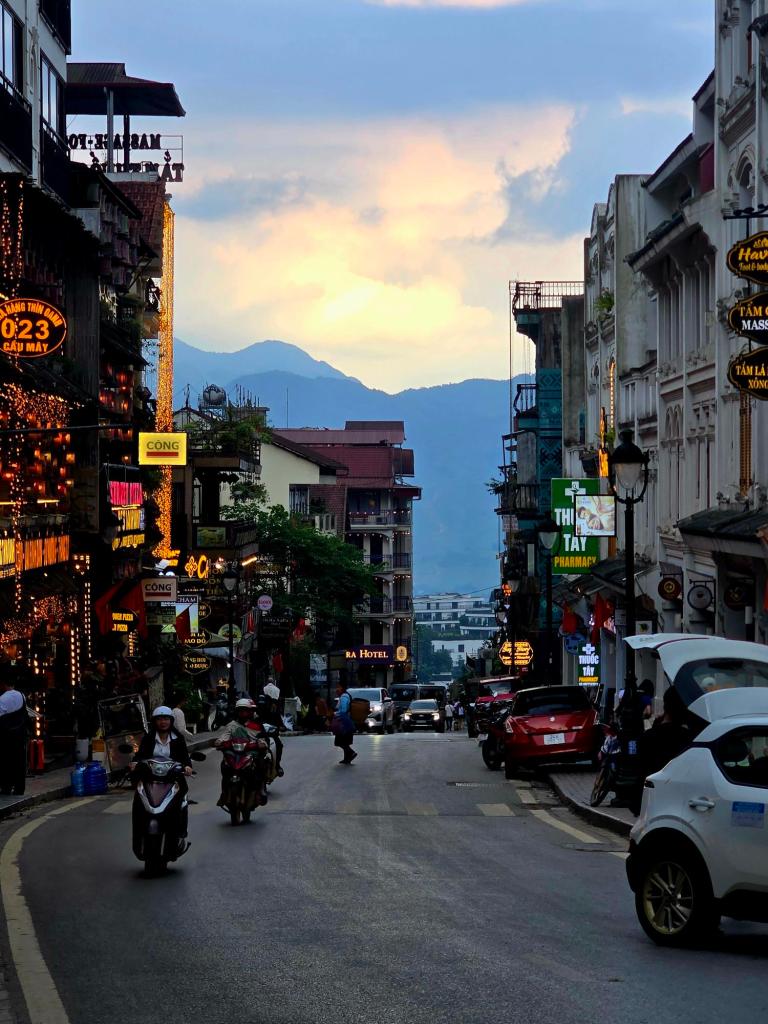
When we finally pulled into Sa Pa, clouds skirted the mountains and a light rain fell steadily. We passed the lake on the edge of town, glancing at the shops and restaurants lining the far shore. As we entered the main stretch, it was impossible not to notice how much Sa Pa had grown since my first visit nearly twenty years earlier. Tourism was already on the rise back then, but it has exploded since. Three- and four-story restaurants now line the streets, and even in the mid-afternoon there were people everywhere.
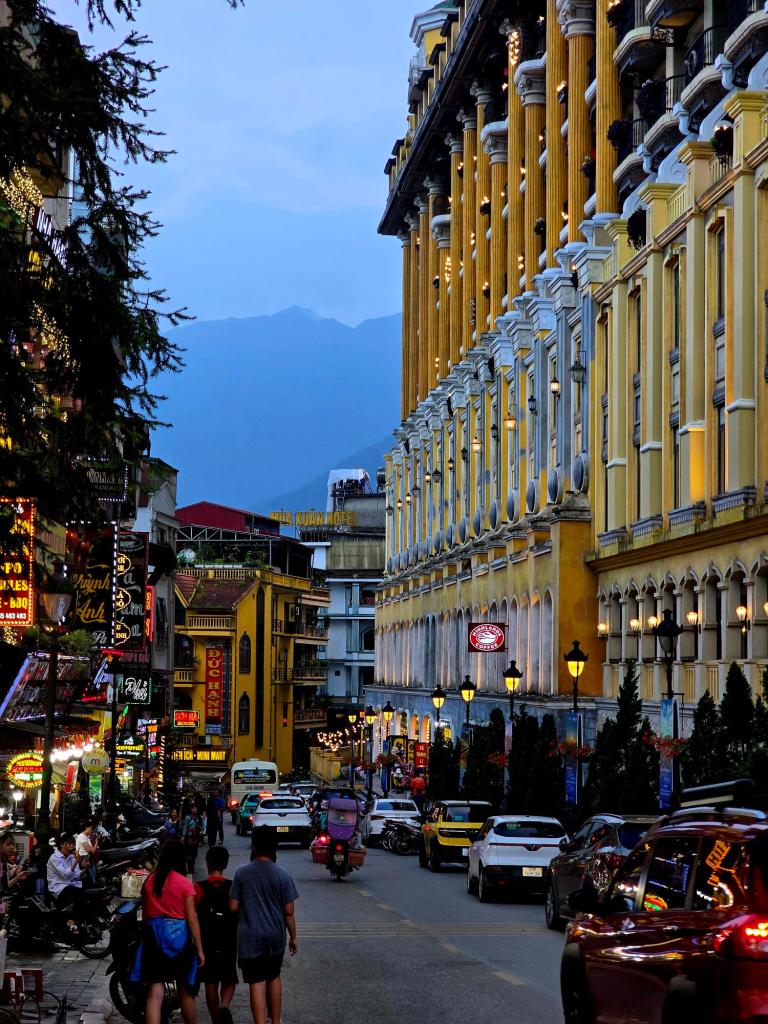
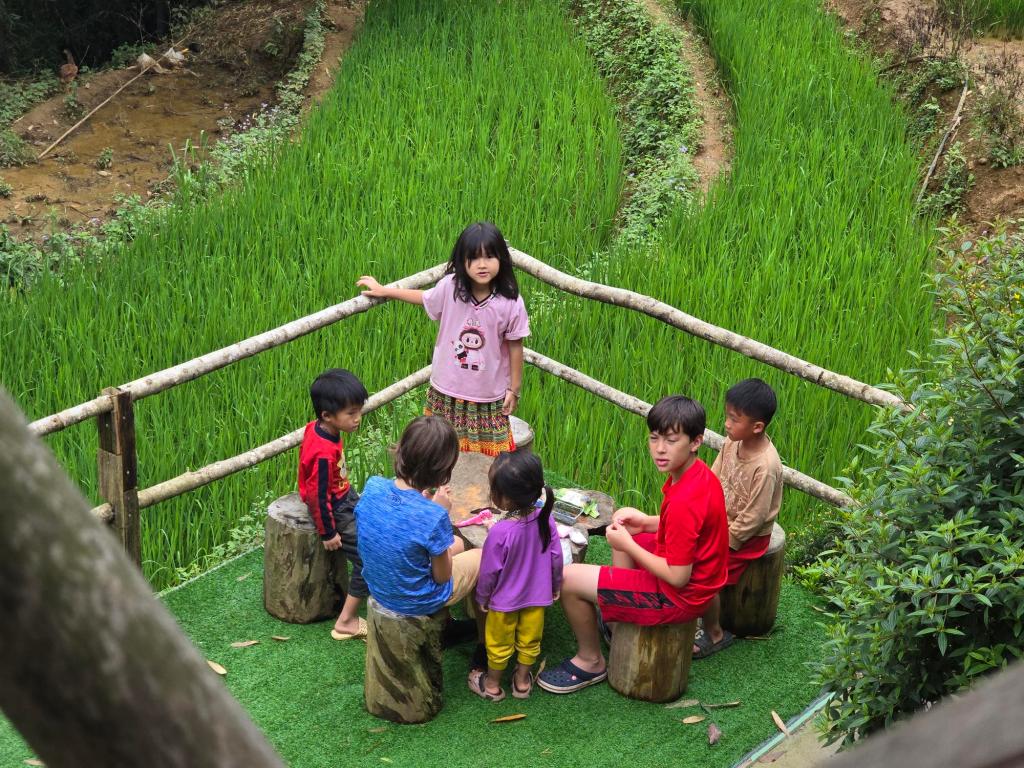
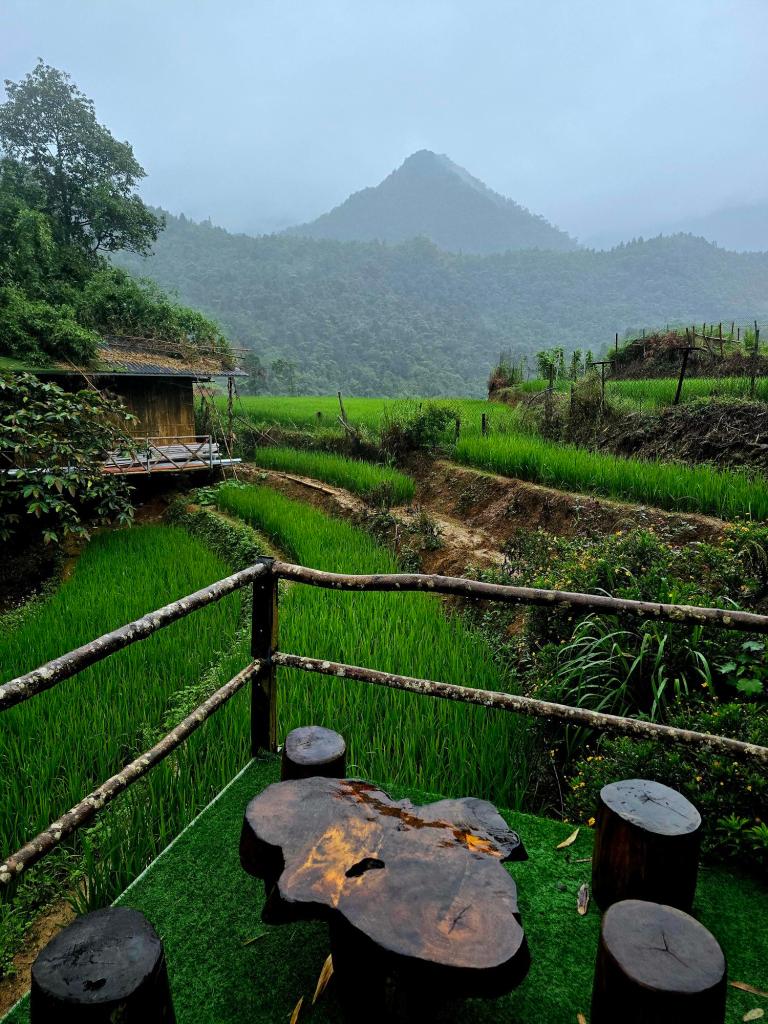
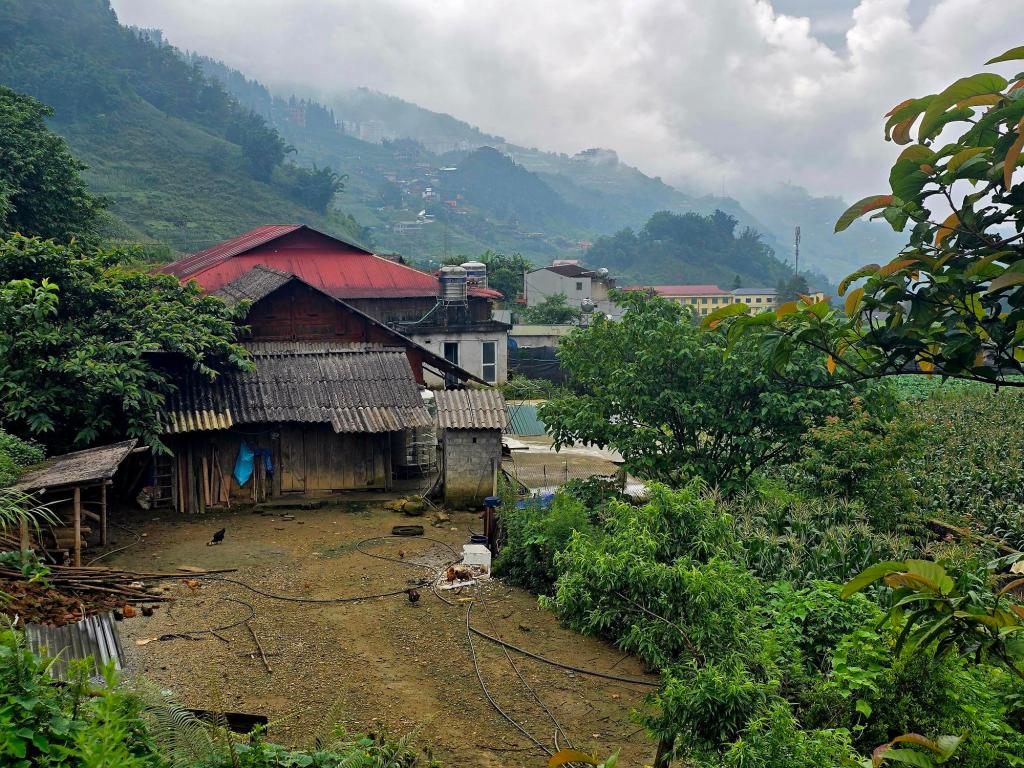
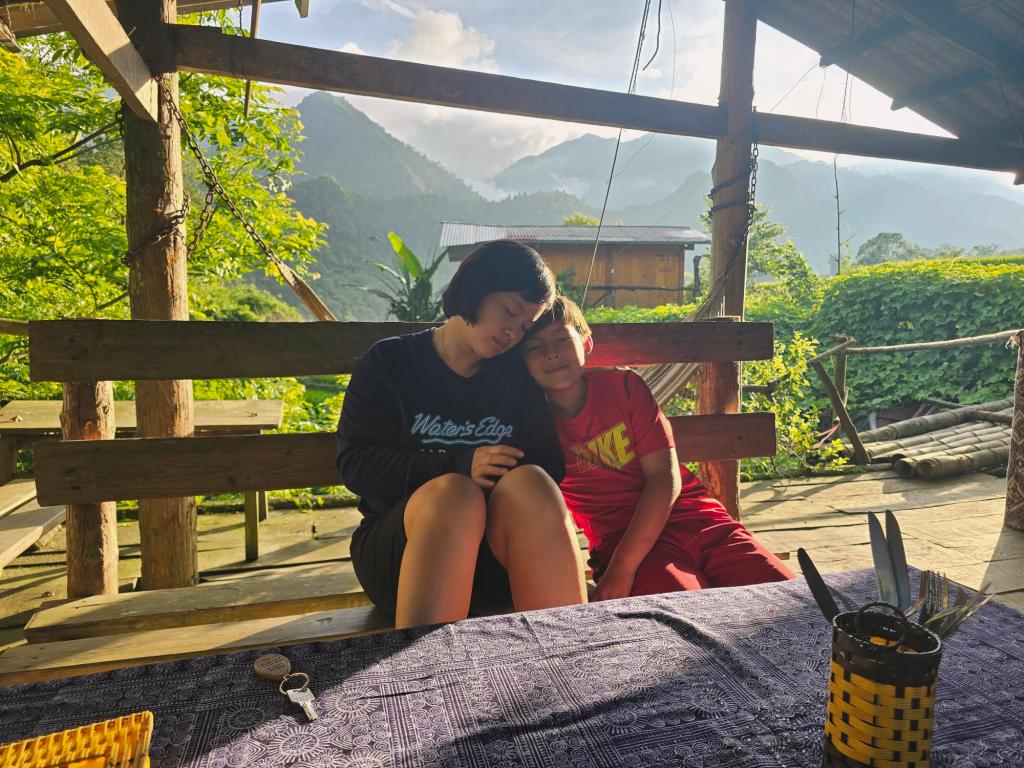
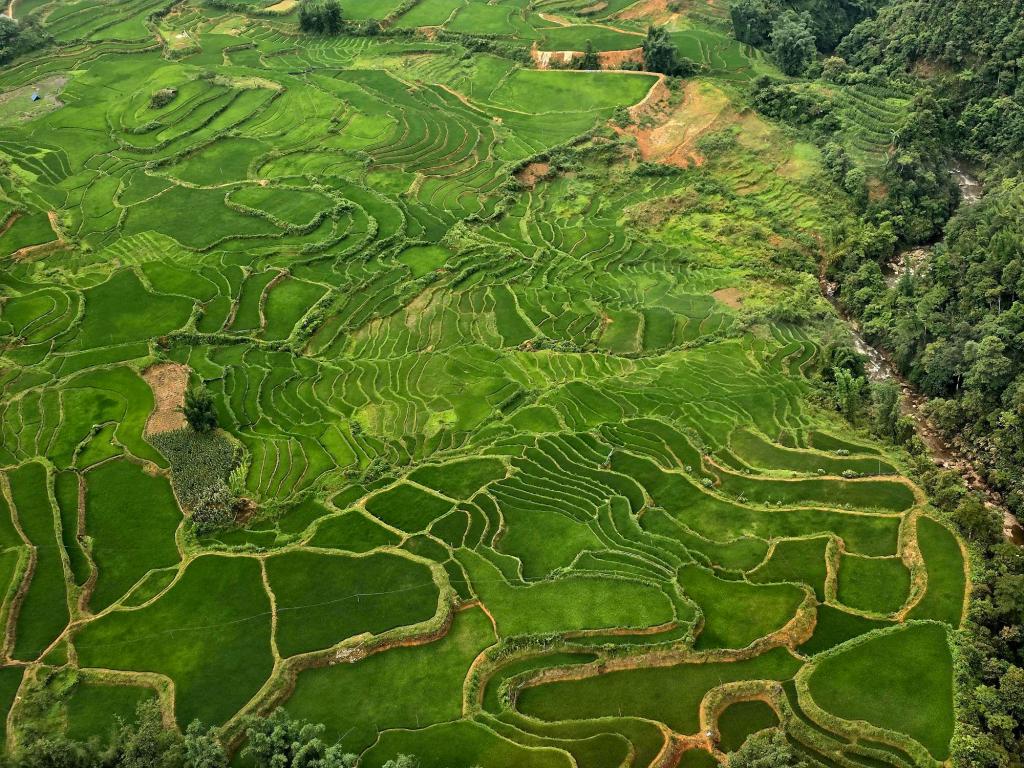
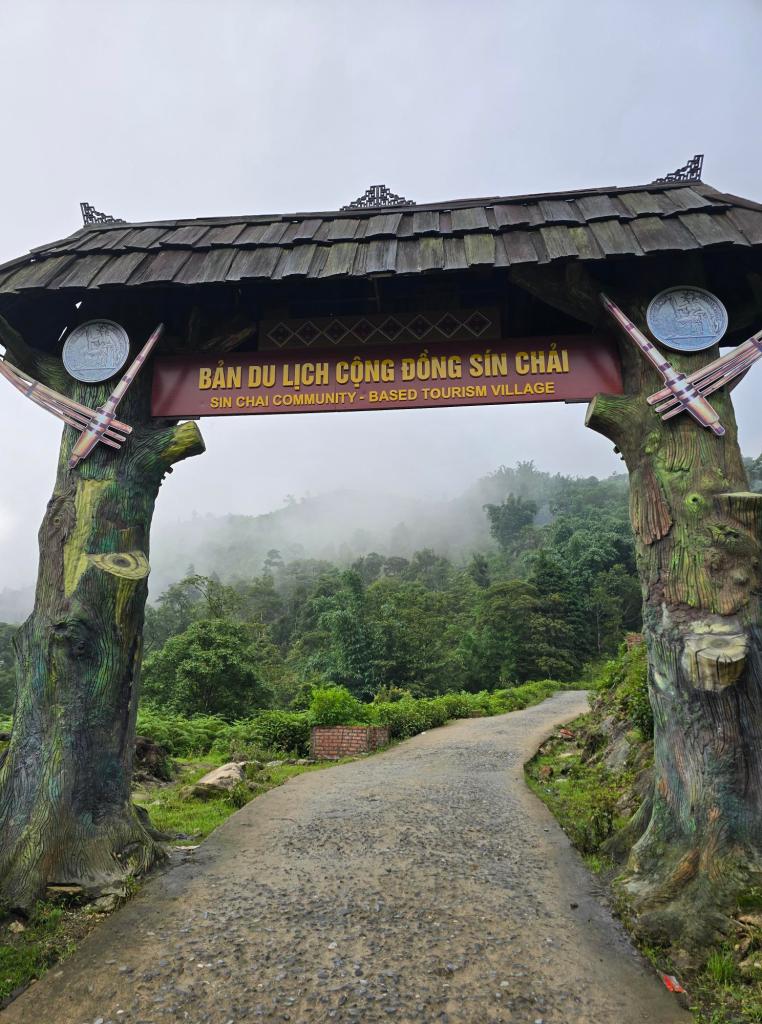
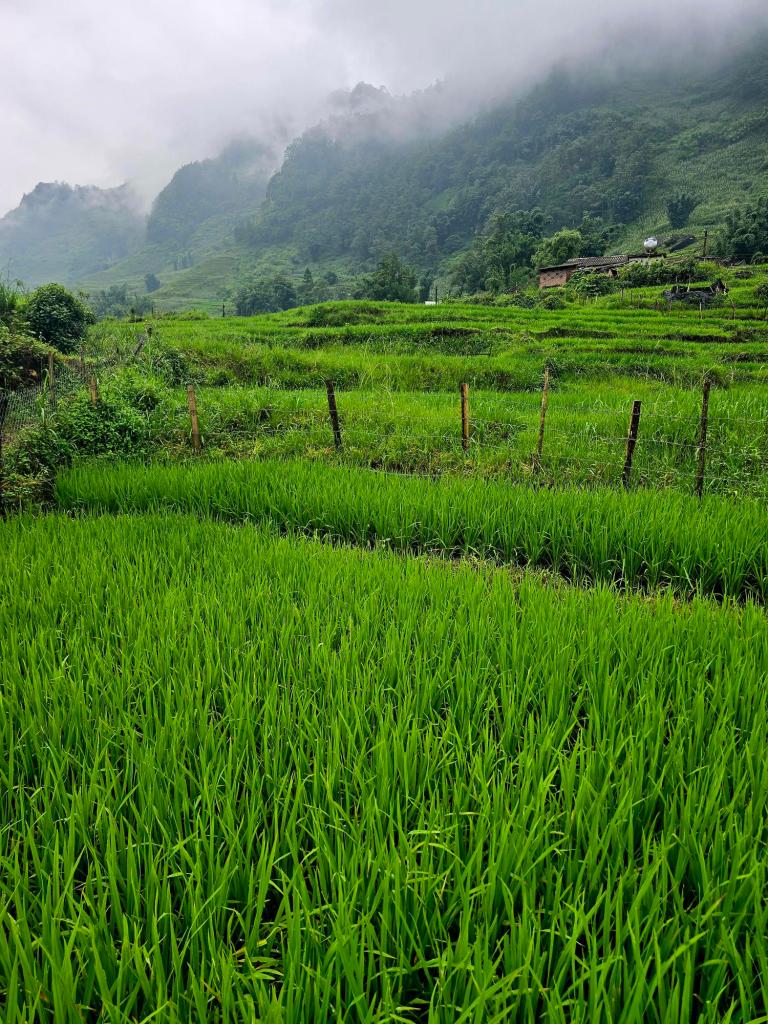
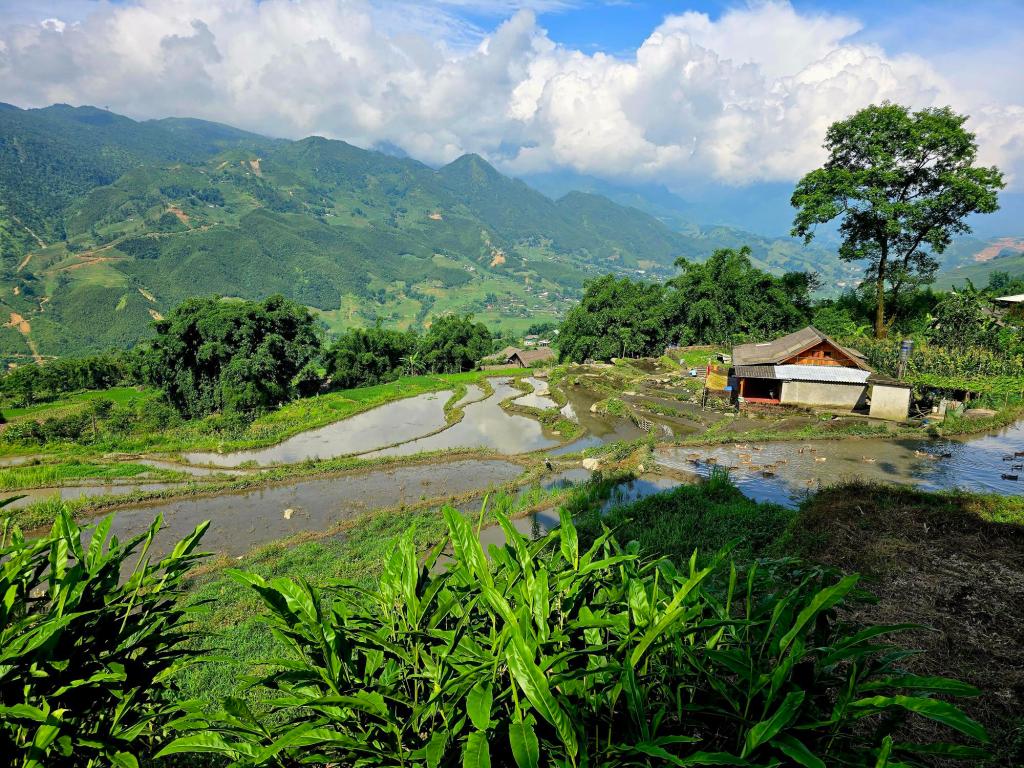
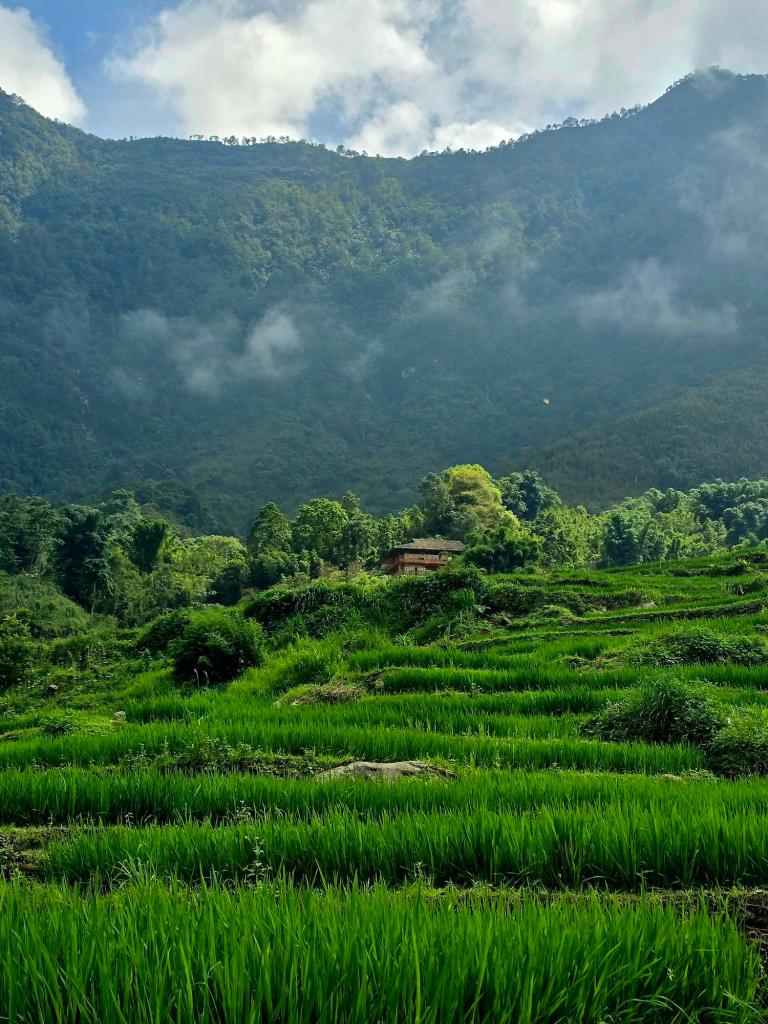
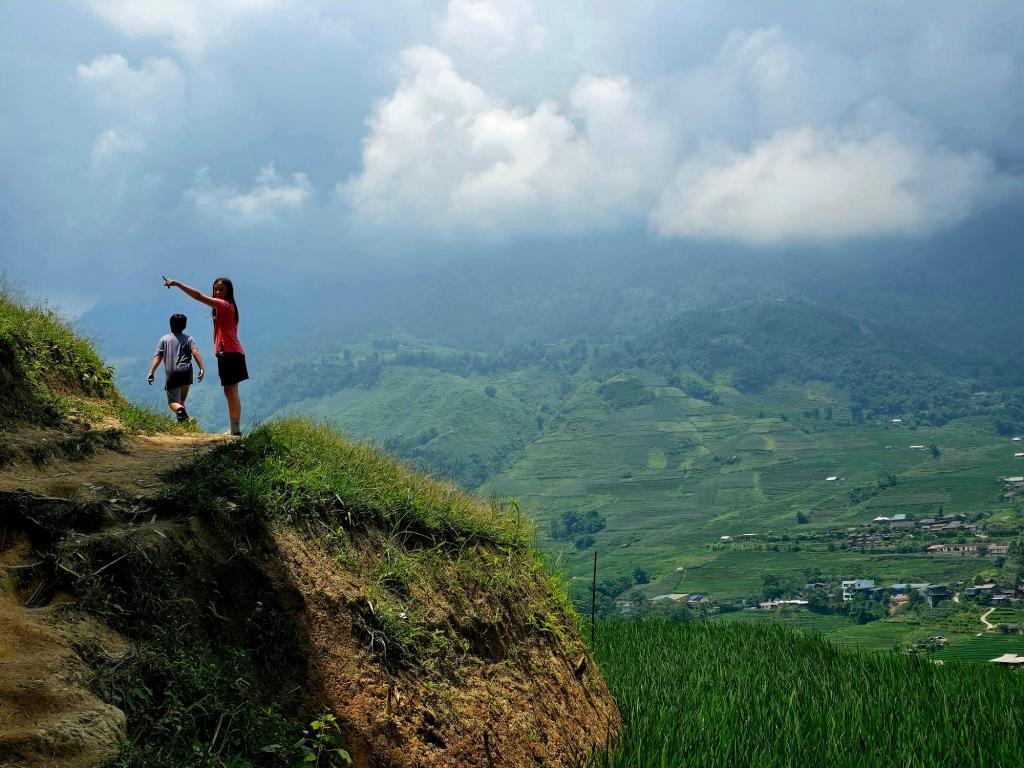
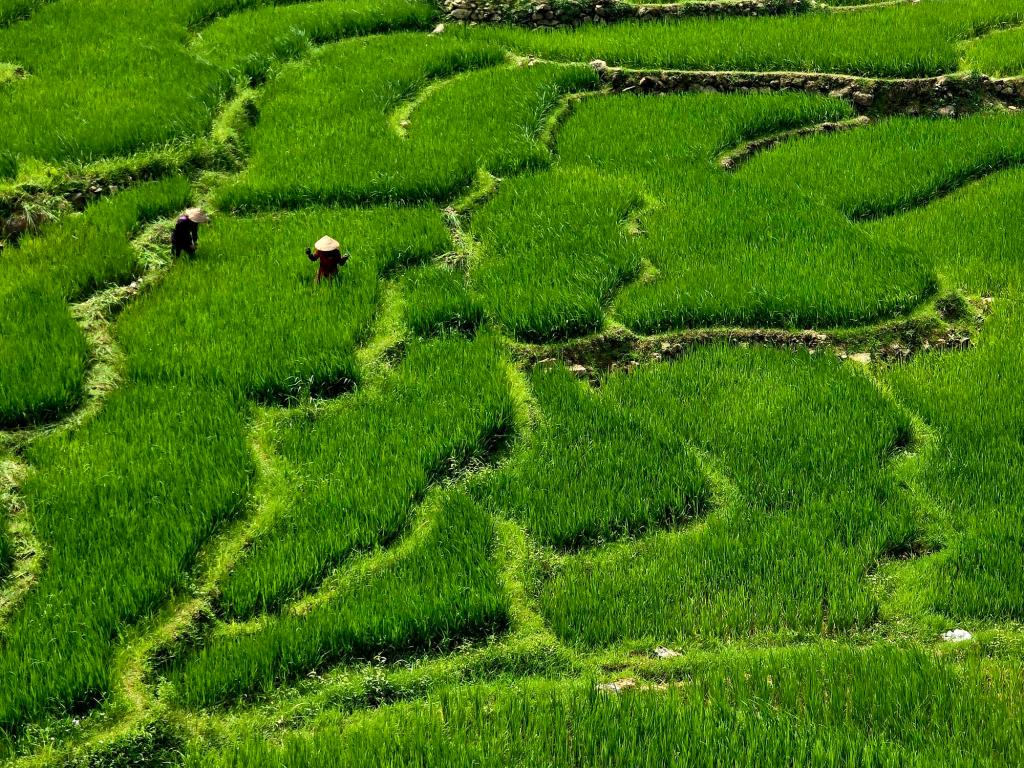
I had expected this, so we had booked a homestay a couple of miles outside the center of town, north of Cat Cat Village. Reaching it meant dropping nearly 250 meters in elevation down a winding road, and we were instantly glad we had made that choice. Our host family was as kind as could be, and the house sat along a quiet footpath among the rice paddies, completely surrounded by mountains.
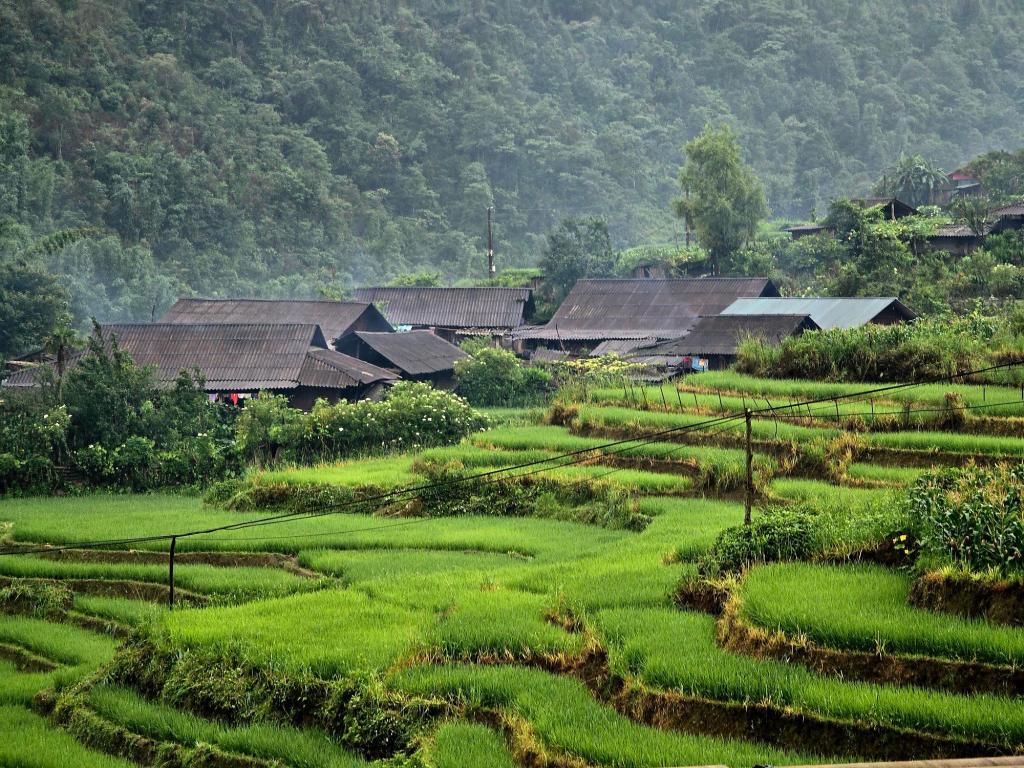
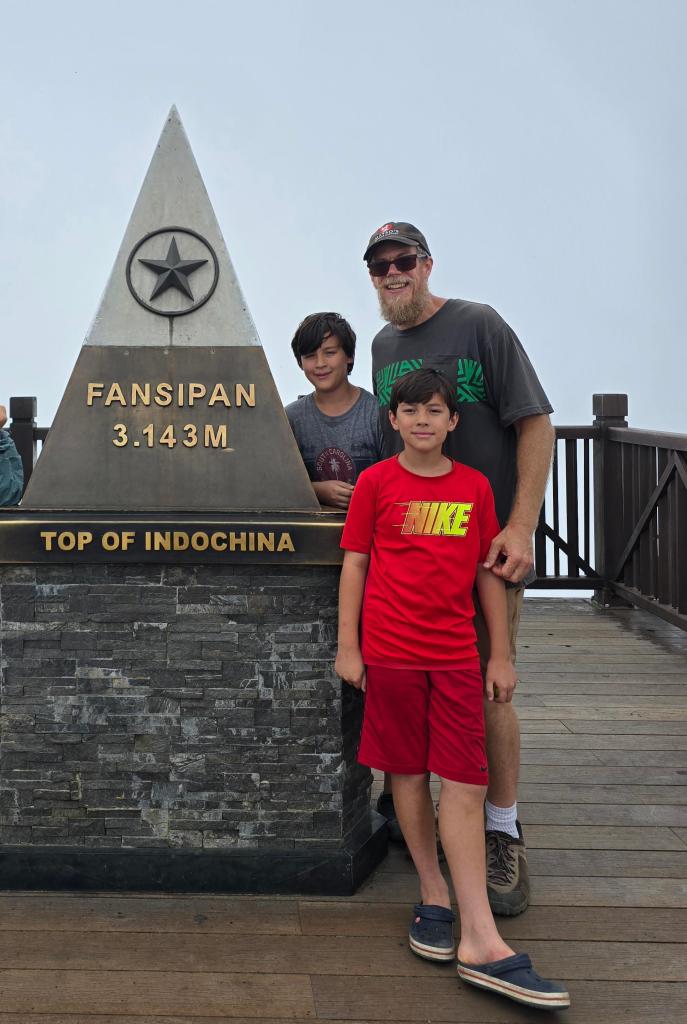
We weren’t far from a new gondola line that begins above town, spans a massive valley, and climbs all the way to the summit of Fansipan, the highest point in Indochina. Twenty years ago, reaching that viewpoint meant earning it with a demanding two- to three-day jungle trek. Today, it’s a fifteen-minute ride with breathtaking views.
The area around Sa Pa contains the highest mountains in Vietnam and is also the country’s most ethnically diverse region. In many ways, it feels more closely connected to Yunnan, just across the border, than to Hanoi or the cities farther south. Hmong, Red Dao, Giáy, Tày, and Xa Phó communities are spread throughout these valleys—highland peoples with deeply independent cultural traditions and histories.
Before my first trip to Vietnam, nearly everything I thought I knew about the country came from war-era movies I had grown up watching. Because of that, I remember feeling a little nervous about how I might be received as a traveler. Those concerns disappeared quickly during that first visit.
One afternoon, while riding a rented scooter between villages, I pulled into a small settlement where two elderly men were sitting together, chatting and smoking from a bamboo water pipe. The younger men nearby told me one was ninety-four and the other in his early nineties. The family ran a tiny shop out of their home, so I bought a cold drink and sat down among the group—kids around ten years old, a few teenagers, and these two elders at the center of it all.
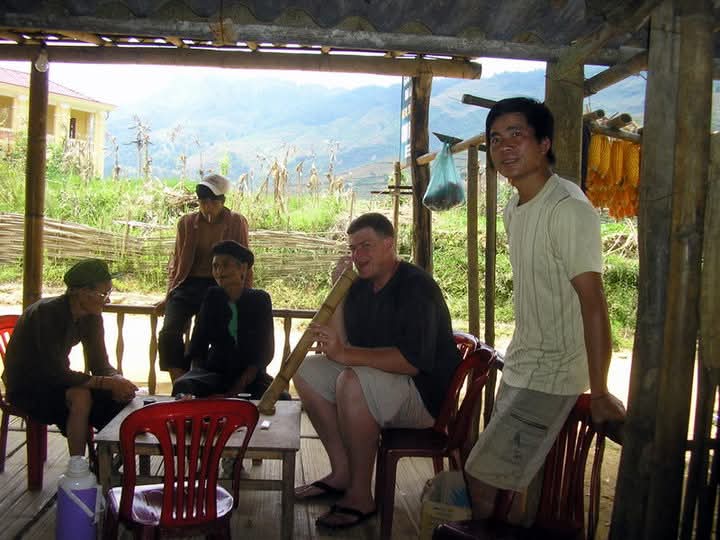
One of the old men packed a fresh bowl, and the younger guys told me they wanted to offer me a smoke. Before I knew it, I was pulling thick tubes of smoke alongside them, and they seemed genuinely pleased that I could handle their pouch tobacco. Sitting there, relaxed and laughing, I started to think about what those men must have lived through: French colonial rule, the Japanese occupation during World War II, the First Indochina War, the Vietnam War, the Sino-Vietnamese War. And there we were—sharing a pipe with a random American who had rolled in on a scooter—nothing but smiles and warmth.
We felt that same highland welcome all these years later.
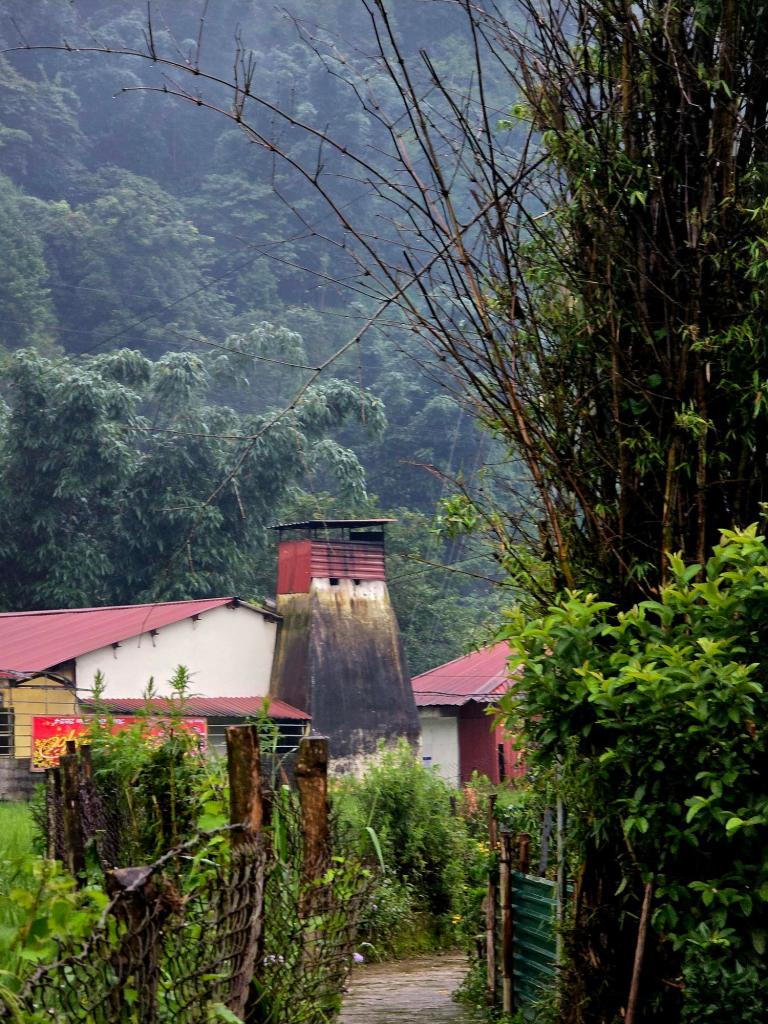
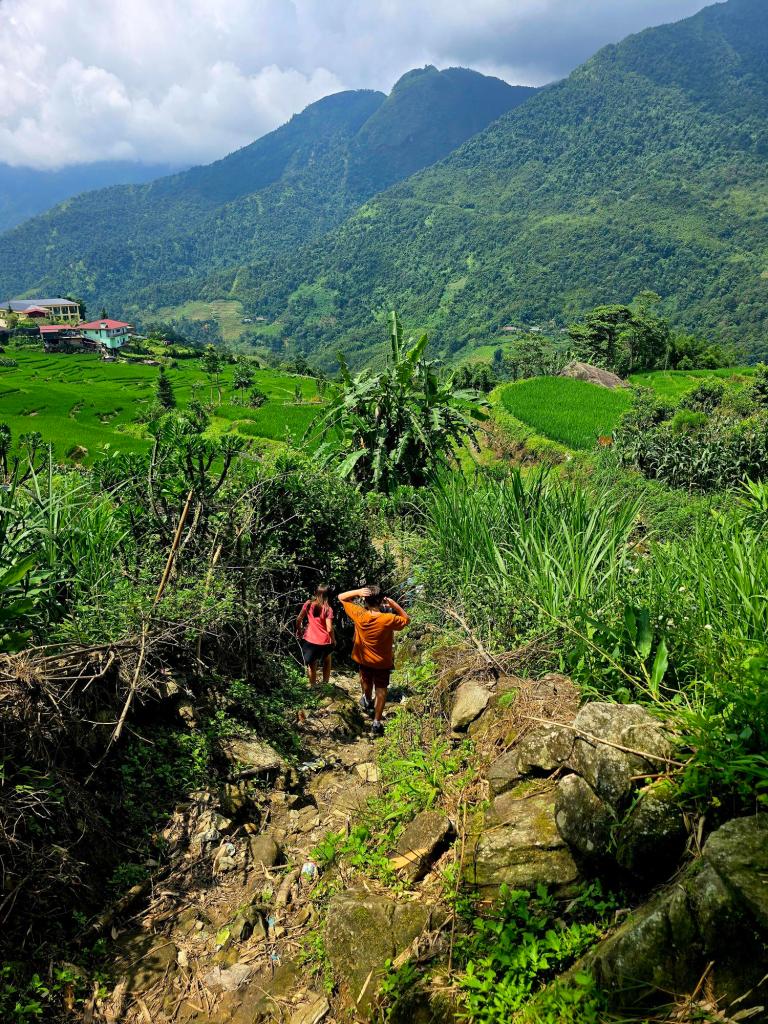
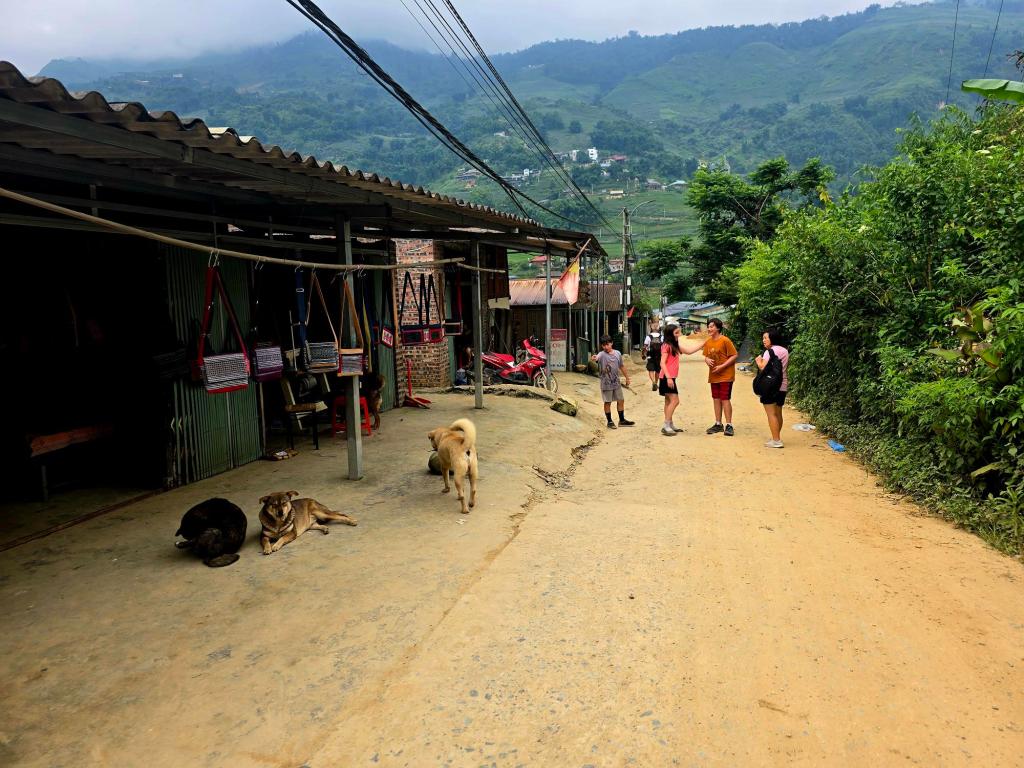
After settling in, we spent a day getting our bearings in town and exploring the smaller villages near our guesthouse. Incredible village-to-village trails started just a short walk away. I was waking early and hiking five- to six-mile loops on slippery, muddy paths high above the valley, eventually dropping down across rivers and fields until I found the dirt road that led me back home.
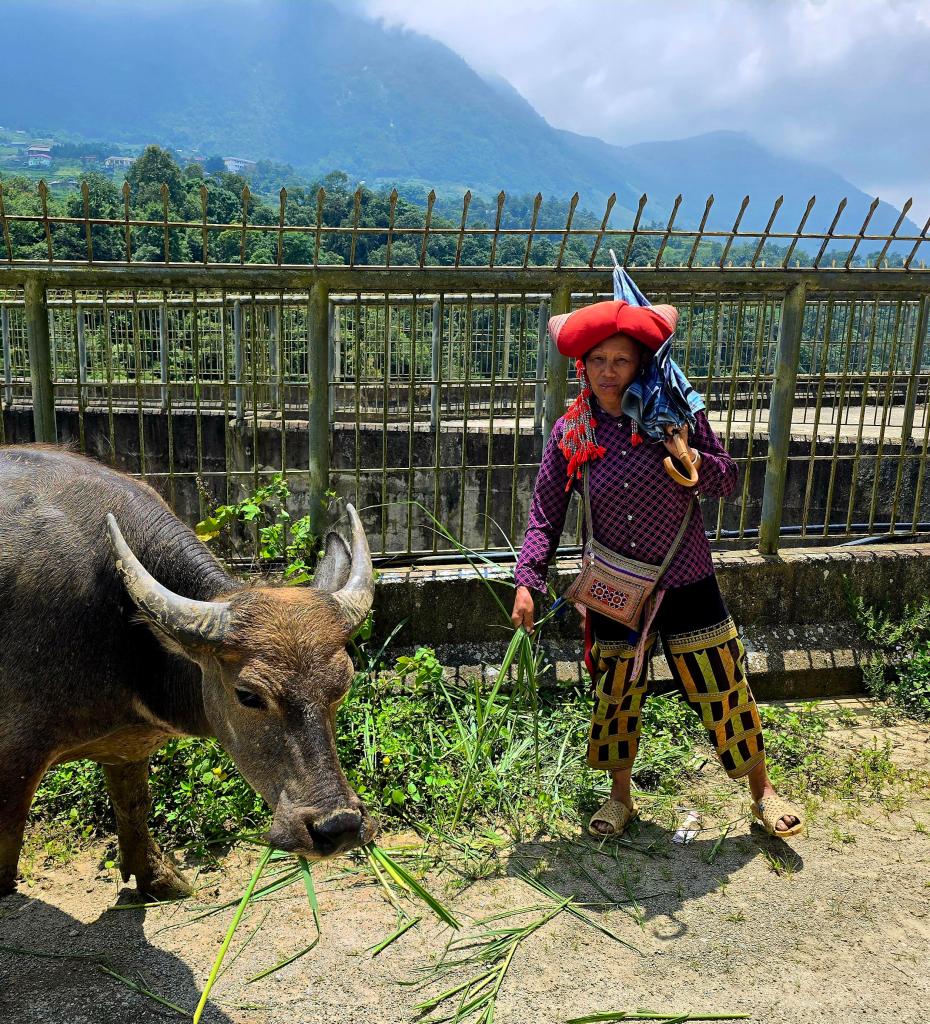
Morning scenes became familiar: kids walking the family water buffalo, women standing elbow-deep in large drums of indigo dye, their arms stained blue, and men repairing irrigation lines along the terraces. From our guesthouse, the walk up the steep road into Sa Pa proper took about forty minutes. Once there, we did what we always do—ate our way from one end of town to the other. Freeze-dried strawberries, chestnut cakes, rose cakes, and a steady rotation of our favorite hot dishes filled our days.
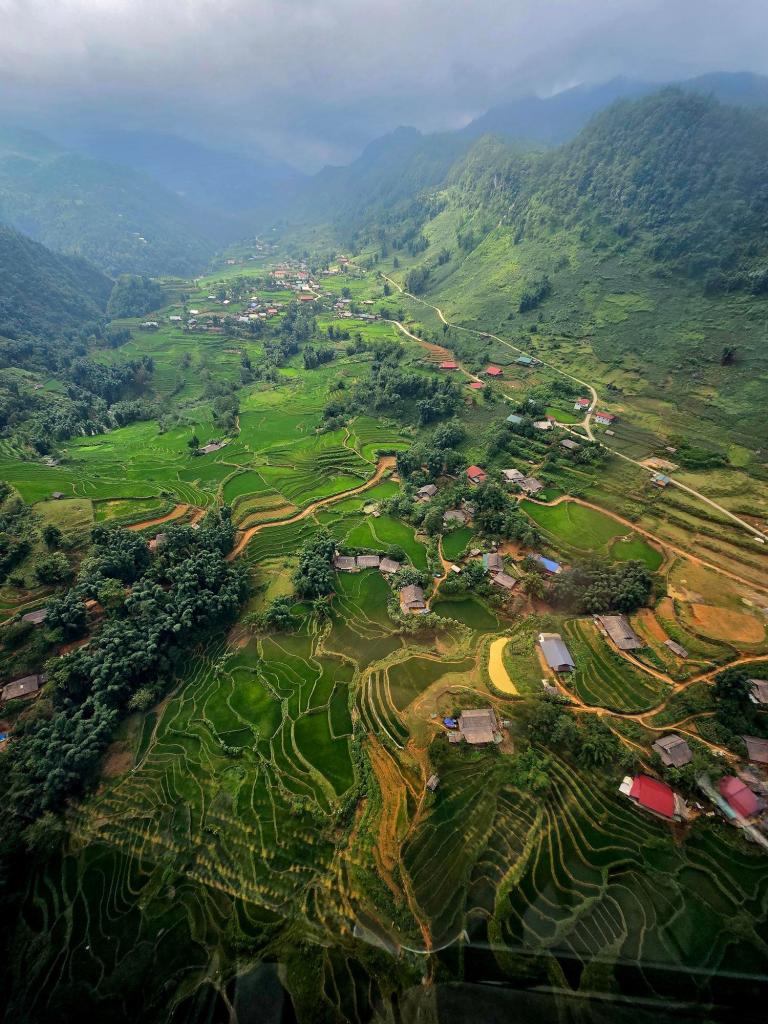
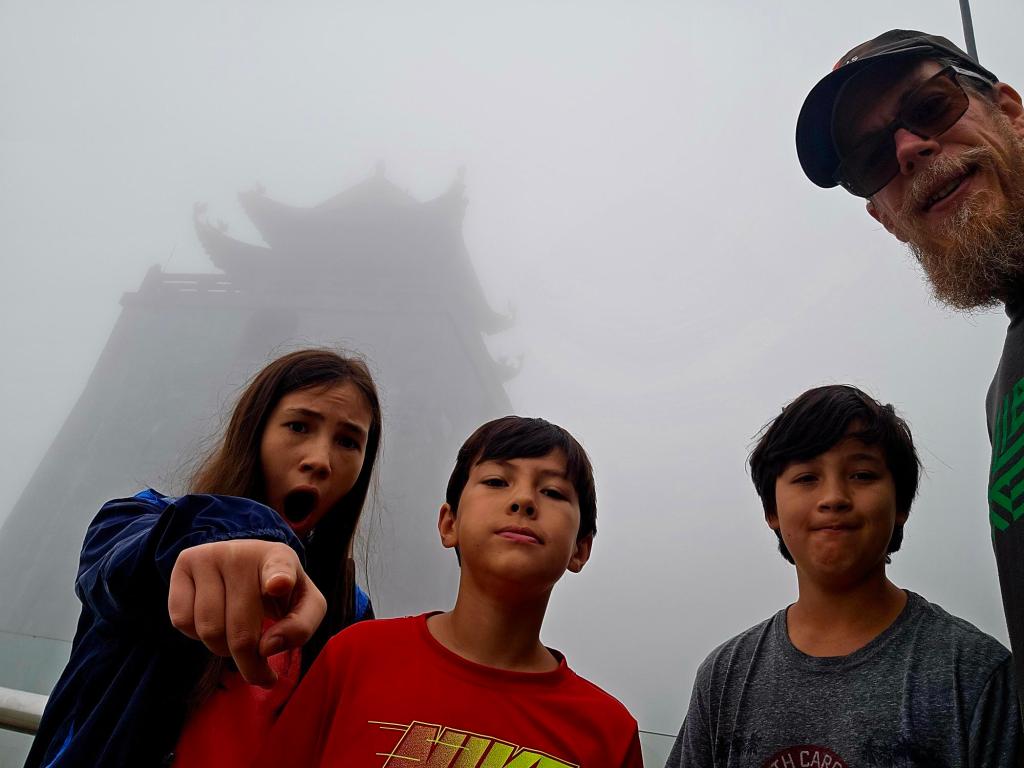
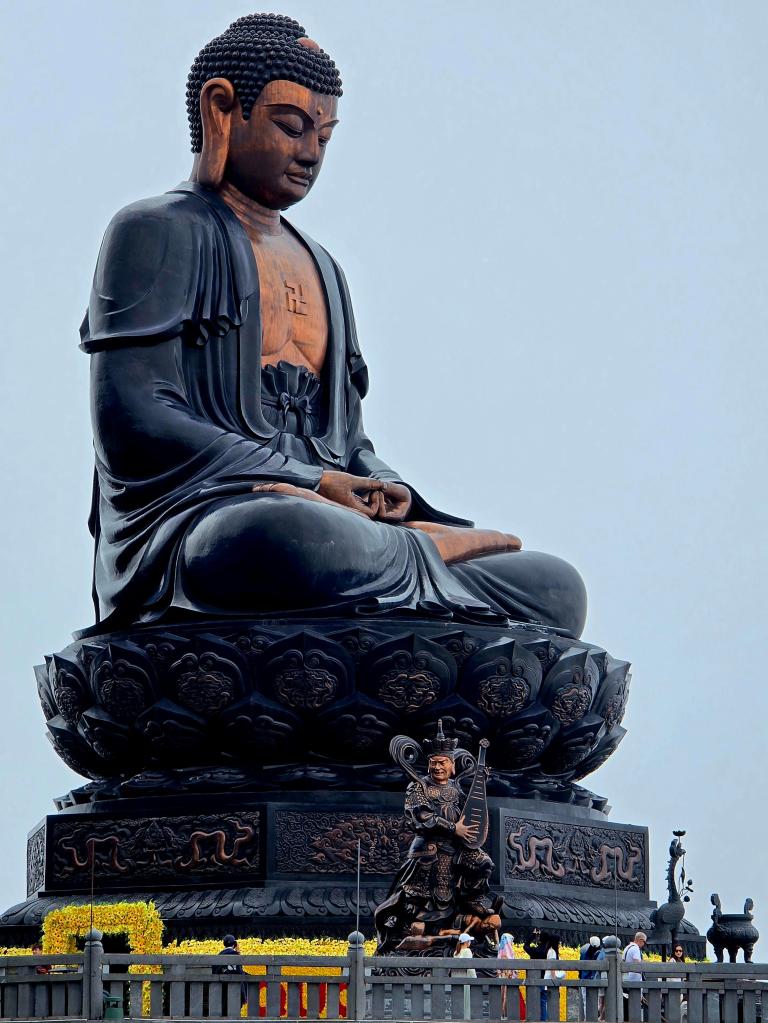
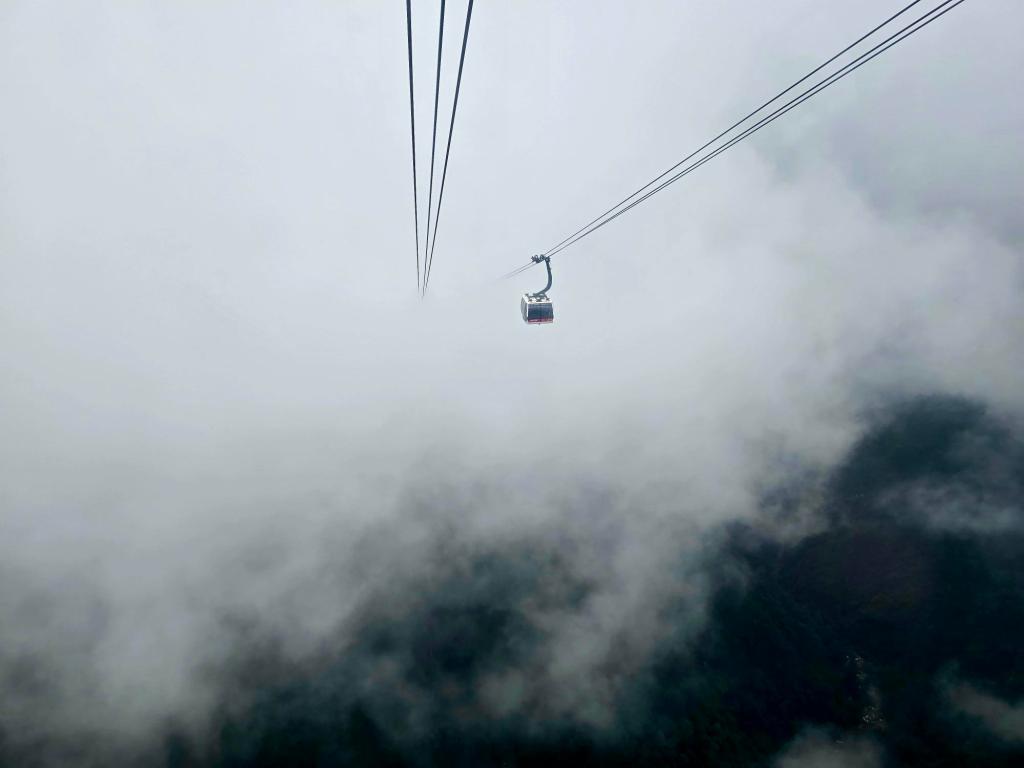
Another day was spent atop Fansipan. A massive new “old-style” temple complex now crowns the summit, and while it’s impressive to wander through, the real magic comes from watching clouds drift past at eye level and catching brief glimpses into the vast valley below when the clouds part. The gondola ride itself is an experience—soaring across the valley, climbing into the clouds, reemerging to reveal waterfalls far below as mist swirls around the cabins. We spent several hours on the roof of Indochina before riding back down, marveling at how different the experience is from the multi-day trek that once defined the ascent. Back at the terminal, we lingered another hour wandering through the beautifully landscaped gardens that now surround the area.
My favorite day, though, began with a taxi ride to a village about thirty minutes south, deep in the main valley. I had pulled up a hiking route on OutdoorActive and noticed comments mentioning a nearby guesthouse where guides could be found. Knowing how much richer the experience would be with someone who truly knew the area, we headed there instead.
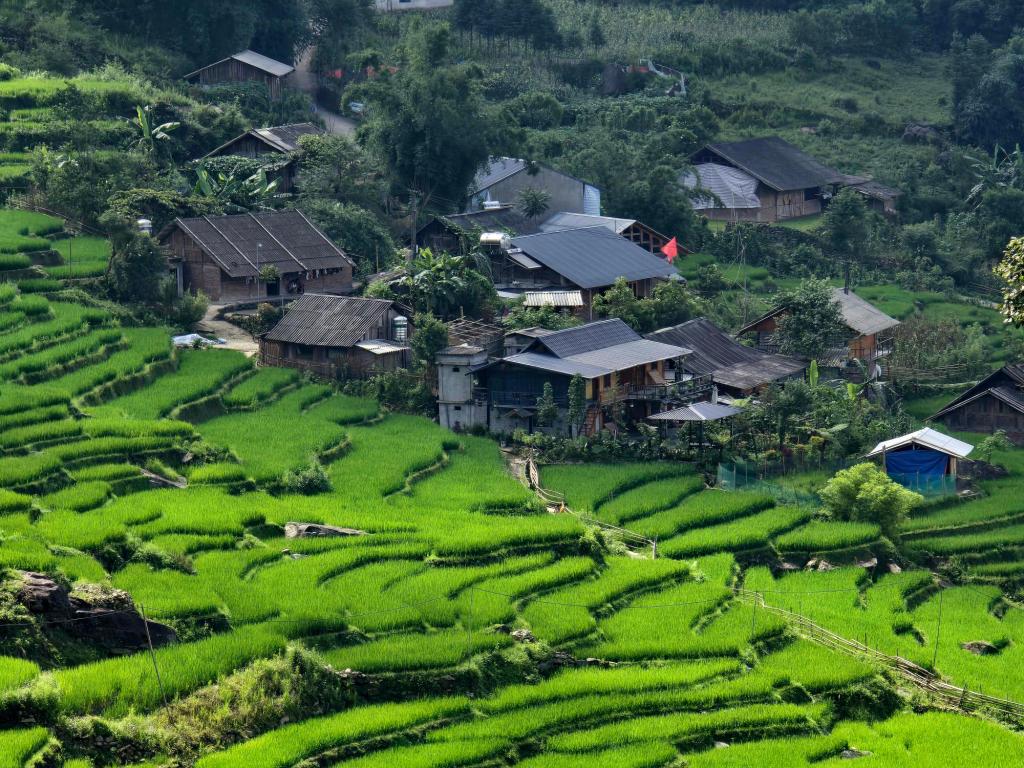
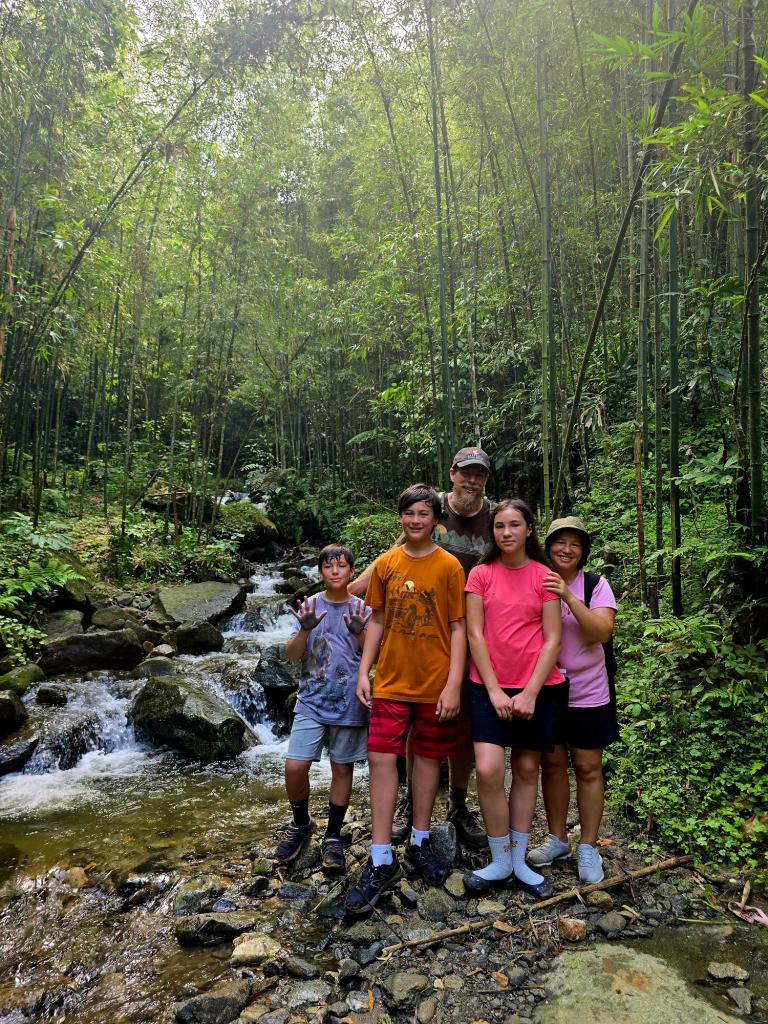
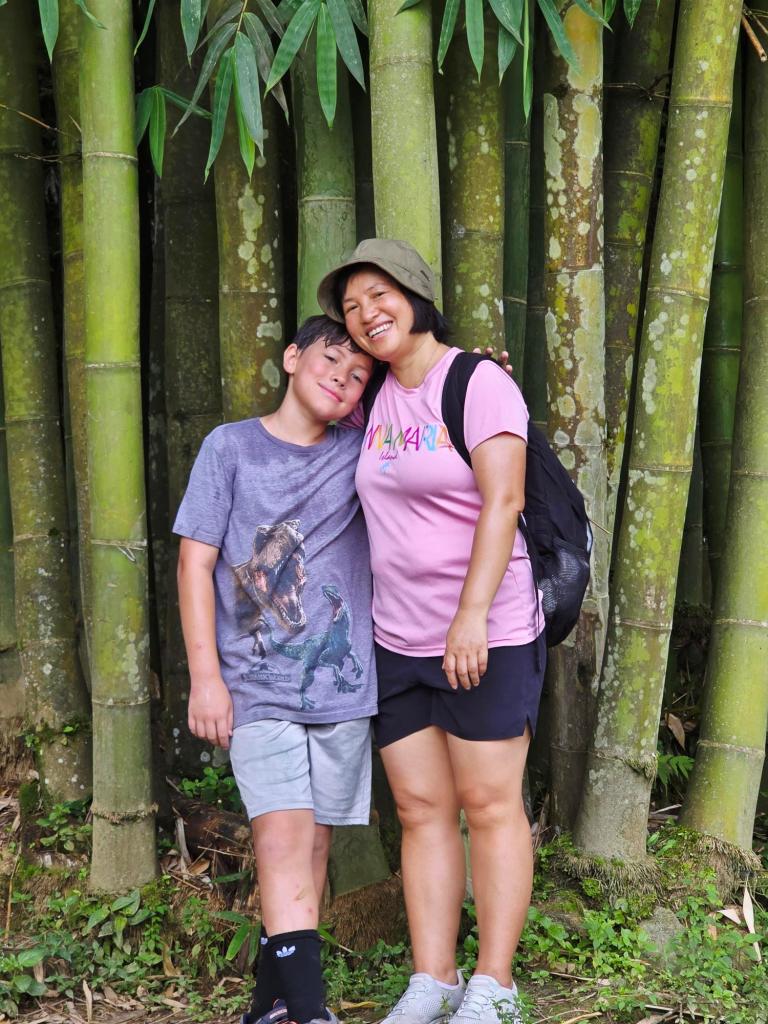
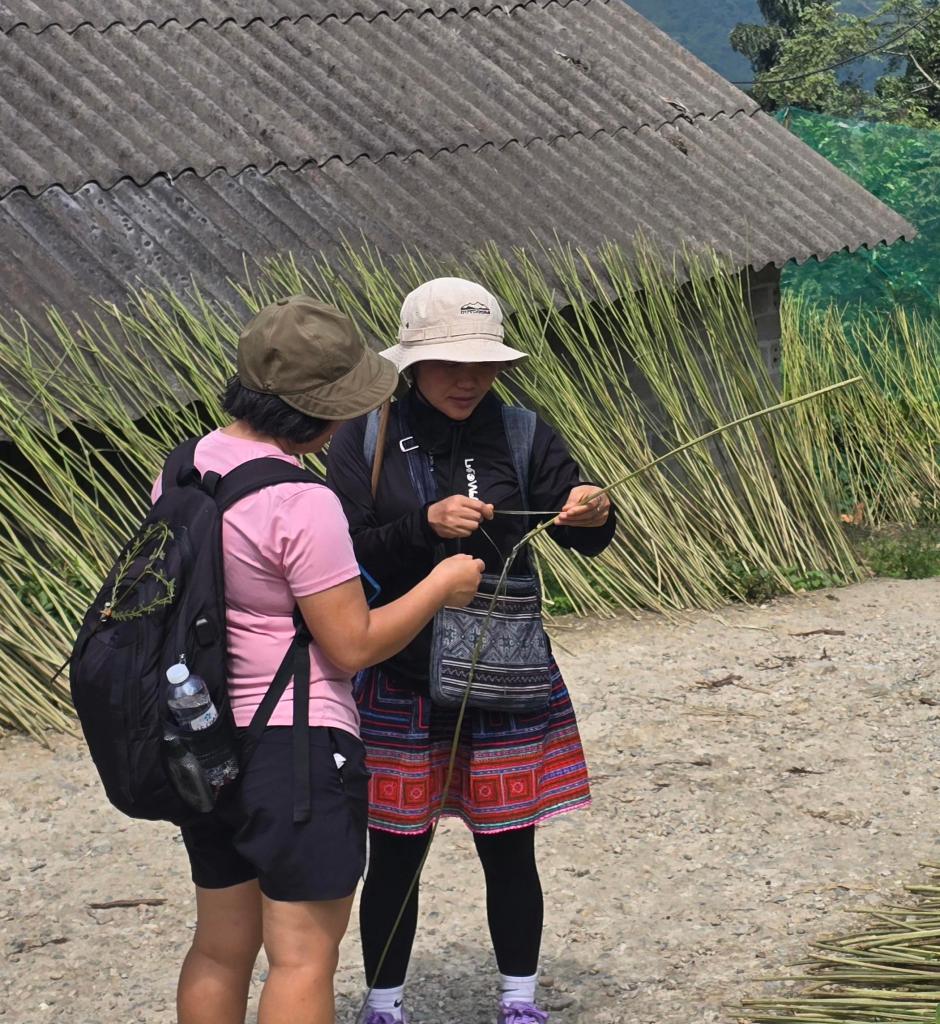
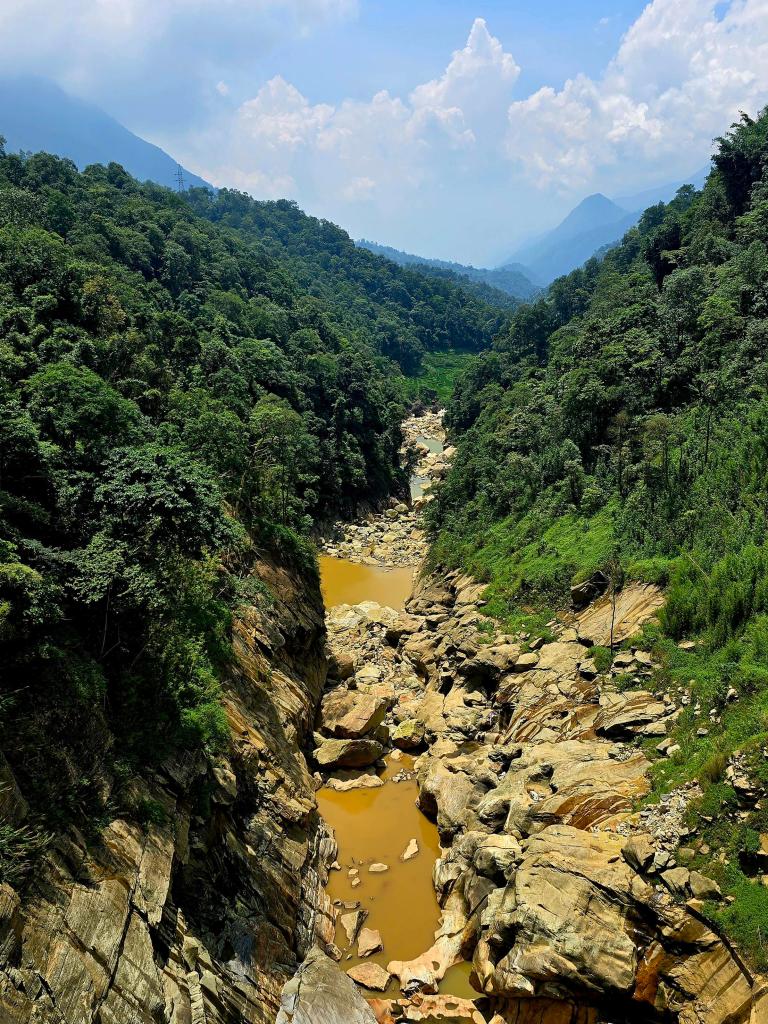
The owner was away, but we met her sister, Show, who agreed to take us on a full-day hike. We covered around twelve miles, hopping between villages, climbing through bamboo forests high above the valley floor, stopping for a swim beneath a waterfall, and learning about the communities we passed through along the way. Anyone planning a visit to Sa Pa should absolutely look her up on Instagram at @trekkingguideshowsapa—you won’t be disappointed.
After a final rest day, we headed back down the mountain and were dropped at the Friendship Bridge to cross into China. As we approached customs, I felt a familiar sense of dread. I had crossed here several times before, and every experience had been painfully slow. One time, border guards had taken books from my bag—apparently to be fully translated—while I waited in a holding area for hours.
We’d been told things were better now. They weren’t.
Three hours later, we finally crossed. My wife was pulled aside and questioned about why we had been in Xinjiang, despite it being obvious that we’d only passed through on a short layover. Some border crossings change with time. This one, apparently, still prefers patience.
Sa Pa has changed—there’s no denying that. Roads are wider, hotels taller, and mountains that once demanded days of effort can now be reached in minutes. But beneath that surface, the rhythm of life in the highlands feels remarkably intact. The villages still wake early, the trails still link homes instead of destinations, and the warmth of the people carries a depth that can only come from having seen the world change again and again. Standing there years later, with our family walking the same paths I once explored alone, Sa Pa reminded me that while access may be new, belonging is still earned the old way—step by step.


 Wise Clan in Stanland
Leave a reply to India Safaris Cancel reply