📍 Trail Stats📏 Distance: 3.9 miles
⬆️ Ascent: 2,805 ft
⬇️ Descent: 2,799 ft
⏱️ Total Time: 7h 9m
🚶 Time Moving: 3h 29m
🏔️ High Point: 10,312 ft
📉 Low Point: 7,507 ft
⚡ Difficulty: Moderate–Hard (steep terrain + snow conditions)
📅 Date Hiked: June 15, 2025
📌 Route Type: Out & Back
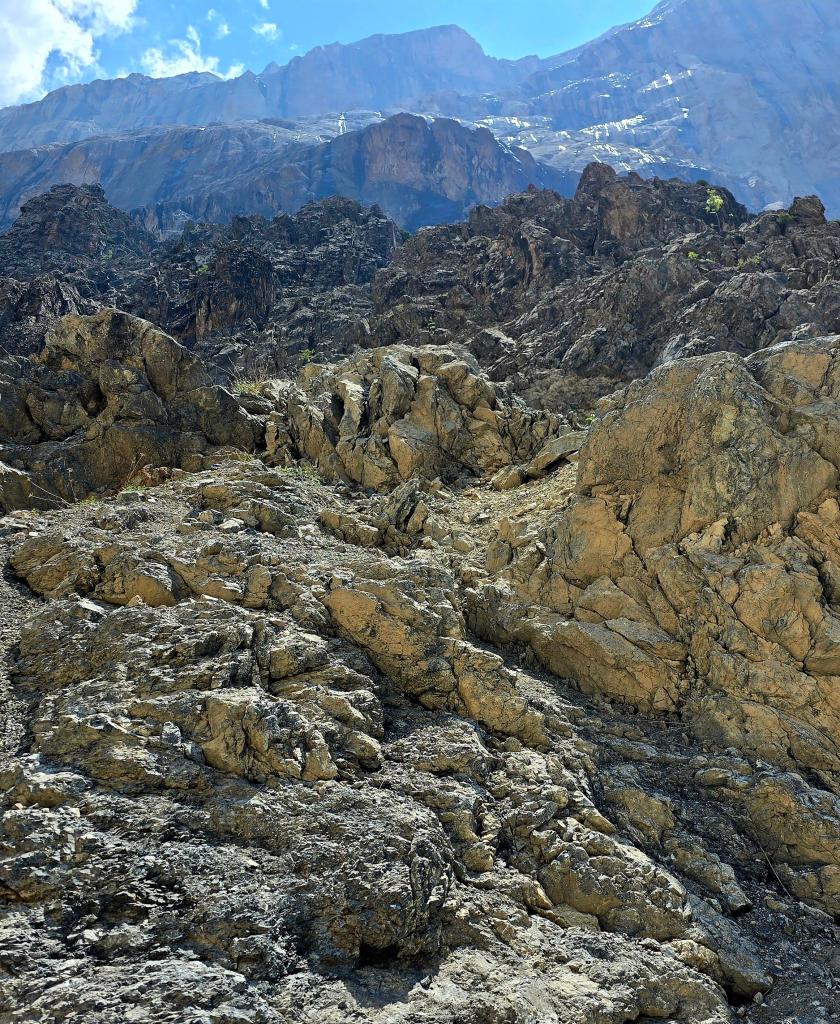
Some hikes stick out a little more than others. Last June, I set out on such a hike with a group of friends. We left Dushanbe on a Friday evening after work, driving up through the Varzob Valley and into the Anzob tunnel. Five kilometers later, we popped out the other side and dropped down the mountain through a long series of switchbacks. At the bottom, the road hits a T-intersection—left takes you toward Iskanderkul, Khujand, and Panjakent. Right disappears into a place that feels like it’s been left off the map. We turned right.
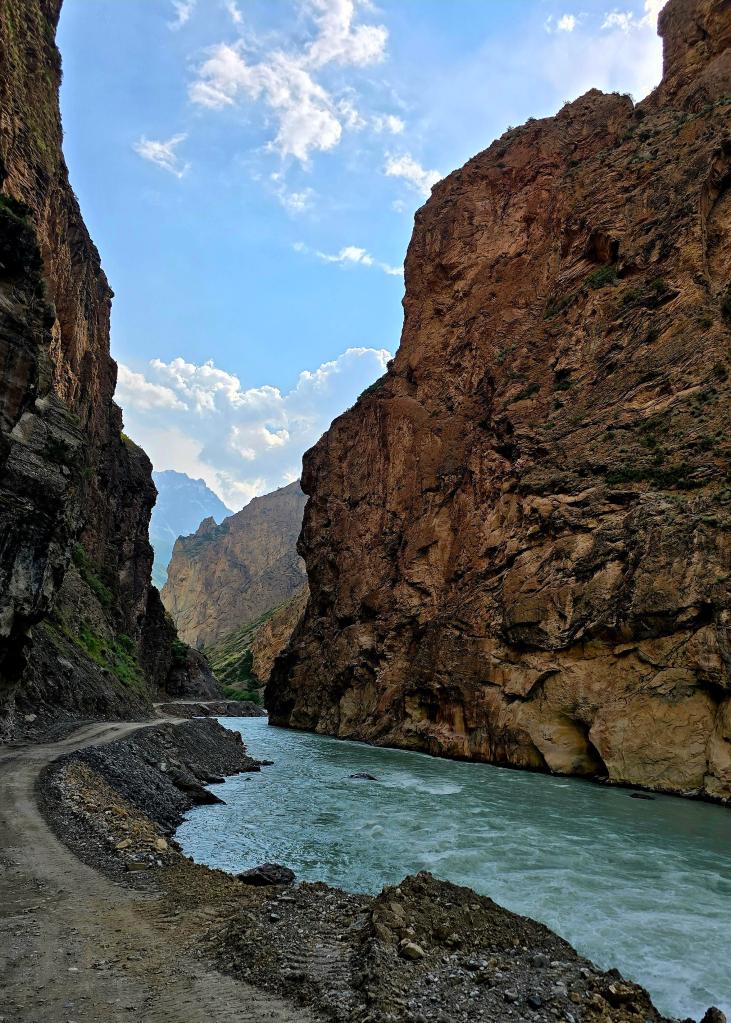
The road immediately turned to dirt and began tracing the river upstream, alternating between tight canyon walls and wider valleys. It’s a rough track in places, hugging the edge of the water, and the further you go, the more it feels like you’re slipping away from everything. About halfway in, we passed a small hydroelectric plant tucked into the canyon. Beyond that, the valley tightened again, the walls rising steep and high above us, the river cutting its way through the rock like it always has.
We eventually pulled into a small village where our buddy Dominik had stayed on a previous trip. We found the same little house and chaihana, chatted with the owner, negotiated a price, and before long we were sitting down to a big dinner of plov and roasted lamb. After clearing the tables, we spread out mats across the floor. A permanently open window let the sound of the river drift in from below.
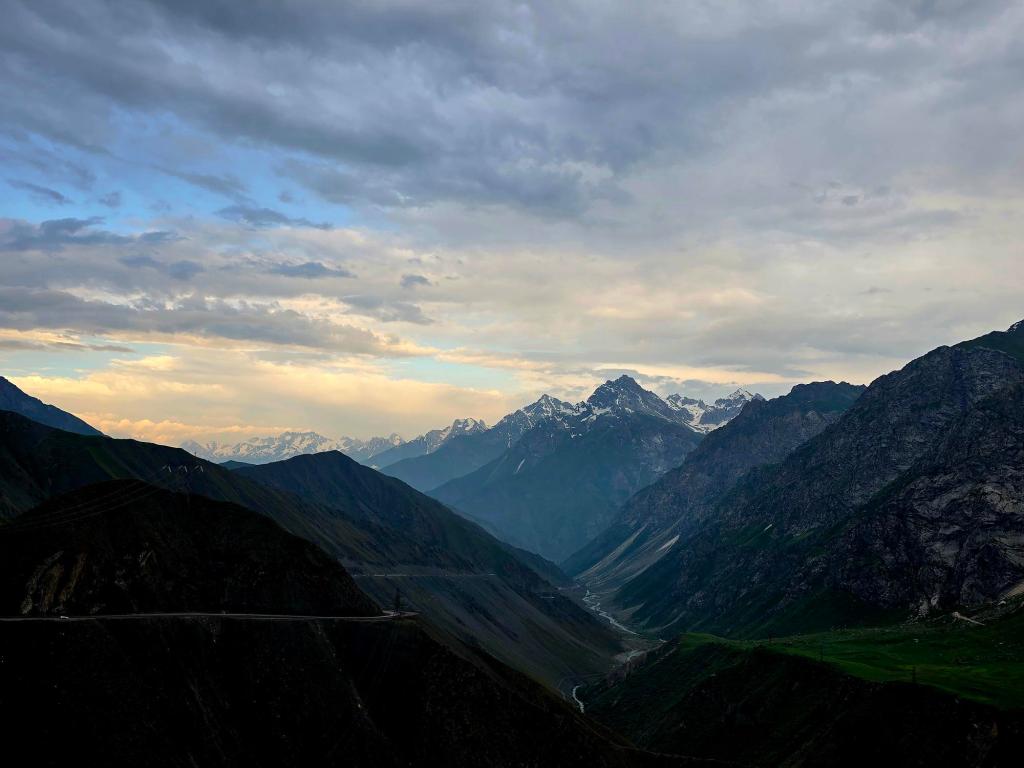
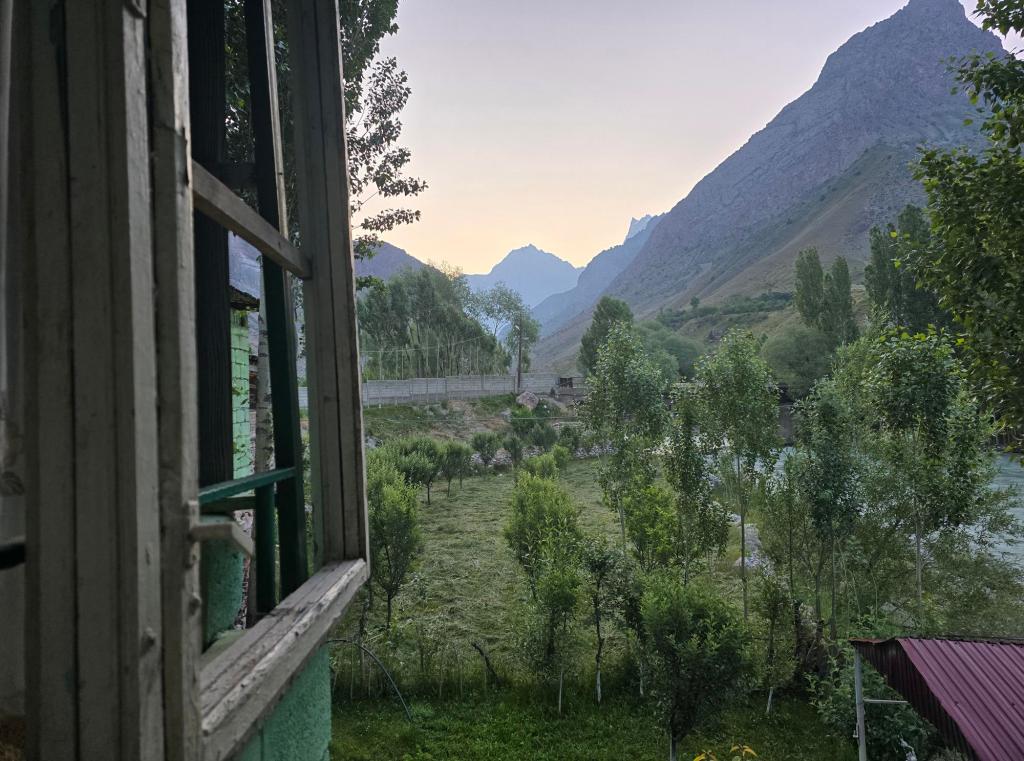
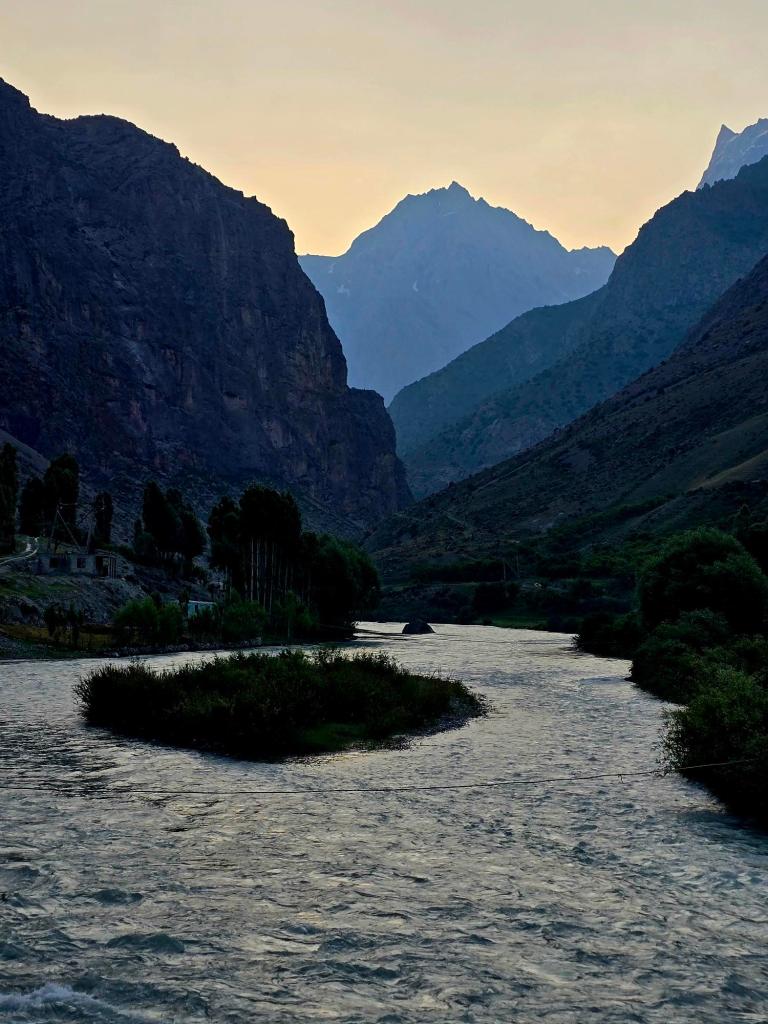
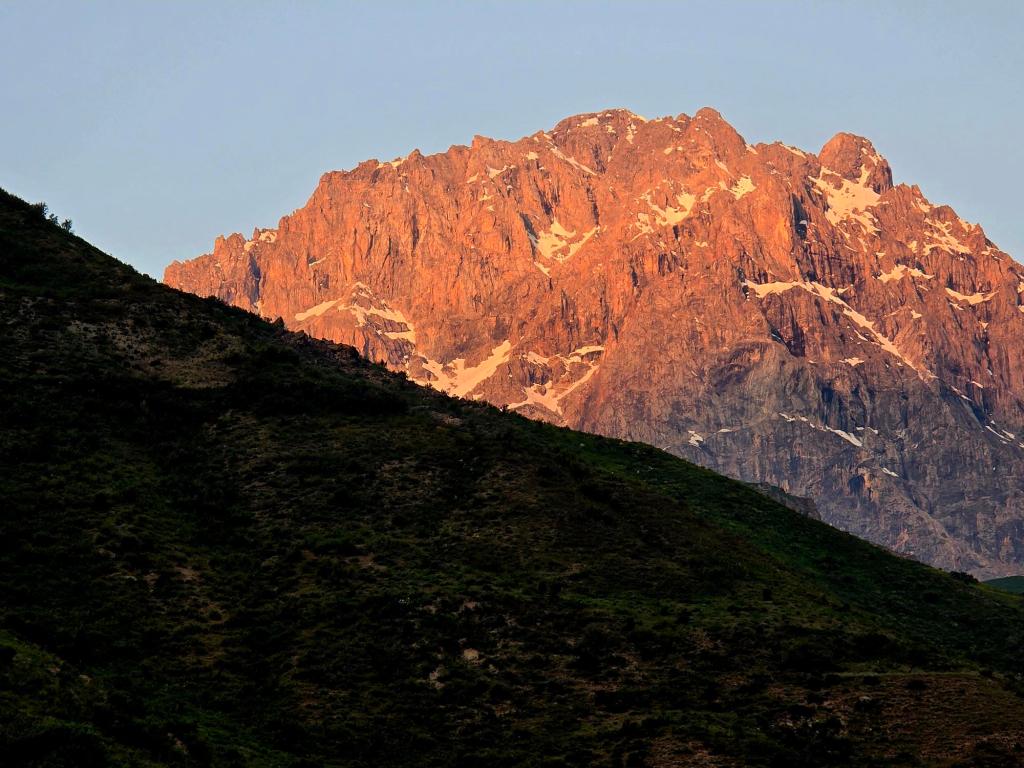
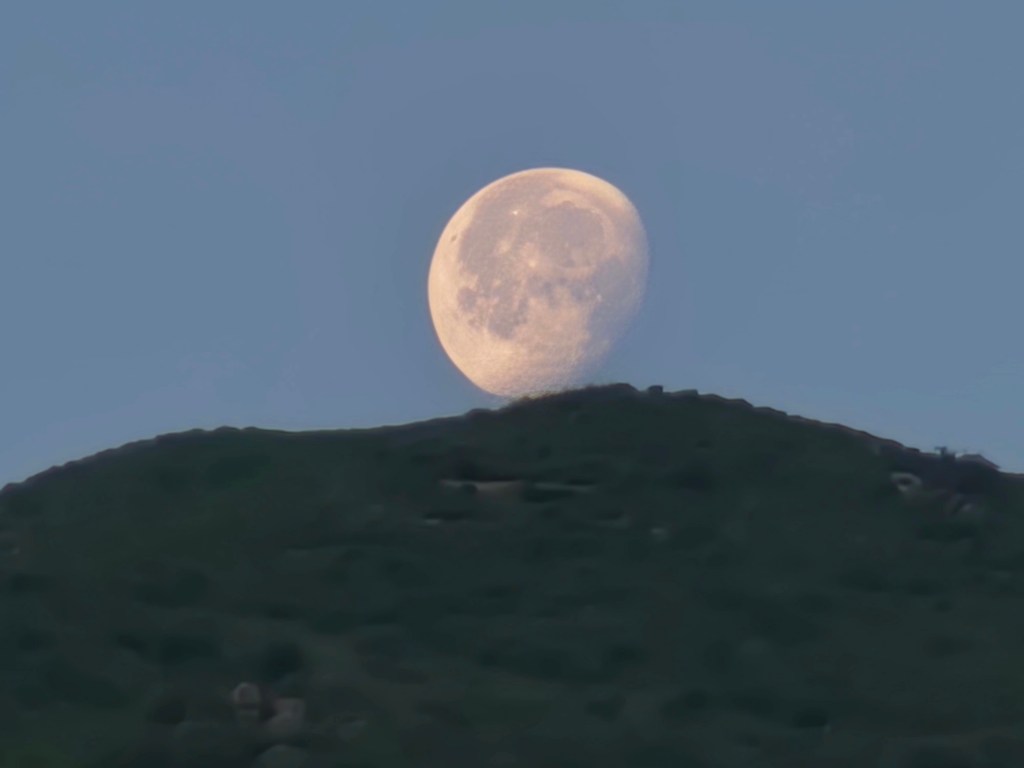
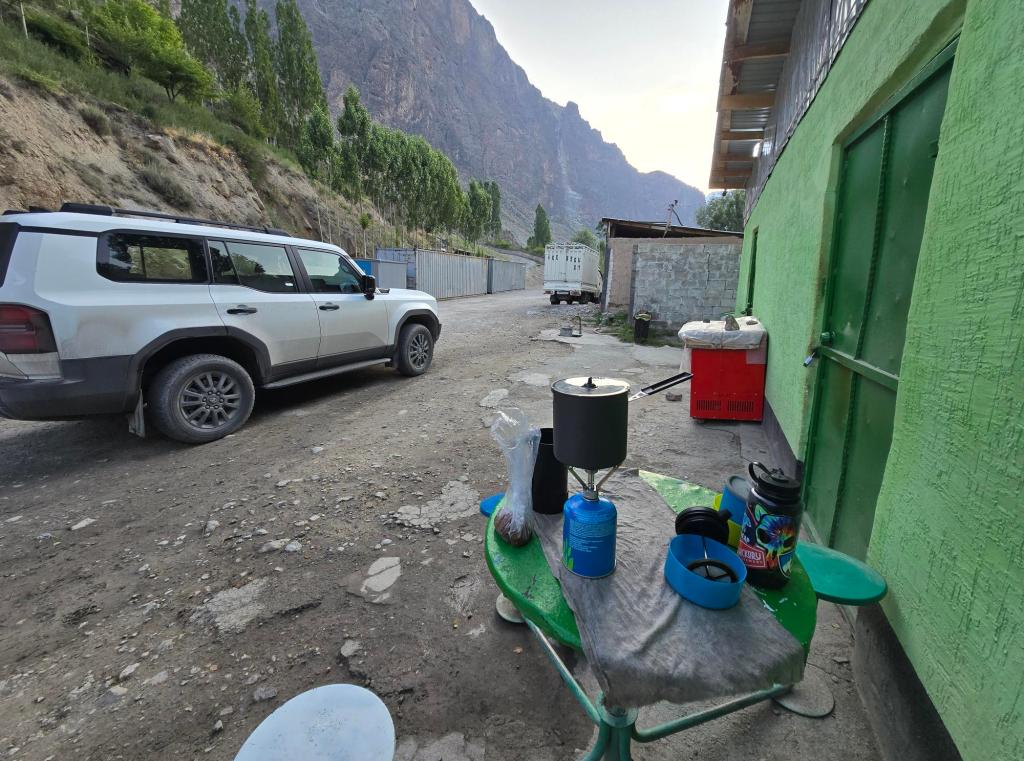
At some point the Tribit speaker came out, along with a deck of cards, and just like that, a quiet night in a remote mountain village turned into a small, low-key party. It didn’t go too late though—we had plans to be up with the sun. The next morning, I stood outside making French press coffee as the first light crept into the narrow valley. A nearly full moon still hung over the ridgeline across the river. Everything about it felt right.
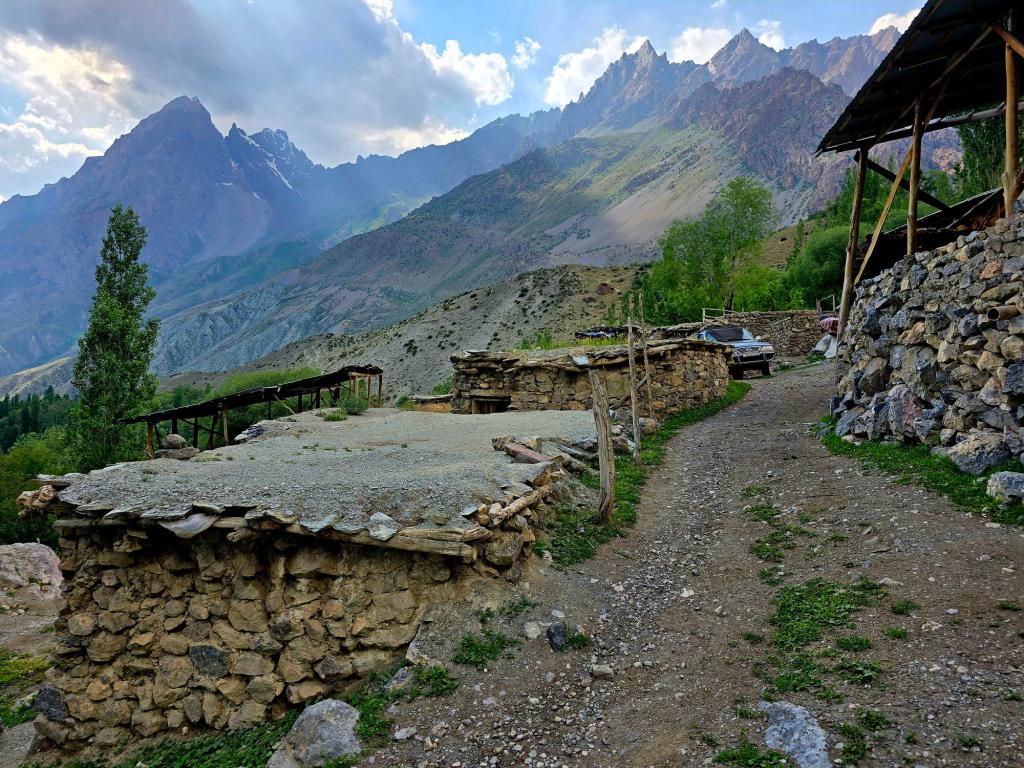
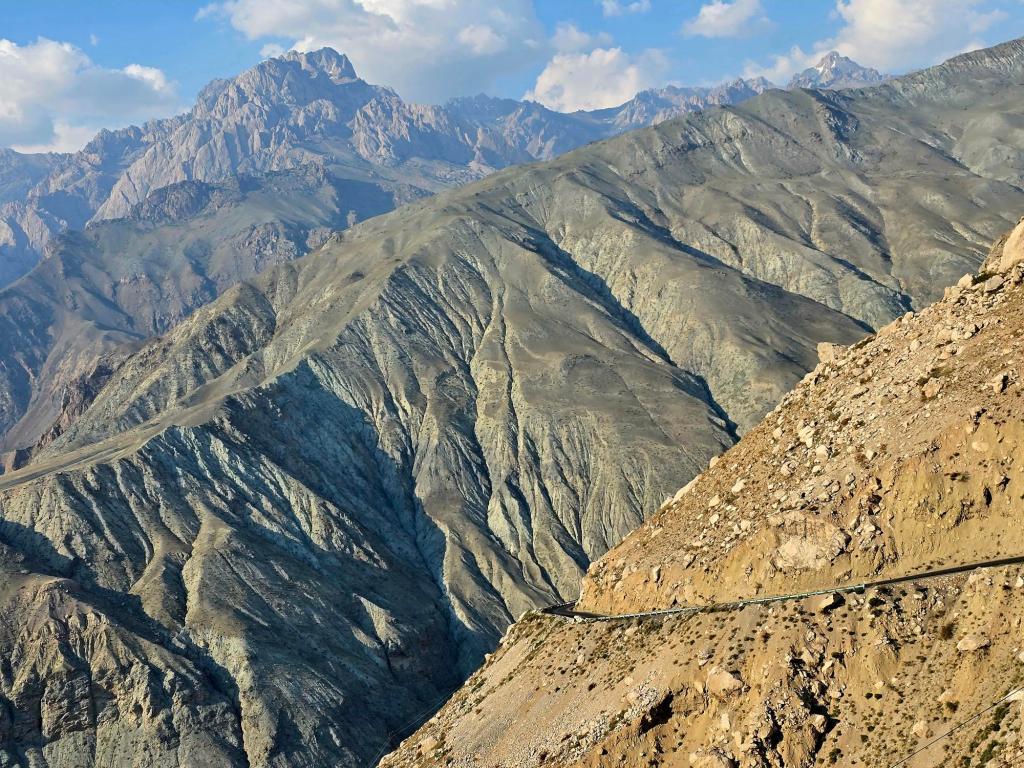
After a breakfast of fried eggs, we said our goodbyes and drove deeper into the valley. We crossed a narrow, sketchy bridge at one point, the river thundering beneath us, and waited while some construction vehicles cleared the way. Another hour in, we reached what looked like the last village before the road gave up entirely. Beyond that, the valley continues on foot—small settlements scattered far upstream, cut off for much of the year.
It’s hard to overstate how remote this place is. The valley is home to the Yaghnobi people, a small group whose language is one of the last living descendants of Sogdian—the language spoken across much of Central Asia during the time of Alexander the Great. When he passed through this region over two thousand years ago, the sounds of conversation in valleys like this wouldn’t have been all that different from what you’d hear today. Only a few thousand people still speak it.
In the 1970s, the Soviet government forcibly relocated much of the population out of this valley and into the lowland cotton fields. Many never returned. Some did. The villages that remain today are part abandonment, part return—places that were nearly erased and then slowly reclaimed. Driving into the Yagnob Valley feels less like visiting somewhere new and more like stepping into something that somehow never fully left the past behind.
We parked at the upper edge of the village and asked a nearby family if it was alright to leave the car for the day. The mountain rose directly above us, and we started gaining elevation immediately. There was no easing into it—just straight into the climb. It stayed steep the entire way, the scenery opening up more with every step.
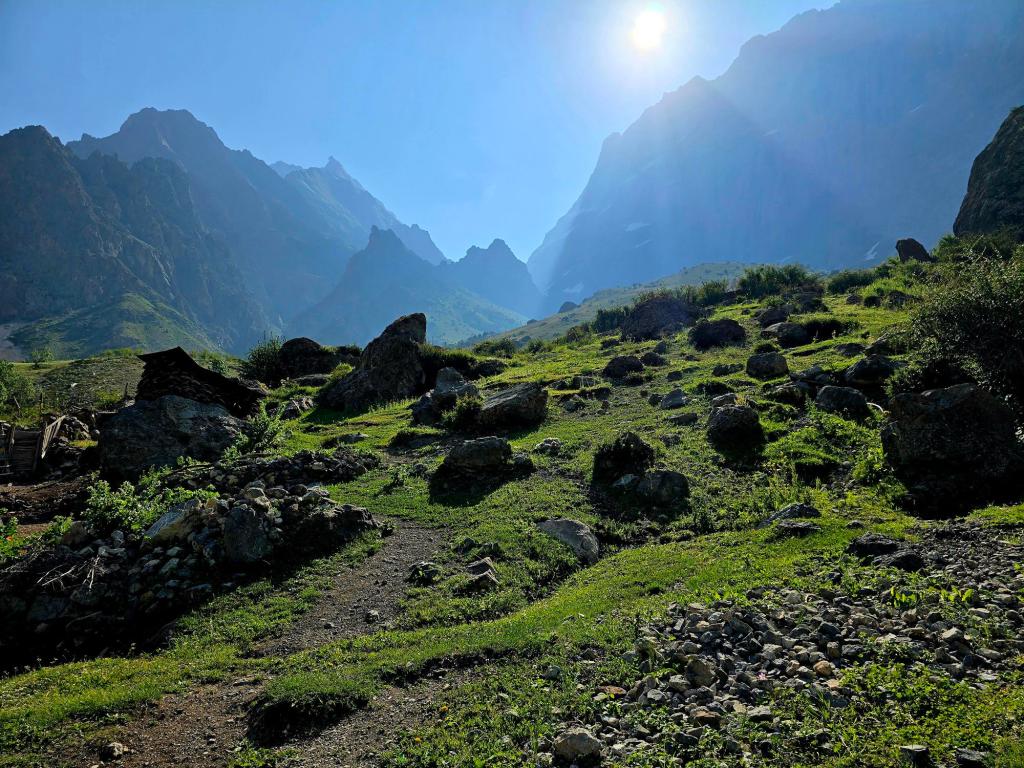
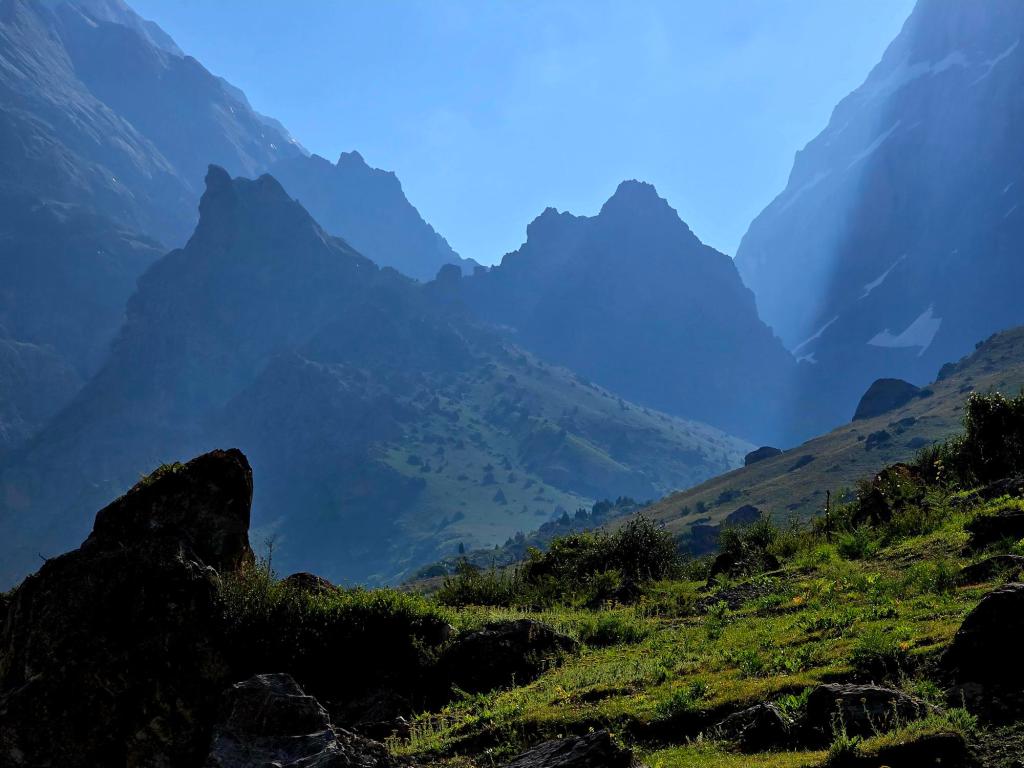
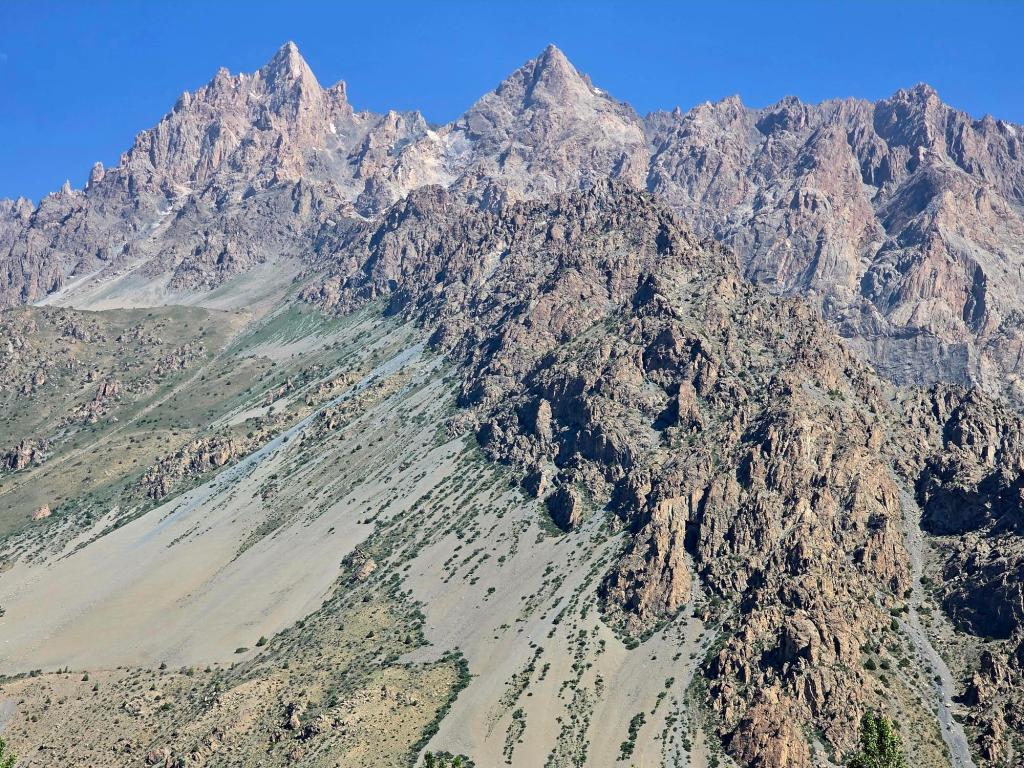
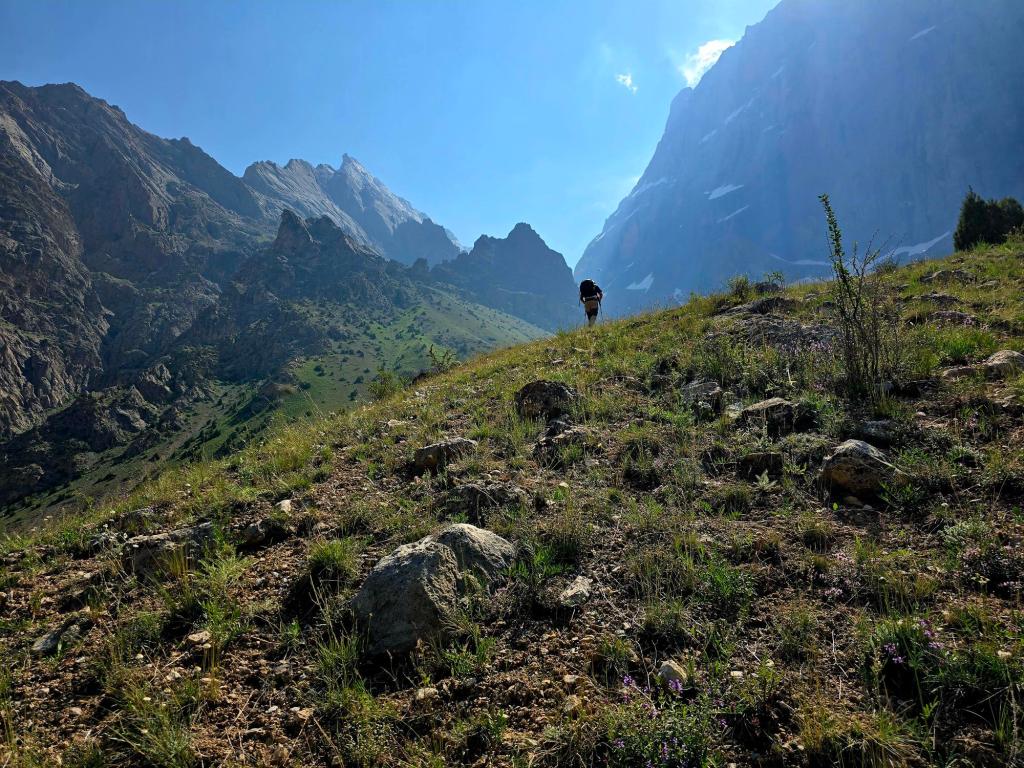
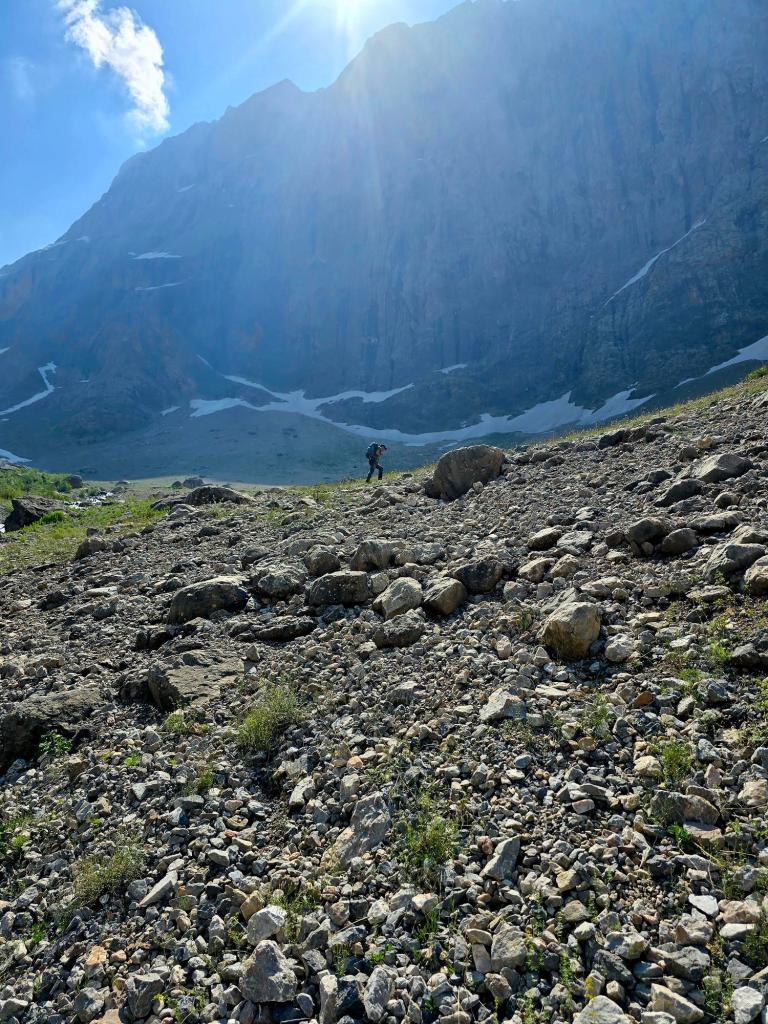
For the first thousand vertical feet, we were nearly driven crazy by gnats and flies. It felt like we were going to be swatting our way through the entire hike. Then, just like that, they disappeared. By mid-morning, with the sun higher and the elevation gained, it was like stepping into a completely different world.
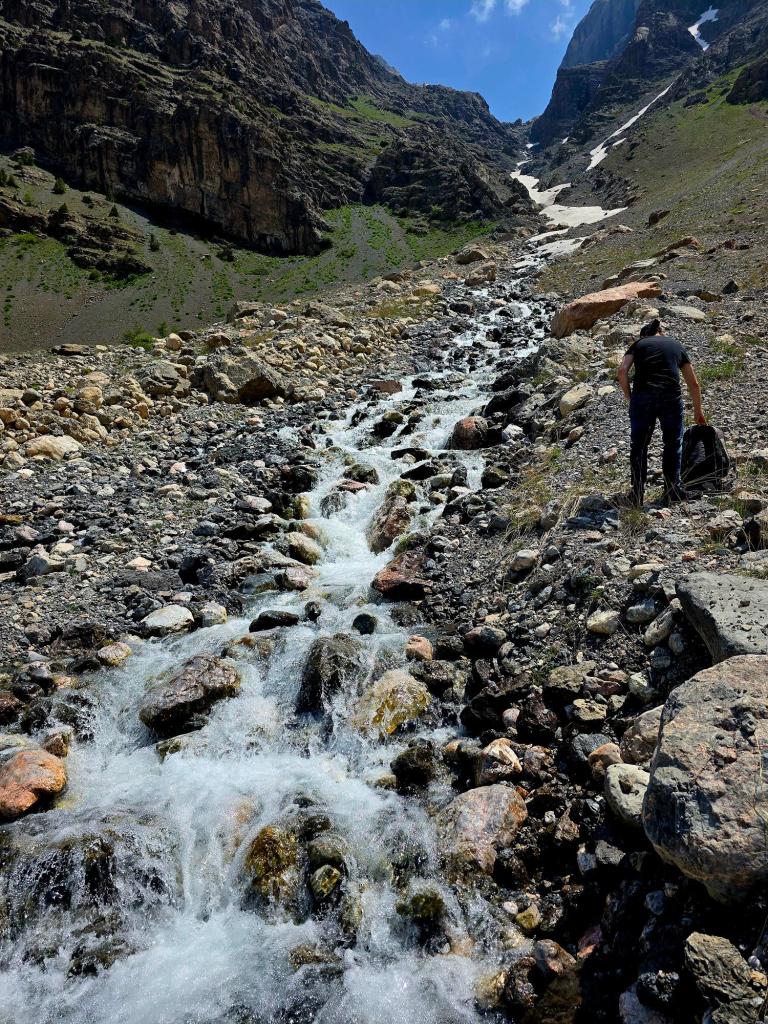
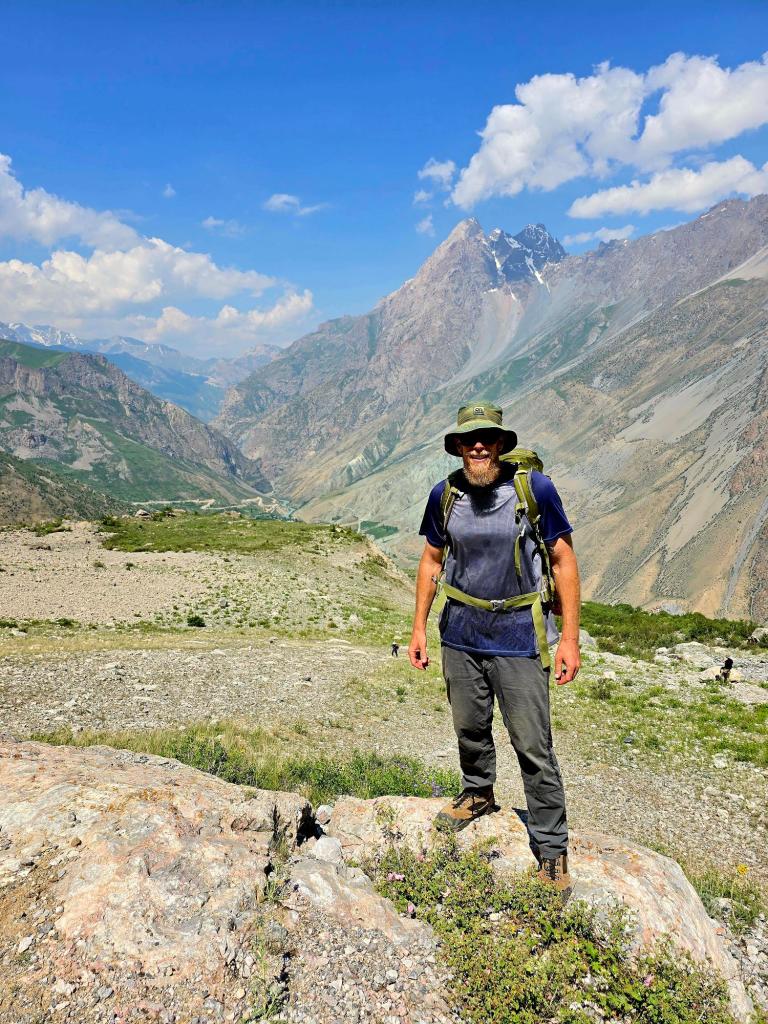
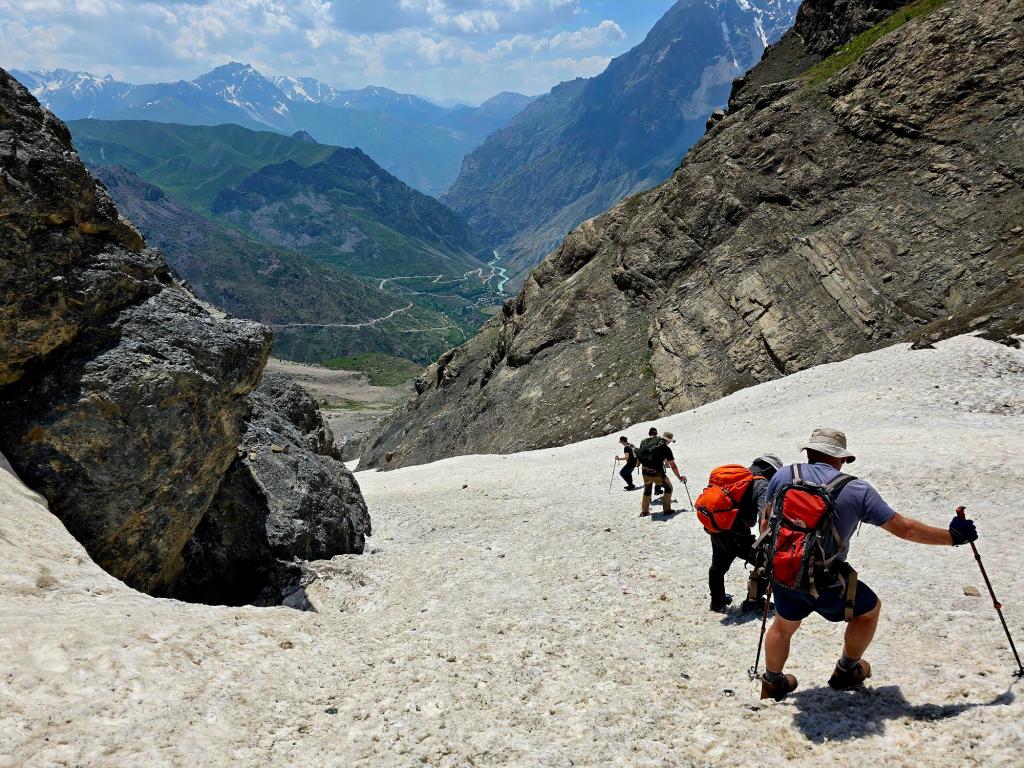
Not long after that, the gorge we were following narrowed. A small river ran down through it, and the ground ahead was covered in snow from wall to wall. Most of us hadn’t brought crampons, and our pace slowed immediately. The steepness didn’t let up, and now we were moving across hard-packed snow, with water running beneath it in places.
We worked our way upward in slow, deliberate switchbacks, kicking steps where we could, testing each section as we went. Every so often we’d find a stretch of exposed rock and take a break before dropping back onto the snow again. It was clear we were moving through that in-between season—where winter hadn’t fully let go yet, but summer had already taken hold down below.
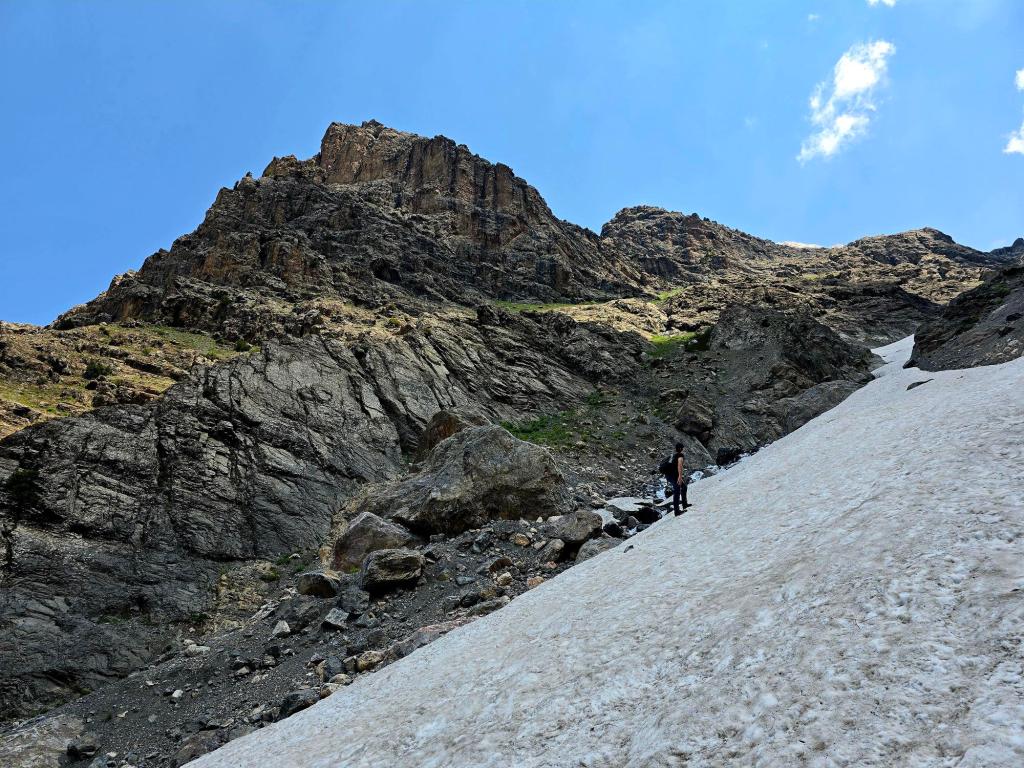
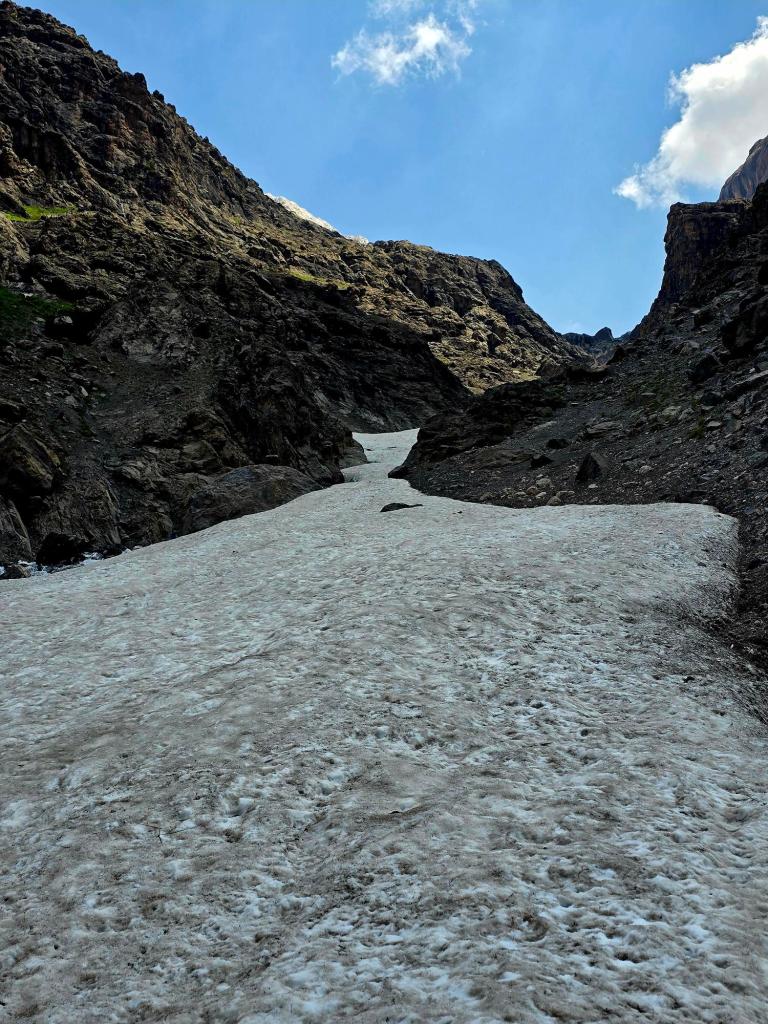
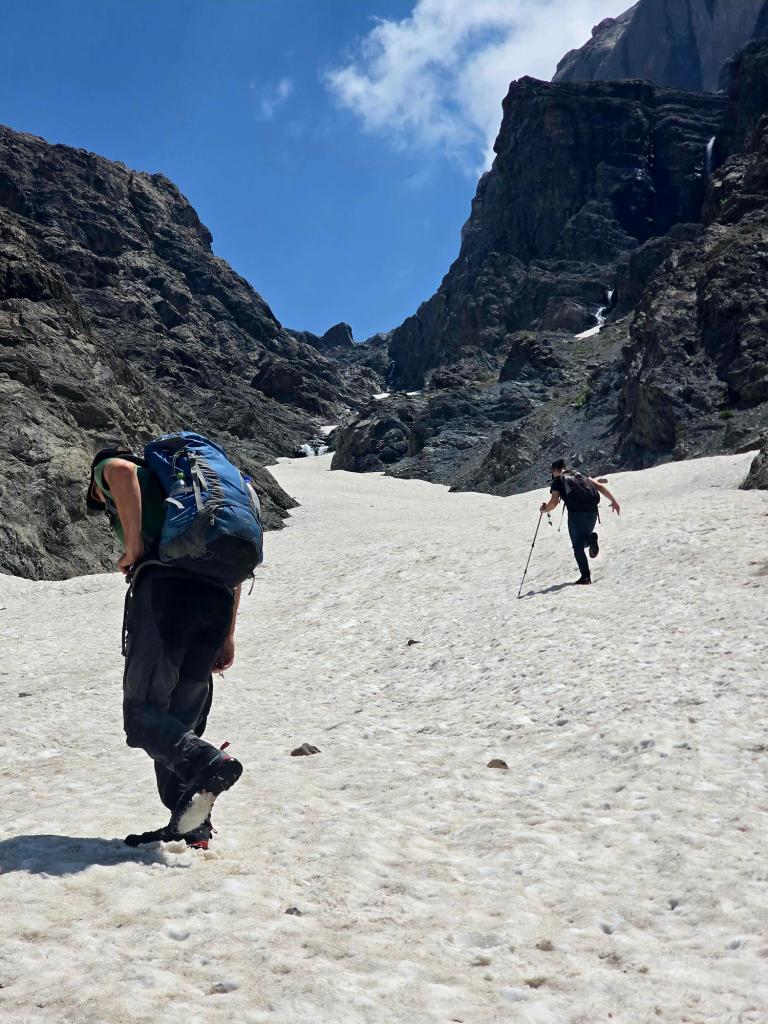
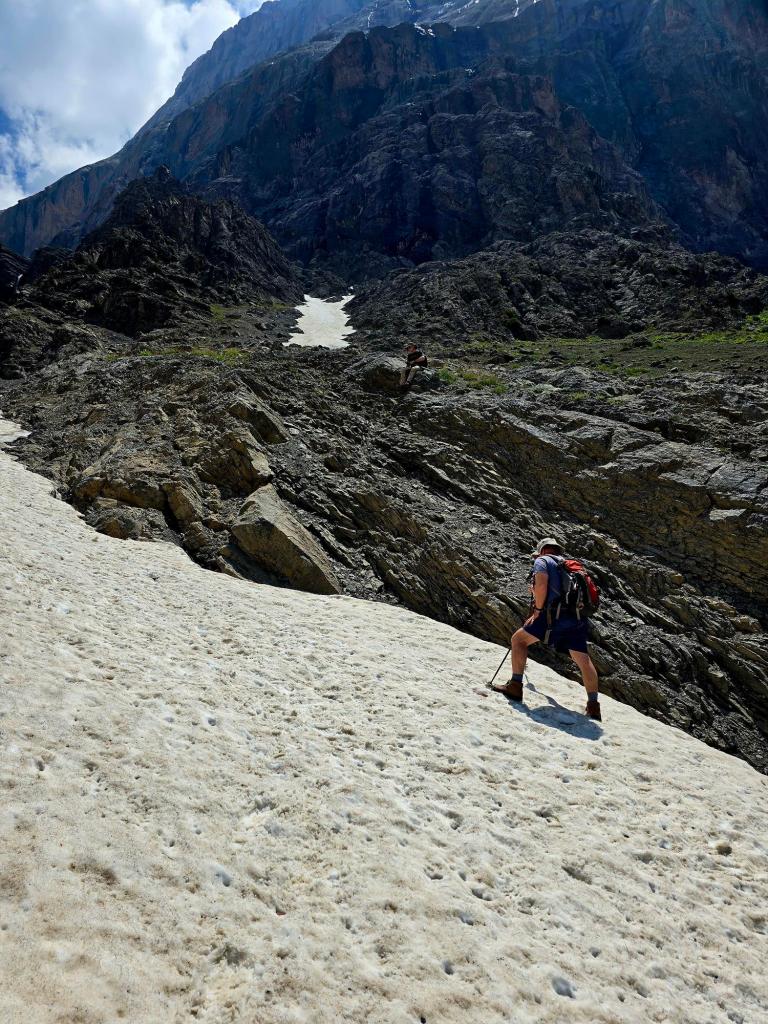
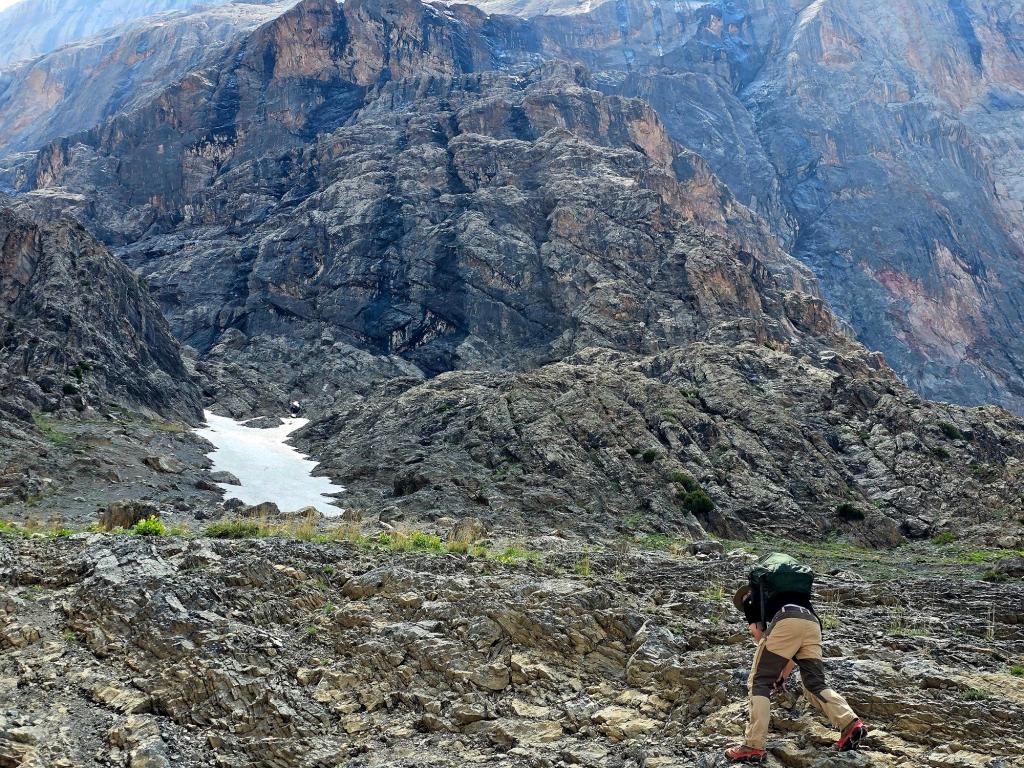
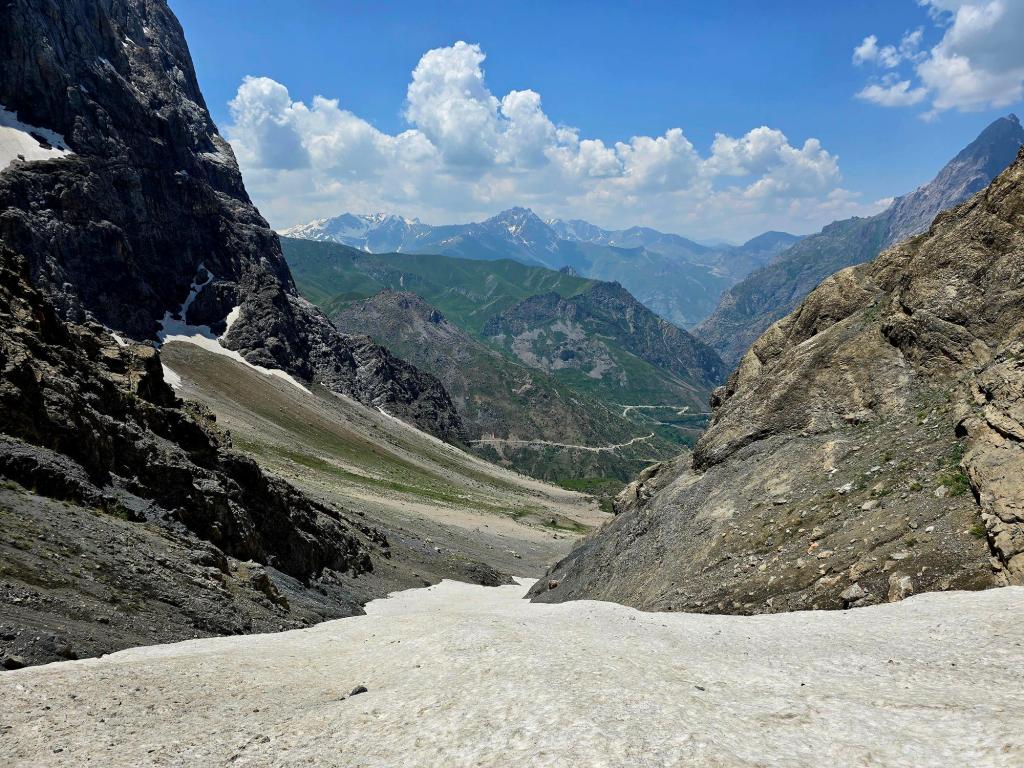
By the time we reached around the two-mile mark, it was obvious we weren’t going to make the top that day. It would’ve taken more time—and probably a night up high—to do it safely. We sent the drone up through the canyon that cut over the ridge, and what we saw only made us want to come back even more.
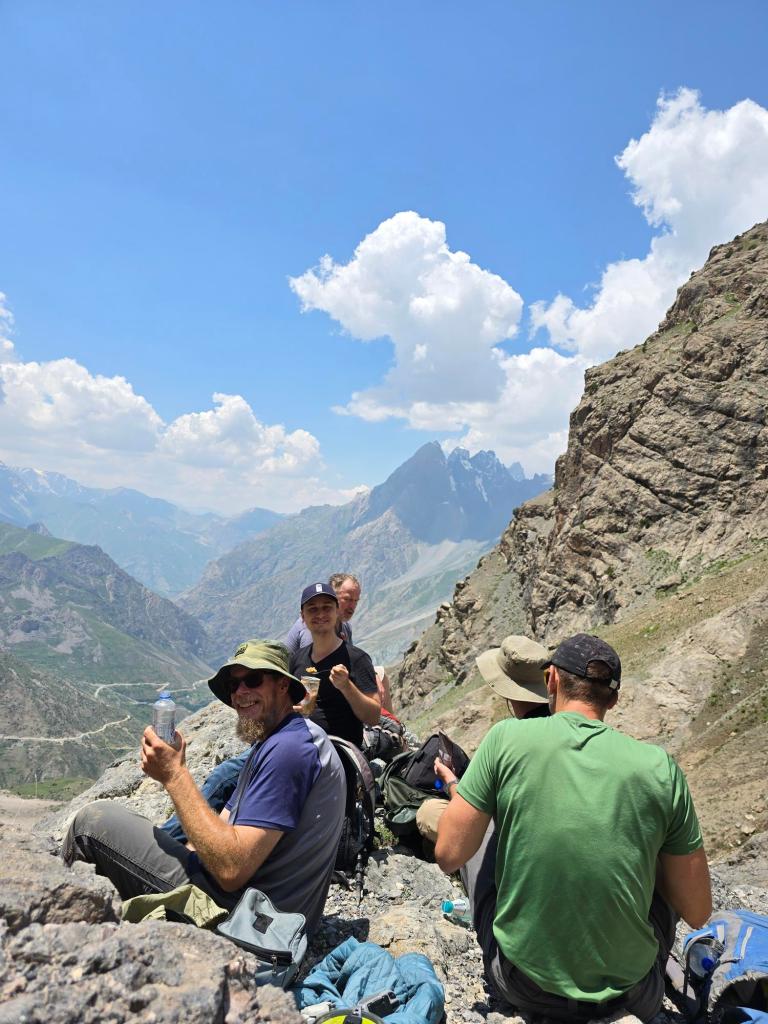
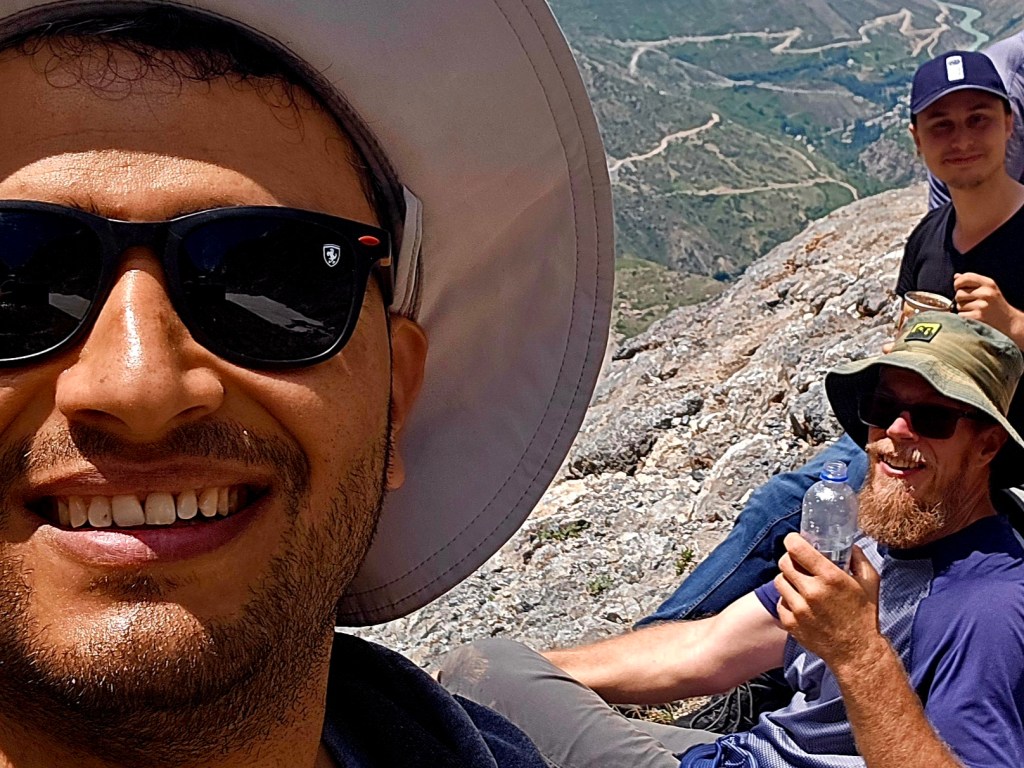
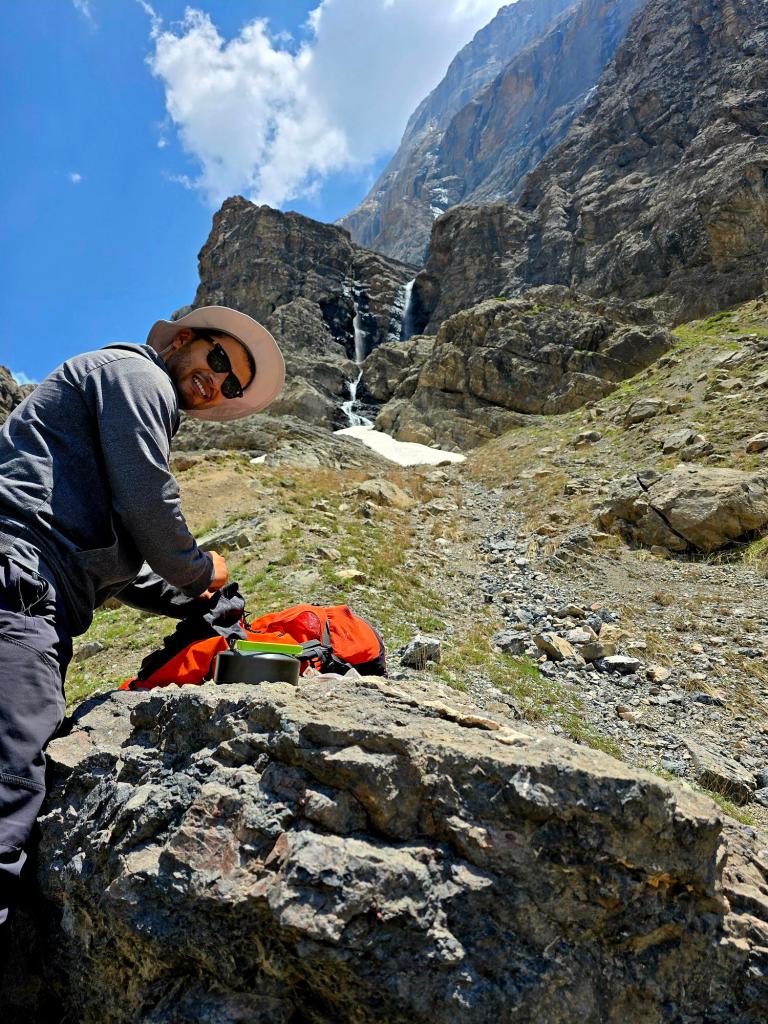
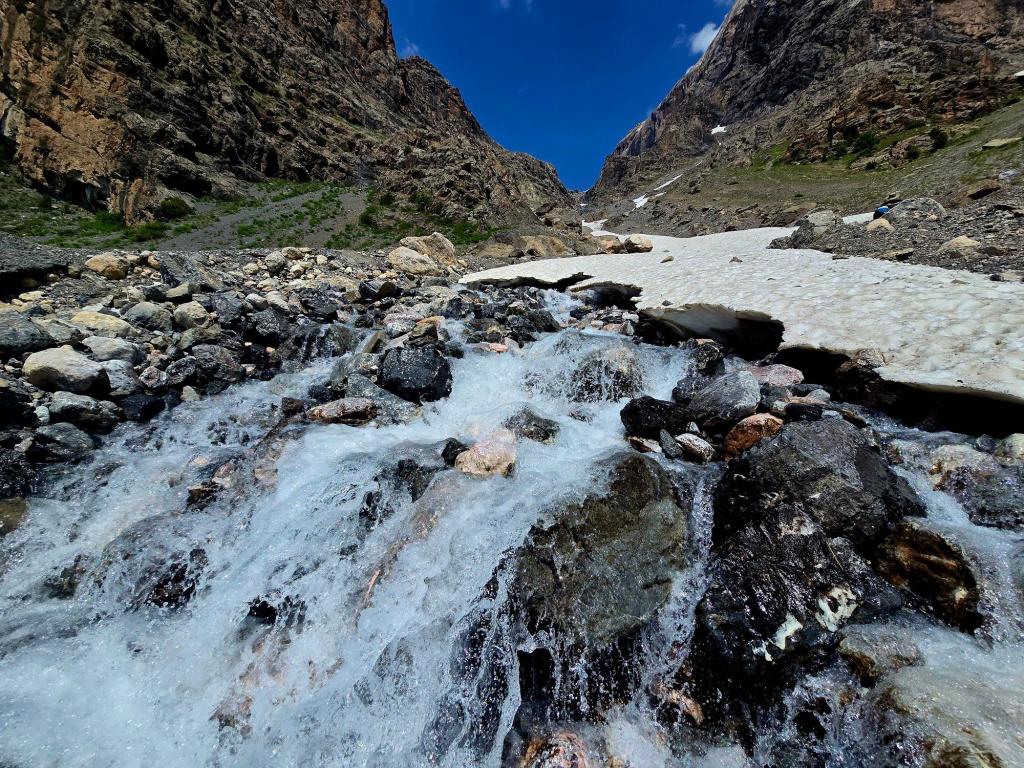
We stopped for lunch where we were, waterfalls spilling down nearby and massive walls rising straight up above us. After eating, a few of us decided to push just a little further up the gorge.
I didn’t make it far.
Maybe ten or fifteen feet onto the next section of snow, I stepped onto a patch of ice and instantly lost my footing. Both feet shot out from under me and I was on my back, sliding headfirst down the slope. There was no stopping it. I picked up speed quickly, heading straight toward a small drop-off where the snow bridged over the river.
Right before I reached it, the entire snow bridge let out a sharp popping sound and collapsed beneath me.
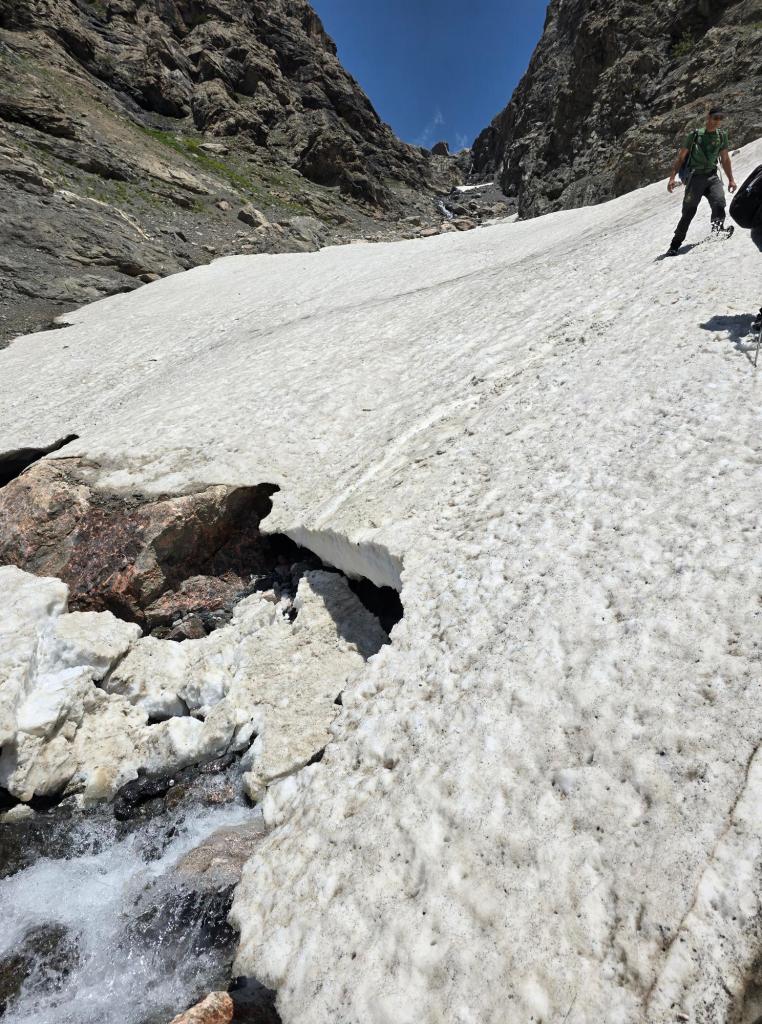
It spun me just enough to flip my feet over, and instead of going in headfirst, I tumbled sideways into the creek. Ice-cold water, moving fast. I was up and out of it in seconds, more shocked than anything, just grateful I hadn’t smashed my head on the rocks below.
That was enough. Whatever curiosity I had about what was further up the gorge was gone. The others didn’t feel the need to keep pushing either.
The descent demanded just as much focus. The same steep snow that had slowed us on the way up now required careful footing all the way down. In a few sections, we pulled out our sleeping pads and slid, covering ground much faster—but most of it was slow, controlled movement, fully aware now of how quickly things could get out of hand.
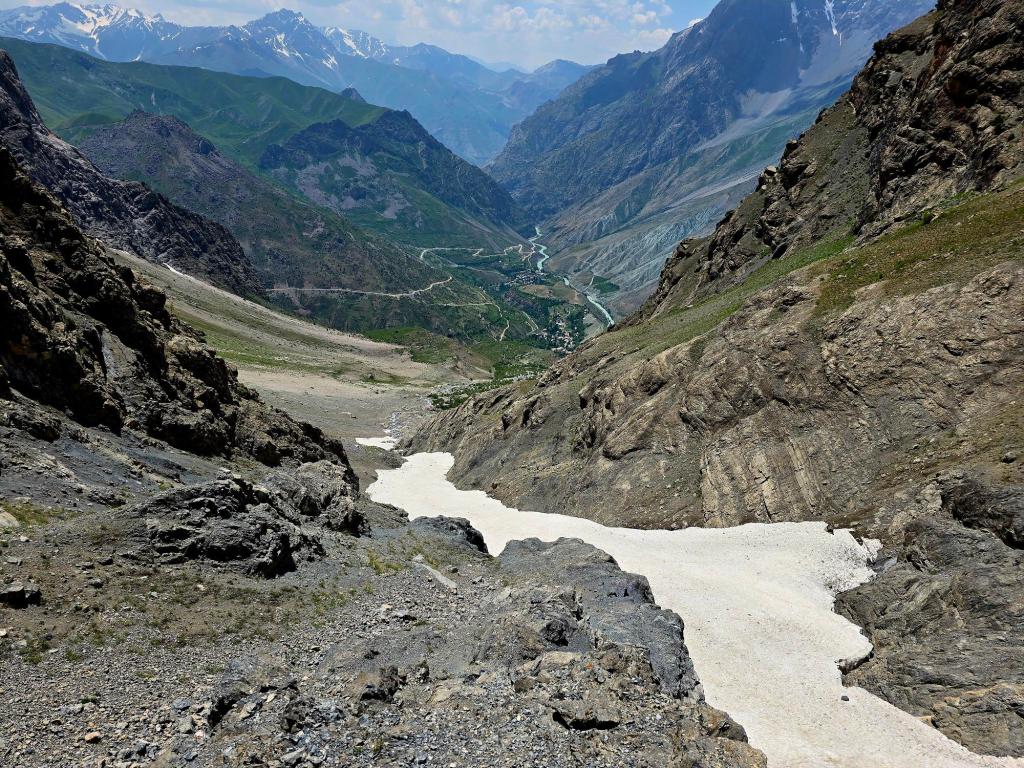
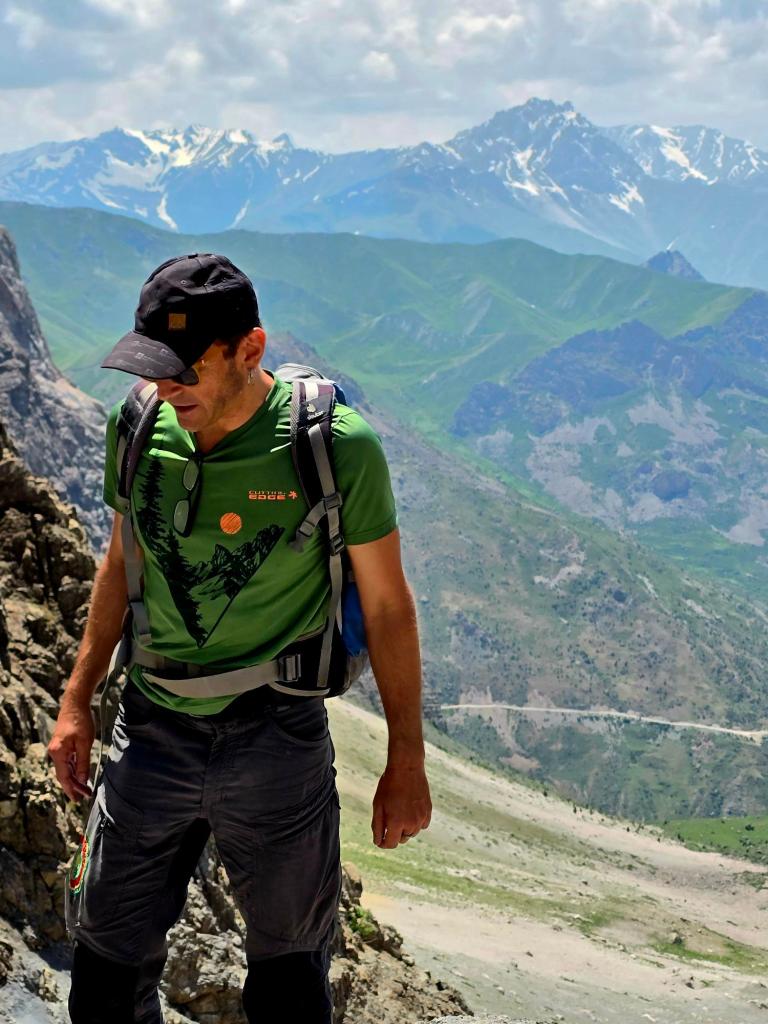
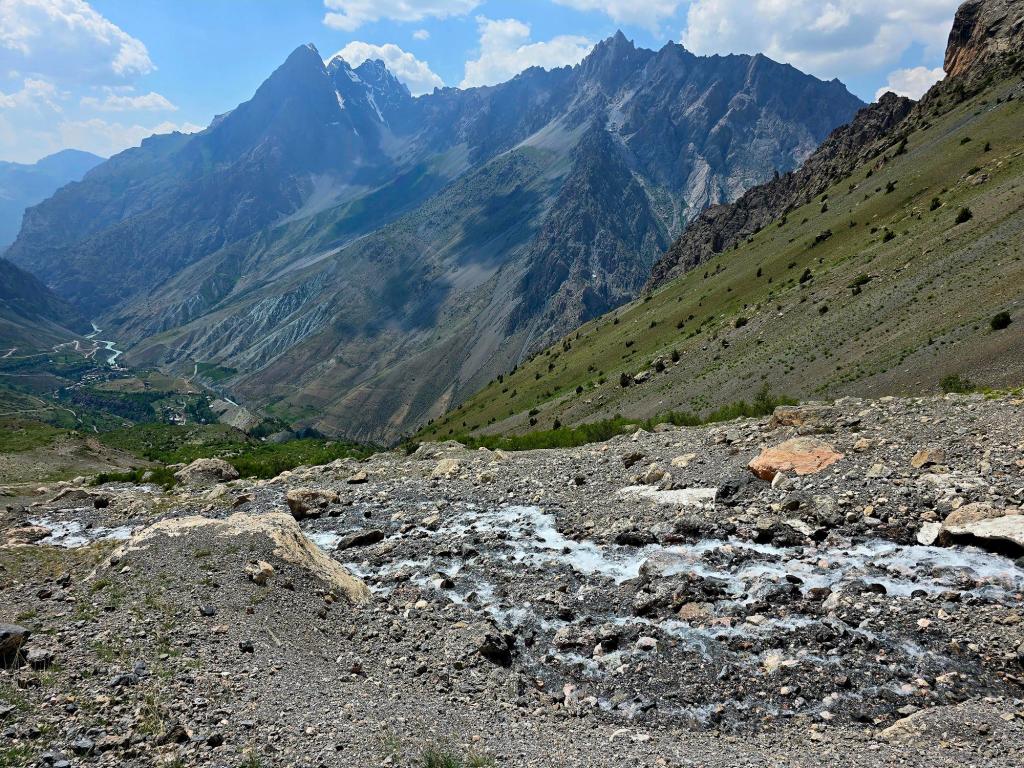
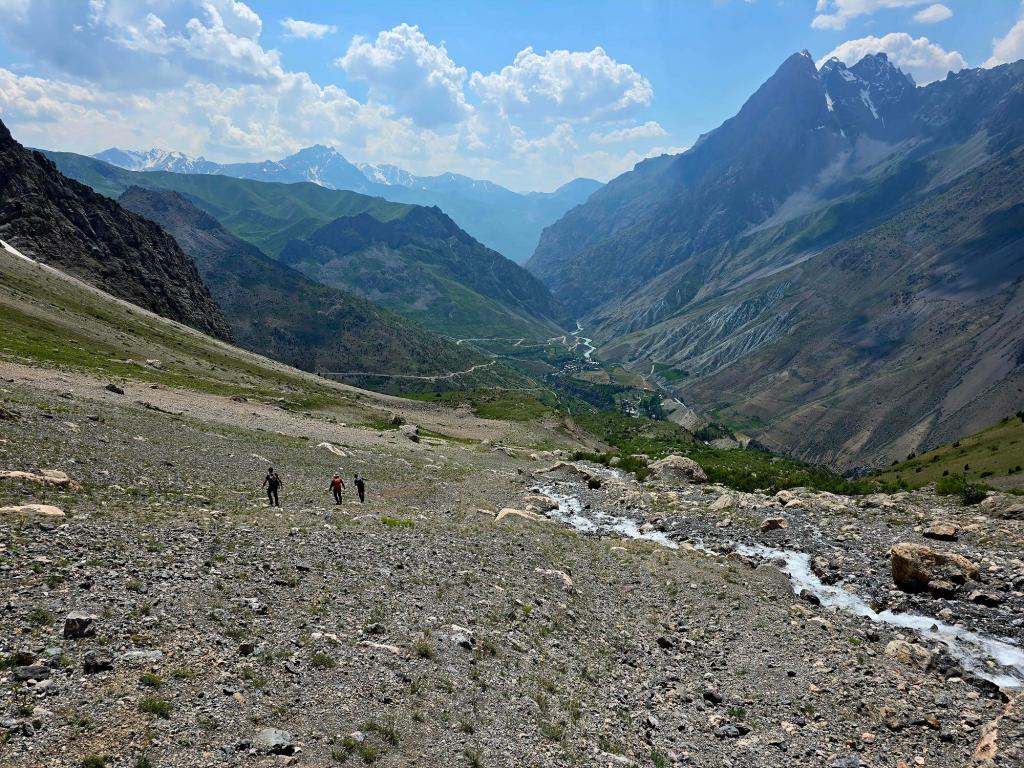
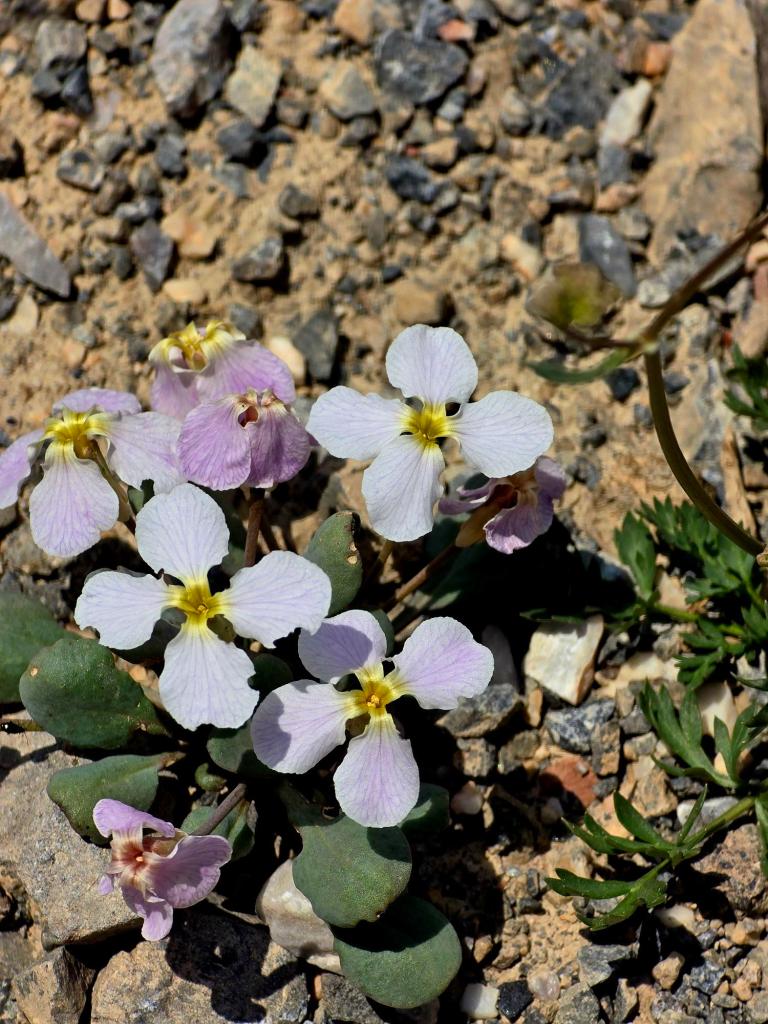
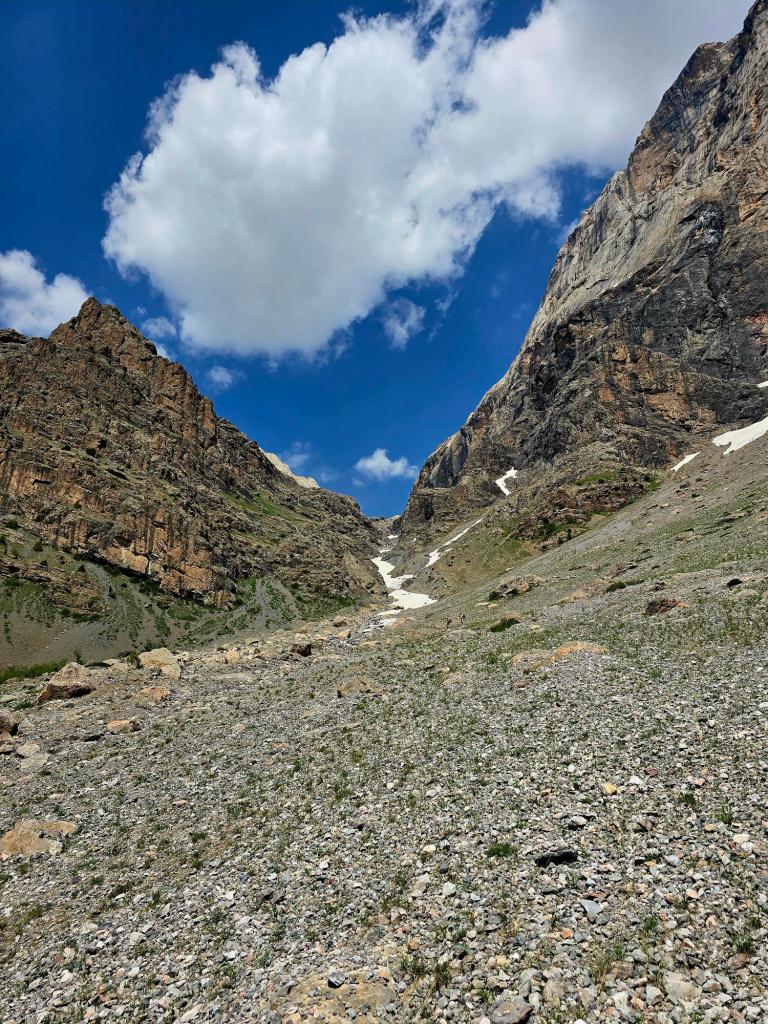
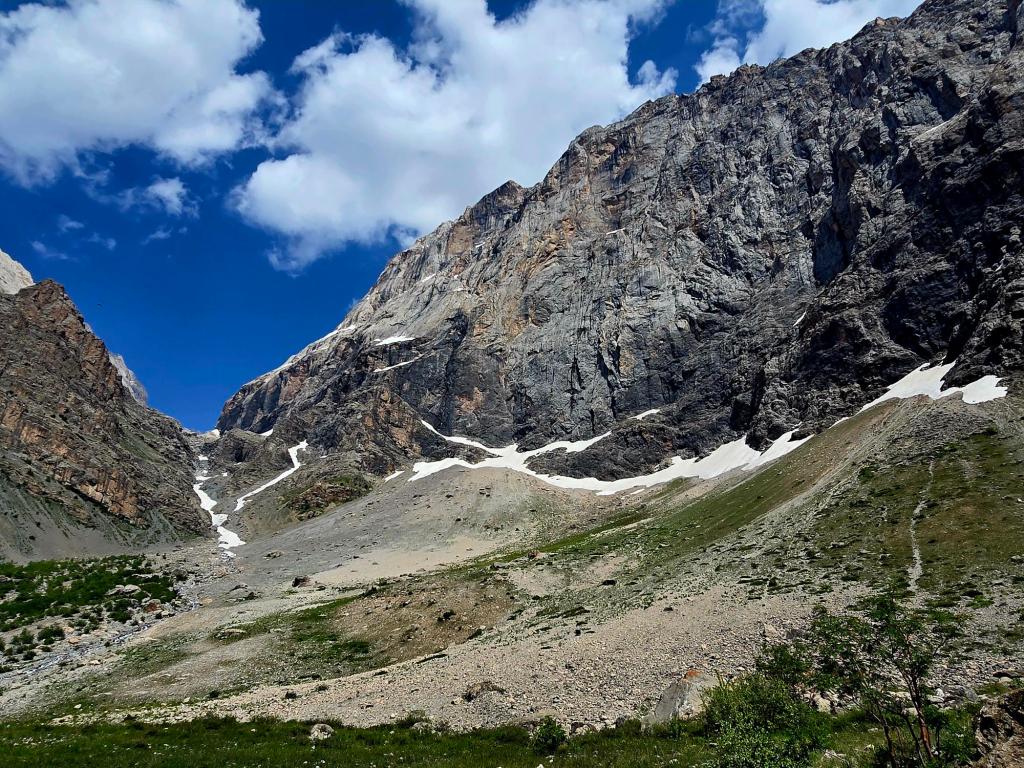
We made it back to the car in the mid-afternoon. The hike was only about four miles, but it felt like much more. Every step had been earned. The terrain, the conditions, the setting—it all combined into something that felt far bigger than the distance suggests.
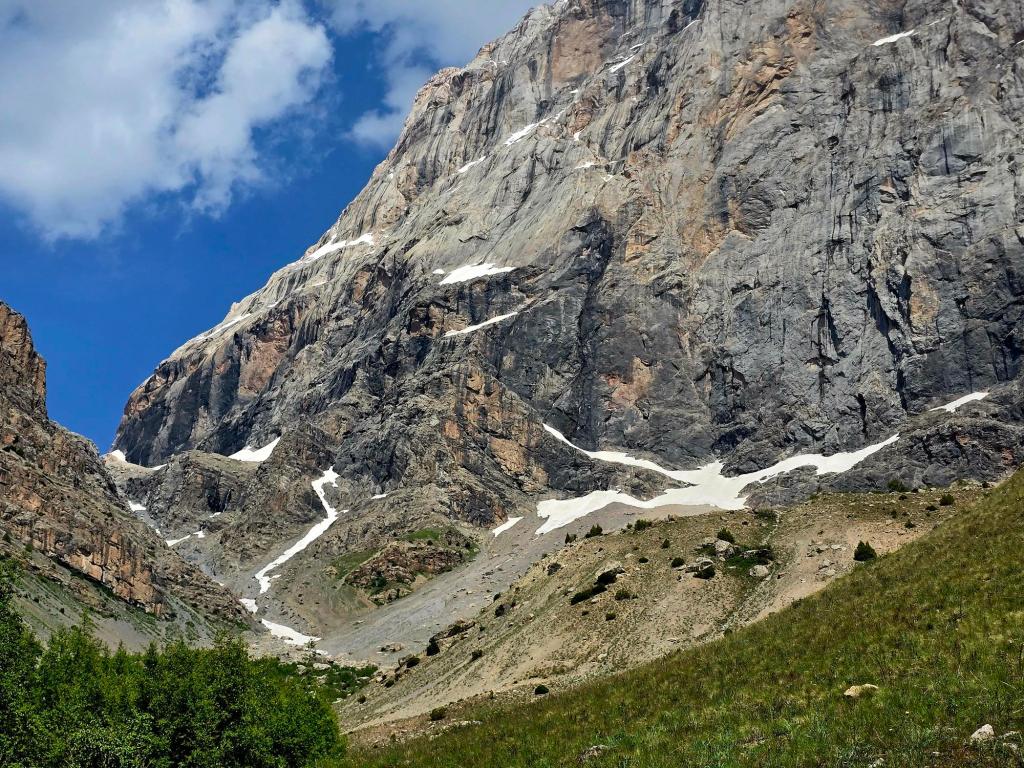
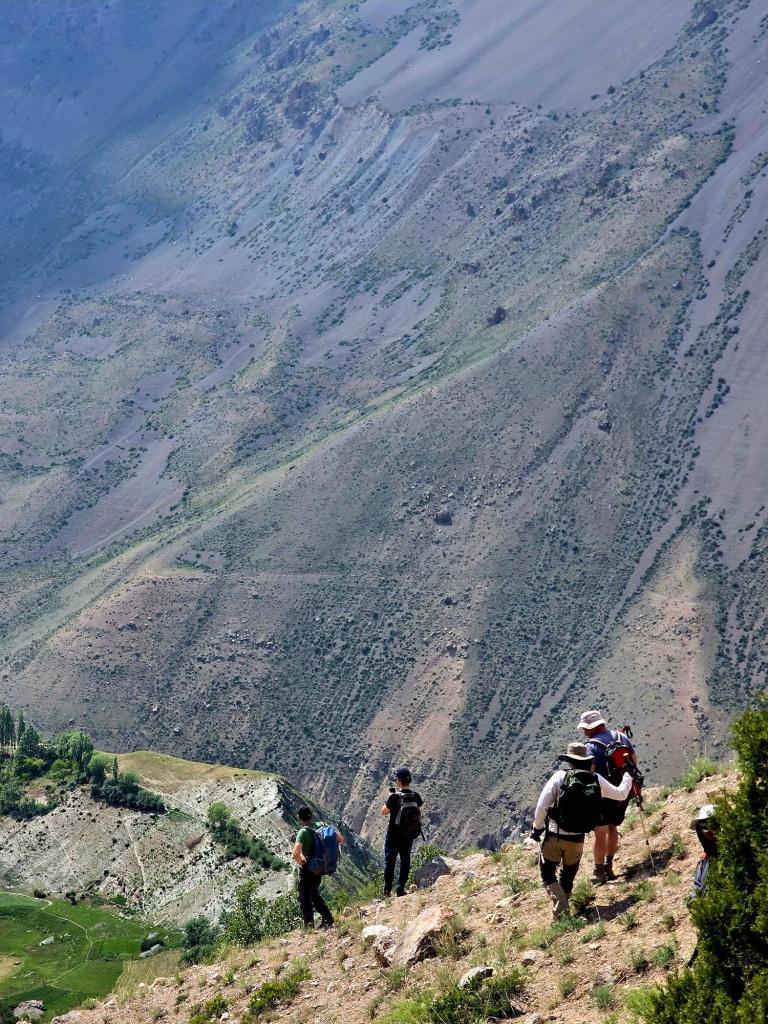
And that valley… it has a way of sticking with you. Remote, quiet, and layered with more history than you realize at first glance. It’s the kind of place that doesn’t give everything up in one visit.
We hadn’t gone far—but we’d gone far enough.
 Wise Clan in Stanland
Leave a comment