July 2025
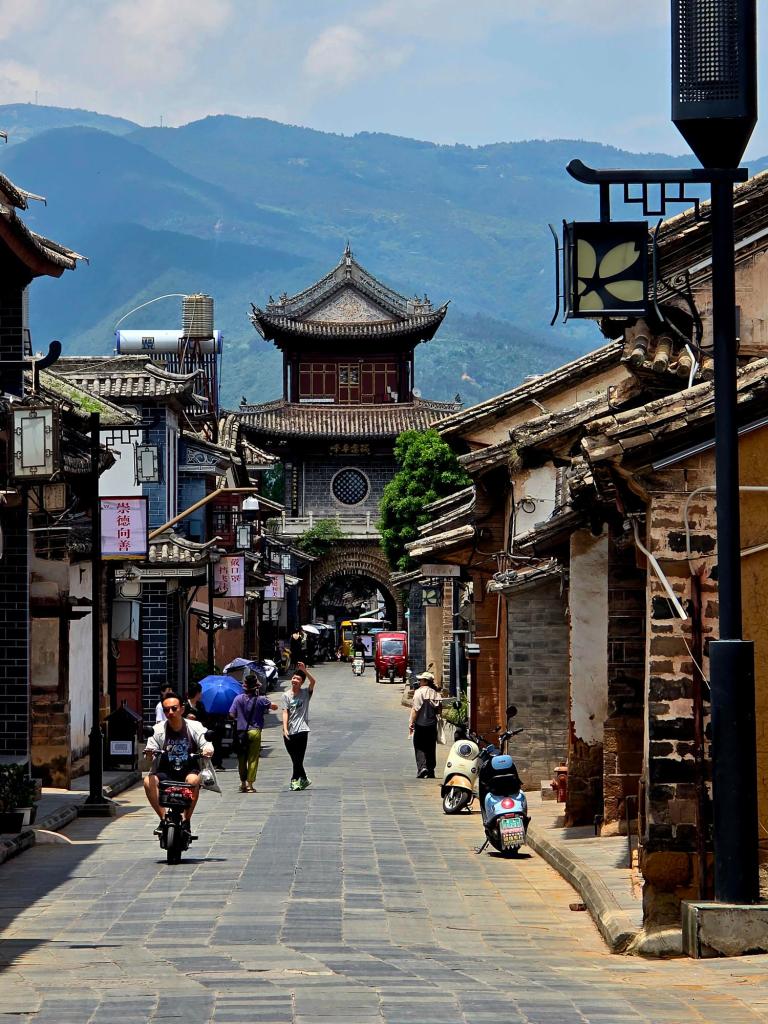
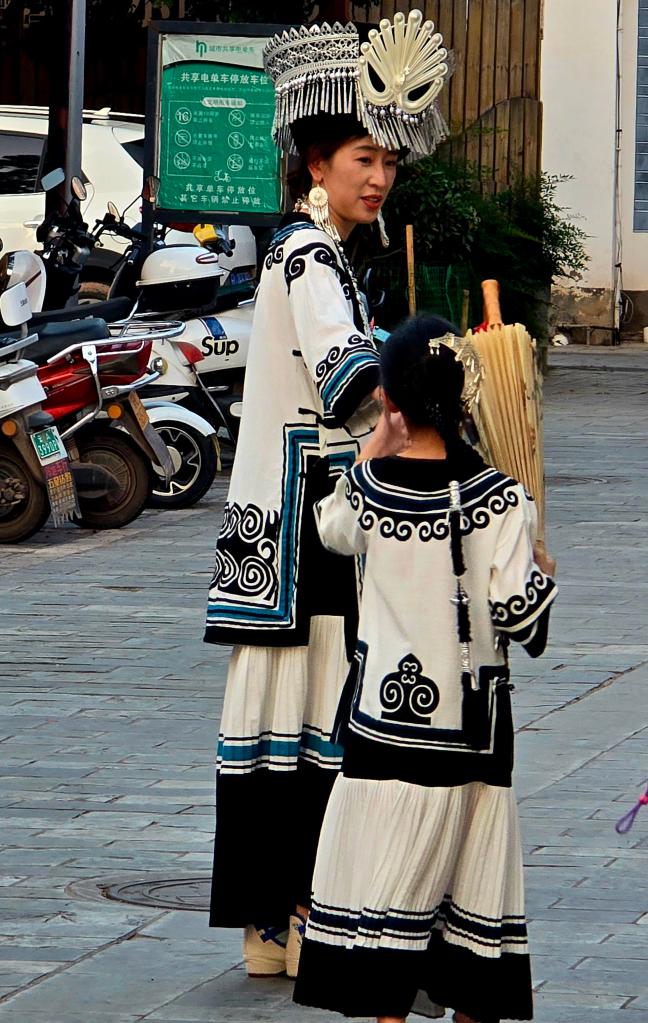
Just up the road from Dali—a place that draws the crowds and fills the postcards—sits a town that feels like it never quite joined the show. Weishan doesn’t announce itself the same way. It doesn’t need to. Parts of the old town have been restored and polished in recent years, and when we were there, a steady stream of visitors had come in for the Torch Festival.
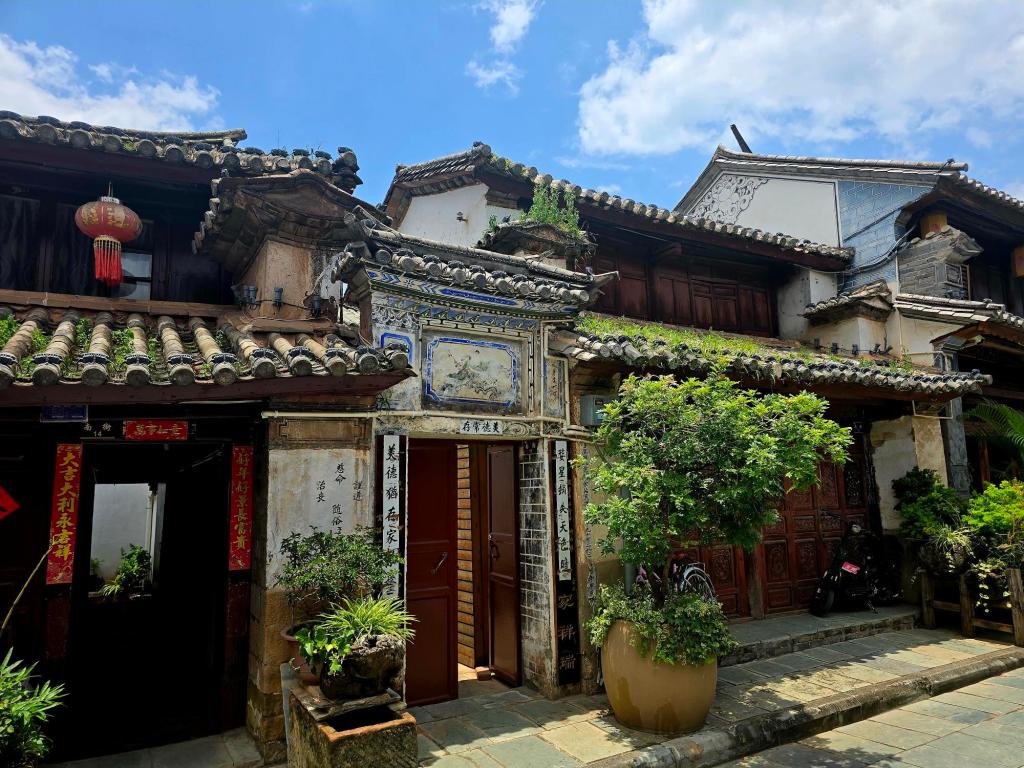
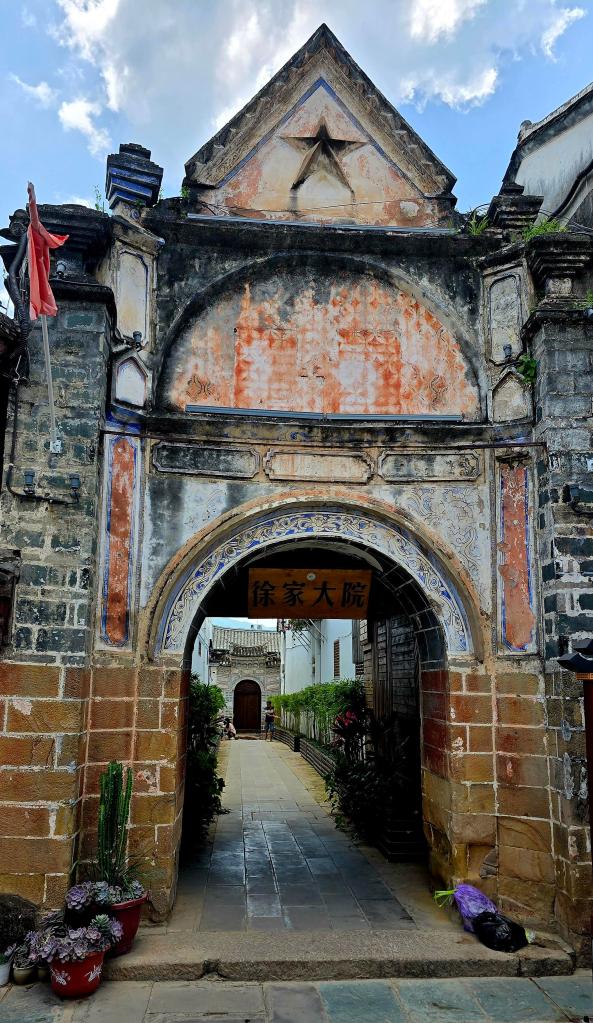
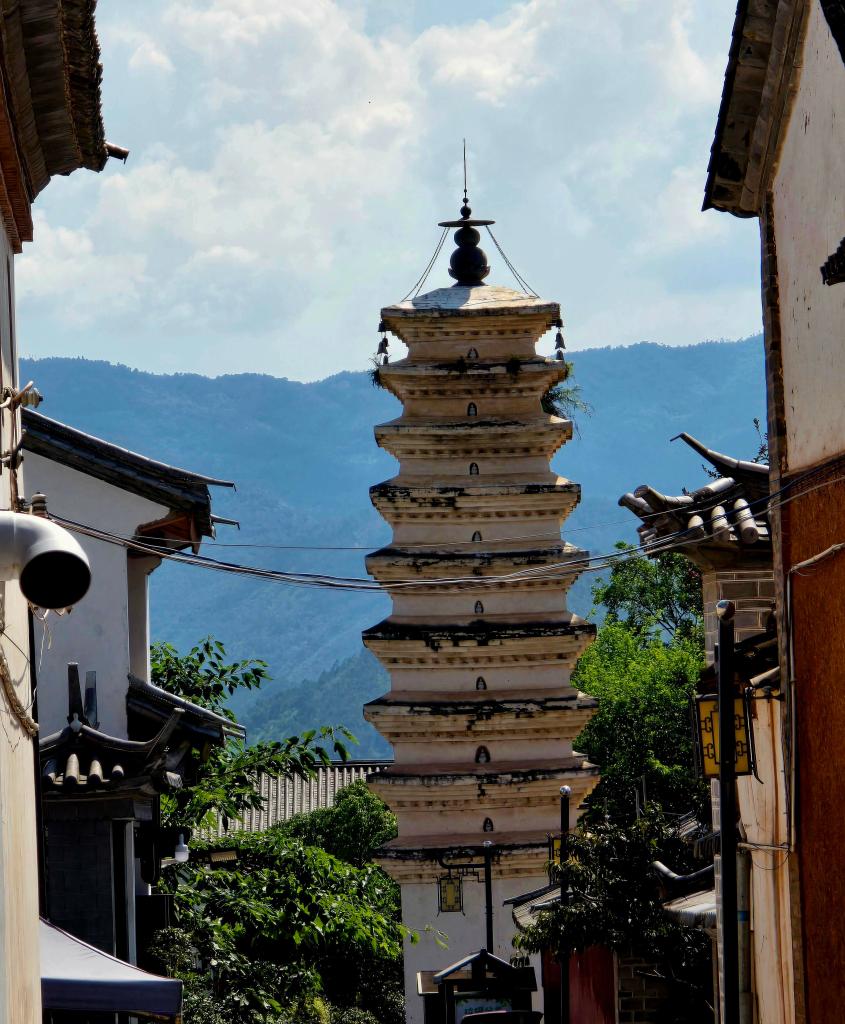
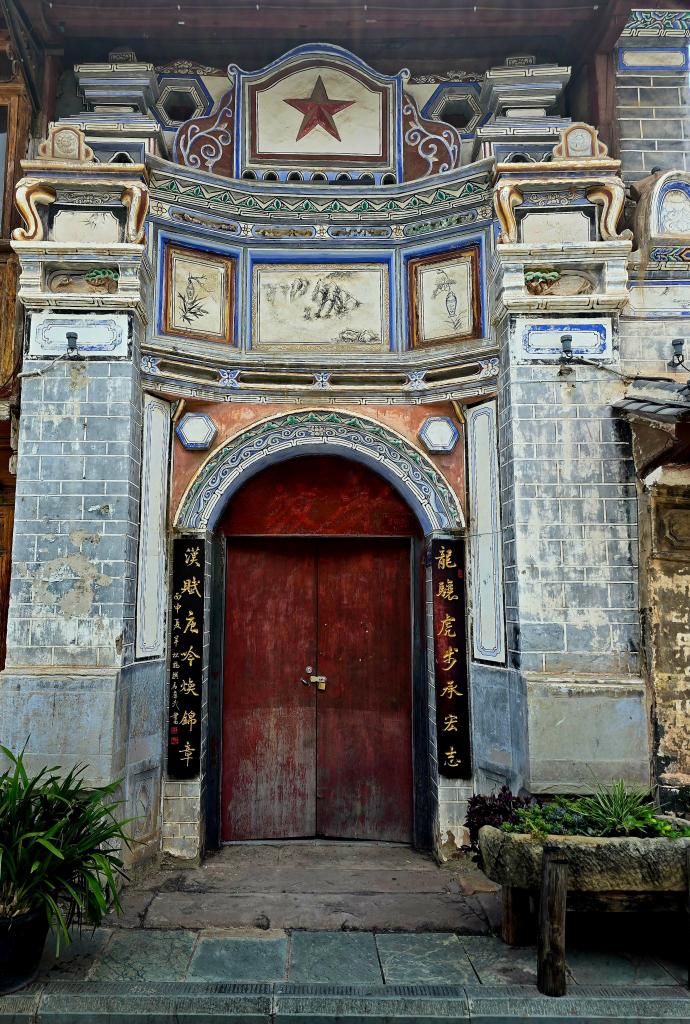
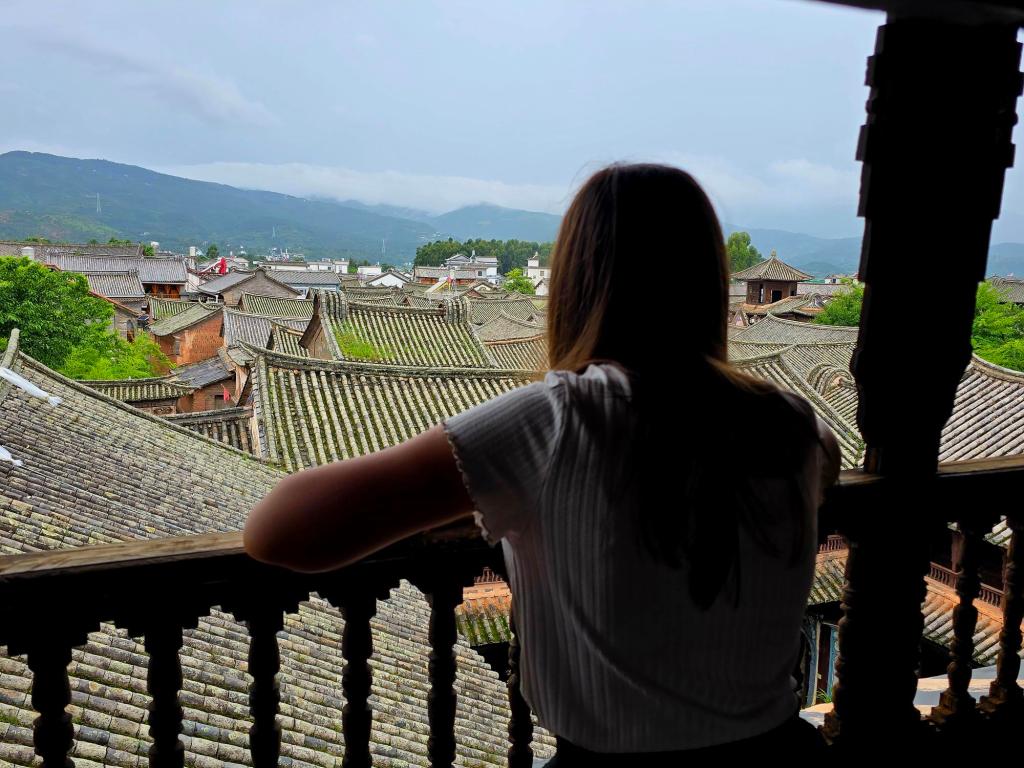
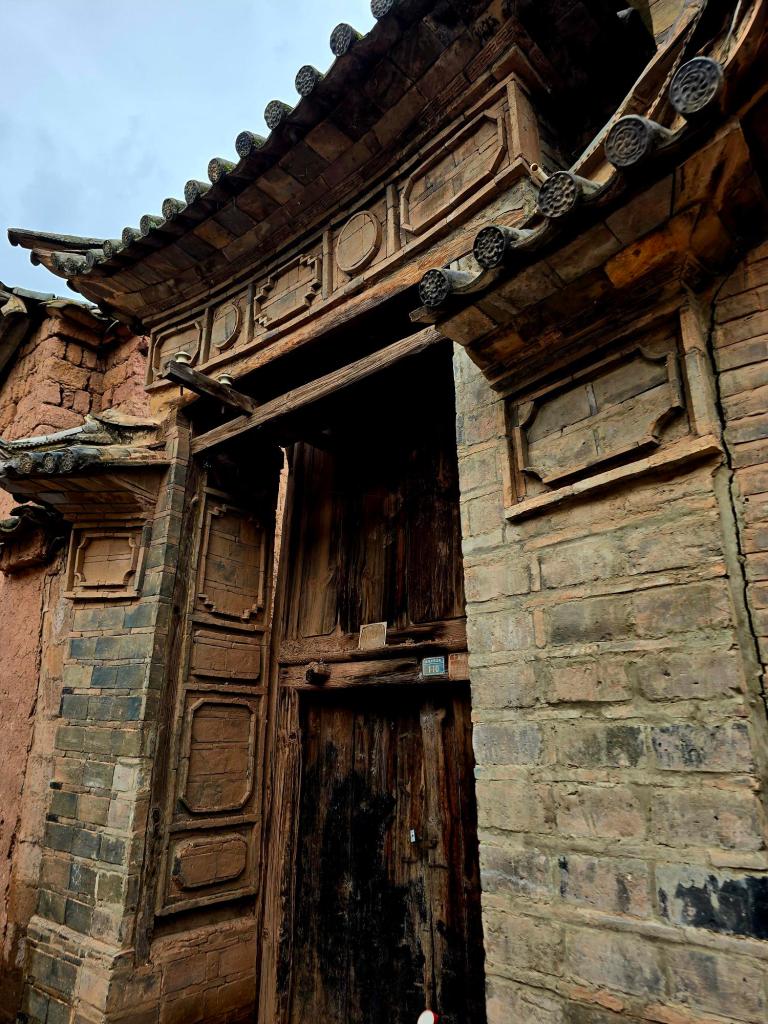
But even with that, the place still felt lived in. You didn’t have to wander far—or even step off the main streets—before the history started to show itself. It was in the walls, the alleyways, the quiet corners between buildings. Not something put on display, but something that had simply settled in over time.
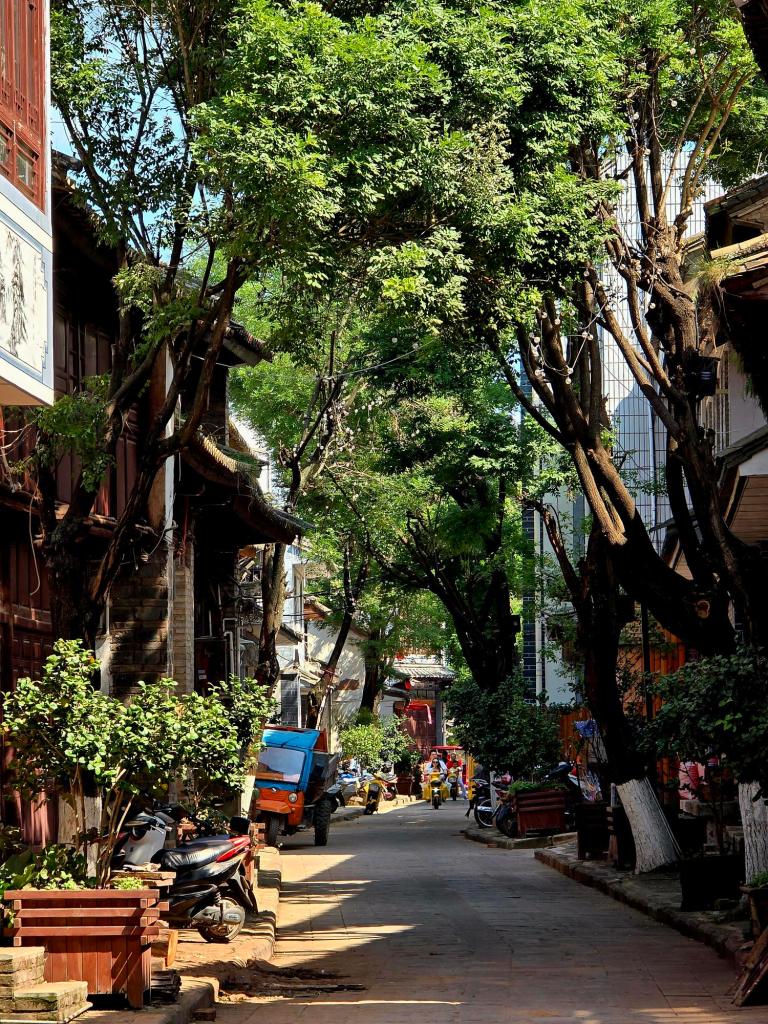
We spent a couple of great days roaming the streets, sampling all of the food and tea that were on offer. It was one of those places where wandering is the activity. I loved seeing the kids getting just as excited as I was about trying everything we came across.
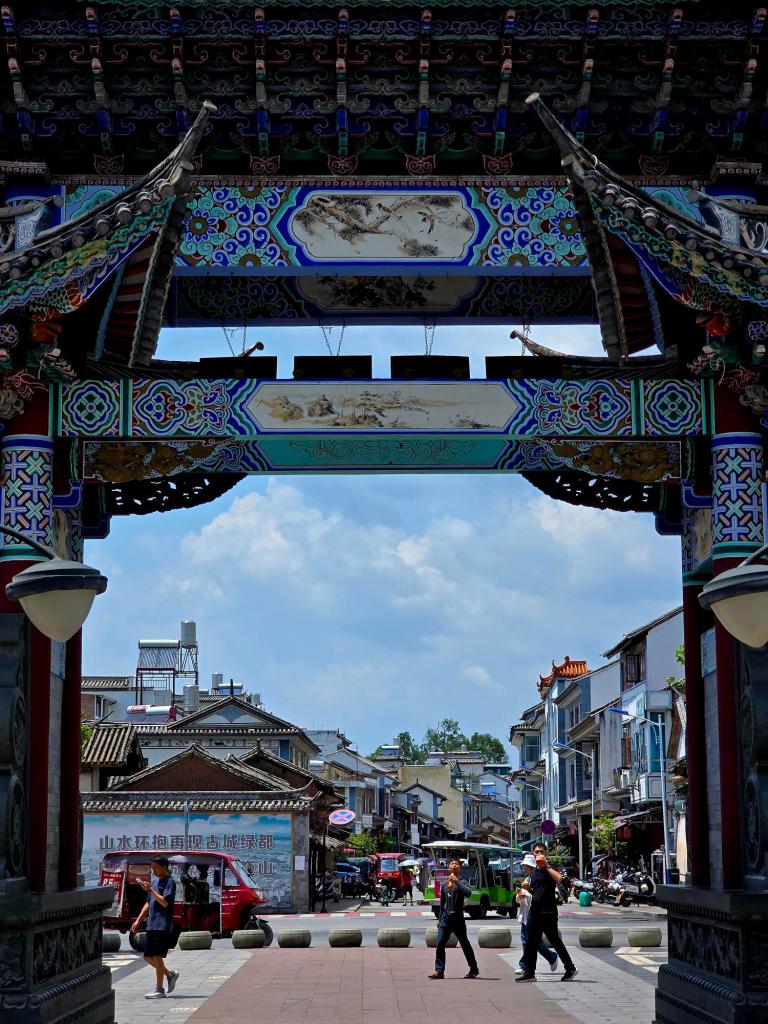
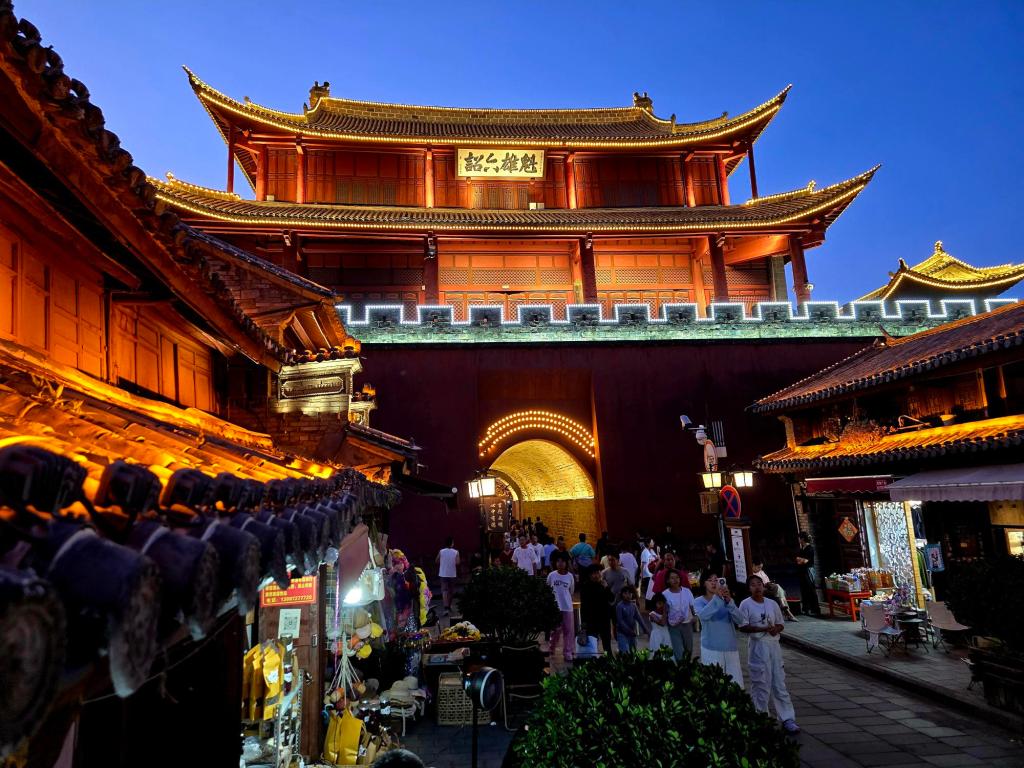
Our first walk into the old town took us beneath one of the smaller gate towers that straddles the street. Just beyond it, we stumbled onto a place frying up plates of mixed wild mushrooms—one of Yunnan’s specialties. The province is famous for its incredible variety of edible mushrooms, and this spot was tossing a mix of them together in a pan, seasoned just right. The result was as good as anything we had on the trip.
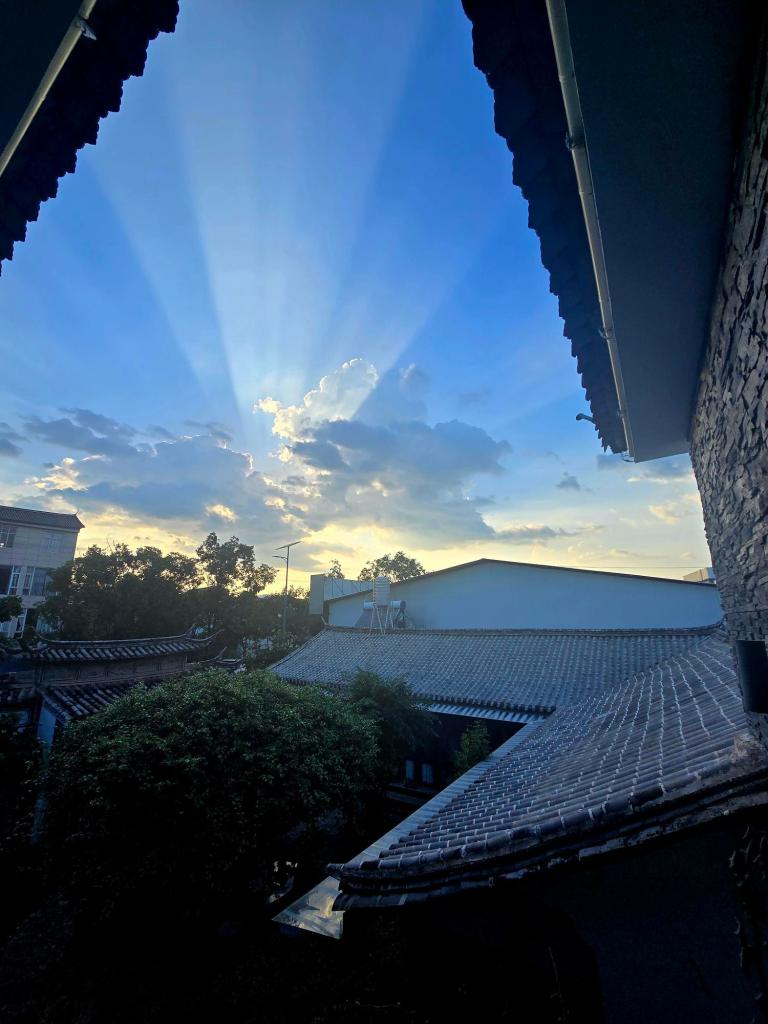
To go with it, they served a smoky local tea—the kind you see being hand-fired in clay pots along the street. It paired perfectly with the mushrooms and set the tone for what would become a steady pattern over the next couple of days: walk, stop, try something, repeat.
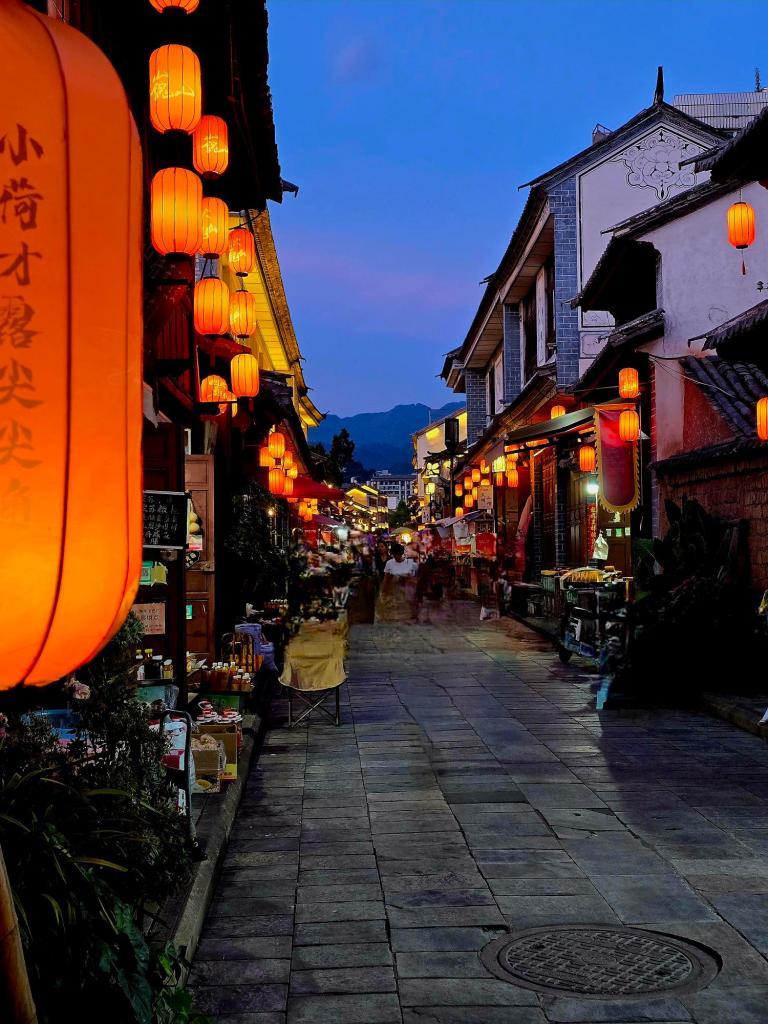
The old town stretches out over long, crisscrossing streets lined with shops, small restaurants, and local food stalls. Every time we passed a place pulling fresh chestnut cakes from an oven, we had to stop and sample them. It quickly became a bit of a mission to figure out who made the best ones.
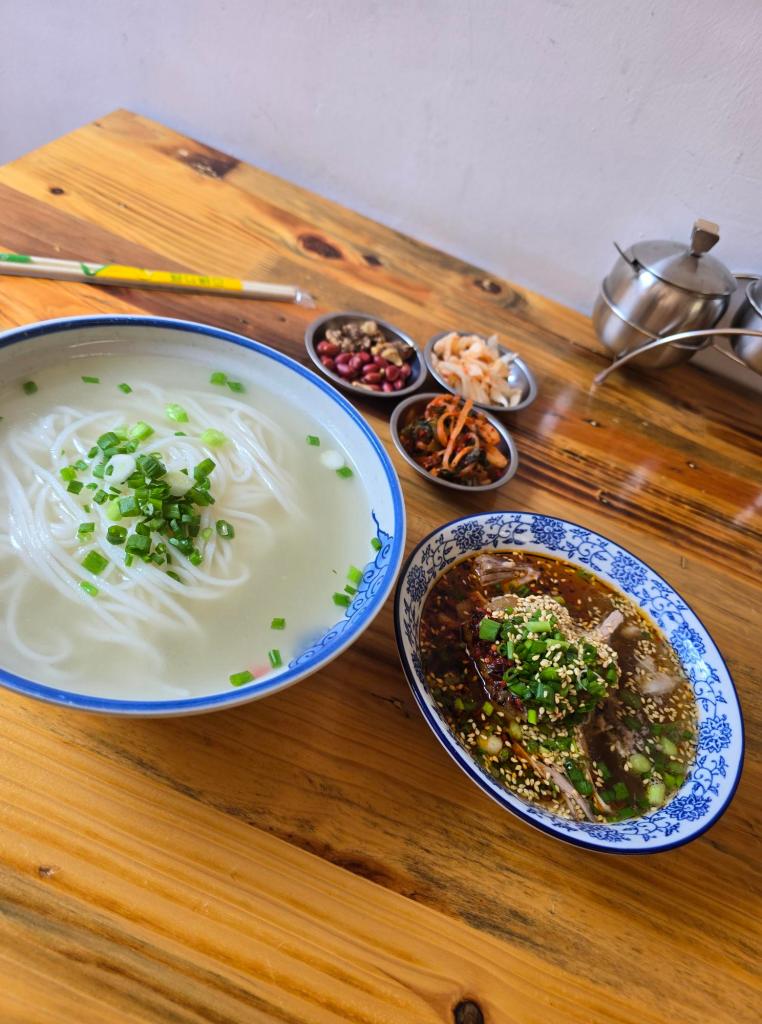
The owner of our guesthouse pointed us toward a local specialty I hadn’t heard of before—Er Si. We found a small restaurant set into the front of a family home and sat down to give it a try. It came out in two bowls—one simple, one anything but. A light broth with noodles in one, and a deep, roasted beef dipping sauce in the other. You pull from one and dip into the other, and somewhere along the way it turns into one of the best meals we had all trip.
Walking through the streets, we also began noticing something else—bundles of wooden torches stacked up along walls all over town. They came in all sizes, from smaller handheld ones to massive poles standing well over ten feet tall. Each one was split at the top and packed tight with smaller pieces of wood, bound together and left to dry. They looked almost too simple to be effective—but clearly, they were ready for something big.
On our last full day, the day of the Torch Festival, we woke up early. A light rain was already falling, which didn’t seem like the best start for a celebration centered around fire. But we weren’t about to let the weather change the plan. The kids and I headed out to explore one more place before the festivities began.
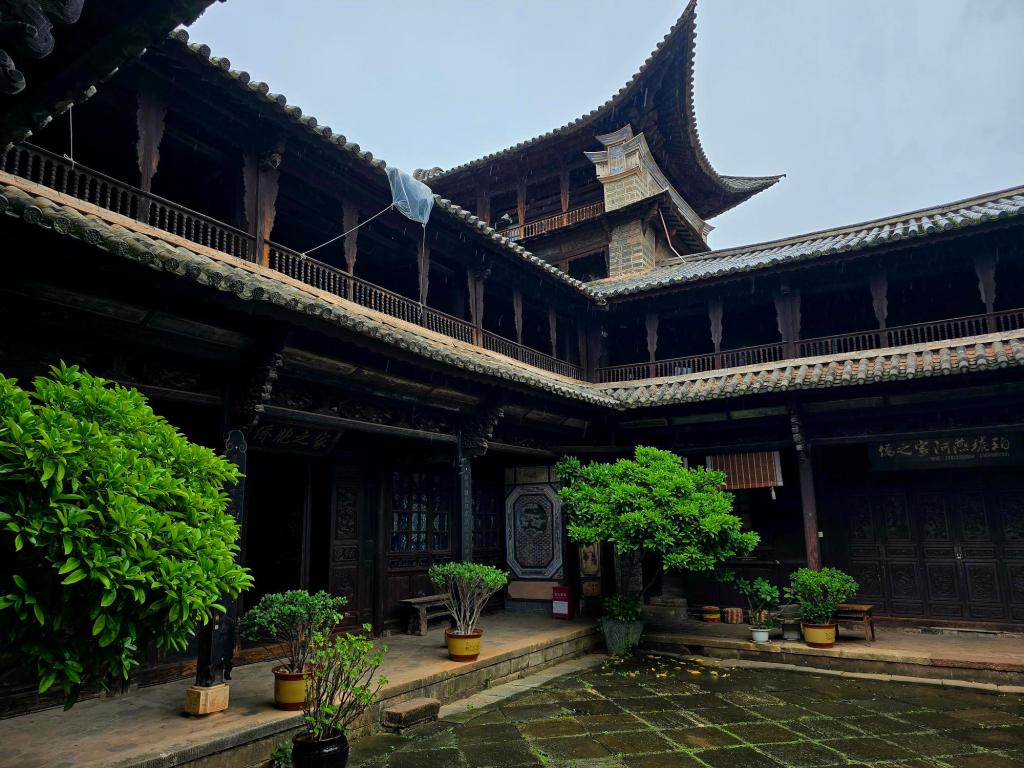
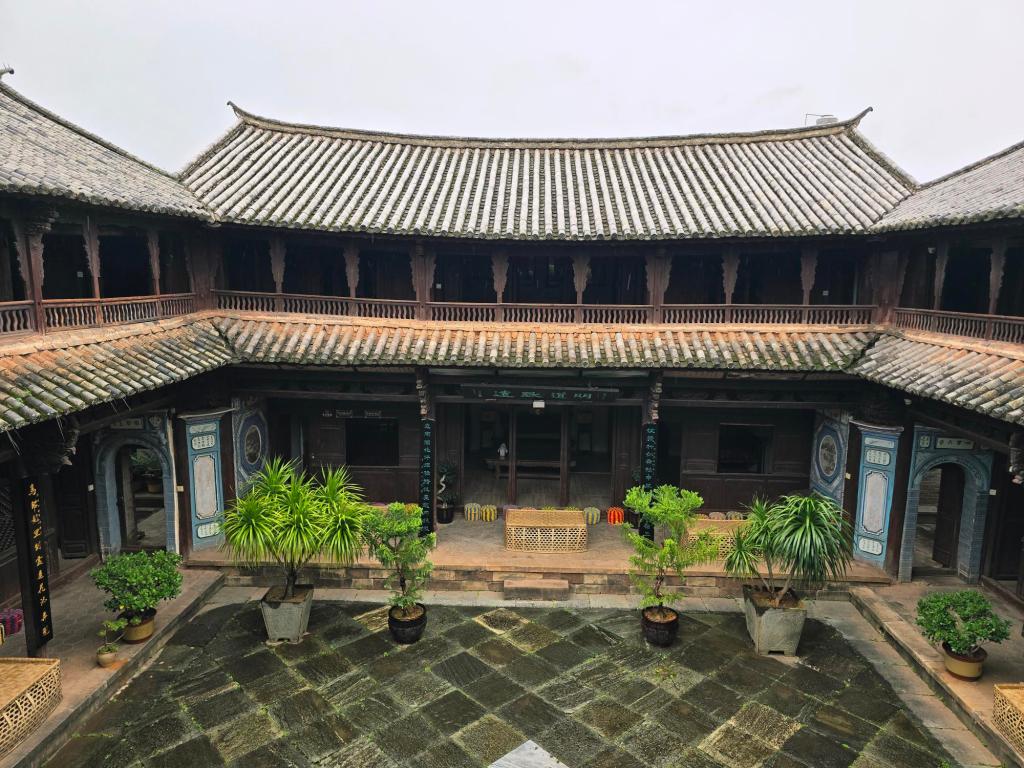
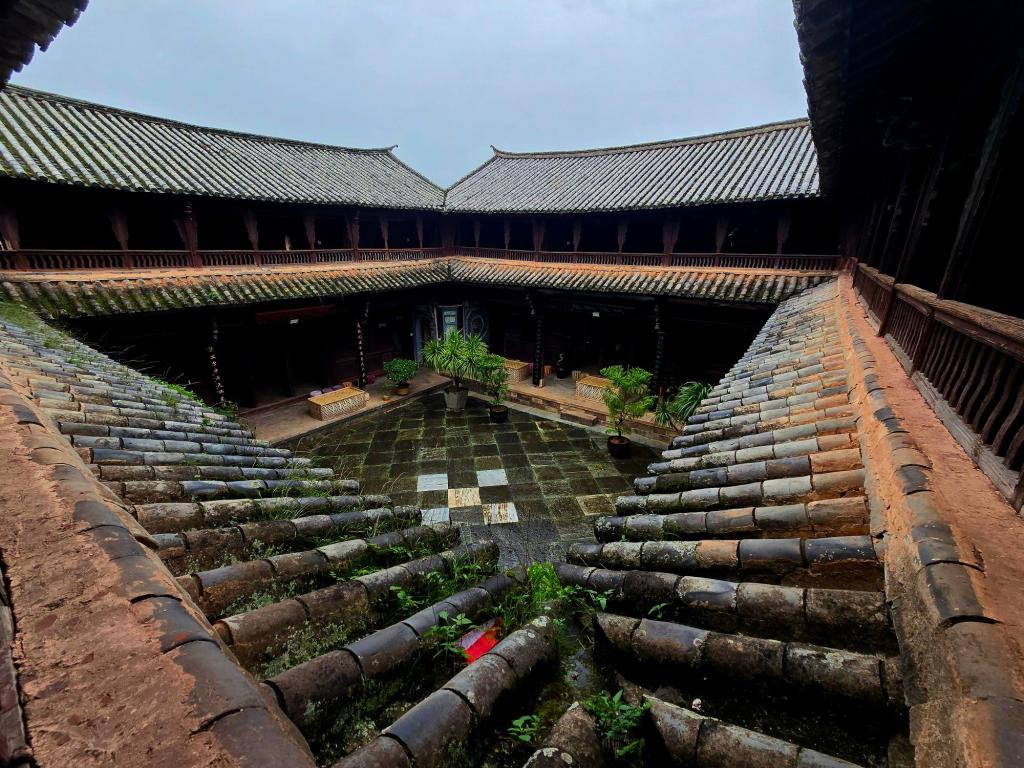
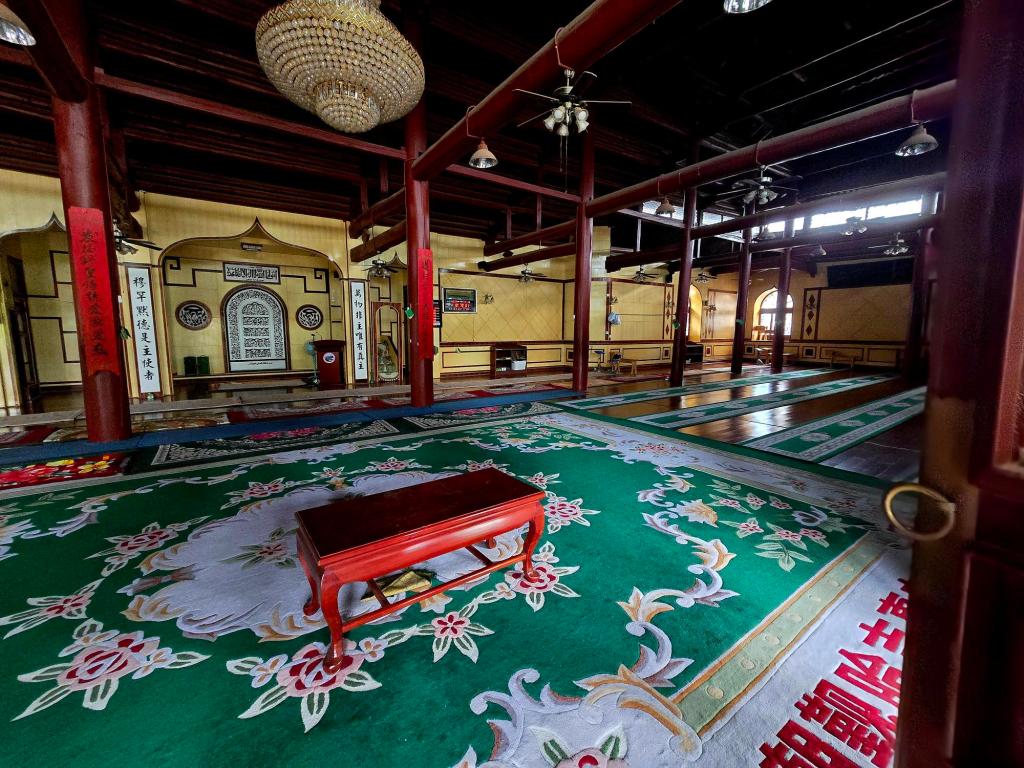
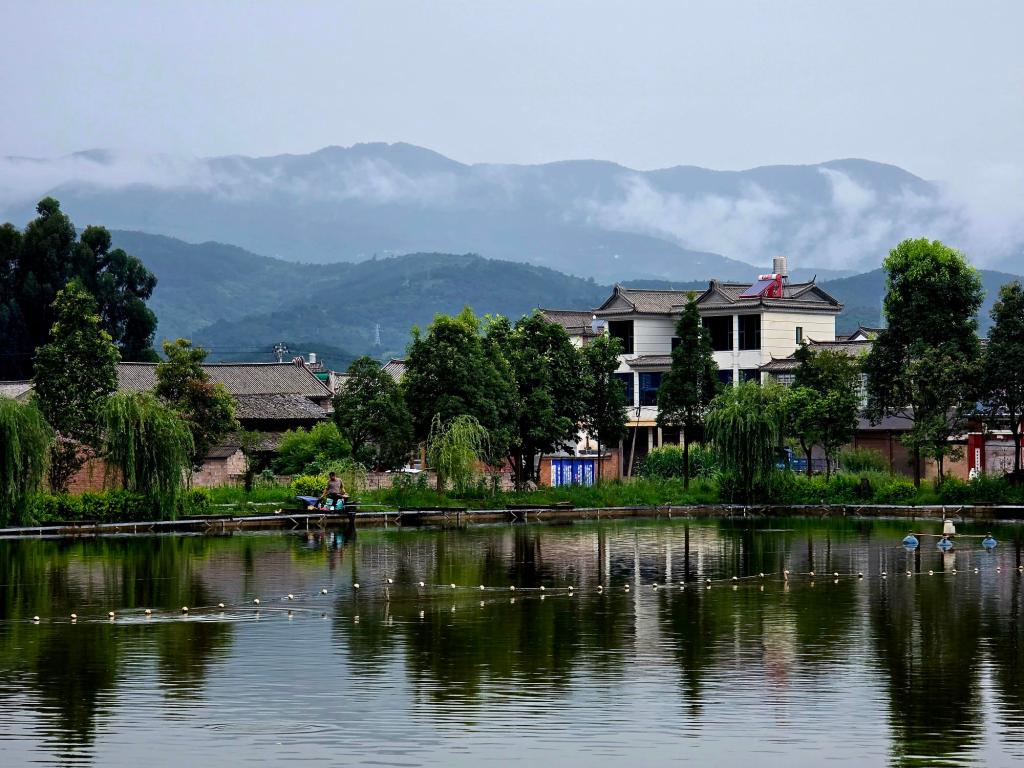
A short drive from Weishan, the landscape shifts again. Donglianhua is a Hui Muslim village with roots tied closely to the old Tea Horse Road that once ran through these mountains. Long before highways, this was a place of movement—caravans carrying tea, salt, and goods across Yunnan and into Tibet and Southeast Asia. The Hui community here became deeply connected to that trade, serving as merchants, guides, and middlemen along routes that linked cultures and economies across the region.
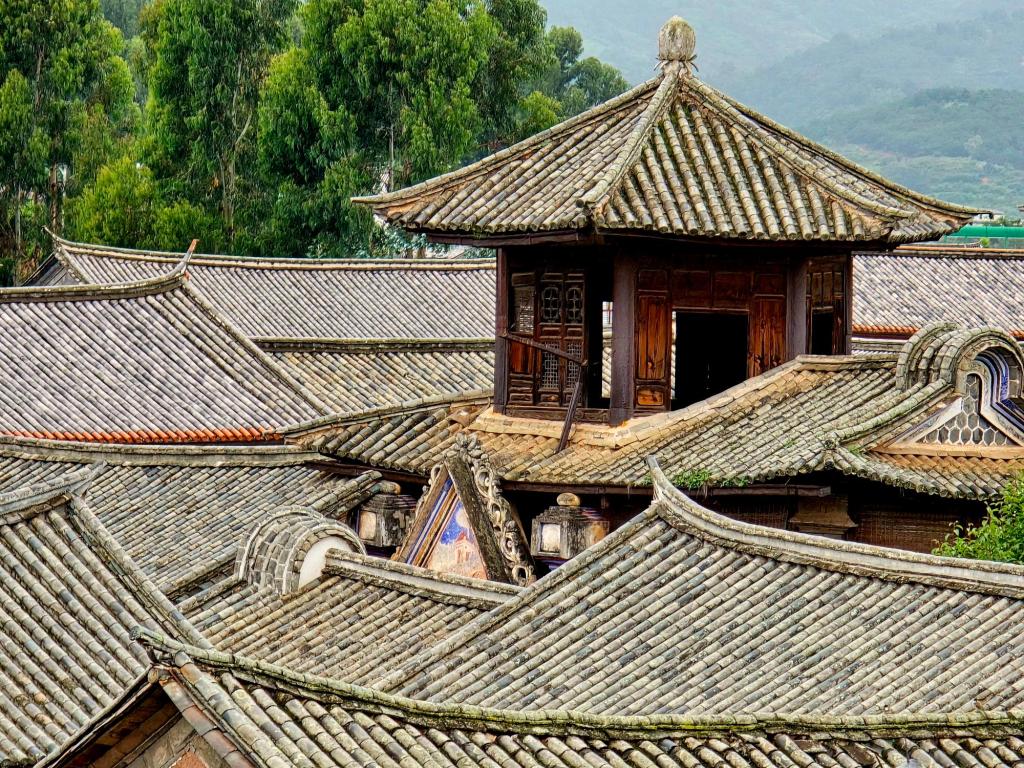
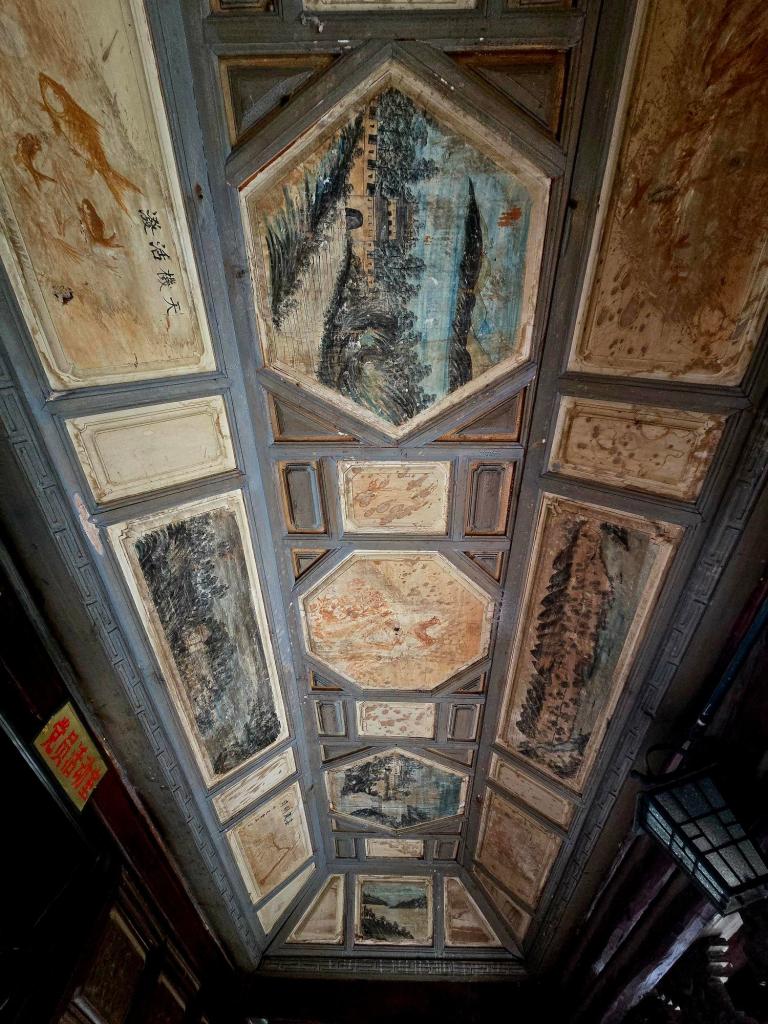
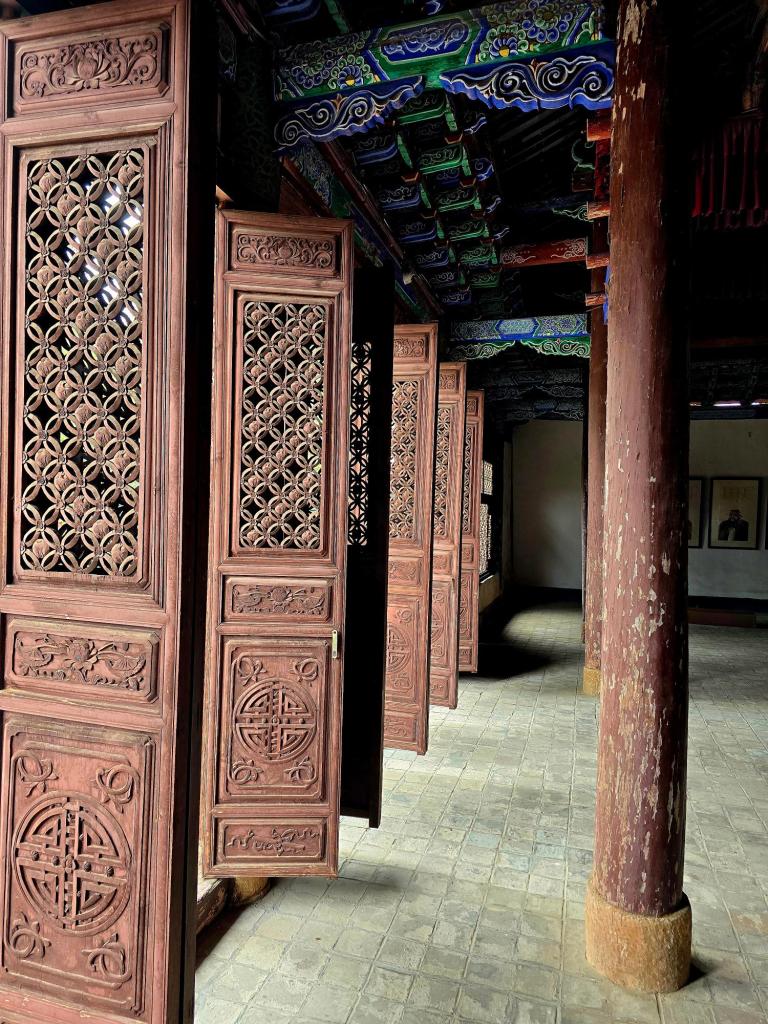
We stopped into the small museum there, which brought that history to life—stories of long journeys, trade routes carved through the mountains, and the people who built their lives along them. Today, the pace is much quieter, but that sense of connection still lingers. The streets feel lived in, the courtyard homes stretch back generations, and there’s a quiet weight to the place that hints at how much has passed through here over time.
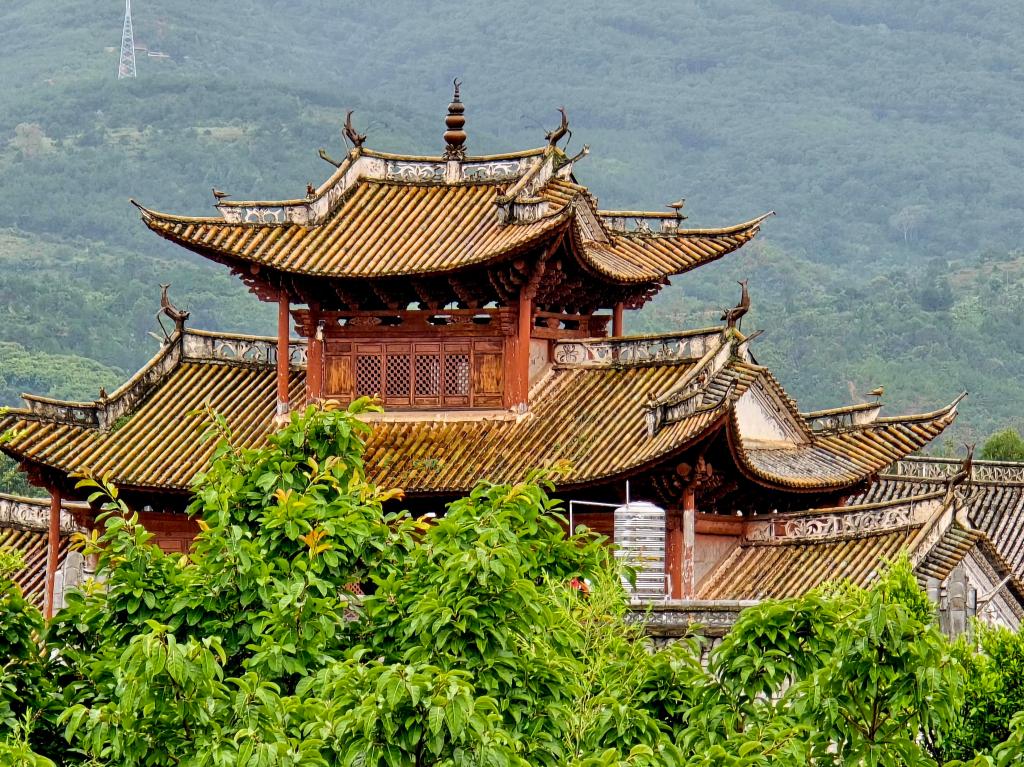
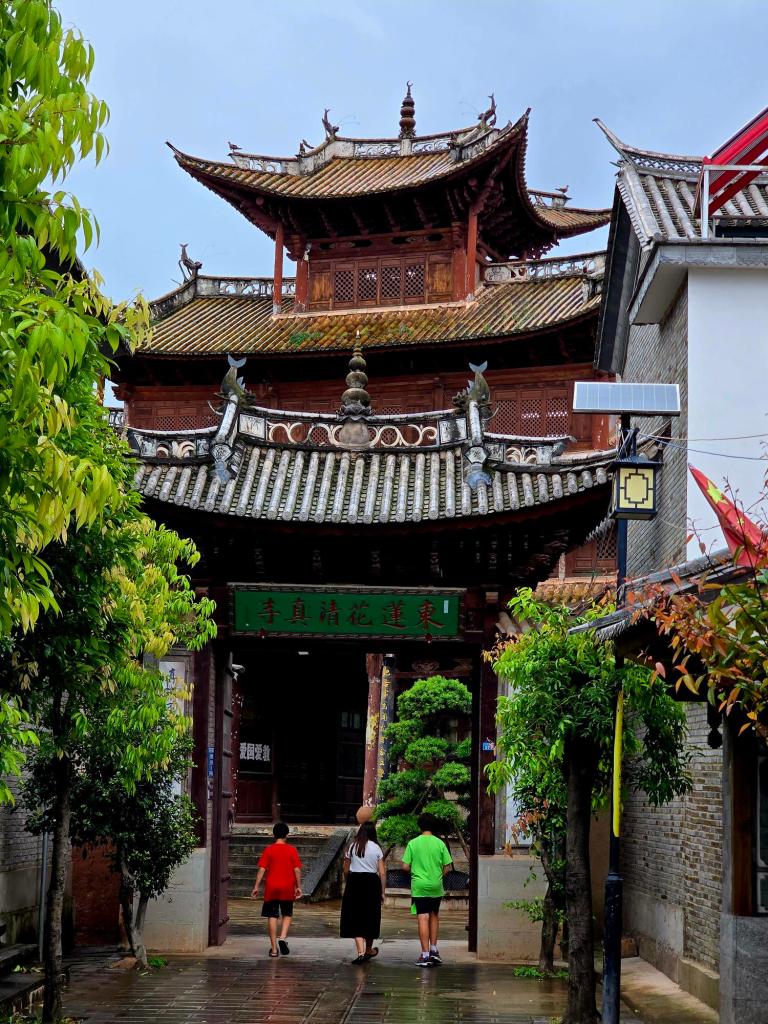
Near the mosque, rising above the surrounding buildings, is a large wooden tower that immediately draws your attention. At first glance, it looks like it belongs in a traditional Chinese temple complex—layered roofs, curved eaves, and intricate woodwork—but here it stands as part of a Muslim community. Structures like this often served multiple purposes, from marking the presence of the mosque to acting as a place for calls to prayer or community gathering.
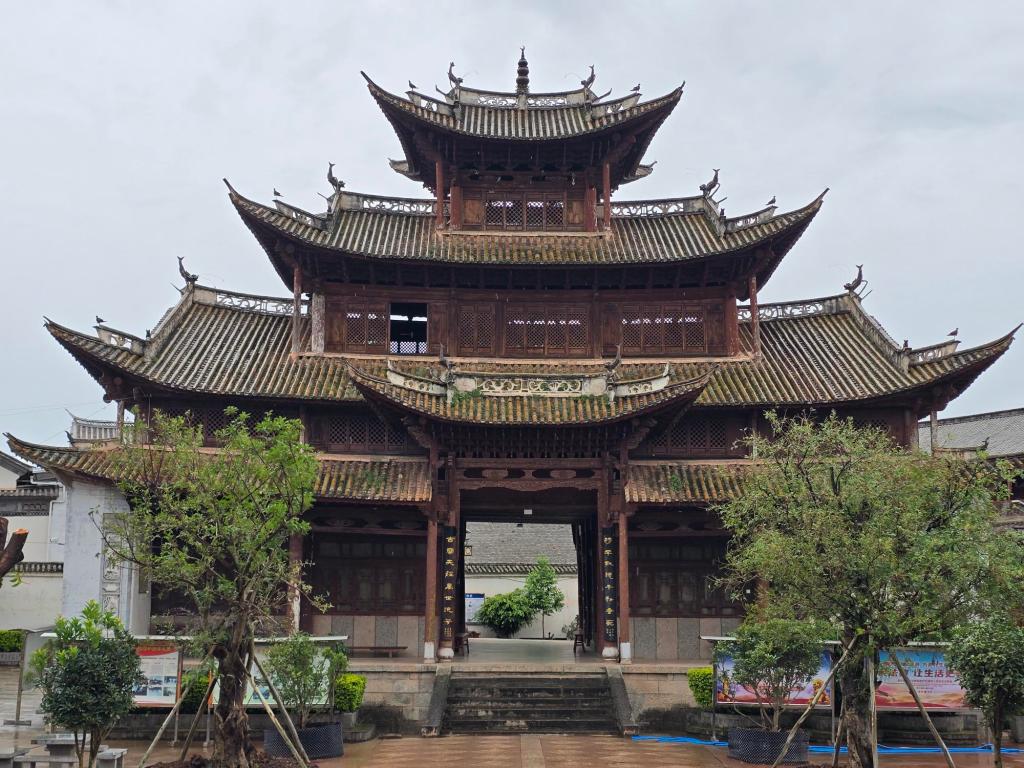
Back in Weishan, one of the larger gate towers in the old town had burned down years earlier and has since been rebuilt. Walking through it now, you’d never know. Like much of the town, it carries its history quietly—rebuilt, restored, and still very much in use.
Communities like this didn’t come from a single moment in history. Some trace back to the time of Kublai Khan, others to traders moving along old mountain routes—but over time, they all became part of the same story.
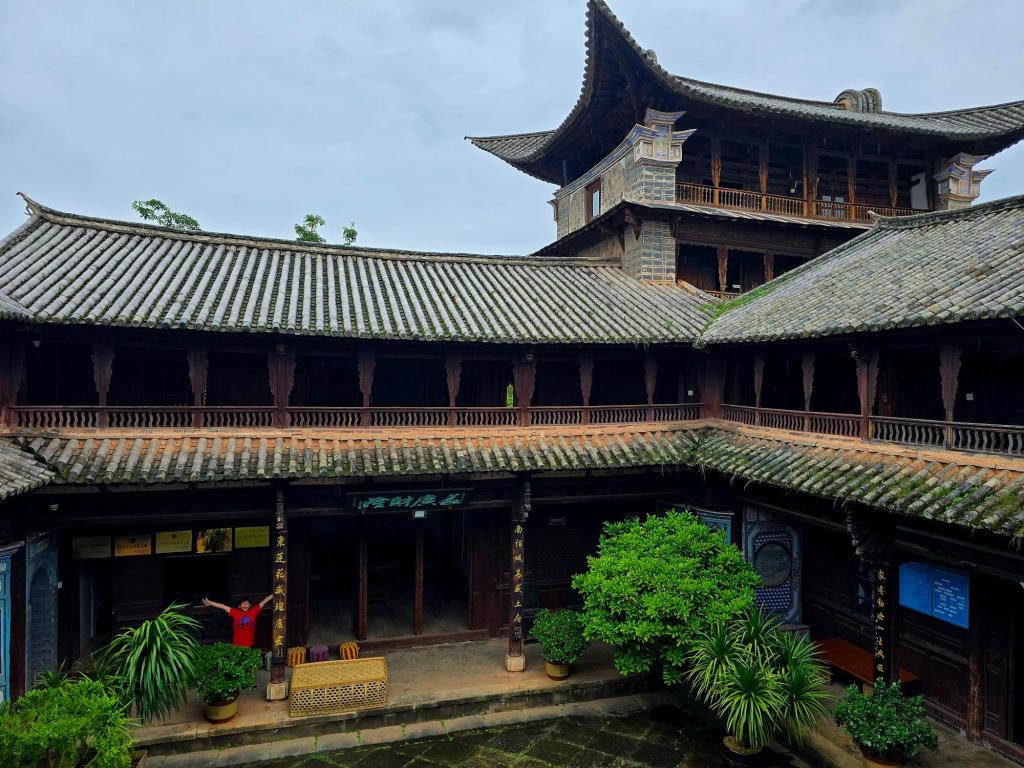
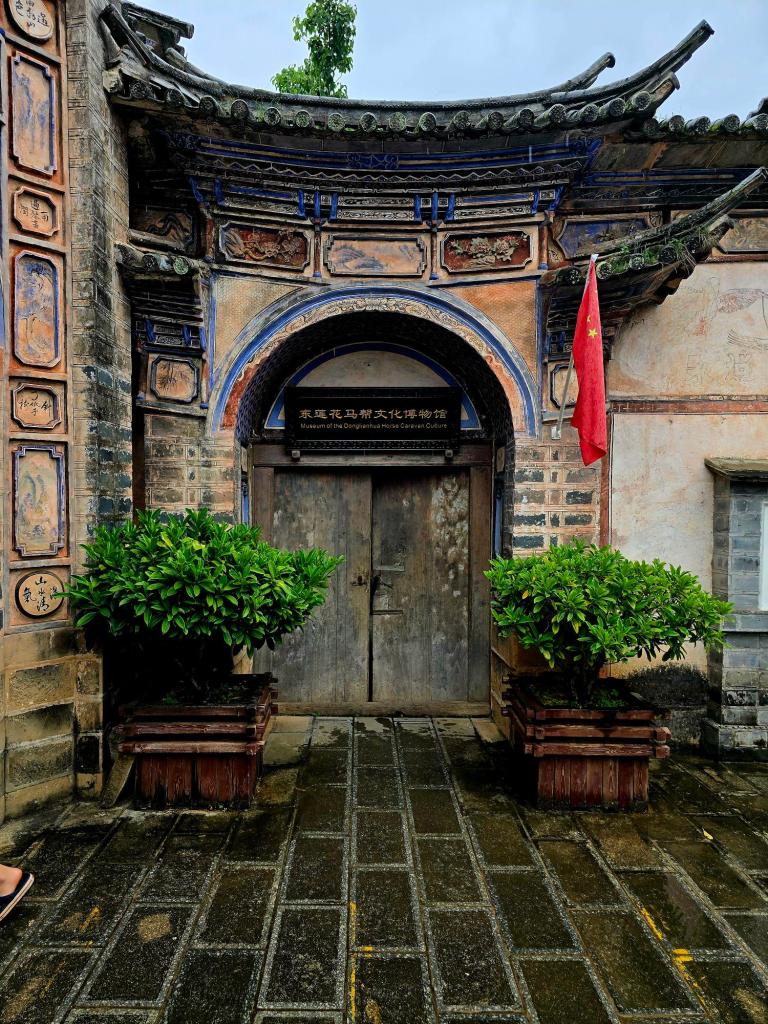
After walking the streets of Donglianhua, we found a place making giant smoothies on the edge of the village. We sat out on their patio as the last of the rain fell, taking in the quiet before heading back. Out on the road, we flagged down a taxi and made our way back to Weishan.
When we returned to the old town, the energy had shifted completely. What had felt calm and lived-in over the past couple of days was now buzzing with anticipation.
By nightfall, that energy would turn into something else entirely.
 Wise Clan in Stanland
Leave a comment