— A Hidden Lake of the Fann Mountains
🧭 Trail Stats
📏 Distance: 7.6 miles (12.2 km) round trip
⬆️ Elevation Gain: 2,379 ft (725 m)
⬇️ Elevation Loss: 2,431 ft (741 m)
⏱ Total Time on Trail: 7 hours 31 minutes
🚶 Time Moving: 4 hours 32 minutes
🥾 Difficulty: Moderate
🔁 Route Type: Out & Back
📍 Trailhead: Shurpas Village, Fann Mountains, Tajikistan
📅 Date First Hiked: May 17, 2025
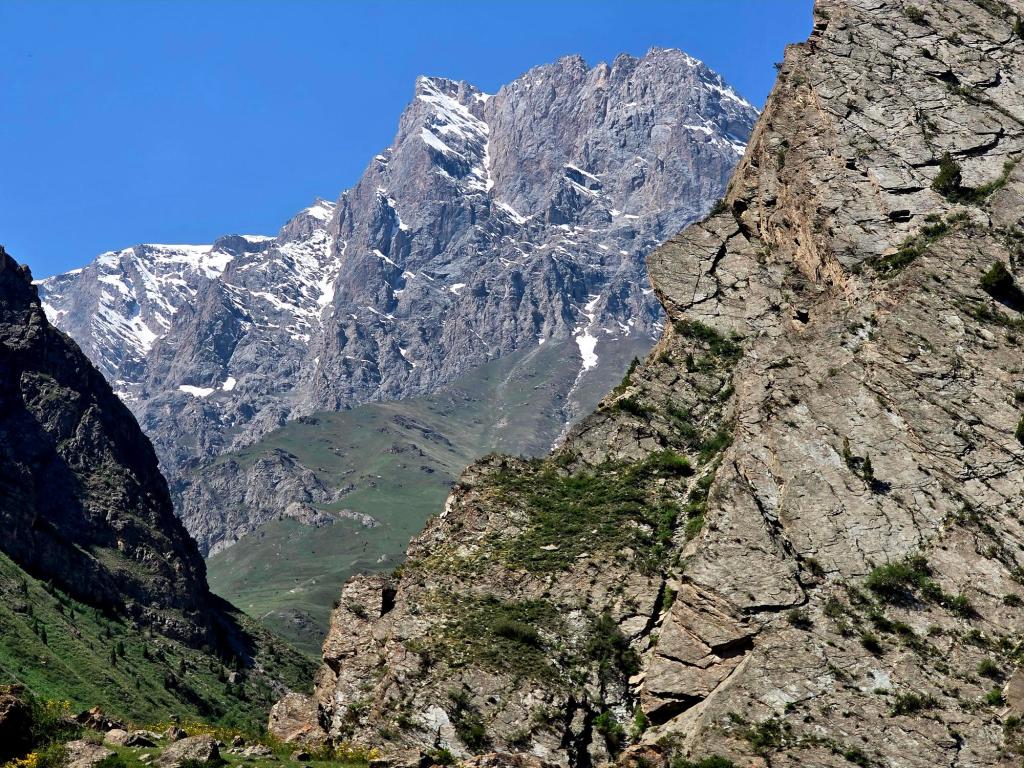
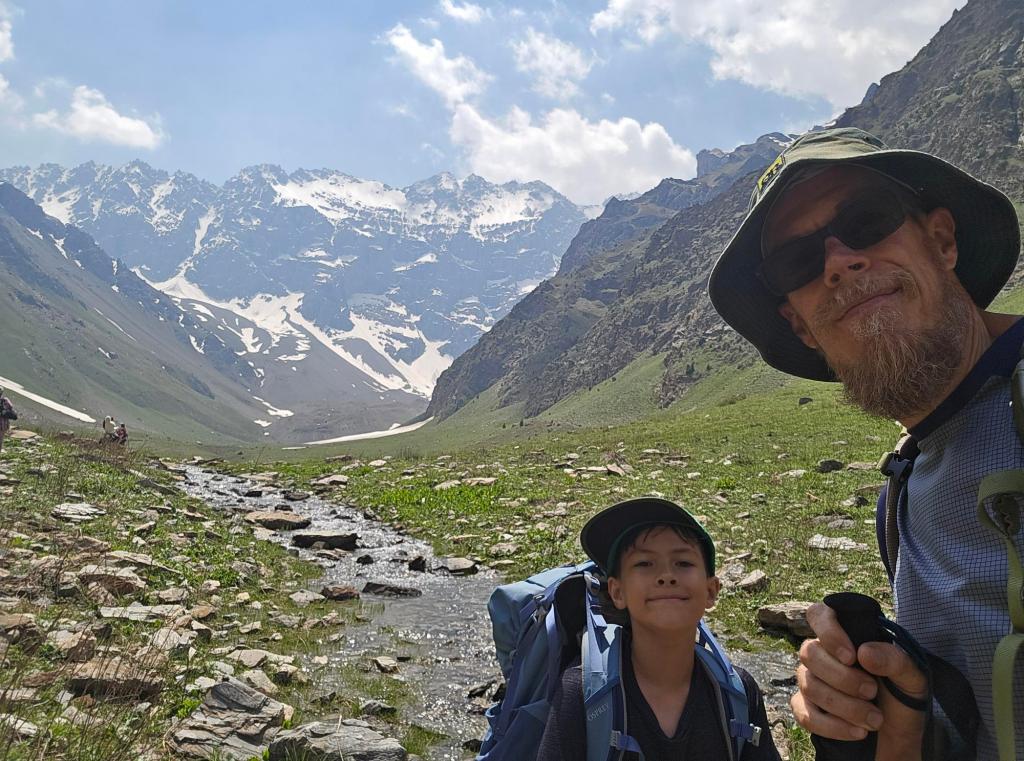
Last May, I took off on a hike with the boys up in the Fann Mountains that quickly became one of my favorites reachable within about three hours of Dushanbe. It’s paved road most of the way, following the highway north through the Varzob Valley, climbing up and over the mountains through the long Anzob tunnel, and dropping down the other side into the rugged landscapes of the Pamir-Alay. Not long before reaching the turnoff for Iskanderkul, you pull off the main road on the lefthand side and pass a mining operation before climbing further up a dirt road pushing deeper into the mountains. Another half hour of bouncing along this rough track and it finally terminates in the small village of Shurpas.
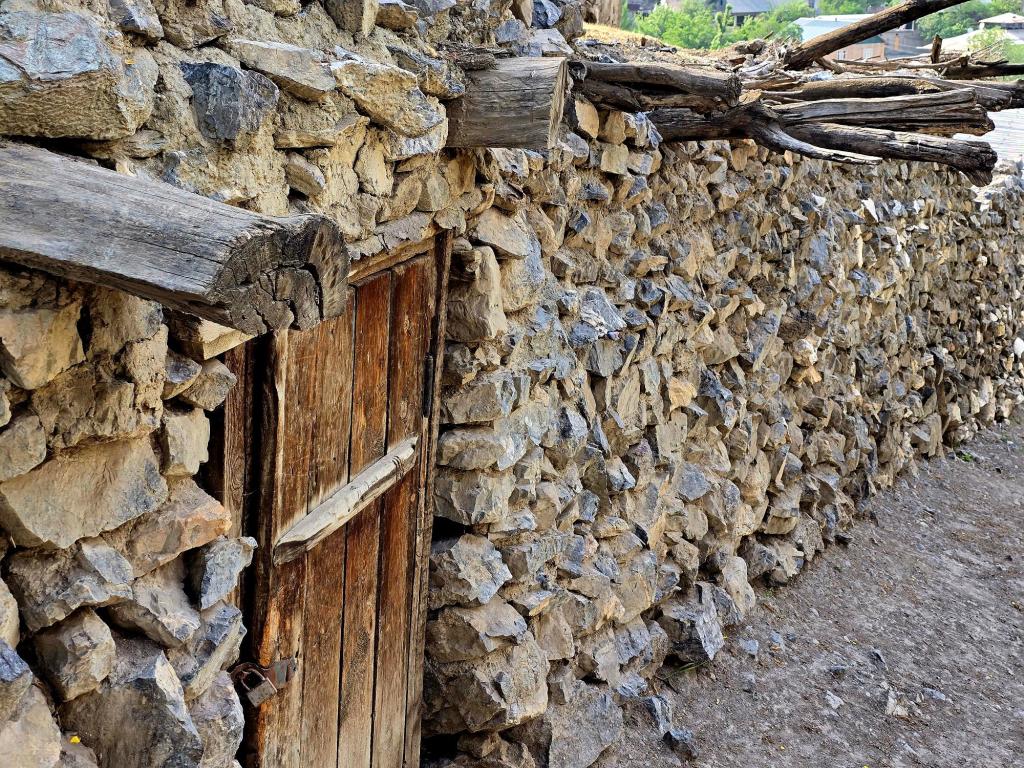
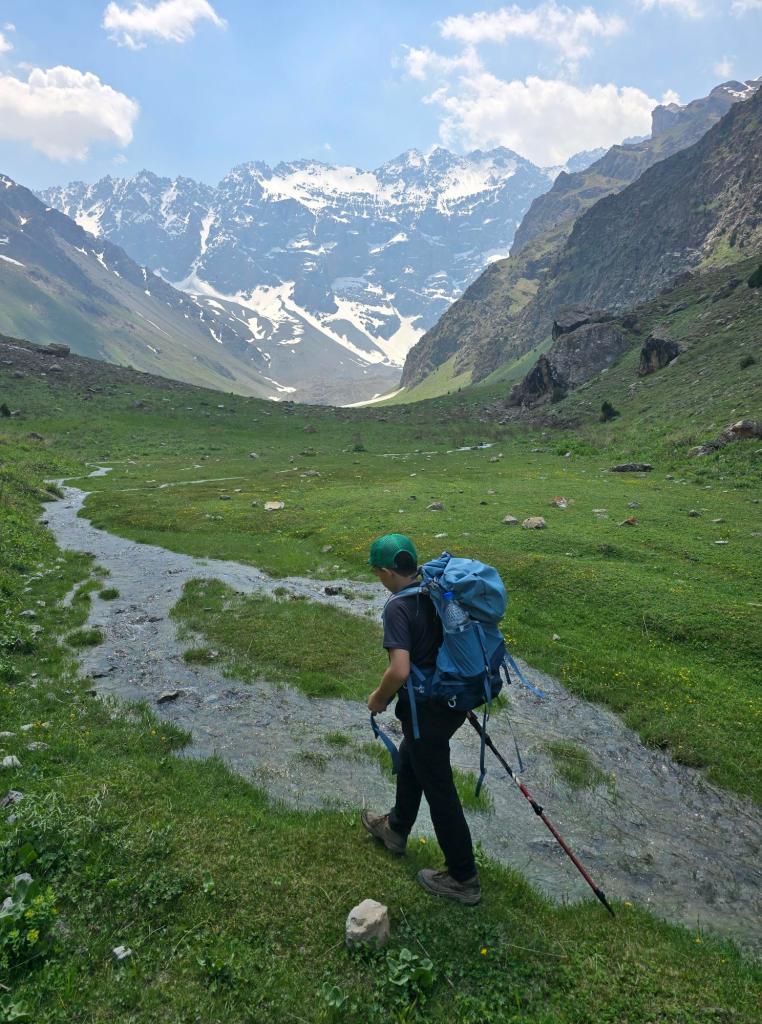
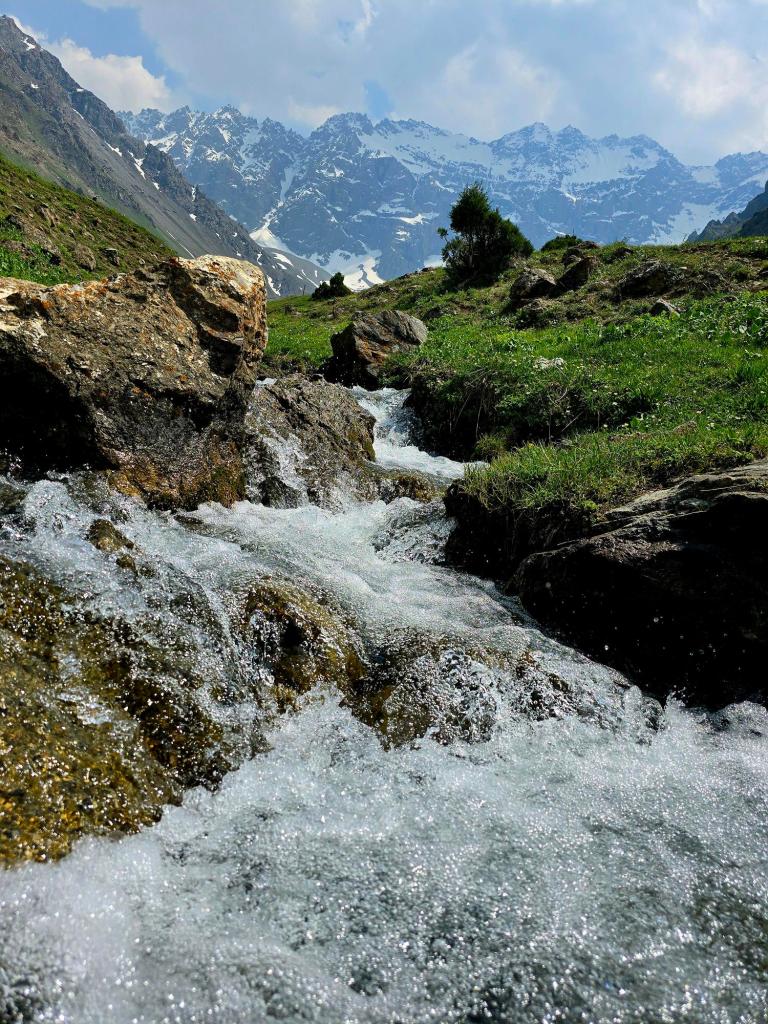
We parked the car as far up into the village as we could get and made sure with a local family that it was alright to leave the van there. The trail begins climbing immediately up through a few small stone homes and storage sheds, passing garden plots and irrigation channels before breaking out into beautiful alpine fields of grass and wildflowers with dramatic peaks rising in every direction. The sound of running water and birds are constant companions. These small villages scattered through the Fann Mountains often have only a few dozen homes and revolve around seasonal livestock grazing and small garden plots carved into the slopes.
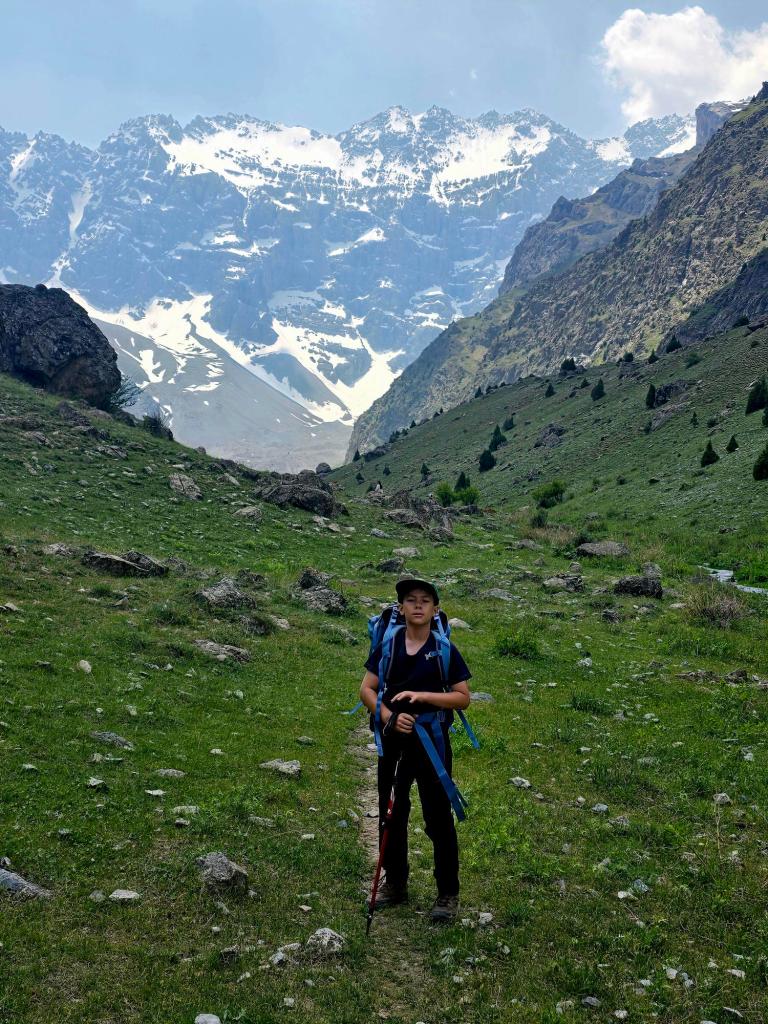
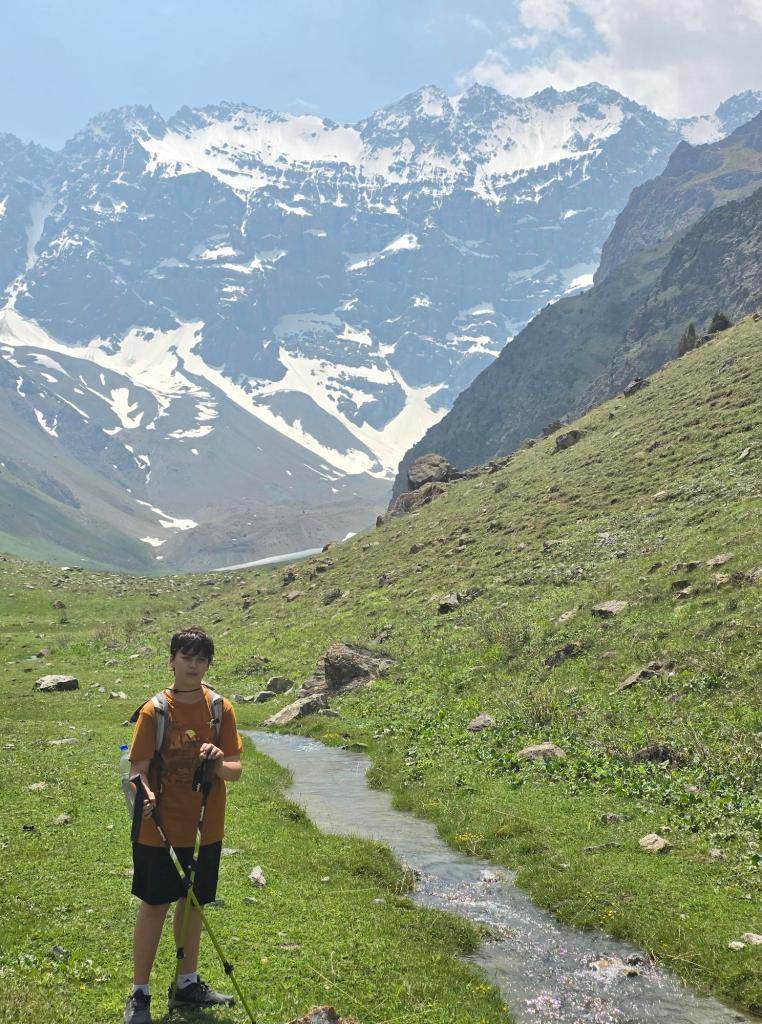
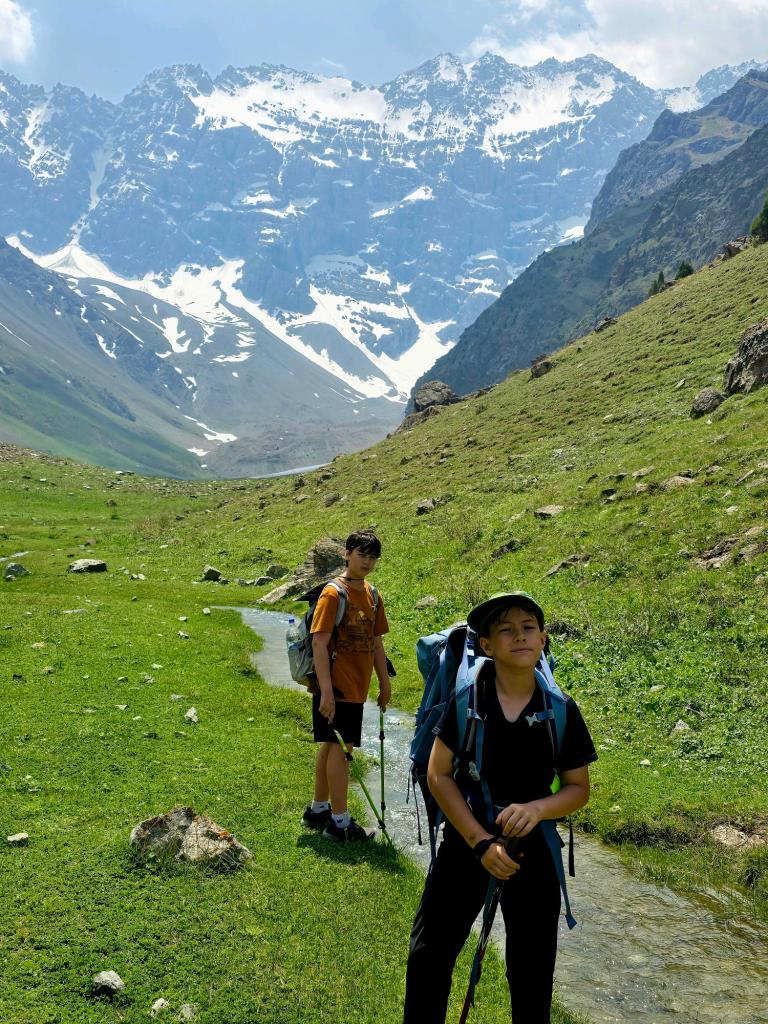
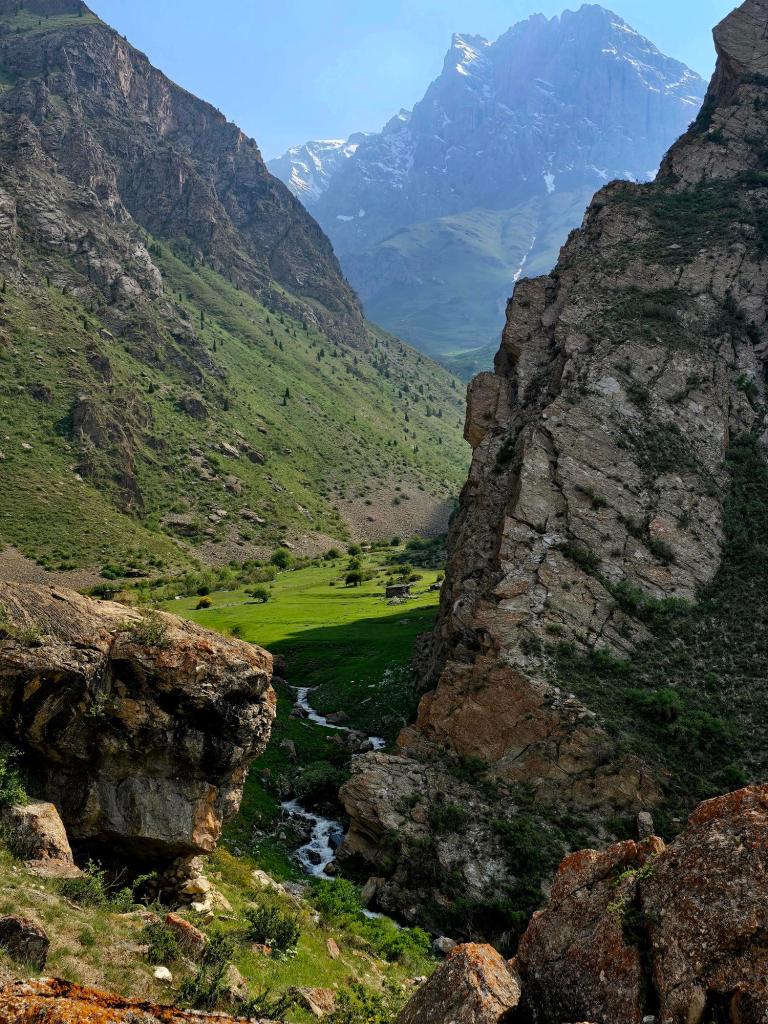
Reaching the top of the first climb, the trail splits. One route climbs up to the left, while the other drops down to the right into a valley beneath three huge peaks. The lake lies up on the left trail, which continues climbing higher along the slope. From this point you can already see the massive wall where the lake basin lies far in the distance. The valley below is perfectly green, with a river winding its way down through it.
From here the trail climbs a series of shelves. Each one runs flat for a while before turning into a steep climb where you expect the lake to finally appear. Instead you reach another shelf with a steep wall at the end of it. This happens several times along the way, but one thing becomes increasingly clear with each climb—the scale of the wall ahead is enormous.
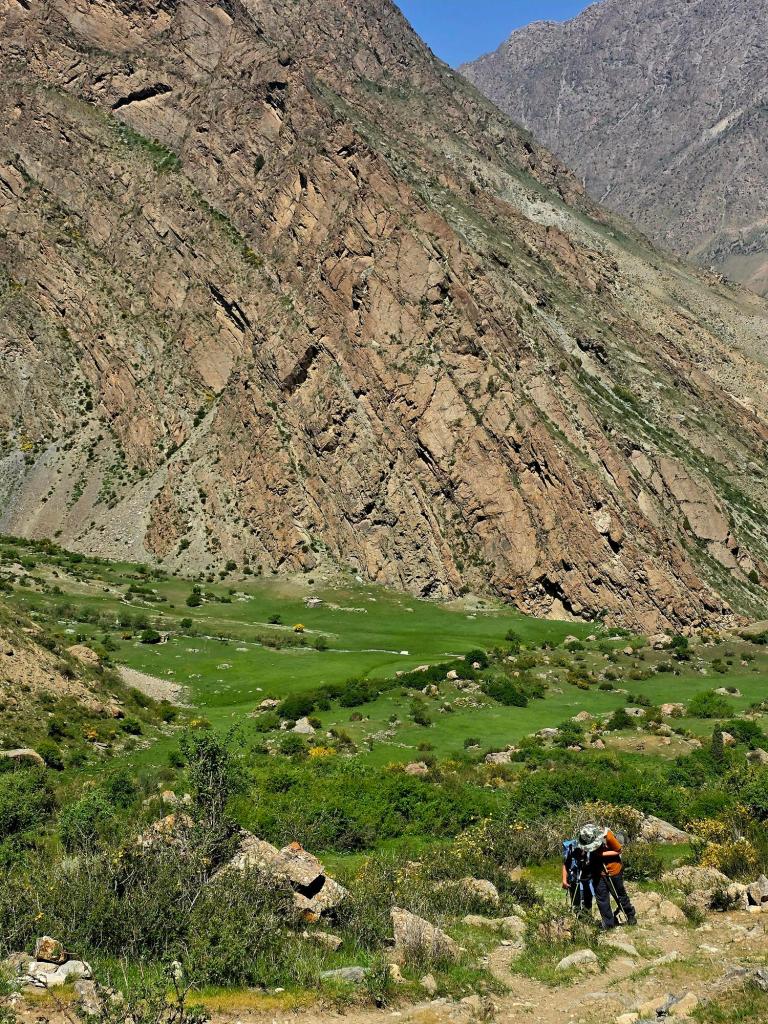
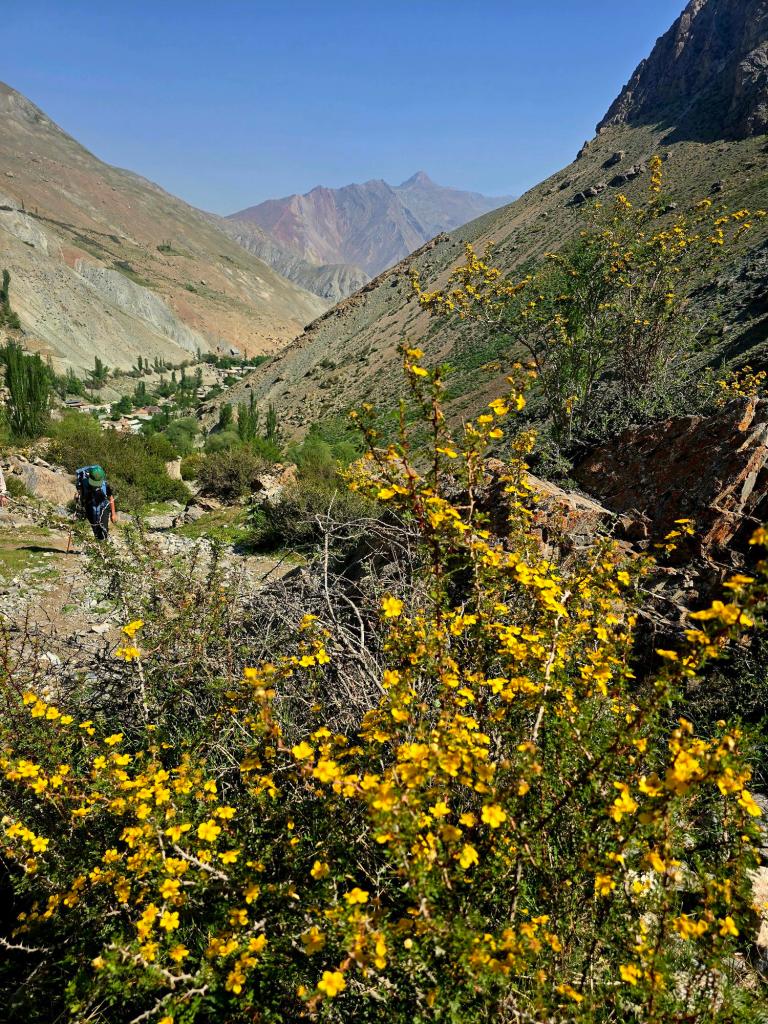
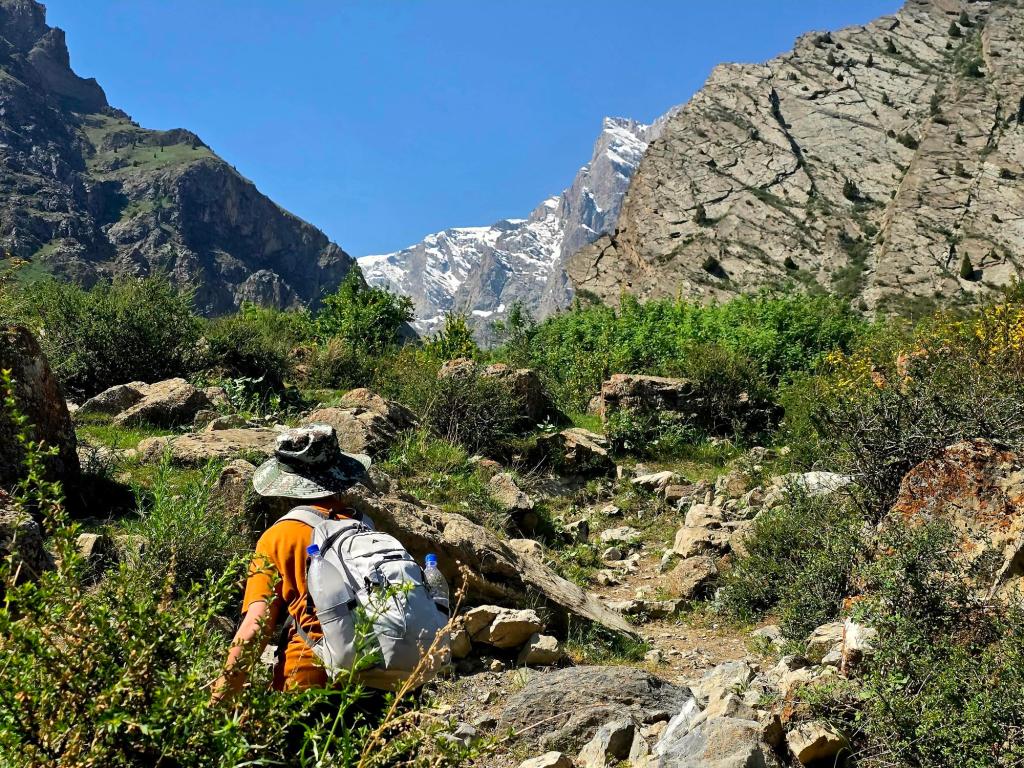
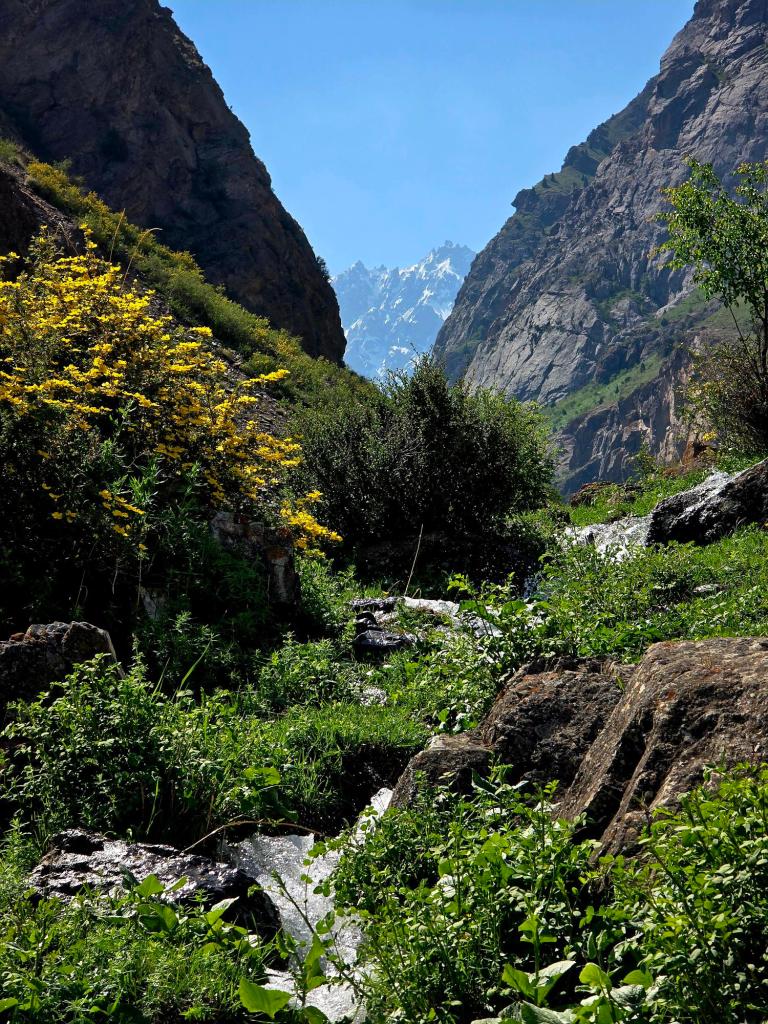
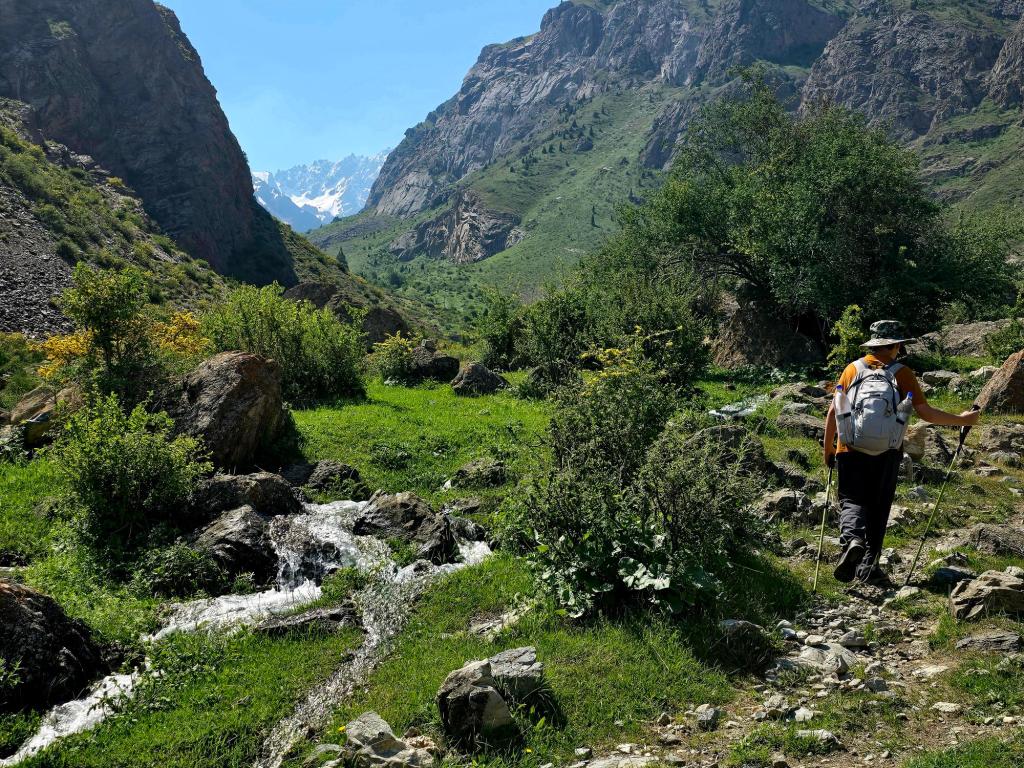
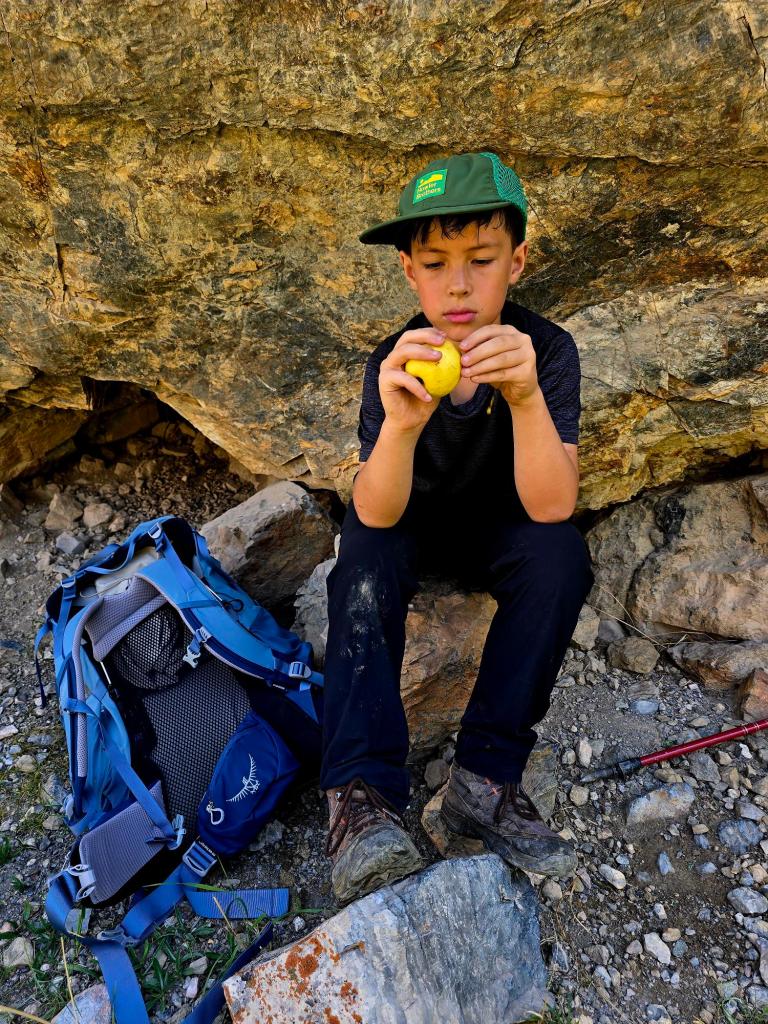
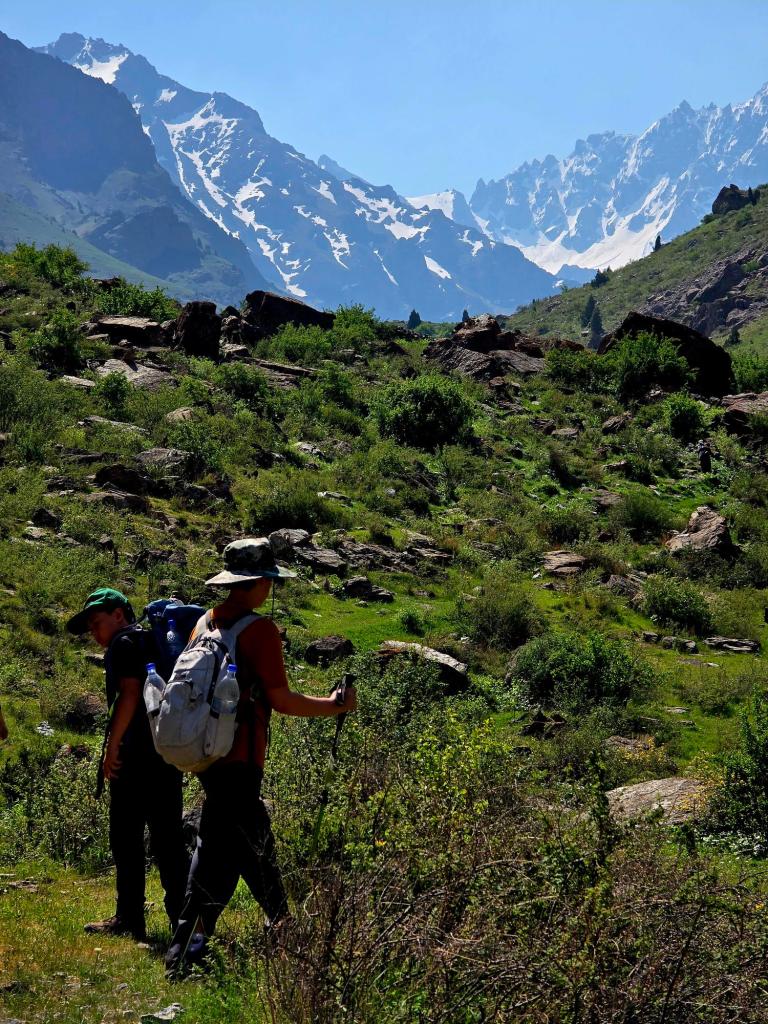
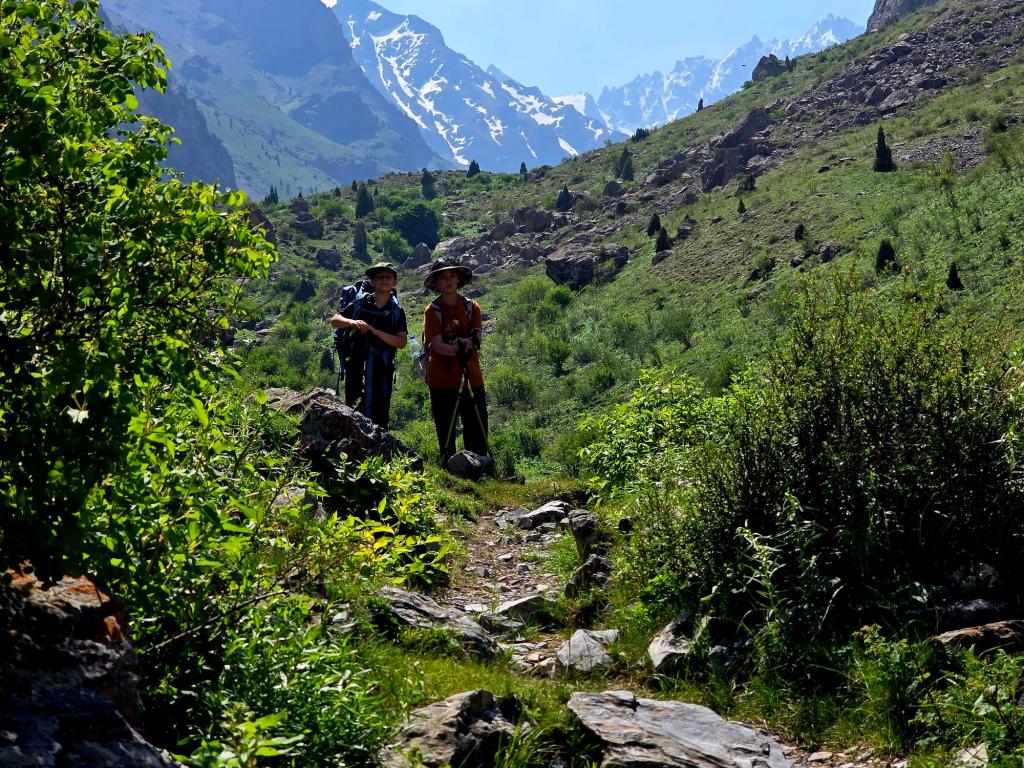
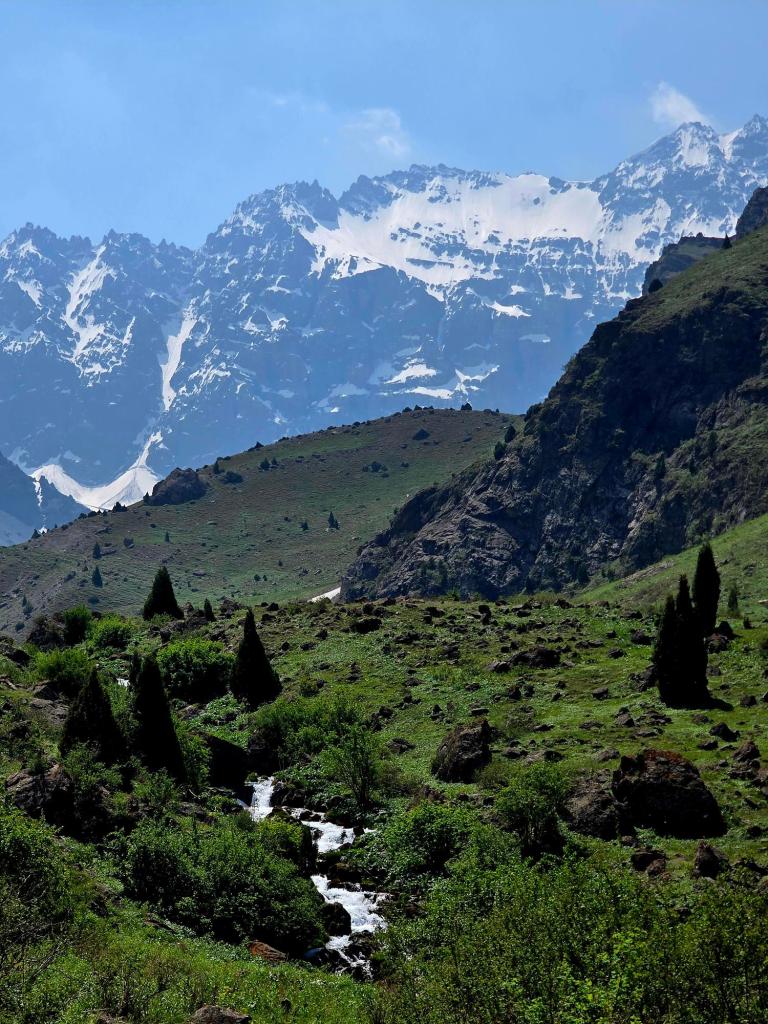
Eventually the trail breaks out onto the top of one of these shelves right beside the river and the terrain suddenly opens into a massive alpine basin. Follow the river another couple hundred meters and the lake finally comes into view.
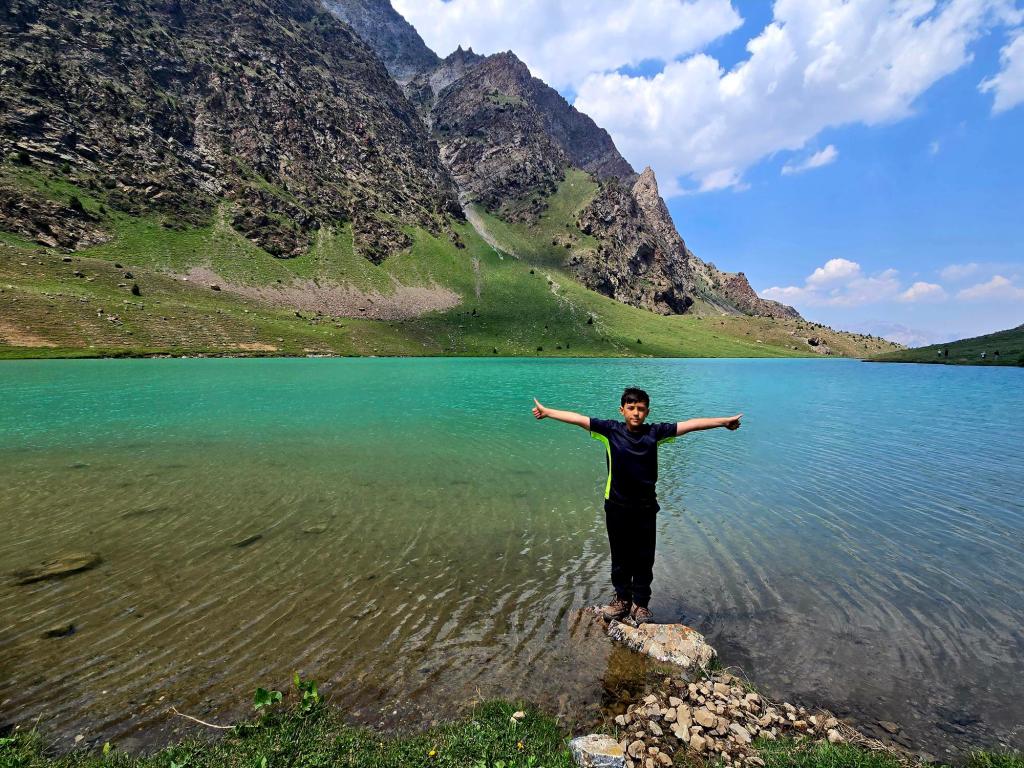
The lake itself isn’t particularly large, but its color immediately catches your attention—a bright turquoise that seems almost unreal against the dark cliffs behind it. That color comes from glacial flour, fine rock powder created as glaciers grind against the mountains above. Suspended in the water, it scatters sunlight and gives the lake its striking jade color.
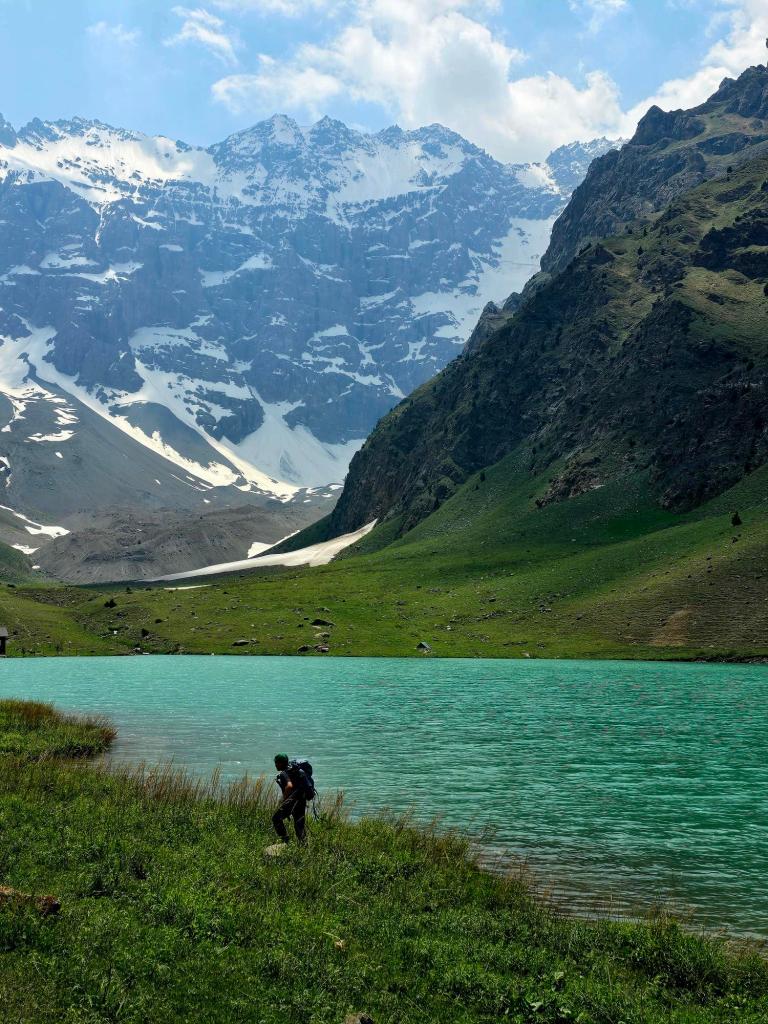
Behind the lake rises the towering wall of the Gaznok ridge, with peaks climbing to nearly 16,000 feet above sea level. The cliffs are banded with layers of rock that were lifted and folded when the Indian tectonic plate pushed into Eurasia millions of years ago, crumpling the mountains upward and forming the Pamir-Alay range. Snowfields and fragments of glacier still cling to the high pockets above, remnants of the ice that once filled this entire valley.
Standing there, it’s easy to read the story of the landscape. Thousands of years ago during the last ice age, a glacier occupied this entire basin. The steep amphitheater wall above the lake is a classic glacial headwall where the ice accumulated and began its slow movement downhill. As the glacier flowed through the valley, it carved the wide U-shaped basin that now holds the lake. When the ice eventually retreated, it left behind a massive mound of rock and debris at the base of the wall—a moraine that marks the glacier’s former edge.
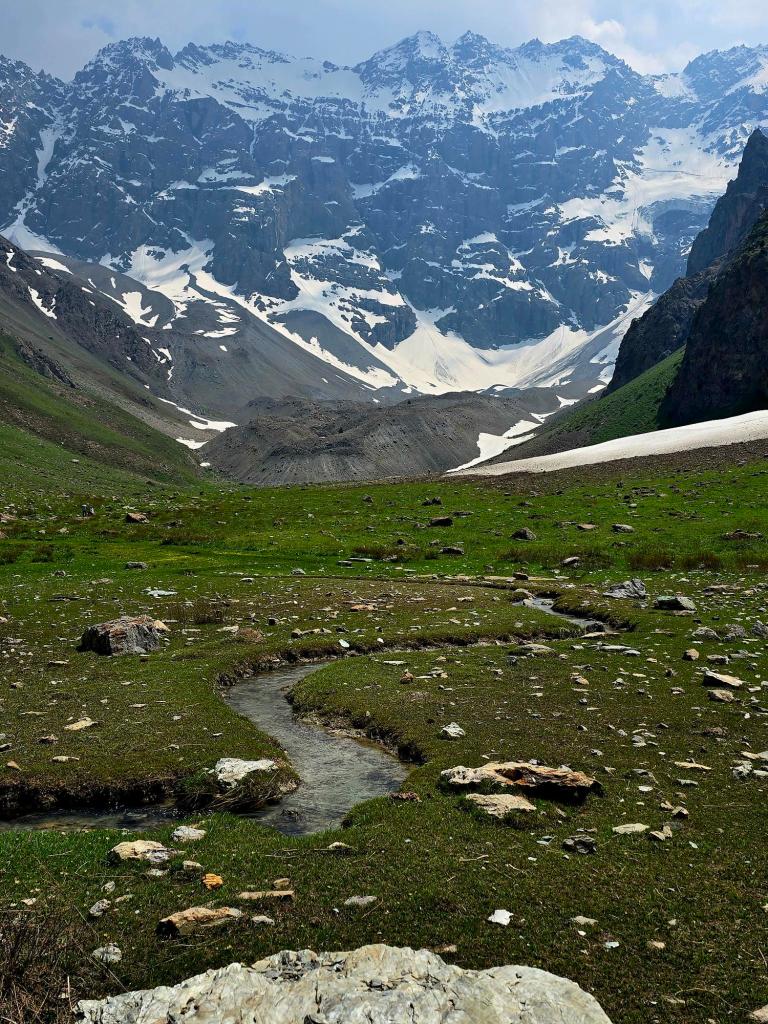
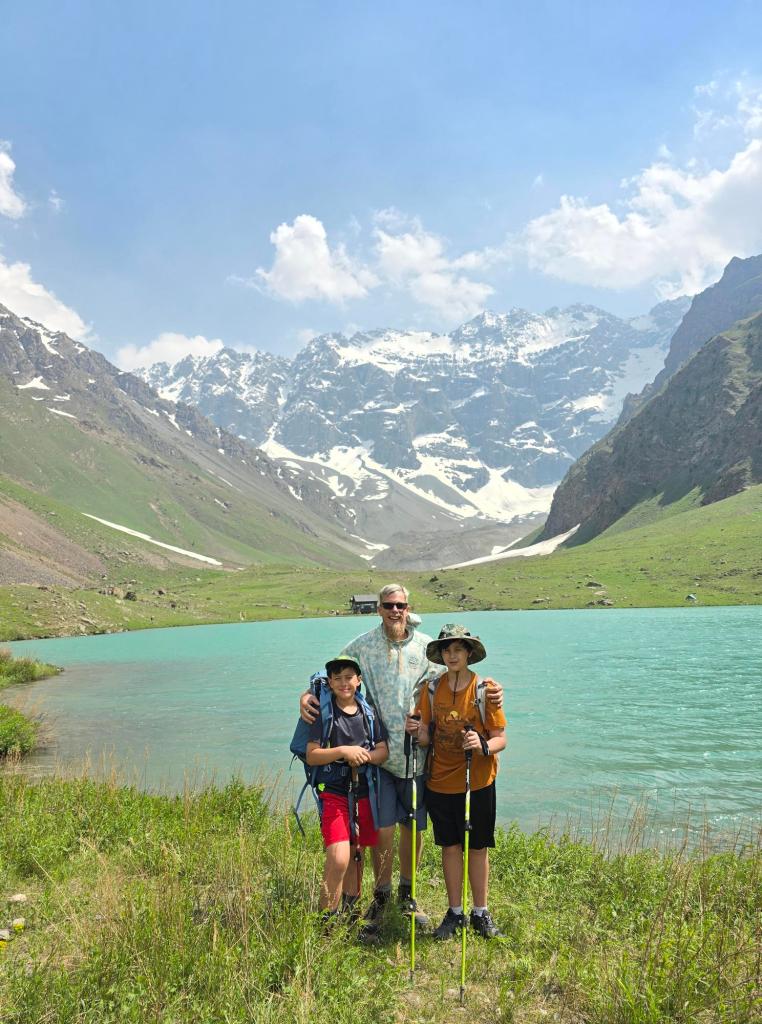
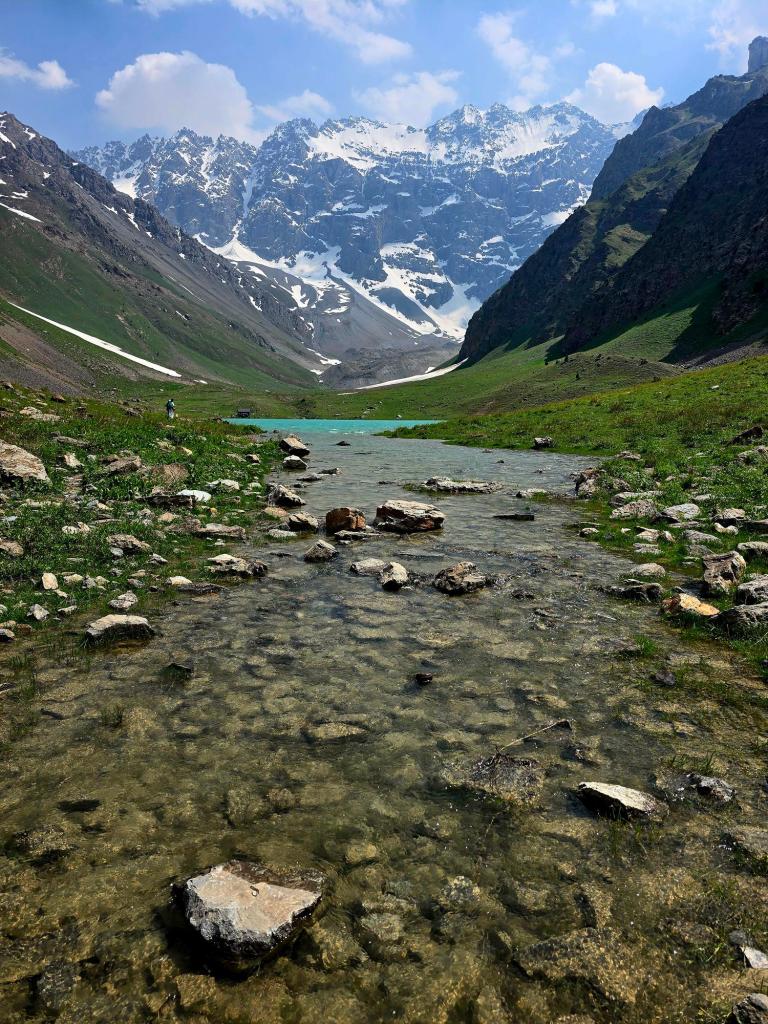
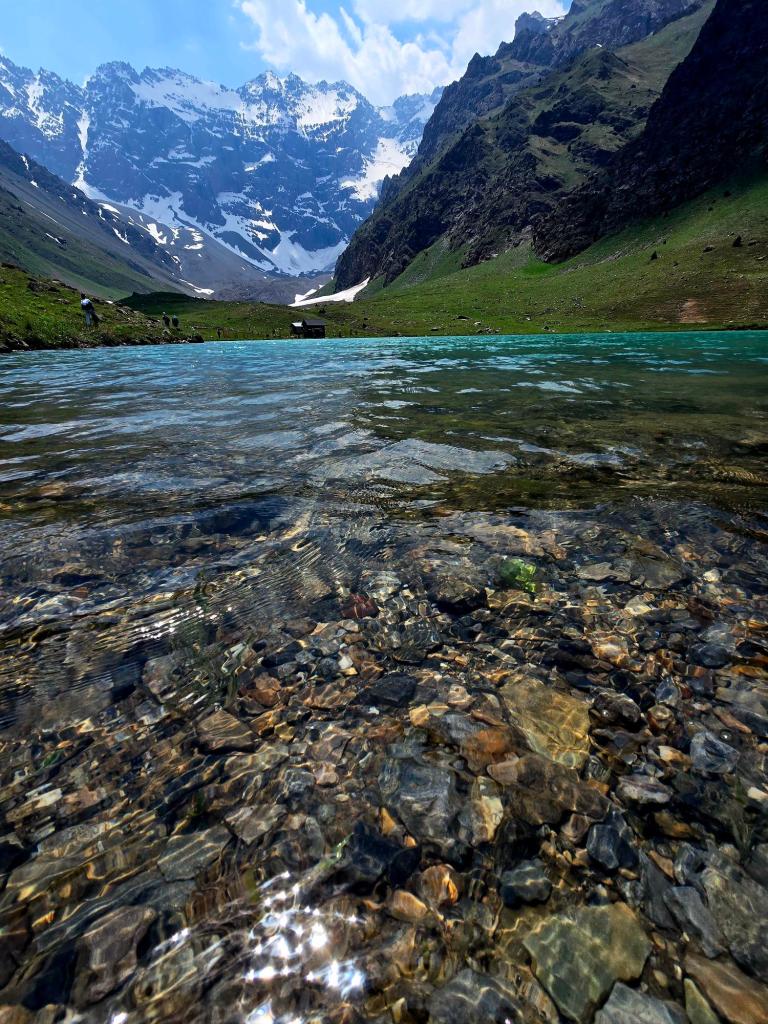
Today only snowfields remain high above, but the valley still carries the signature of the glacier that shaped it.
It’s the kind of place that invites you to pitch a tent for several days, spending your time wandering the basin, taking daily ice swims, and simply absorbing the quiet magic rising from the cliffs.
As soon as we reached the far side of the lake, I changed into swimming trunks and tested the water. Like most lakes in this country, it was shockingly cold. The kind of cold that instantly steals the air from your lungs. I managed three quick dips, each lasting maybe a minute before scrambling back out onto the grass.
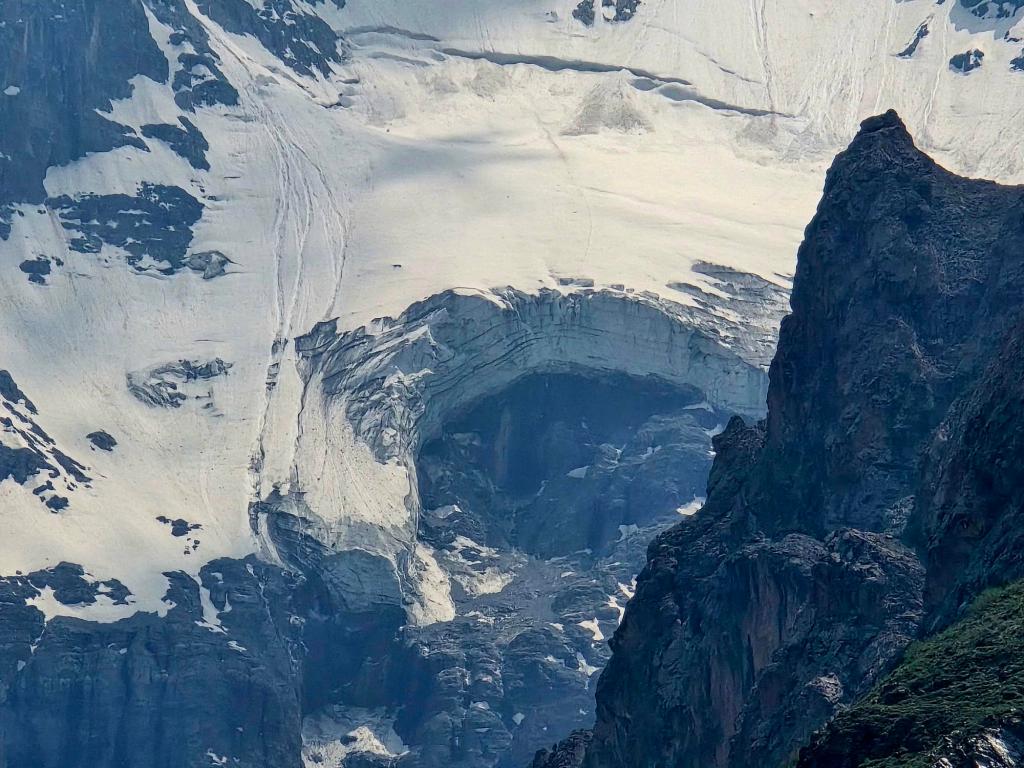
After the third plunge I changed back into dry clothes and joined the other hikers for lunch spread across a collection of mats around a large tablecloth. On the far side of the lake sits a small one-room shelter where a local man spends his summers. He told me that for nine months each year he works in New York City, returning home to Tajikistan for the summer months to relax in the mountains. Not a bad place to recharge.
After lunch we wandered a bit closer toward the base of the wall, but before long people were beginning to pack up for the hike back out. We had spent a couple of hours beside the lake, but as we started walking away it already felt like not enough time. This is definitely a place worth returning to.
The hike down went much quicker than the climb up. After a few short breaks we reached the junction again where the trail drops down to the right toward the village. The late afternoon light had begun to soften and the peaks off to the left were glowing against the sky. A whole other valley stretched out in that direction, promising more exploration for another day.
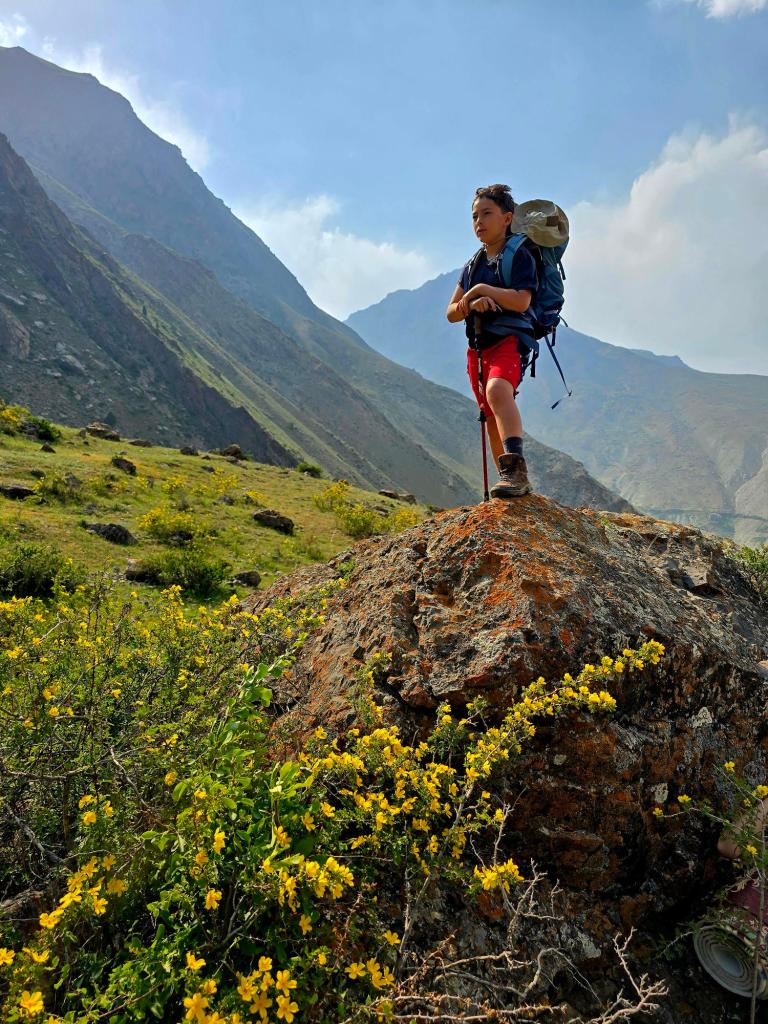
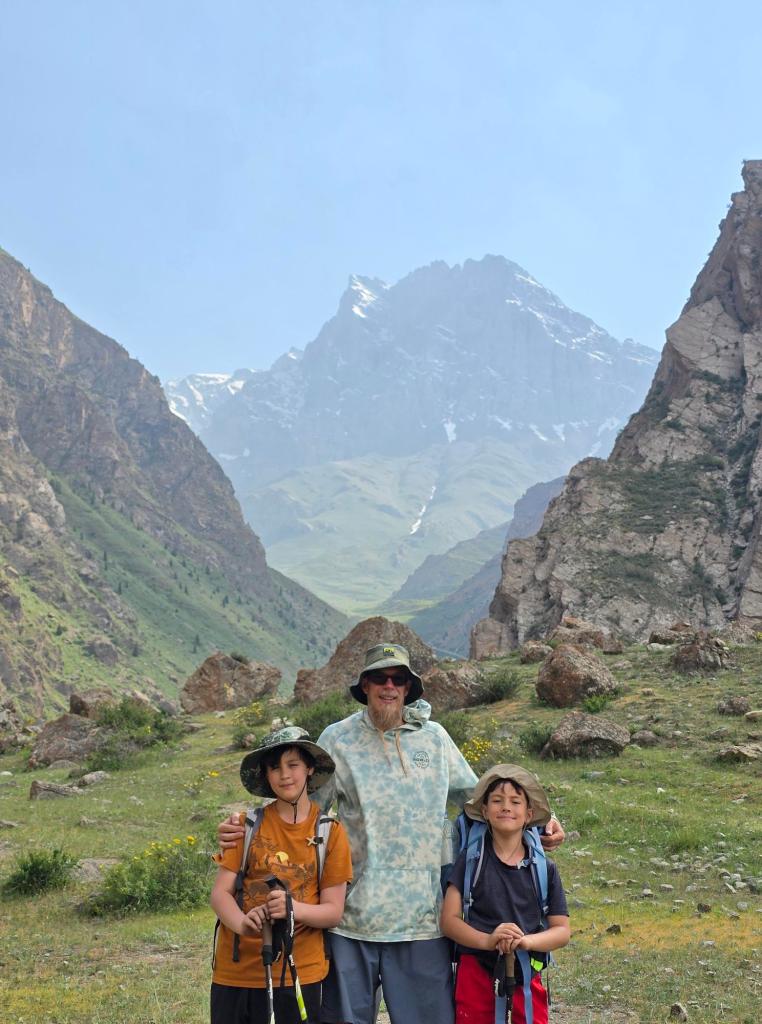
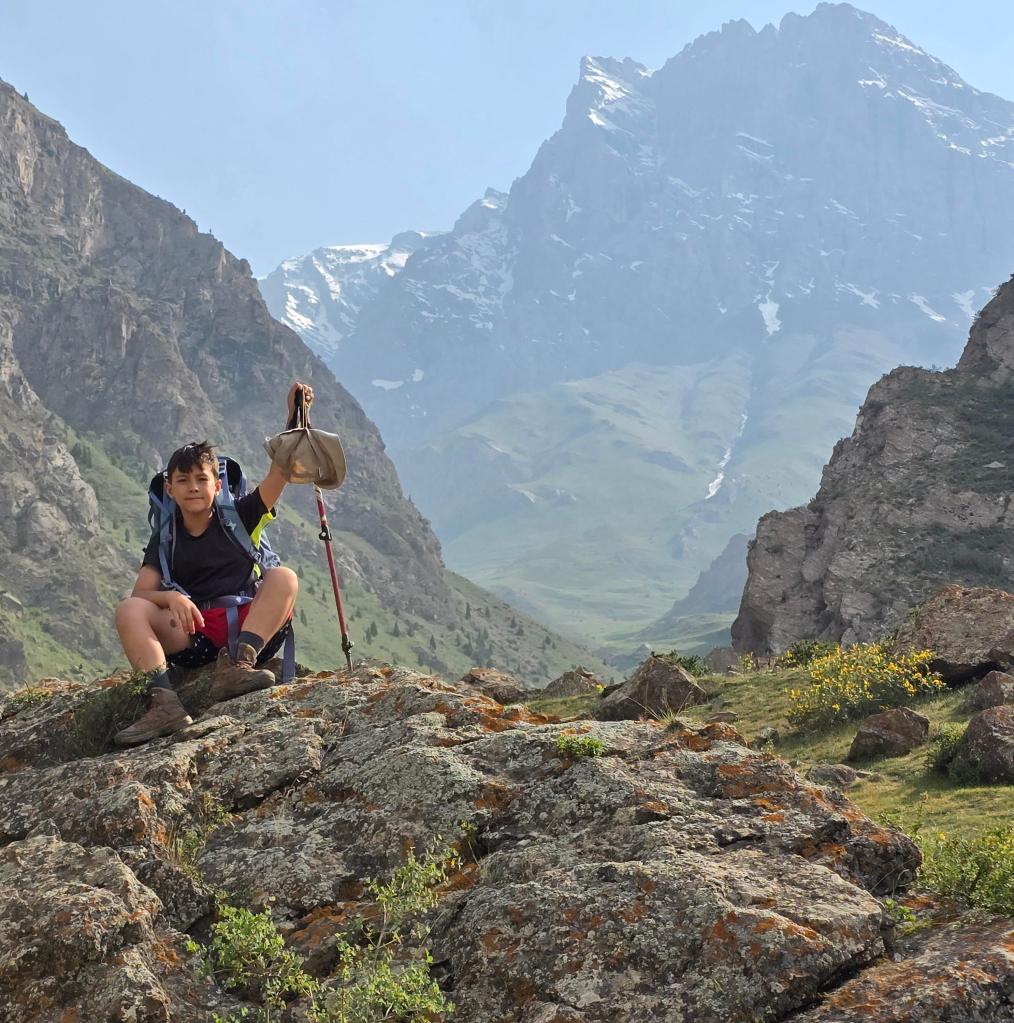
Half an hour later we were walking back into Shurpas. Kids ran through the village lanes while others rinsed off in irrigation canals running between the homes. A few older men stood near our vans chatting and watching the scene unfold. We loaded up the gear and began the drive back toward Dushanbe, adding another spot to the list of favorite places and another good day spent in the mountains with the boys.
 Wise Clan in Stanland
Leave a comment