A Short Walk into the Heart of the Fann Mountains
Trail Stats
📏 Distance: 3.9 miles
⬆️ Ascent: 413 ft
⬇️ Descent: 568 ft
⏱ Total Time: 4h 39m
🥾 Time Moving: 2h 28m
📅 Date First Hiked: May 9, 2025
⚖️ Difficulty: Easy
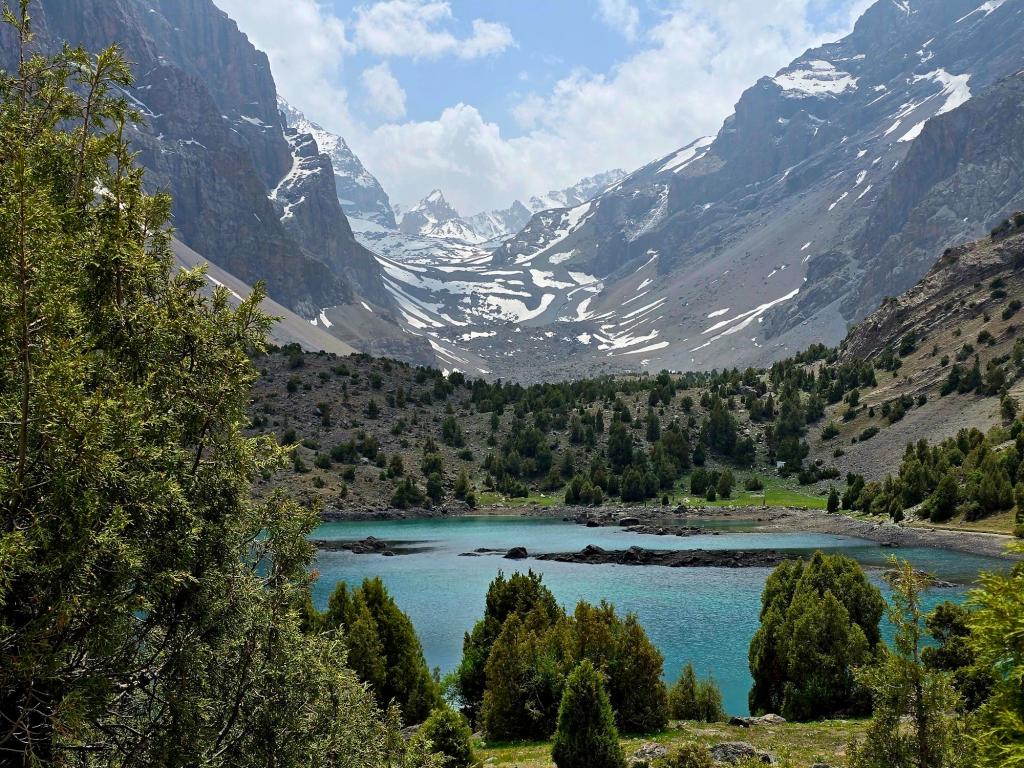
Drive deep enough into the Fann Mountains and you eventually come to a cluster of lakes that look like something pulled straight out of a mountaineering magazine. I finally made my first trip to this area in early May of 2025, and despite the relatively short hike once you arrive, getting there is half the adventure.
The road is not an easy drive. From Dushanbe you climb the entire length of the Varzob Valley, eventually reaching the high point of the highway at the Anzob Pass before plunging through the infamous “Tunnel of Death.” On the other side the road drops down into the Zeravshan drainage, and not far beyond the turnoff to Iskanderkul you leave the pavement behind. From there the journey continues for a couple more hours on rough dirt roads—bouncing through villages, winding up steep canyon walls, crossing wide grassy meadows with shallow river crossings, and finally grinding up one last steep climb until you reach a small mountaineering base known as Vertical Alauddin.
Vertical Alauddin serves as the jumping-off point for all sorts of trips into the heart of the Fann Mountains. From here you can make the short hike up to Alauddin Lake, as well as several other lakes in the immediate basin. Collectively these are often referred to as the Chapdara Lakes, a chain of alpine waters sitting around 2,800 meters beneath some of the most dramatic peaks in the range.
It’s one of those rare places where the scenery feels wildly disproportionate to the effort required to reach it. With only a short hike you suddenly find yourself surrounded by jagged alpine peaks, snowfields clinging to dark rock walls, and water so clear it looks almost unreal. It’s a perfect destination for a day trip if you’re short on time—but even better if you bring a tent and stay the night along the shoreline.
Many longer Fann Mountain treks also begin here. Just above Alauddin, nearly 3,000 vertical feet higher, lies Mutnye Lake. Beyond that rises the high alpine terrain leading toward Chimtarga, the tallest peak in the Fanns. Another popular route climbs west from the lake to Alauddin Pass at roughly 12,400 feet before dropping down toward Kulikalon Lakeand the wide alpine meadows below. From there trekkers often continue toward Artuch or even link up with routes leading toward the famous Seven Lakes. In other words, Alauddin isn’t just a destination—it’s a gateway into the deeper mountains.
This particular trip was my third or fourth outing with the Daidushki crew and another great day in the mountains. We made some new friends and I was introduced to a place that I’ve since returned to several times.
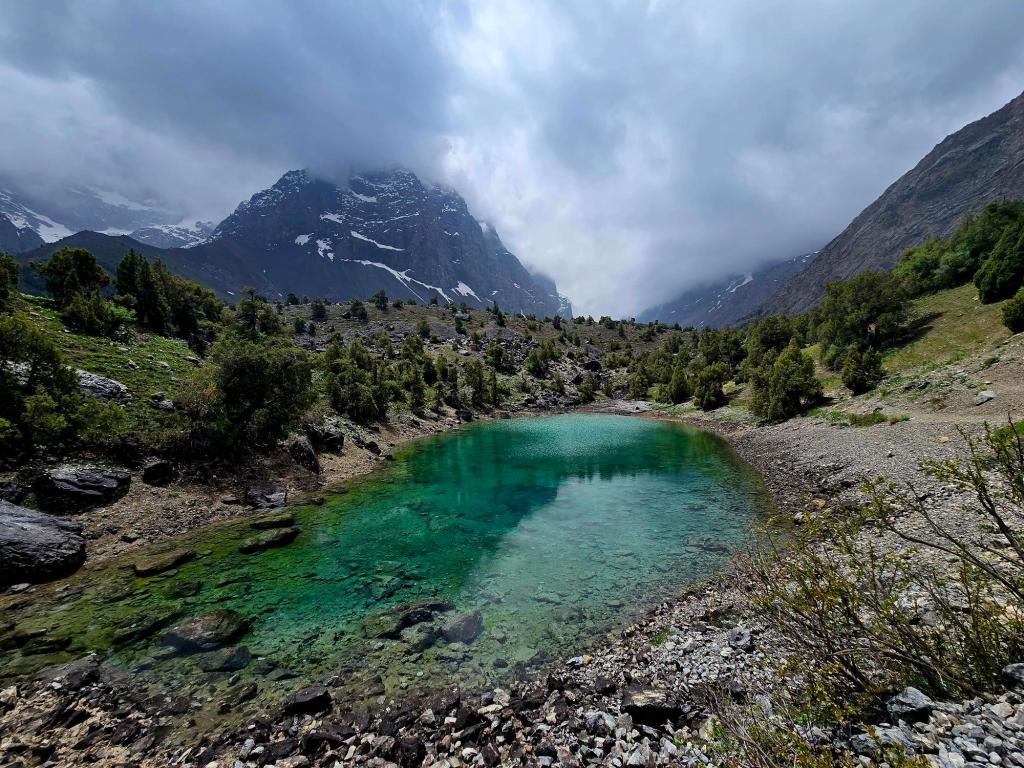
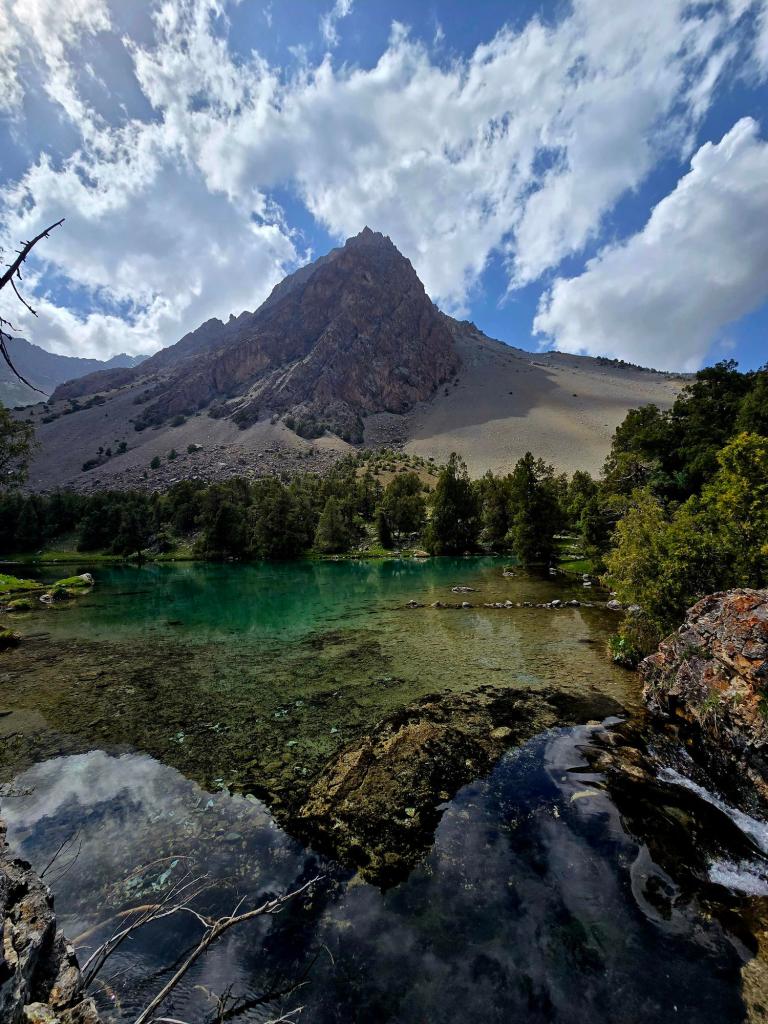
Parking at Vertical Alauddin, the hike begins almost immediately. Within a short distance the trail climbs up onto a terrace where you encounter the first of the lakes. It’s pretty spectacular in its own right. The shoreline is lined with thick, impossibly green grass, and the water is shallow and crystal clear. Behind it rise jagged peaks still holding streaks of late-season snow.
It’s the kind of place where you naturally stop for five or ten minutes—not because you need a rest yet, but because the scenery demands a moment to sink in.
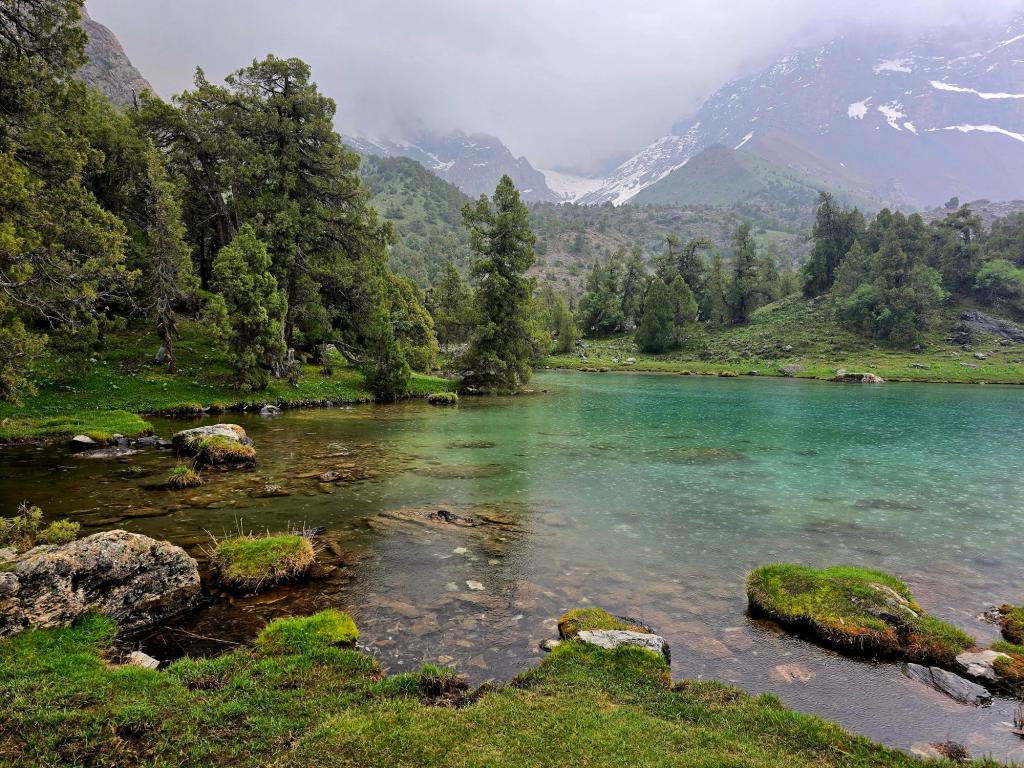
Back on our feet, we continued past a much smaller lake ringed by rocks and boulders. We pushed right by it and climbed onto the next plateau, which actually looks like a logical place to set up camp if you want some protection from the wind. In the summer though, it’s hard to beat camping directly on the shoreline of the big lake itself.
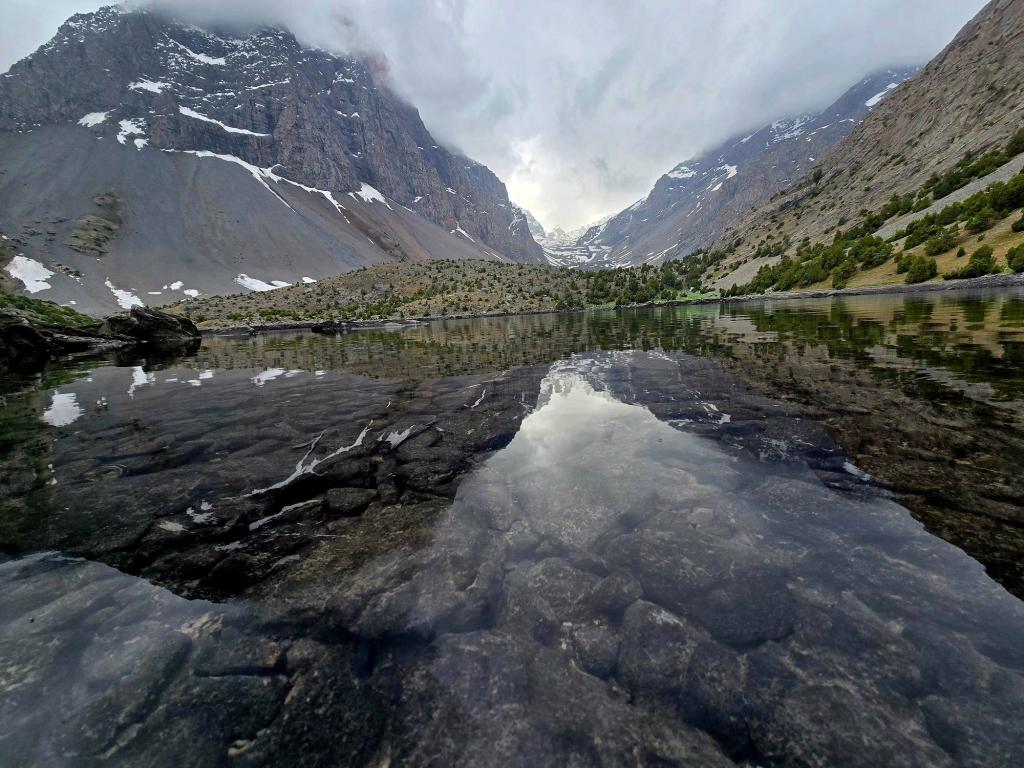
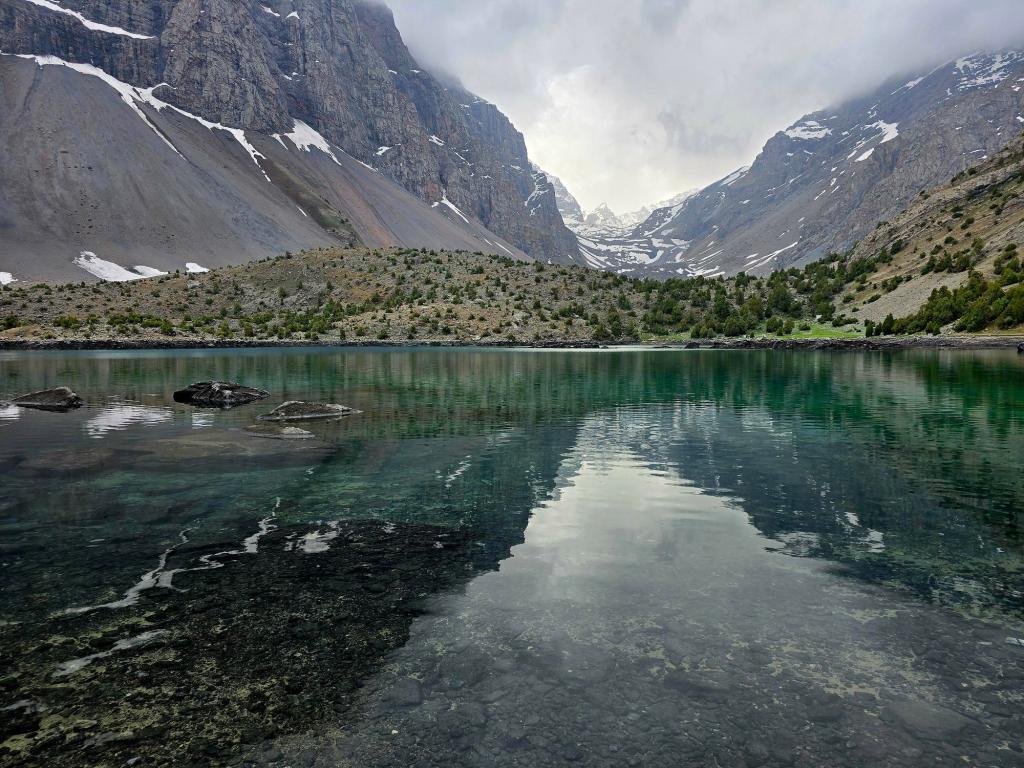
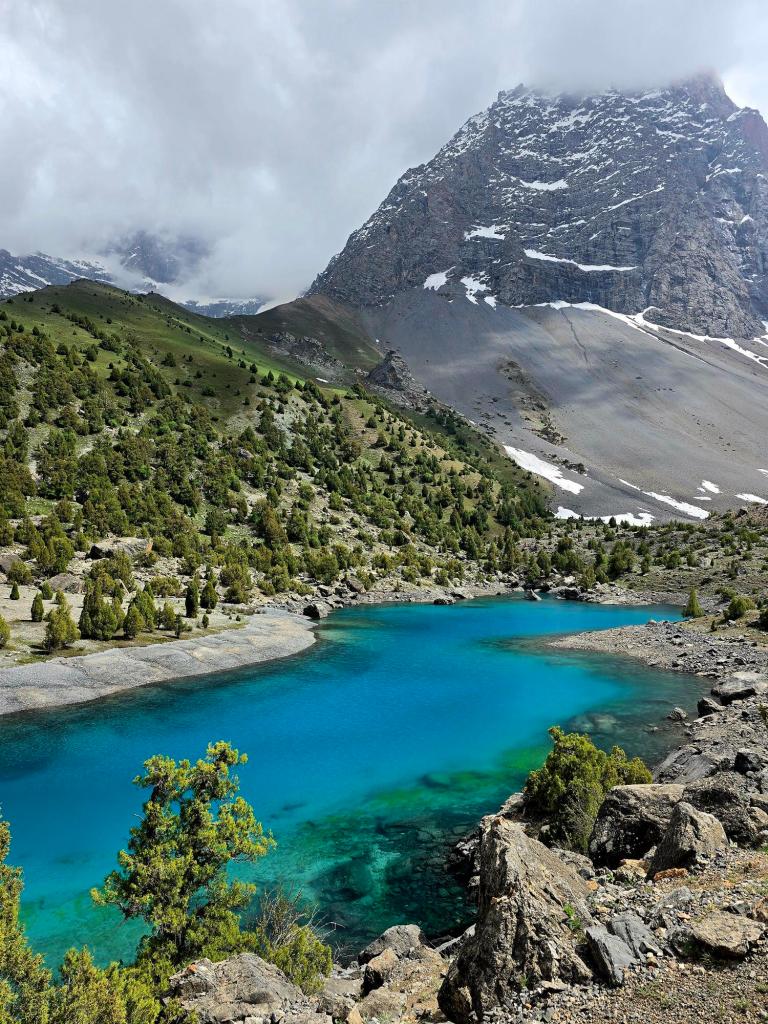
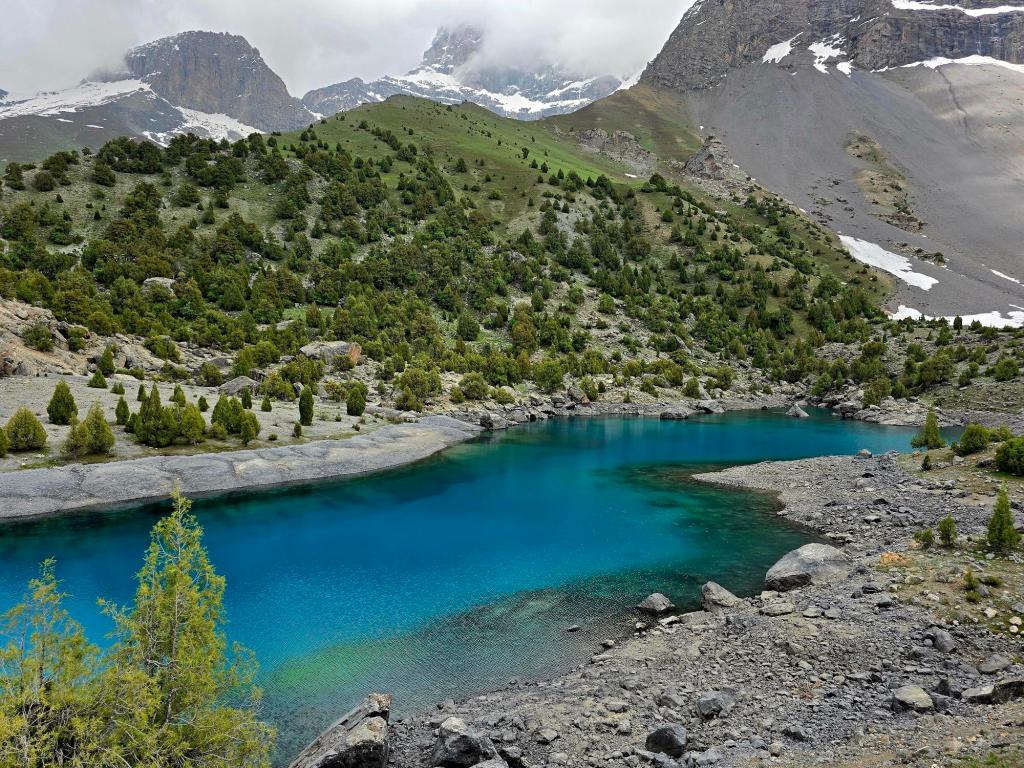
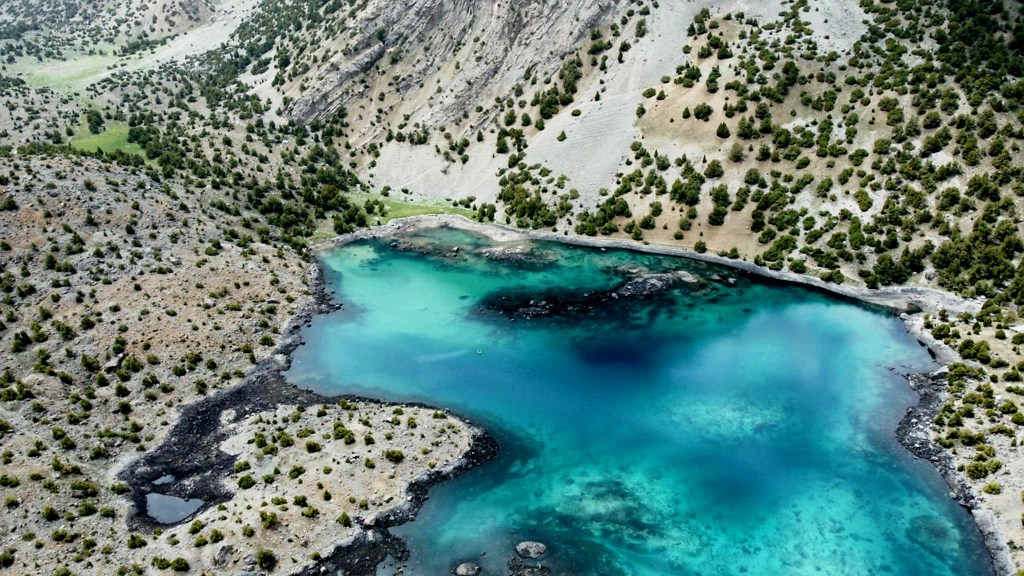
When we finally reached Alauddin Lake, the surface was smooth as glass. The sky was still mostly gray and overcast, which gave the whole place a moody, almost cinematic mountain atmosphere. I did what I usually do when arriving at a new alpine lake—I jumped in.
The water was absolutely freezing.
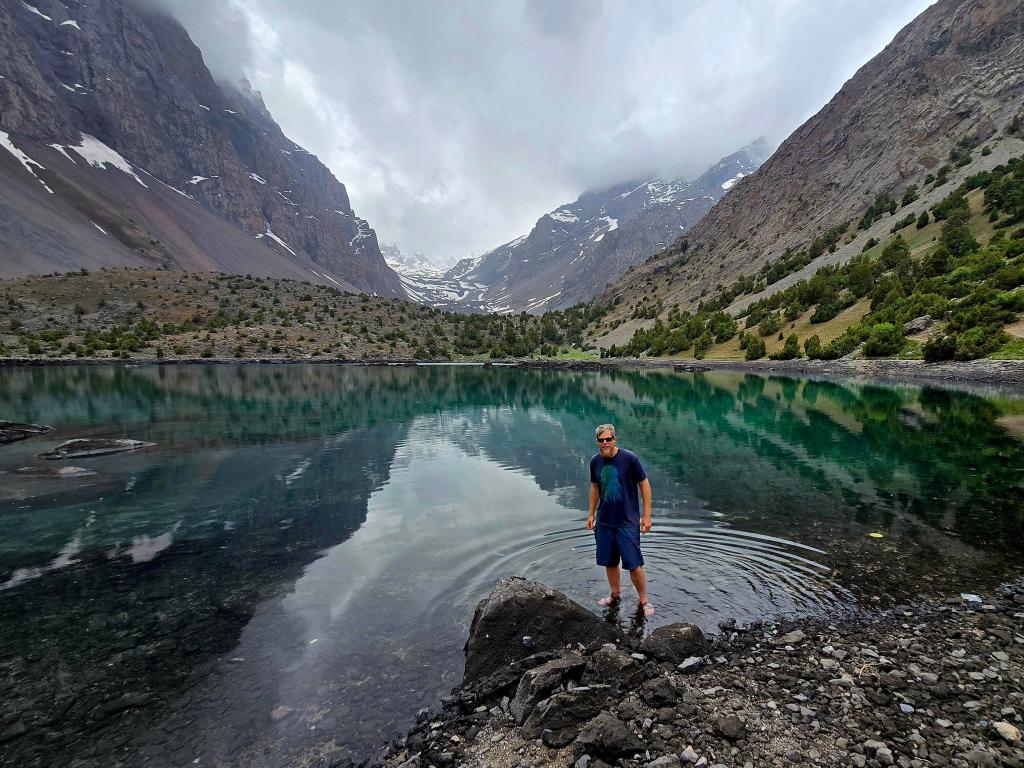
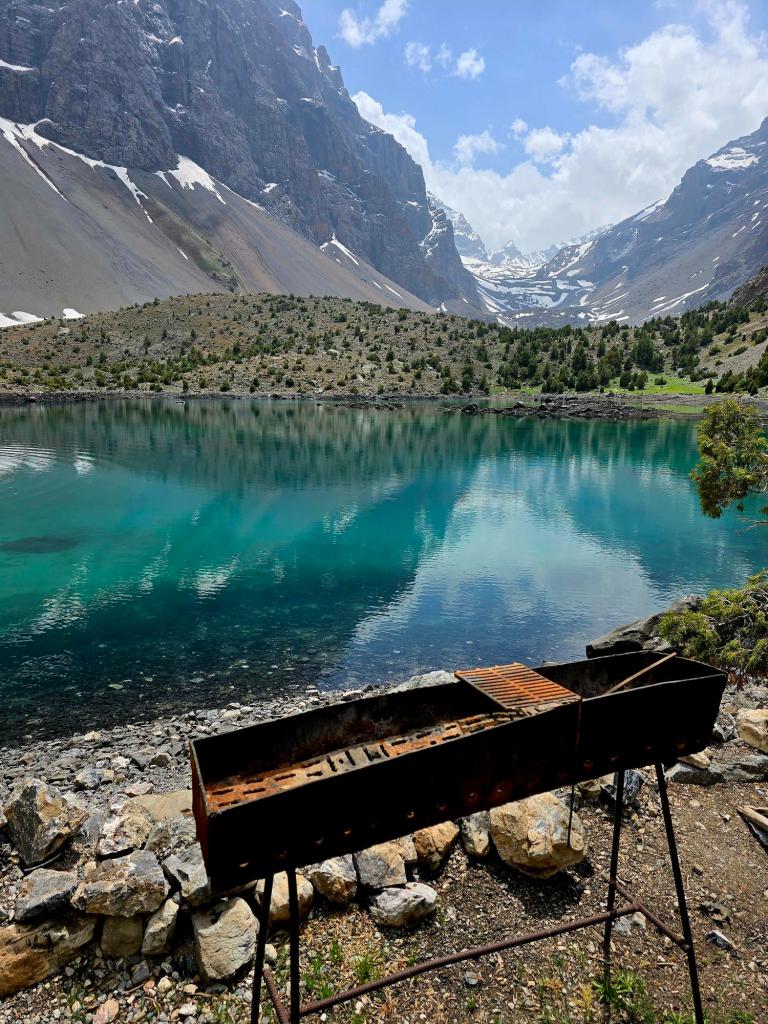
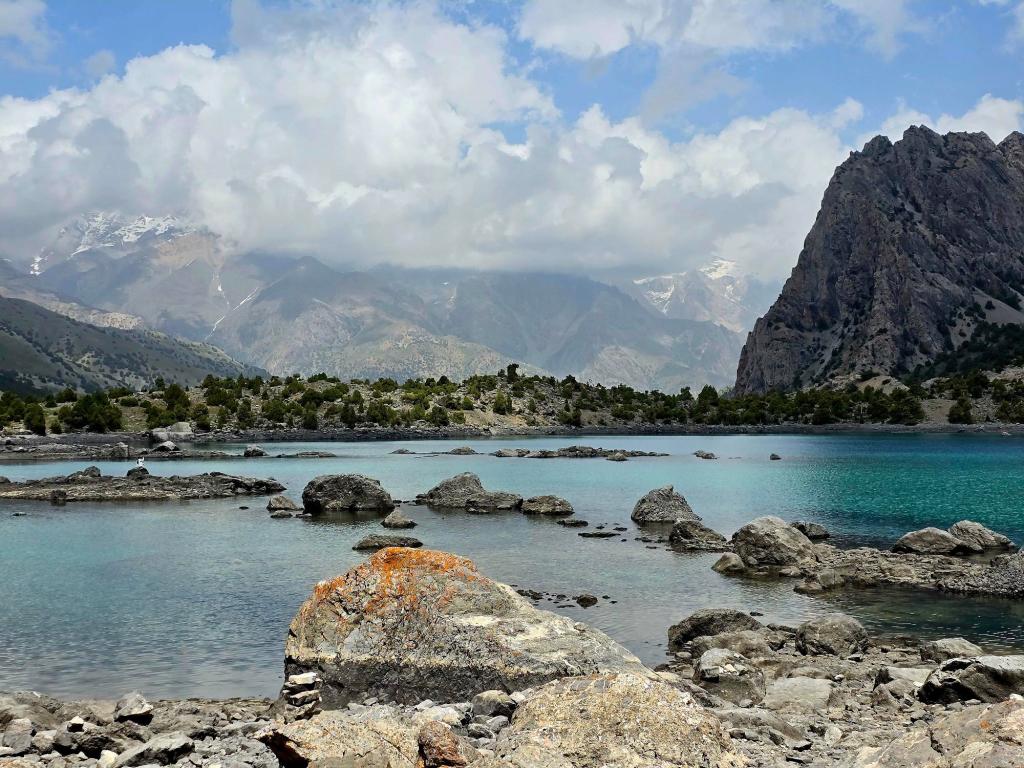
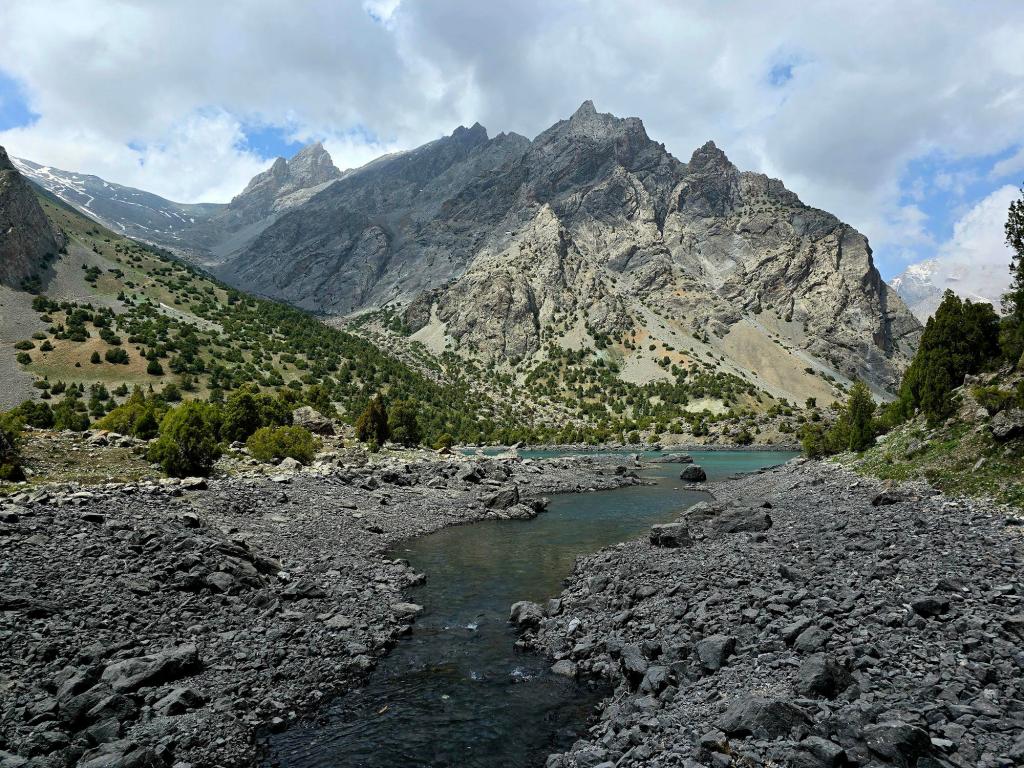
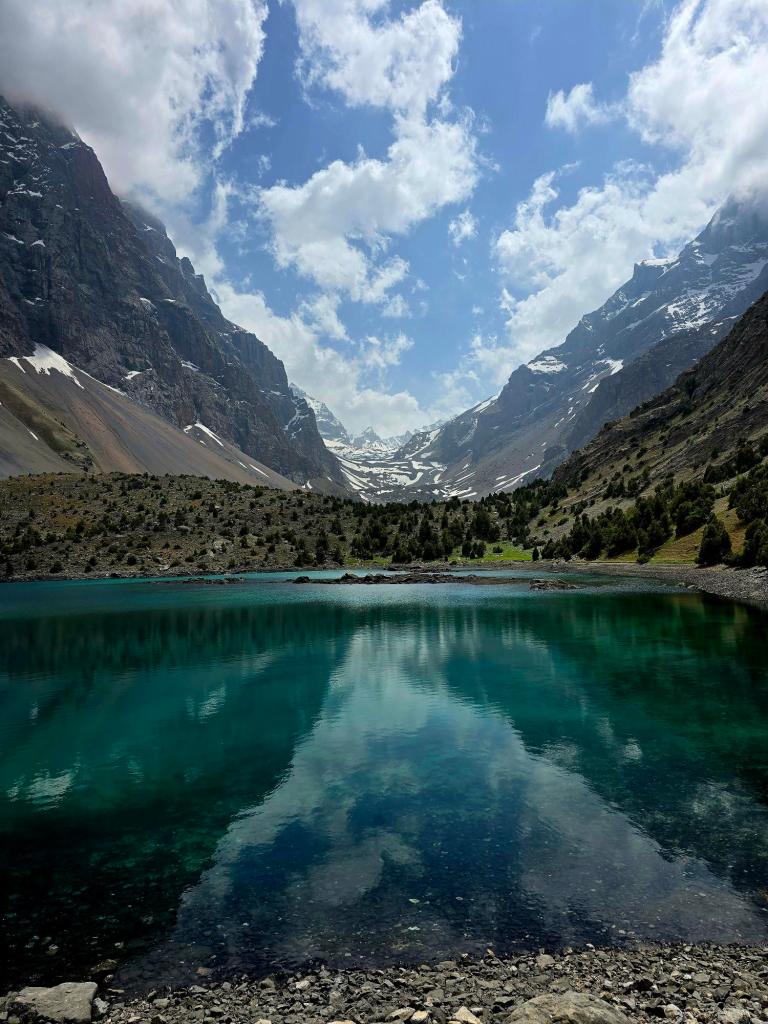
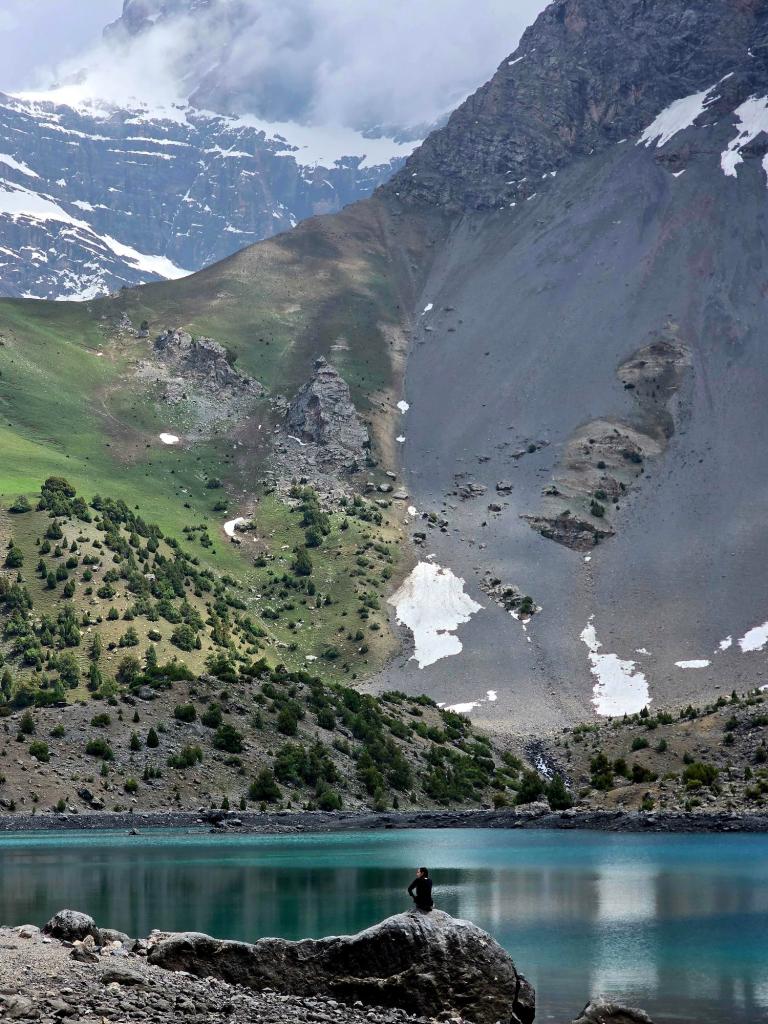
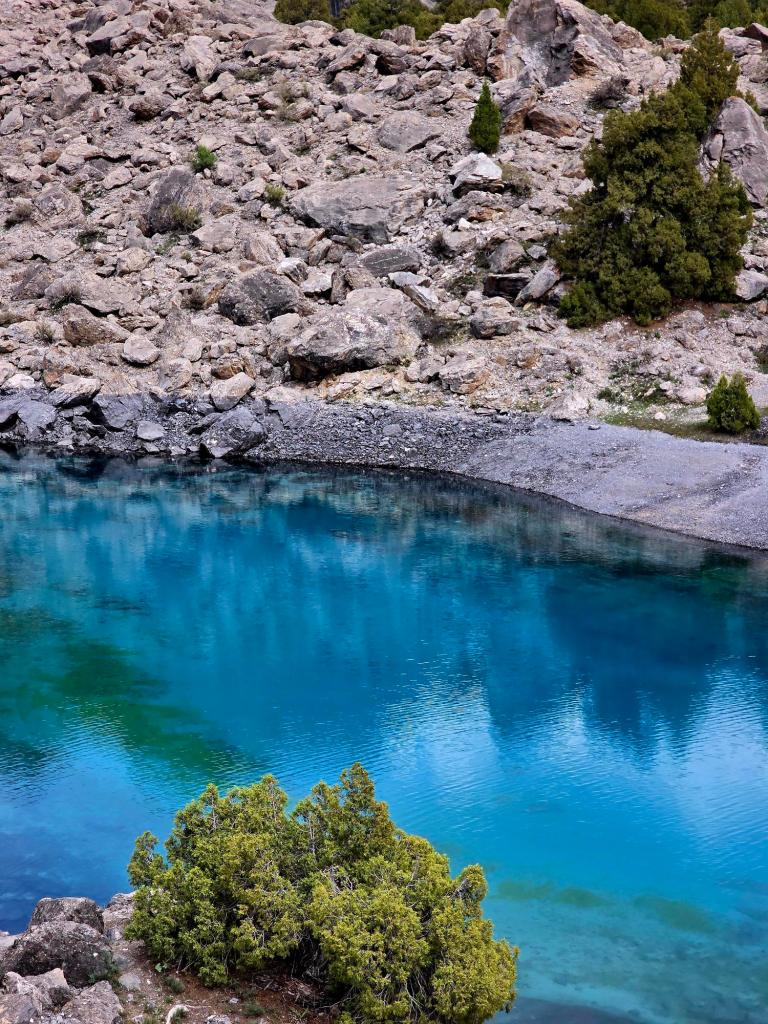
After a quick and invigorating swim in the icy blue water, we brewed some tea, unpacked snacks, and relaxed along the shore before starting a slow walk around the lake. As we worked our way along the shoreline the clouds began to break and sunlight started filtering through. Within minutes the entire color of the lake shifted. What had been a dark, brooding blue suddenly turned into an almost electric shade of turquoise under the sun.
It’s one of those moments when the mountains remind you how quickly a landscape can transform with just a little change in light.
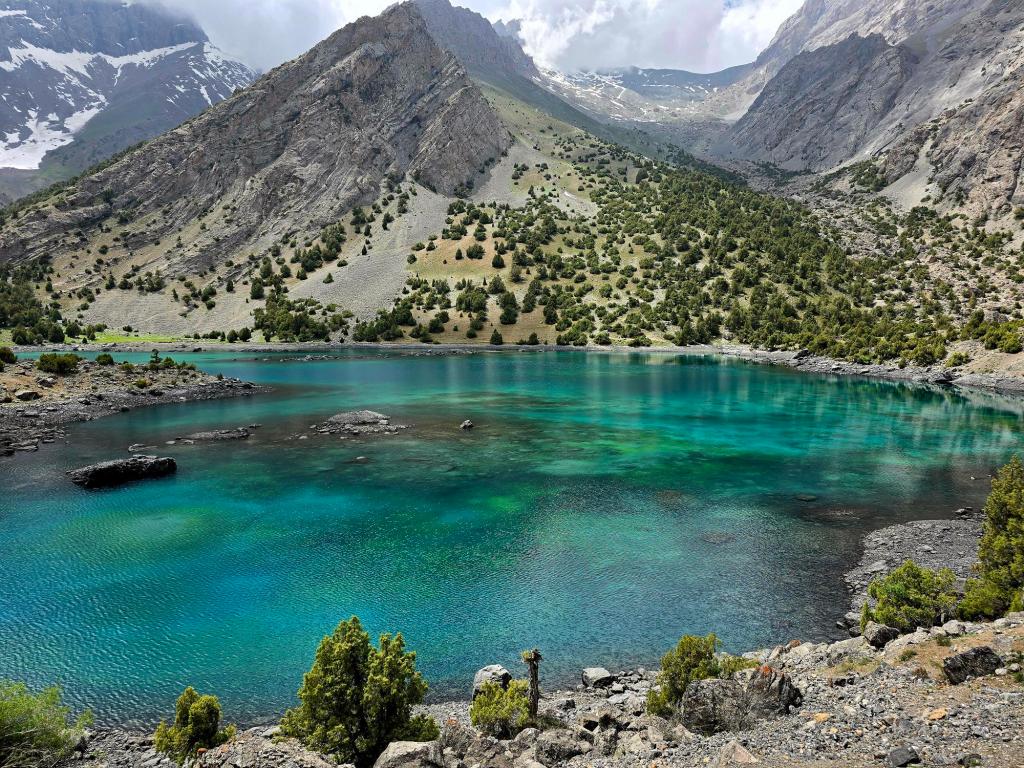
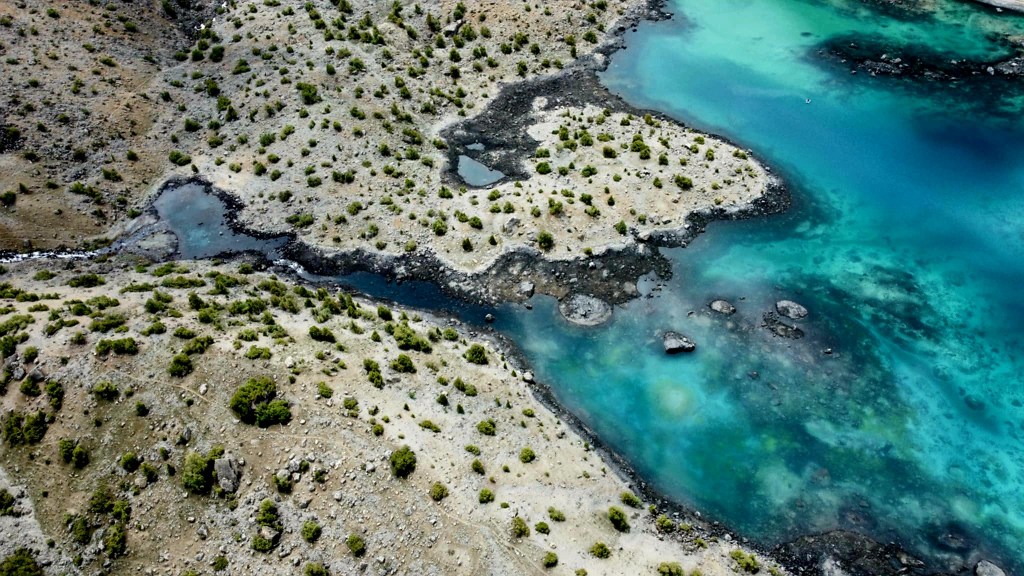
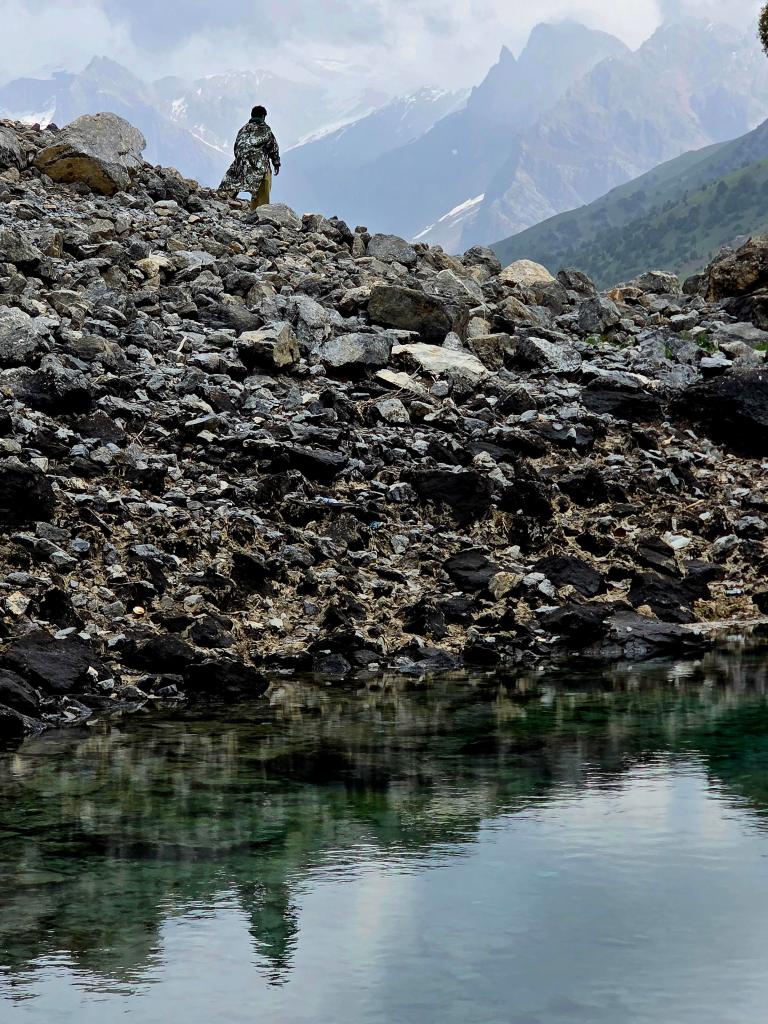
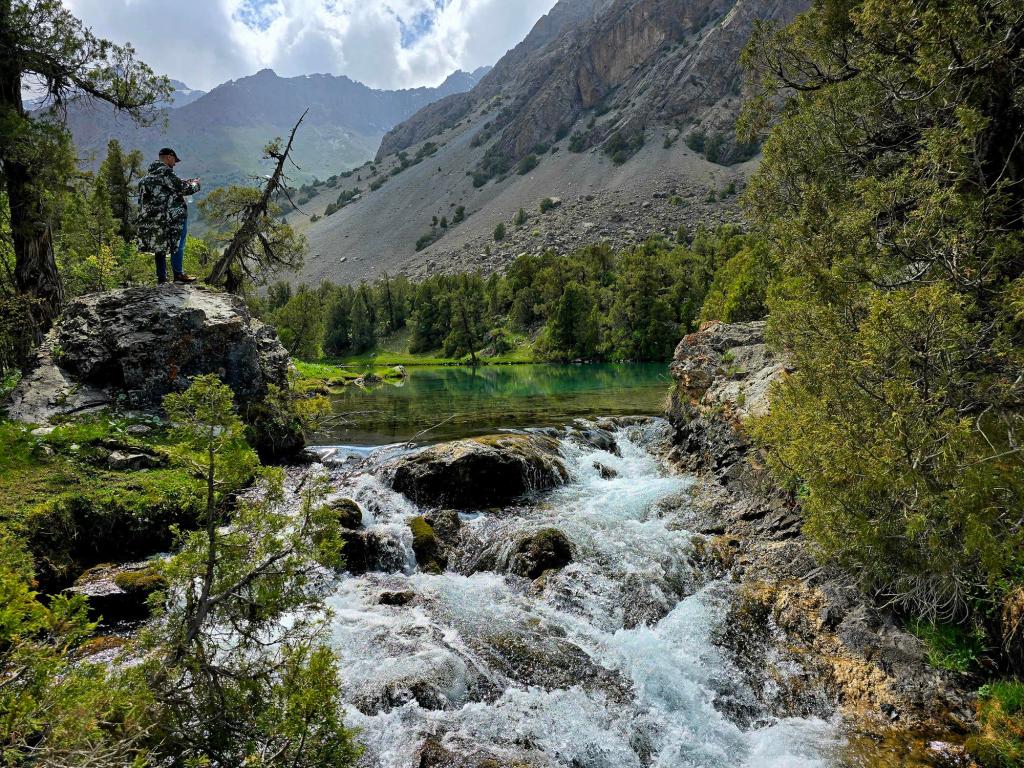
Once we finished circling the lake we gathered up the group members who had stayed behind and began making our way back down the valley. On the way we passed one final small lake that might have had the most spectacular color of them all. The water was unbelievably clear—probably twenty feet deep in the center—and you could still easily see the bottom.
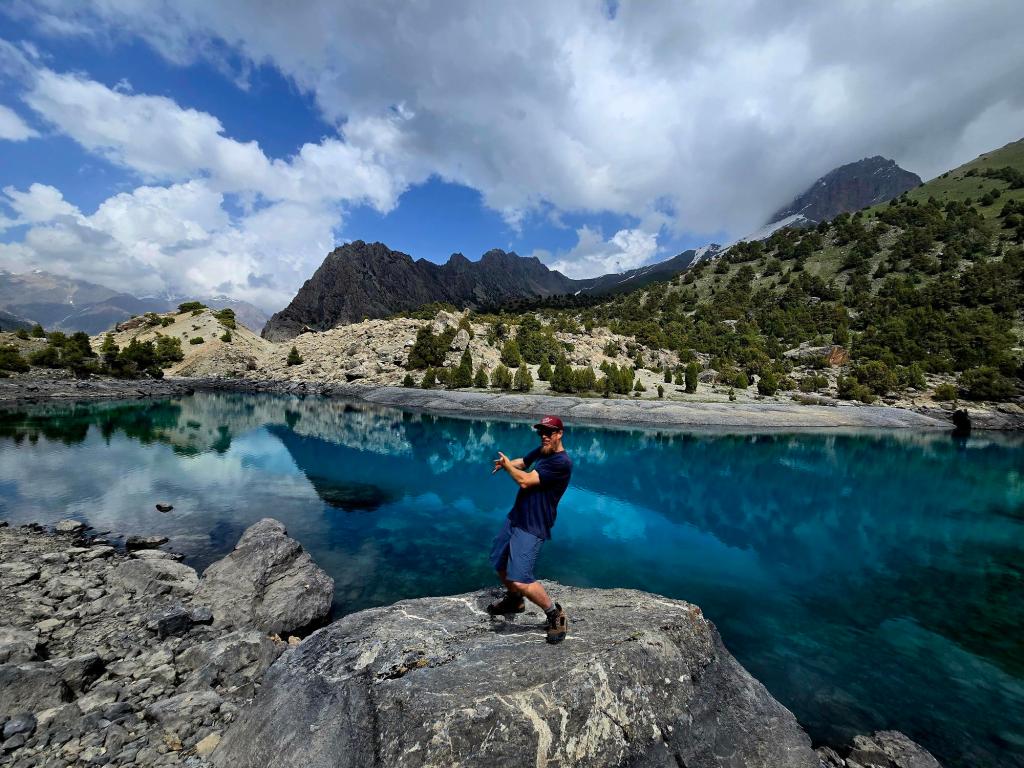
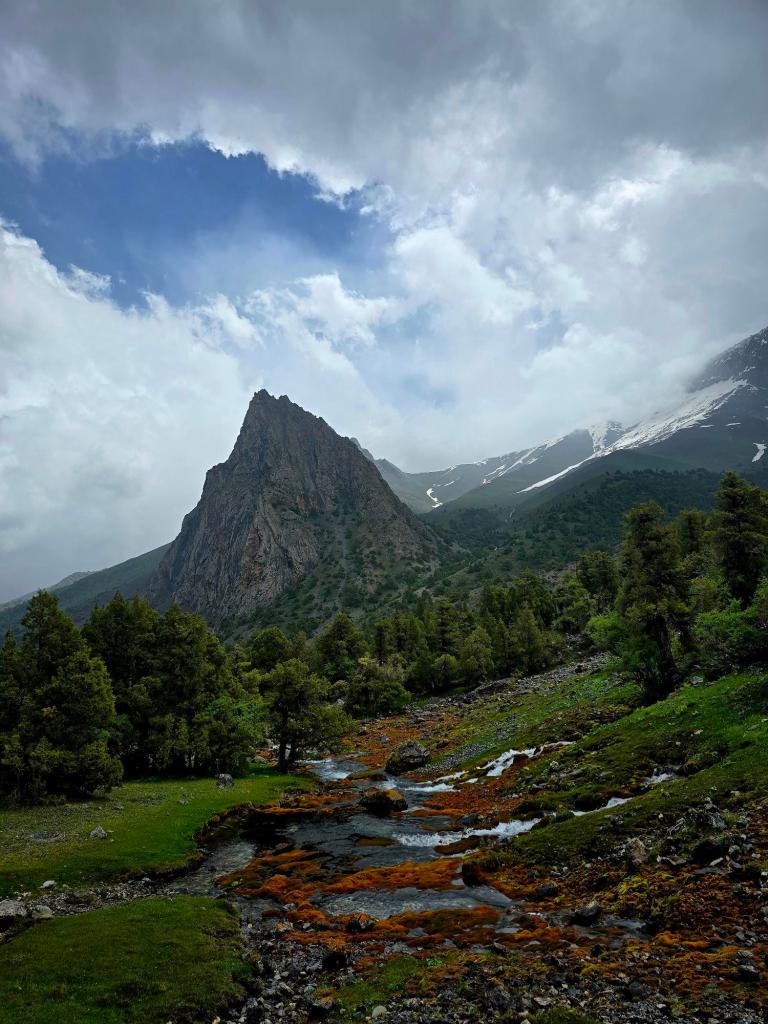
From there the walk back down is quick and easy, following the small river that drains the lake basin and cuts its way through the valley toward the road.
Ideally you come up here planning to stay at least one night. The place deserves more than a quick visit. That said, I’ve since returned here on day trips as well, simply because the scenery is so good and the hike is short.
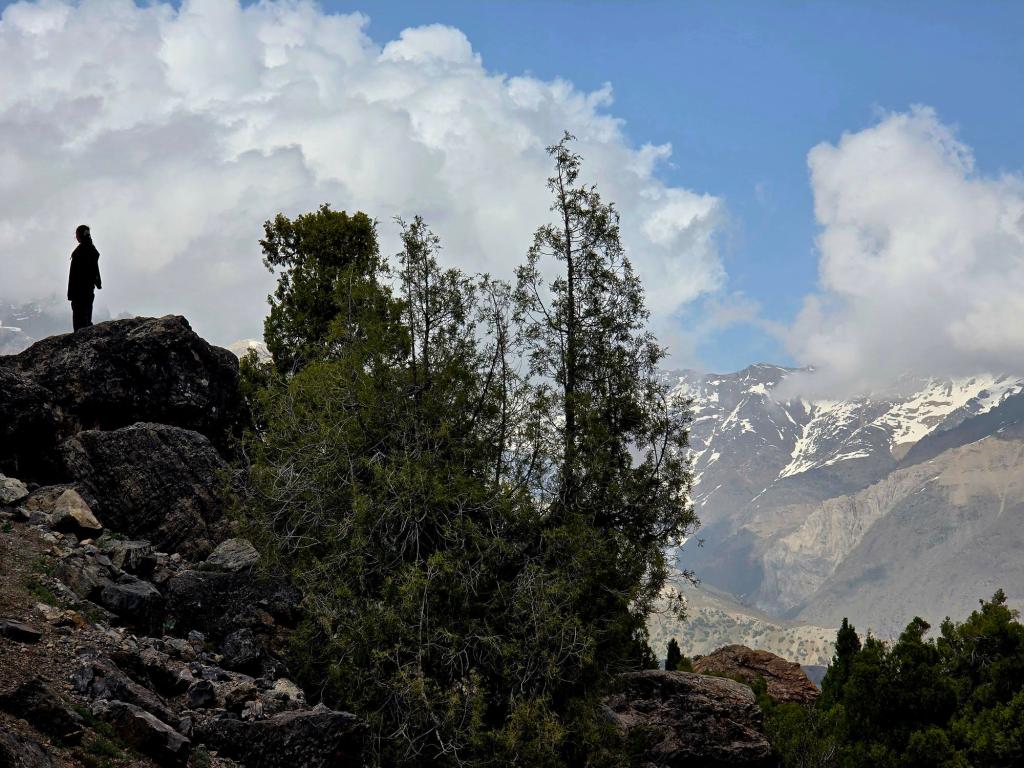
At the time, I thought this was simply a quick visit to a beautiful alpine lake. But standing there beside that water, surrounded by the peaks of the Fann Mountains, it was easy to see that this place was really just a doorway into something much bigger.
Not long after, I came back with a tent, hiked up to Mutinye lake and sat at the base of Energia and Chimtarga Peak, crossed Alauddin Pass, and continued on to Kulikalon for a night and then down to Artuch for another night.
But that’s a story for another post.
 Wise Clan in Stanland
Leave a comment