Trail Stats
📏 Distance: ~5 miles round trip
⬆️ Elevation Gain: ~1,500 ft
⏱ Time on Trail: ~4–5 hours (winter conditions)
🥾 Route Type: Out & Back
📅 Season: Winter
⚠️ Difficulty: Moderate (feels harder in snow & exposure)
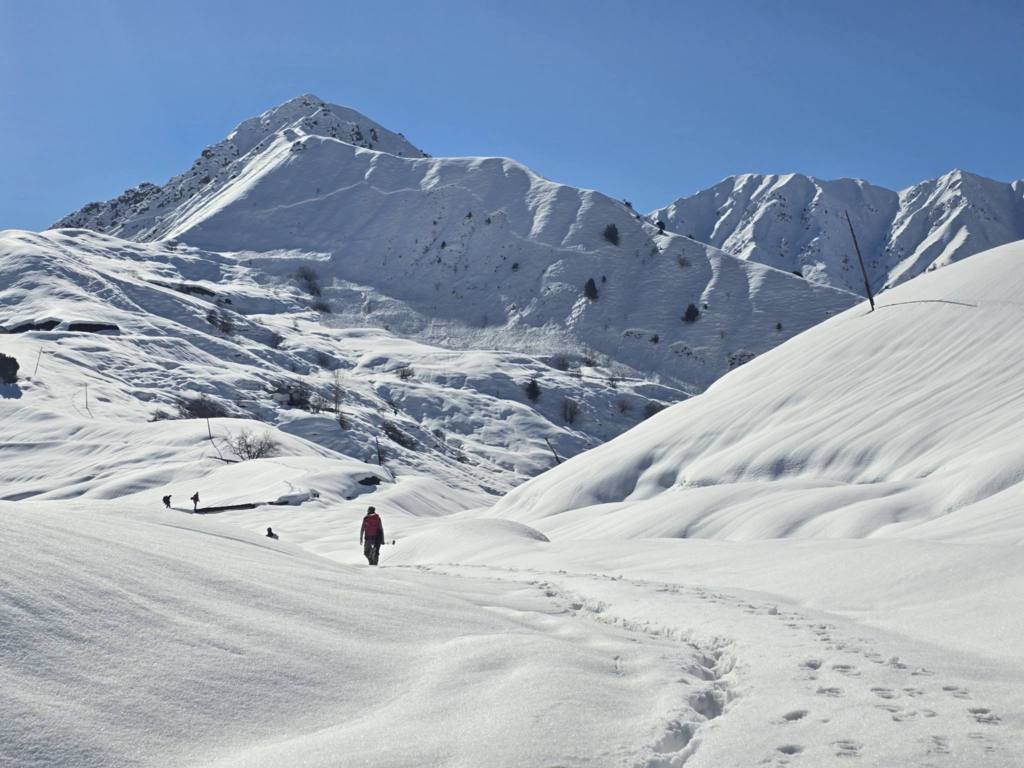
A Backup Plan That Turned Into this Day
The original plan was to return to Red Mountain and see if we could finally reach its summit this weekend. Then the rain set in Friday evening and kept coming down hard into Saturday morning. After a warm week, followed by rain, there was some hesitation — icy terrain on an already difficult hike didn’t sound especially appealing. By 6 a.m., the plan was postponed once again. I unpacked my backpack and climbed back into bed.
The next day, most of the original crew regrouped and decided to meet up at Khoja Obi Garm with a new objective: Astrophysics Peak.
Familiar Ground, Winter Conditions
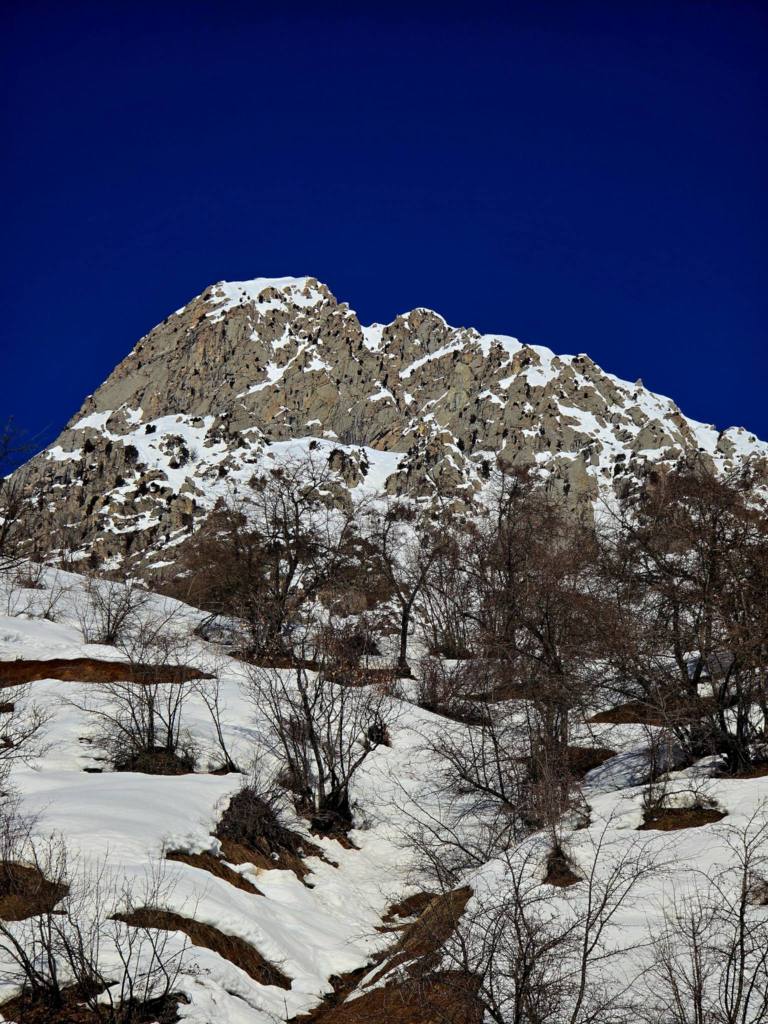
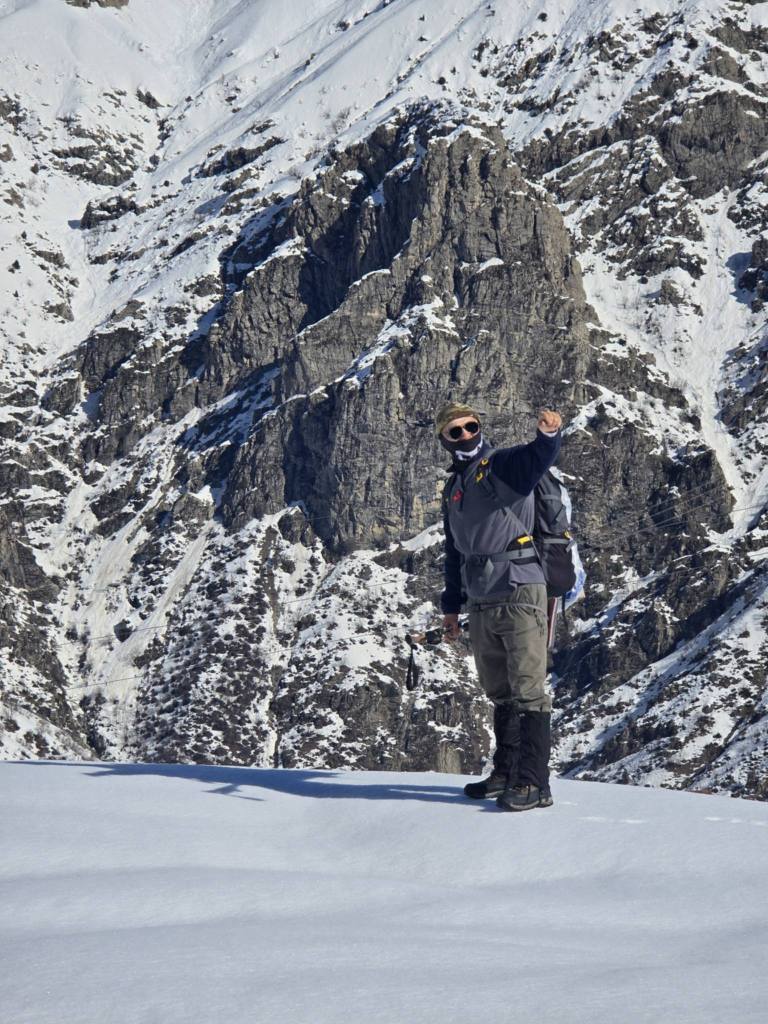
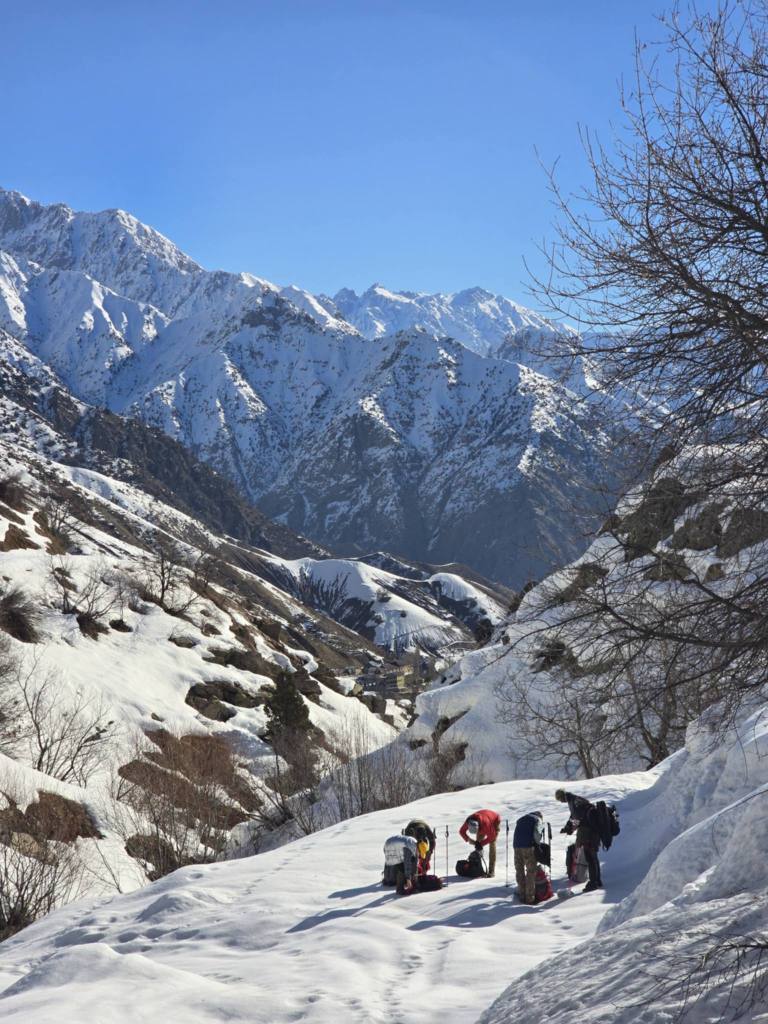
When we parked, I immediately recognized the approach — the route heads up toward our usual fossil-hunting grounds. Snow covered the trail from the start, though, and there would be no fossils on this outing. That hardly mattered. Winter has a way of sharpening this landscape, and once you gain a bit of elevation, the mountains open up into wide, layered views in every direction.
The snow crust told me right away that this wasn’t going to be easy walking. It had hardened just enough to support lighter steps — unless you happened to be tall and heavy. While most of the group floated across the surface, one of my legs would punch through every five to ten steps. Sometimes mid-calf, sometimes to the knee, and a few times straight to mid-thigh. Extracting myself from those holes was… inefficient.
When the Road Ends
Higher up, the crust finally firmed up and progress improved. Before long, we followed the snow-covered dirt road to its end, where several old Soviet-era structures sit capped with four feet of snow on their roofs. This was the turning point. From here, we left the road and angled up toward the mountain itself.
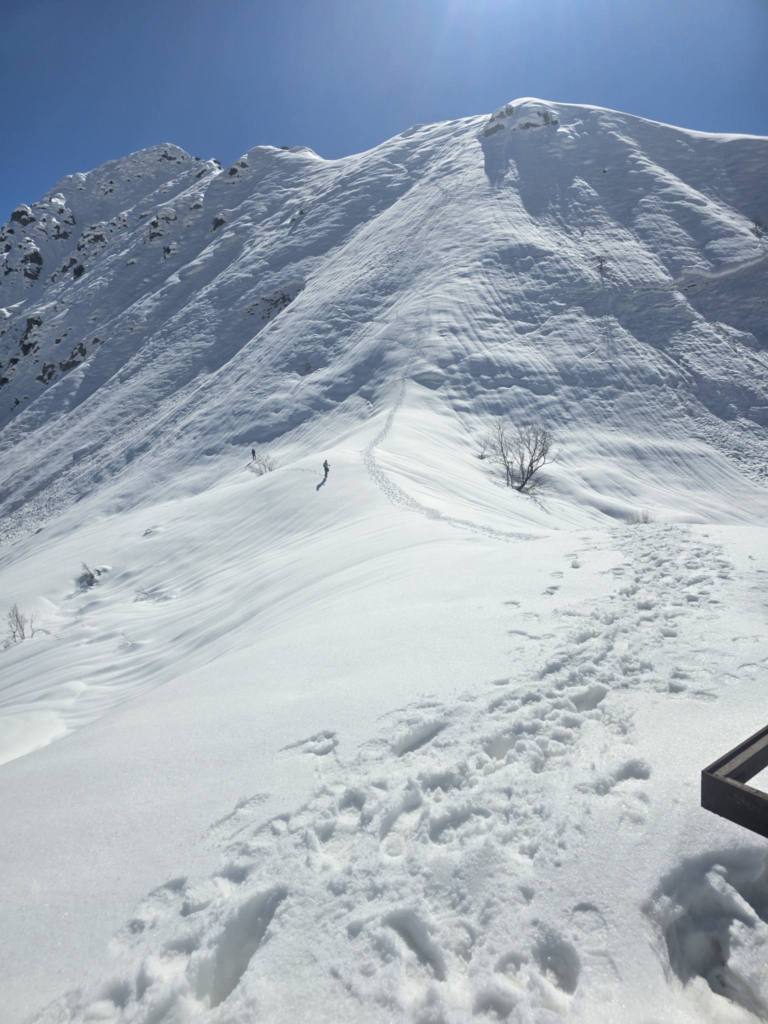
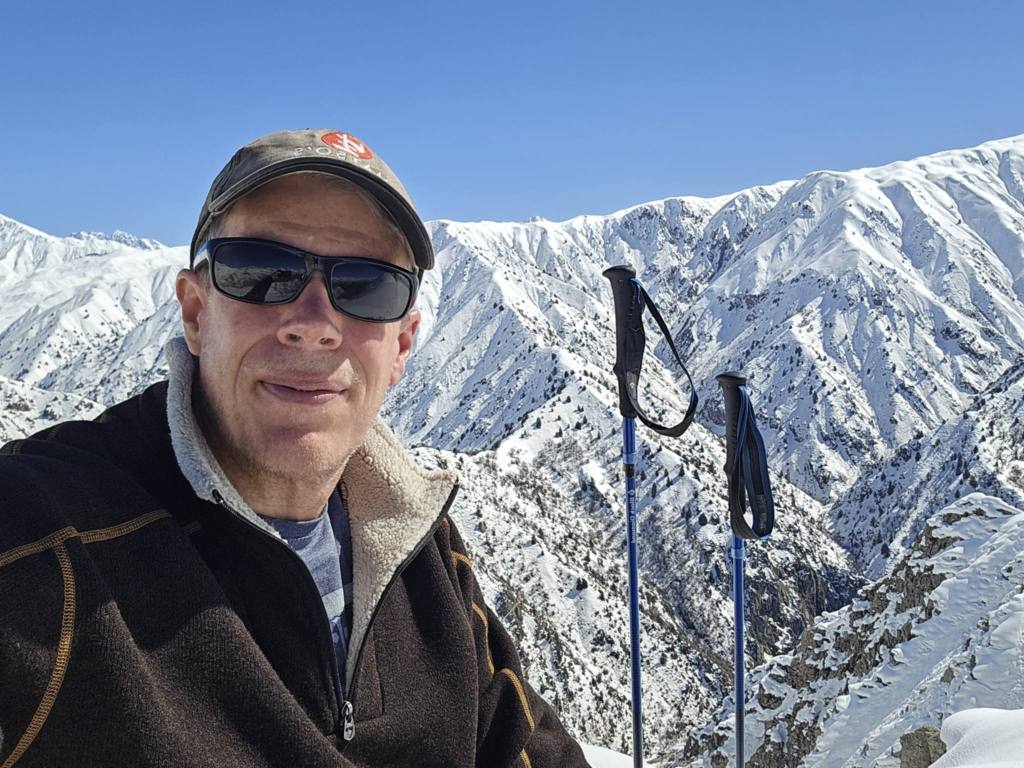
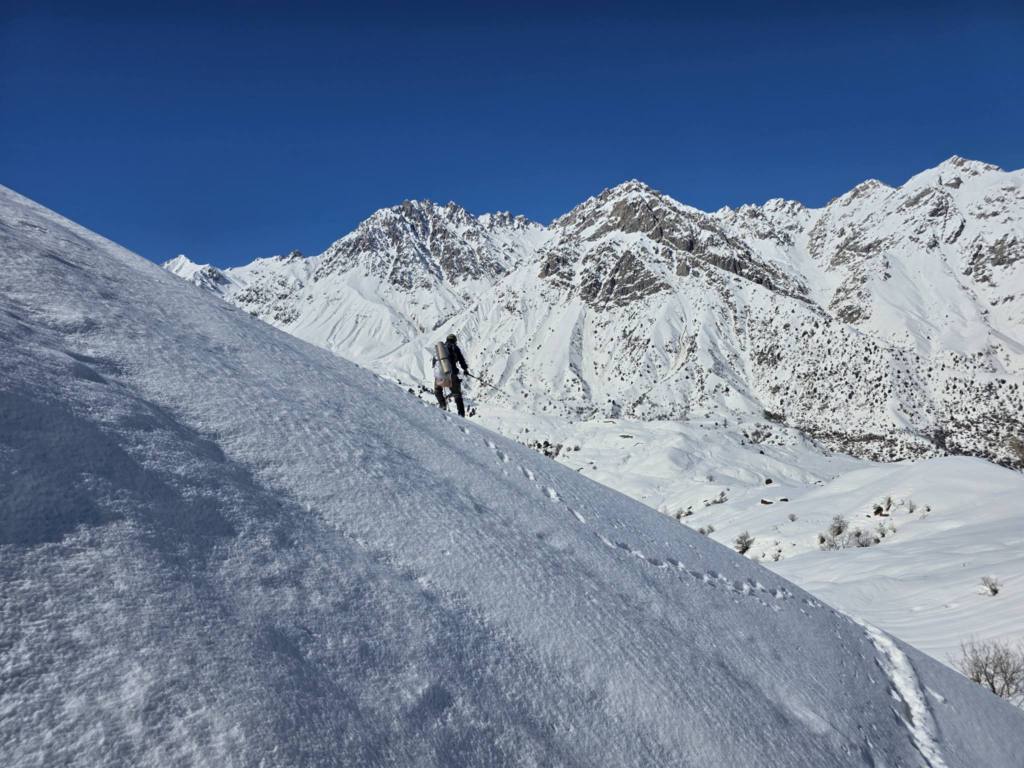
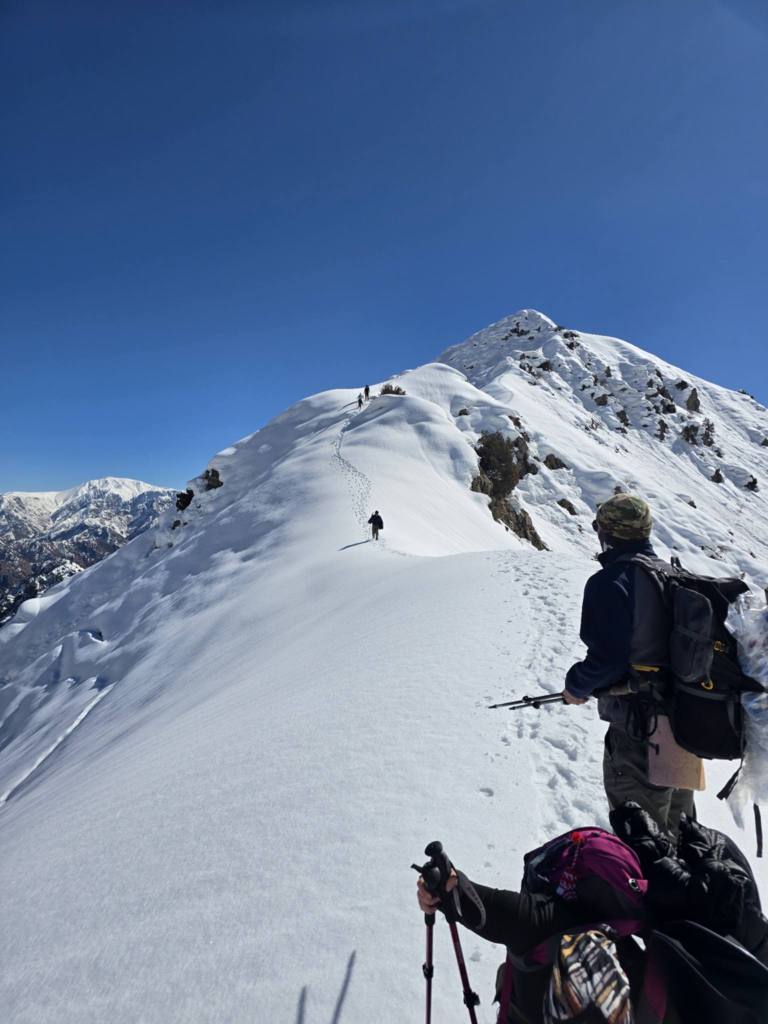
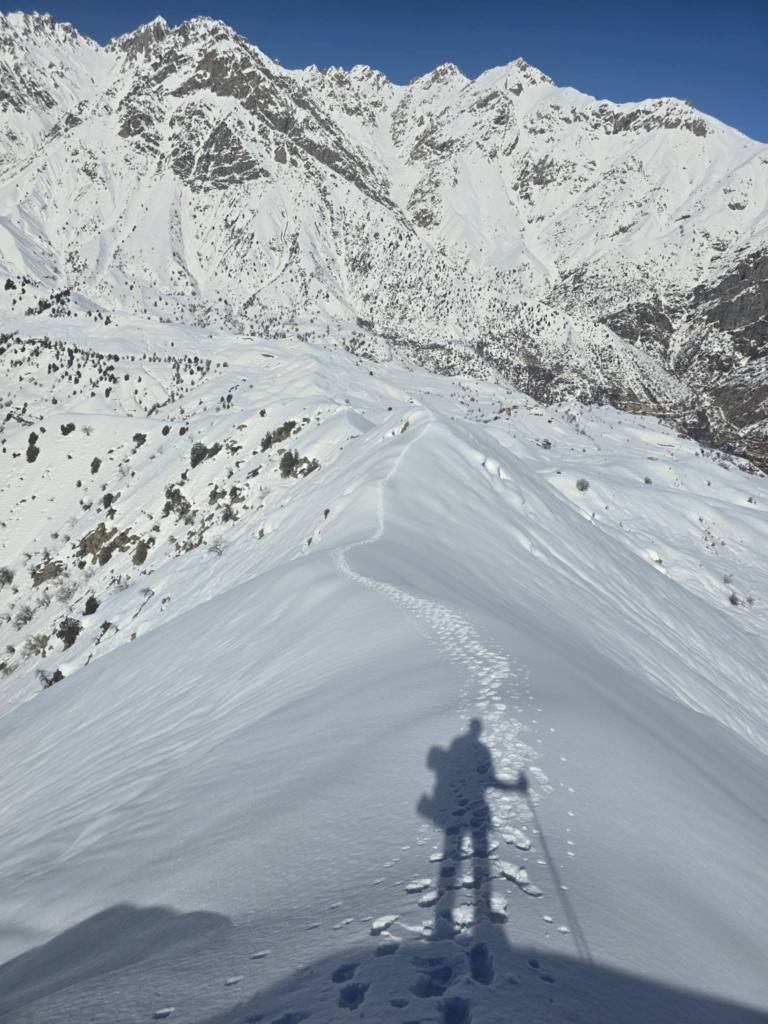
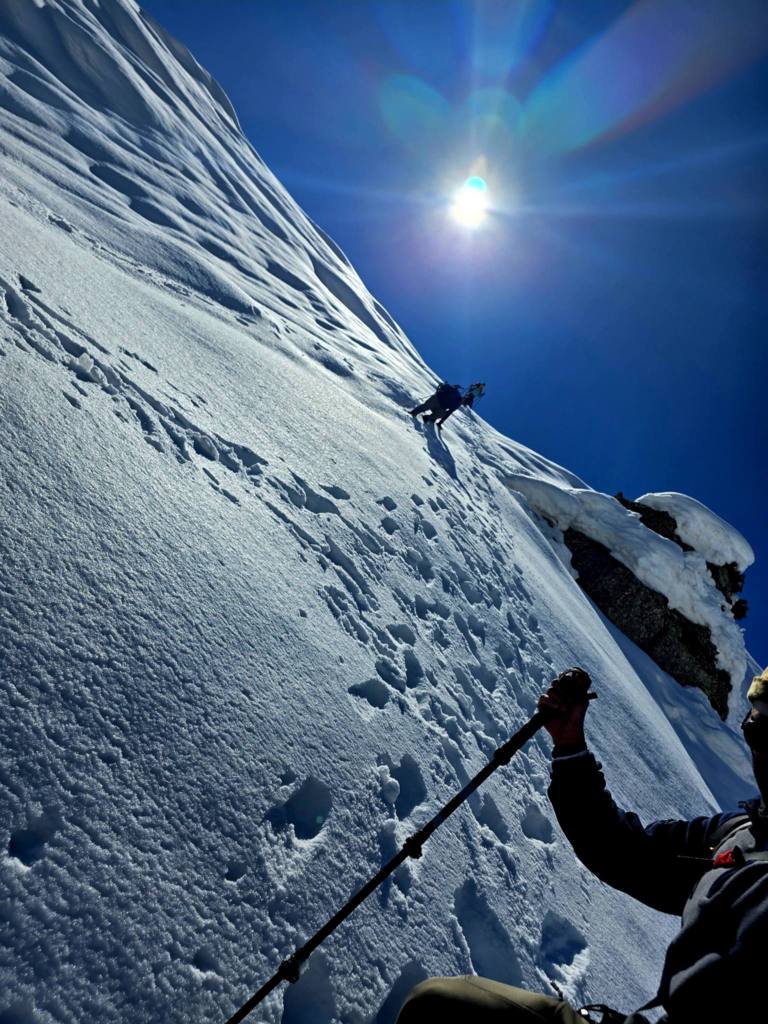
After cutting across a gentle slope for a few hundred meters, the terrain suddenly went vertical. We began kicking footholds into the snow, moving slowly and deliberately. Somewhere halfway up, my vertigo decided to rejoin the conversation, and I made a conscious effort not to look back down the slope.
Just around the corner, we could see where an entire section of mountainside had broken off and slid to the valley floor below. That visual paired nicely with the vertigo. A little higher up, a soft section of snow collapsed under me, dropping away to the ledge I was standing on. I had trouble getting over it and ended up zig-zagging around, carving side holds and working my way carefully upward.
Ten minutes later, we stepped onto the ridge line — my calves shaky, but relieved.
The Ridge: Where the Route Tightens
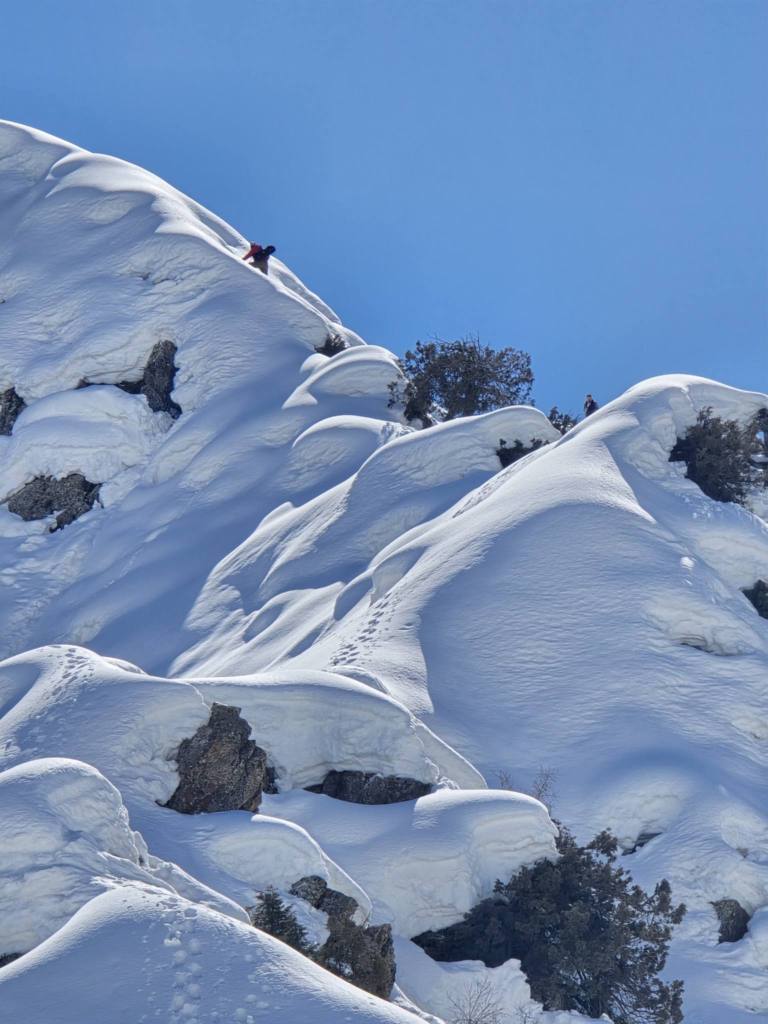
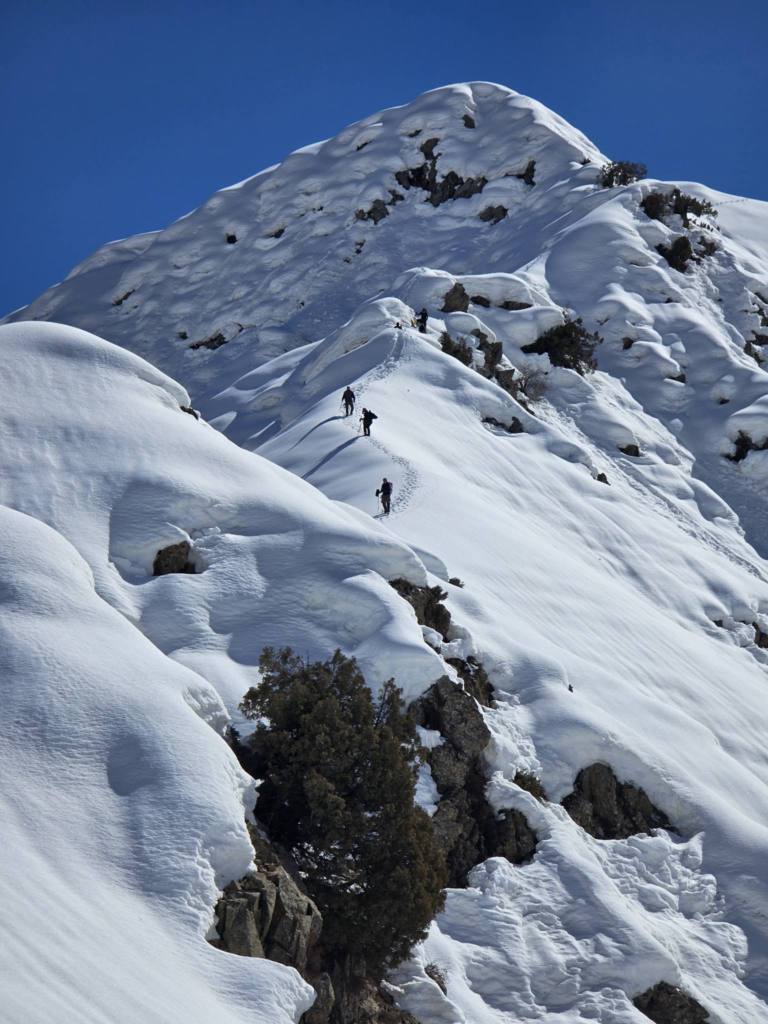
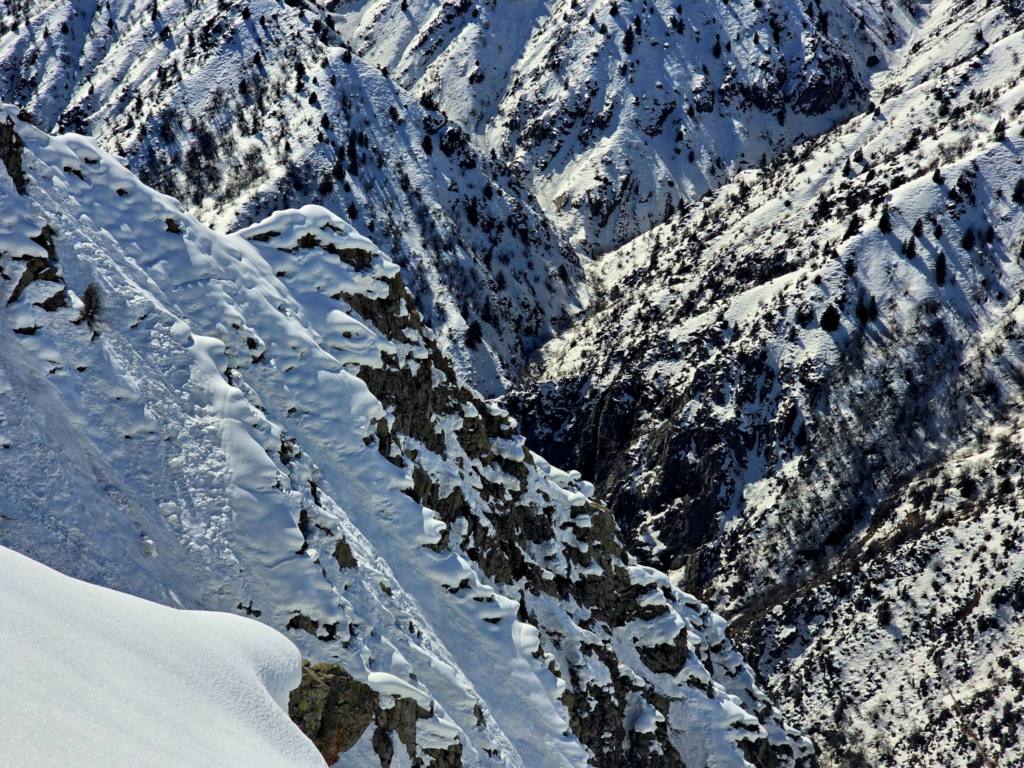
From the ridge, the summit was close — maybe a quarter mile away. Snow covered everything and the drop-offs became a little more intense.
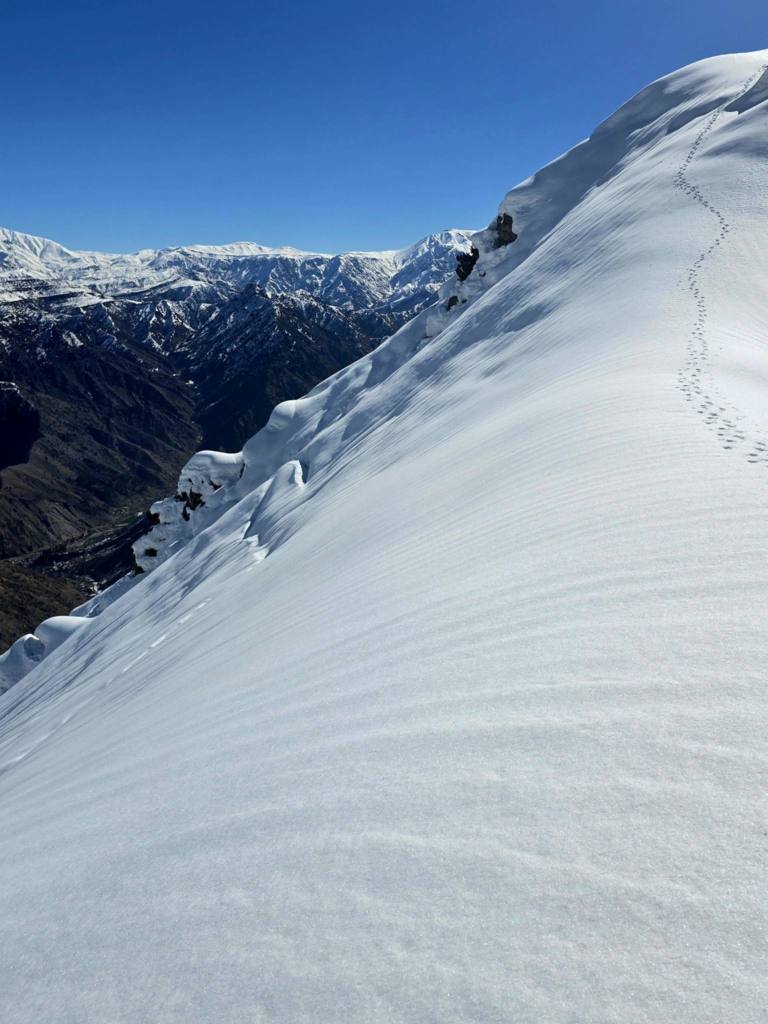
After another couple of hundred meters, we reached a section where the route crossed a four- to five-foot-thick slab of snow hanging out over treetops below. I decided I had a perfectly fantastic view from exactly where I was. I couldn’t shake the thought that while others were walking on top of the snow, I’d been punching through it all day.
From my perch, I was able to get photos and aerial footage of the final push to the summit. I briefly considered scouting an alternate line around the slab, but the options weren’t appealing — either cross the snow slab or drop into a very steep slope high above the valley floor and try climbing back up on the other side. Staying put felt like the right call for me at that moment.
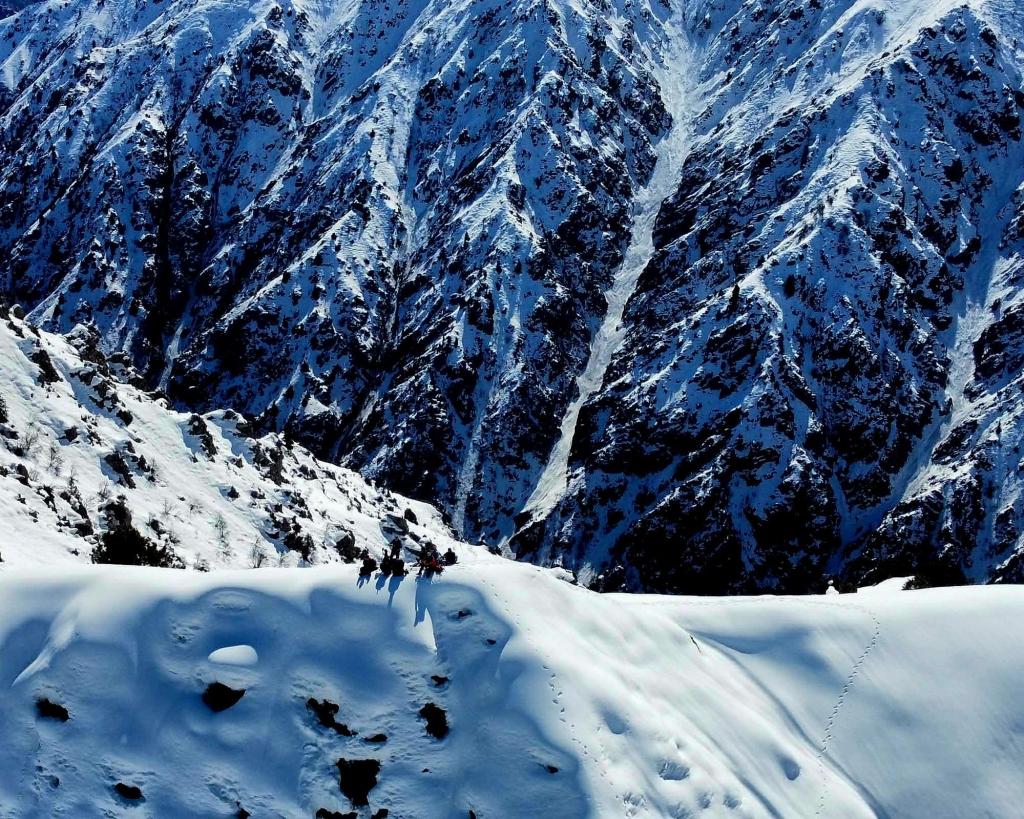
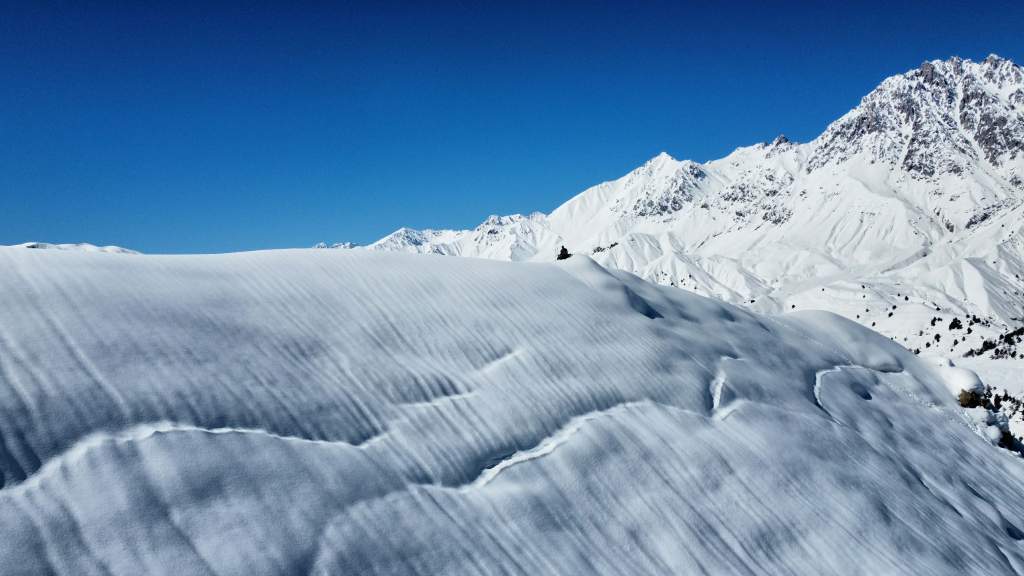
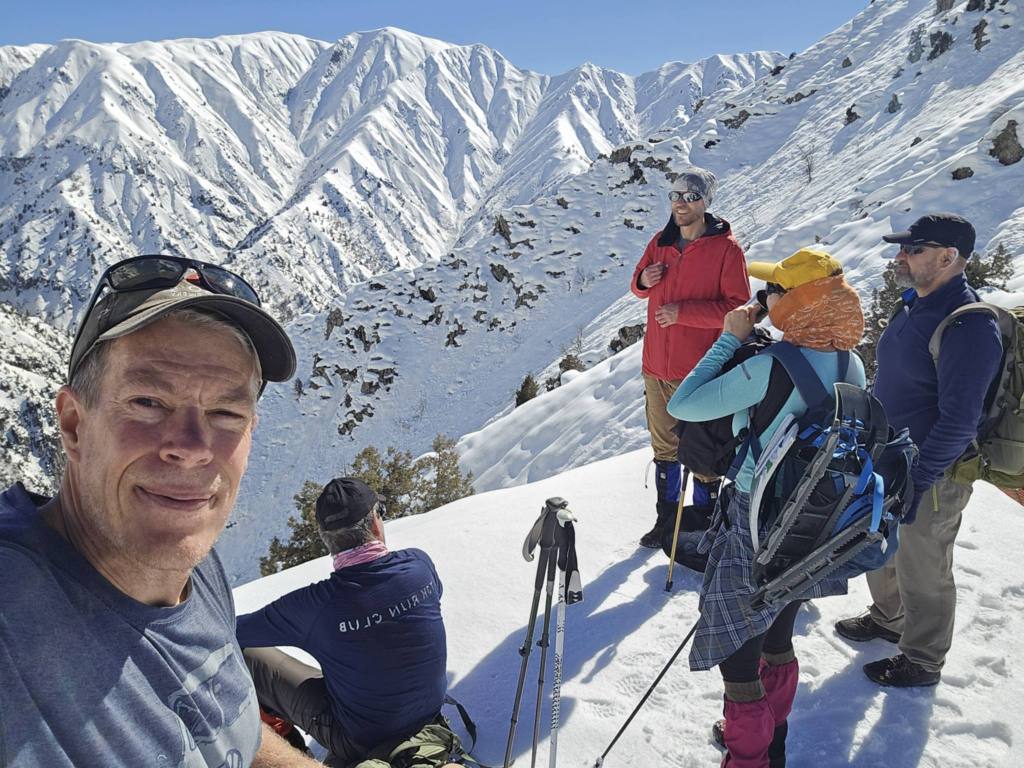
About 45 minutes later, we regrouped and started down. The descent wasn’t nearly as sketchy as I’d imagined, and once we found our rhythm, we were back at the base of the mountain quickly. As the sun climbed higher, the snow softened and my legs began punching through again, this time with more enthusiasm. Snowshoes came out, and instantly everything improved.
Forty minutes later, we were back at the car.
A Proper Ending
Several men sat outside a small roadside store nearby, and one of them offered us tea and asked if we’d like to try his honey. He explained that his bees fed exclusively on wildflowers from this valley. When he opened a massive jug, I was surprised by how thick it was. He filled a bowl to the brim, spoon after spoon.
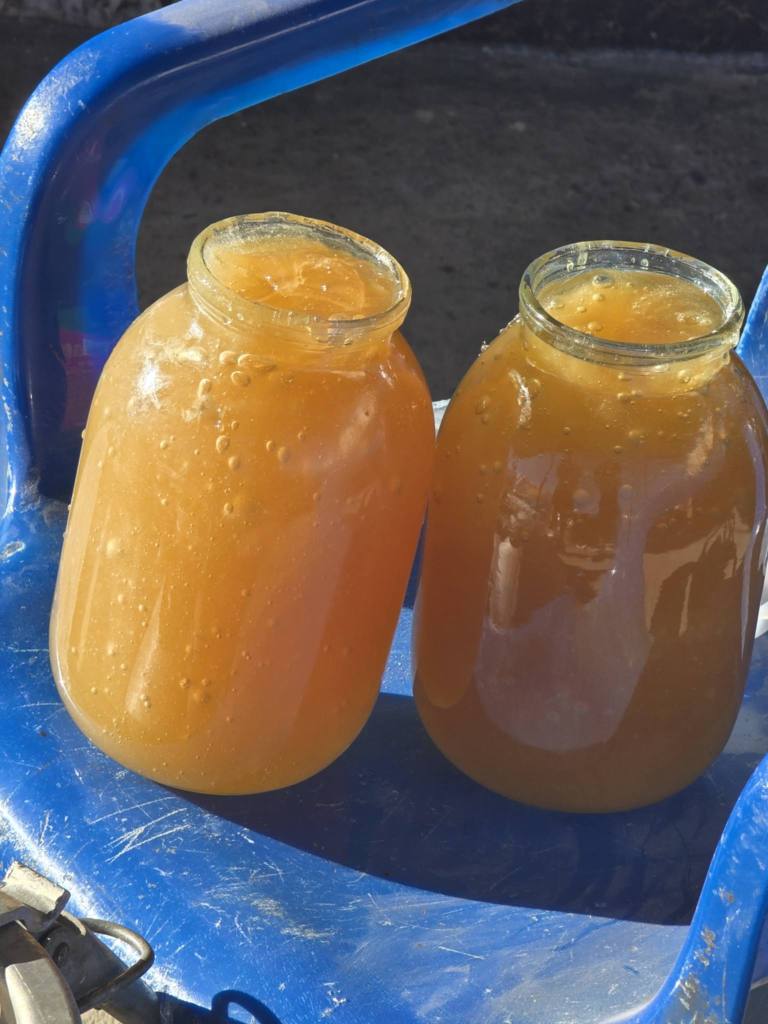
We didn’t hesitate. A few of us immediately asked if it was for sale and ended up taking home big three-kilogram jars. Around our house, we’ll be lucky if it lasts five weeks. It was an unplanned ending to an unplanned hike — and somehow exactly the right way to close the day.
 Wise Clan in Stanland
Leave a comment