🥾 Trail Stats
📍 Location: Dara
📏 Distance: ~6 miles (out & back)
⛰️ Elevation Gain: ~1,000 ft
⏱️ Total Time Out: ~5 hours
🚶 Moving Time: ~2.5 hours
🔁 Route Type: Out & Back
⚖️ Difficulty: Easy
🛣️ Trail Type: Dirt road with short singletrack near turnaround
🌱 Season: Late Winter / Early Spring
📅 Date Hiked: March 15, 2025
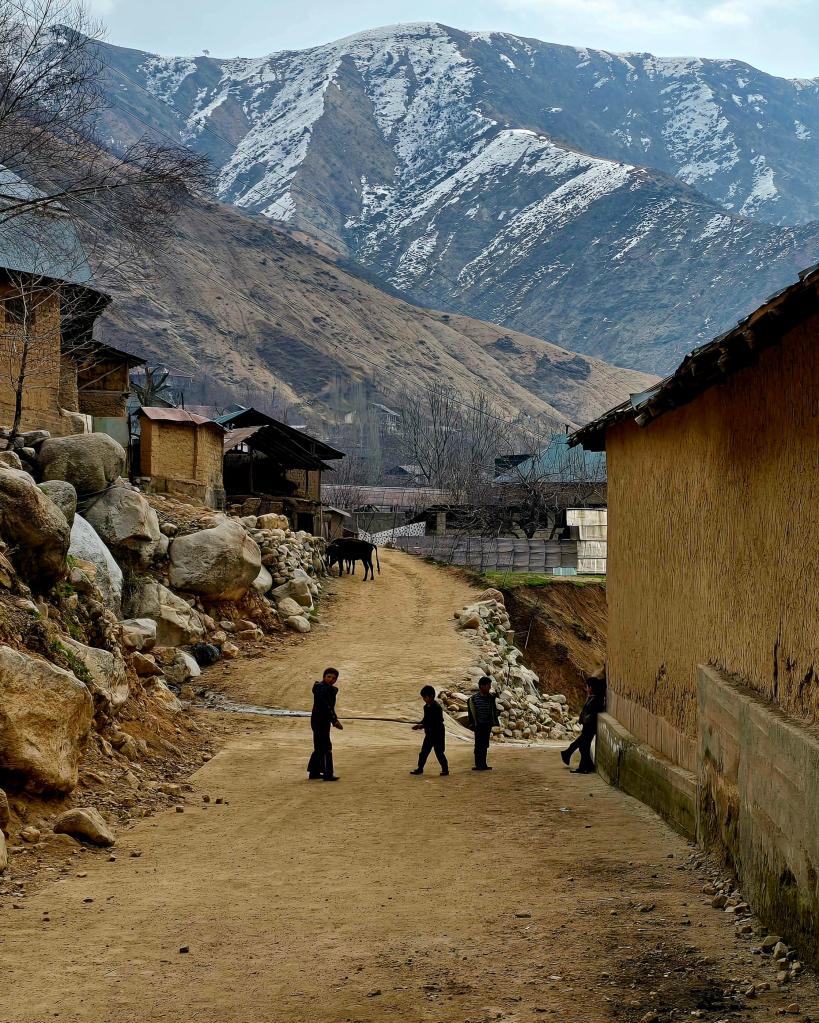
The first time I made it over to Dara was last March, on a quiet weekdend when the rest of the family stayed home trying to get ahead of work before Spring Break. I joined what turned out to be a fairly large group of hikers with Hike Tajikistan, most of them friends from previous outings.
Dara sits surprisingly close to Dushanbe—maybe fifteen miles as the crow flies—but it feels far more removed than that distance suggests. By car, it’s a 45-minute to an hour drive once you leave the east gate of the city, trading traffic and concrete for orchards, open hillsides, and steadily narrowing valleys.
At the junction where the main road begins to swing right toward Vahdat, you make a left, following signs that hint at the mountains beyond. A few kilometers later, where the road breaks right toward Romit, you stay straight instead. From there, the pavement gives way to a more rural rhythm, and within another four or five kilometers, Dara comes into view.
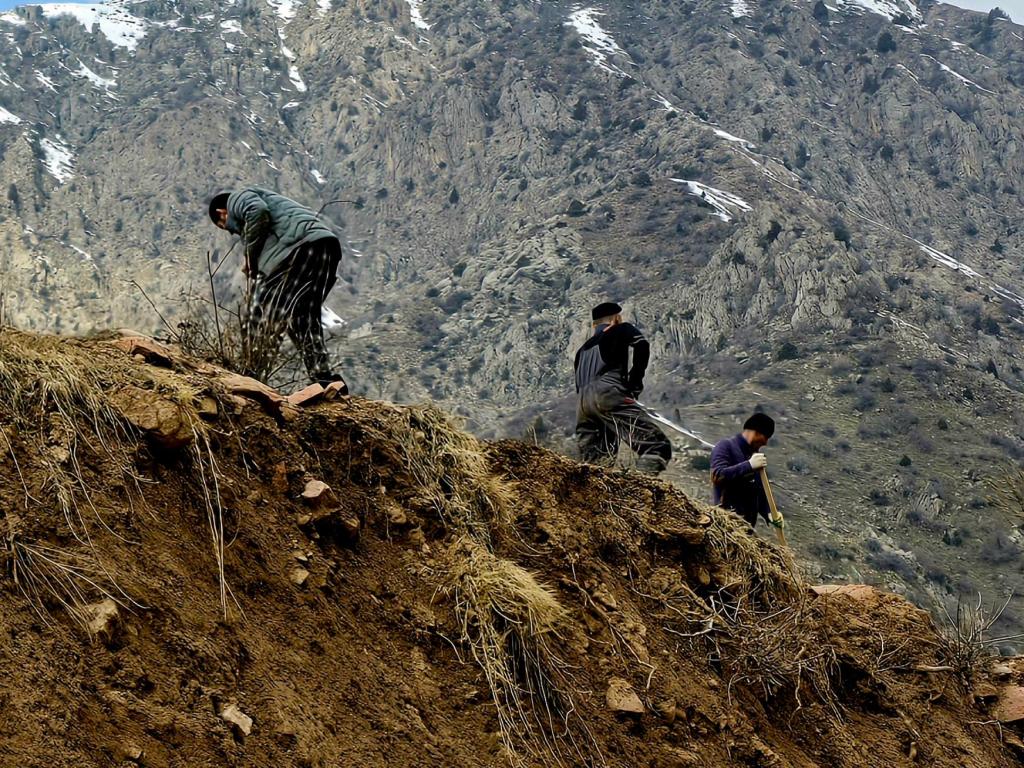
It’s a good-sized village, spread loosely across the lower slopes and valley floor, and it quickly becomes clear that most people here are subsistence farmers. Small plots of land are scattered along the riverbanks and terraces, some newly fenced, others already marked by furrows and irrigation channels. We passed a few places where groups of ten or fifteen men were working together—setting posts, running water lines, and preparing fresh ground for the planting season just ahead. There was no rush, no sense of urgency—just steady, communal work.
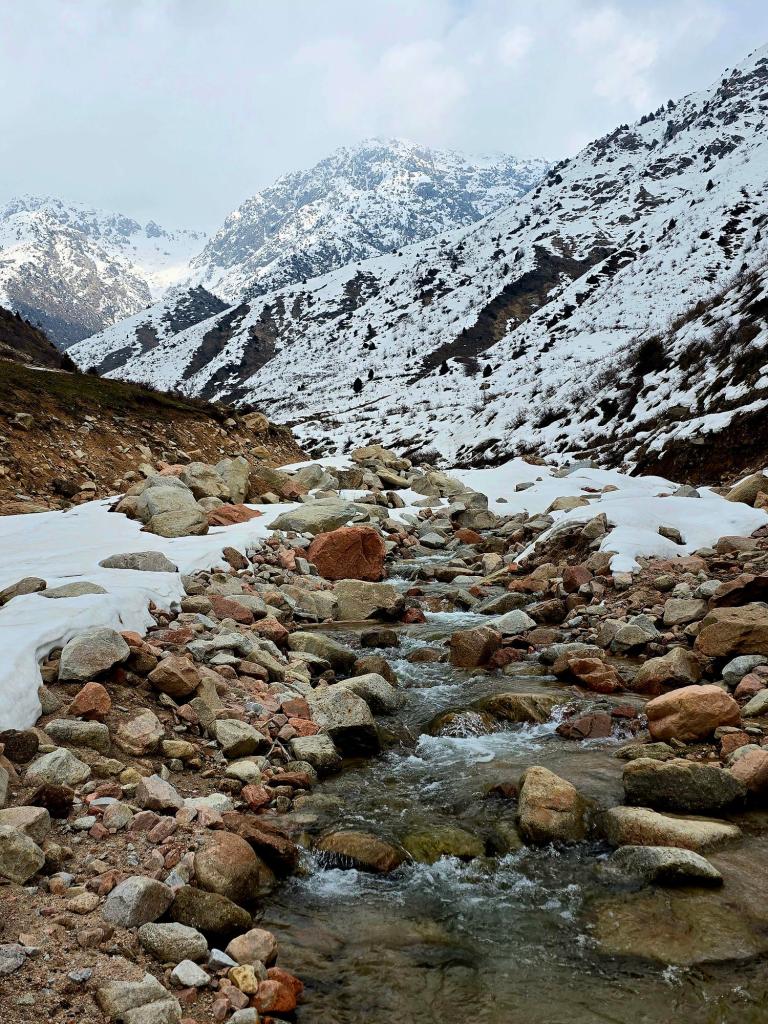
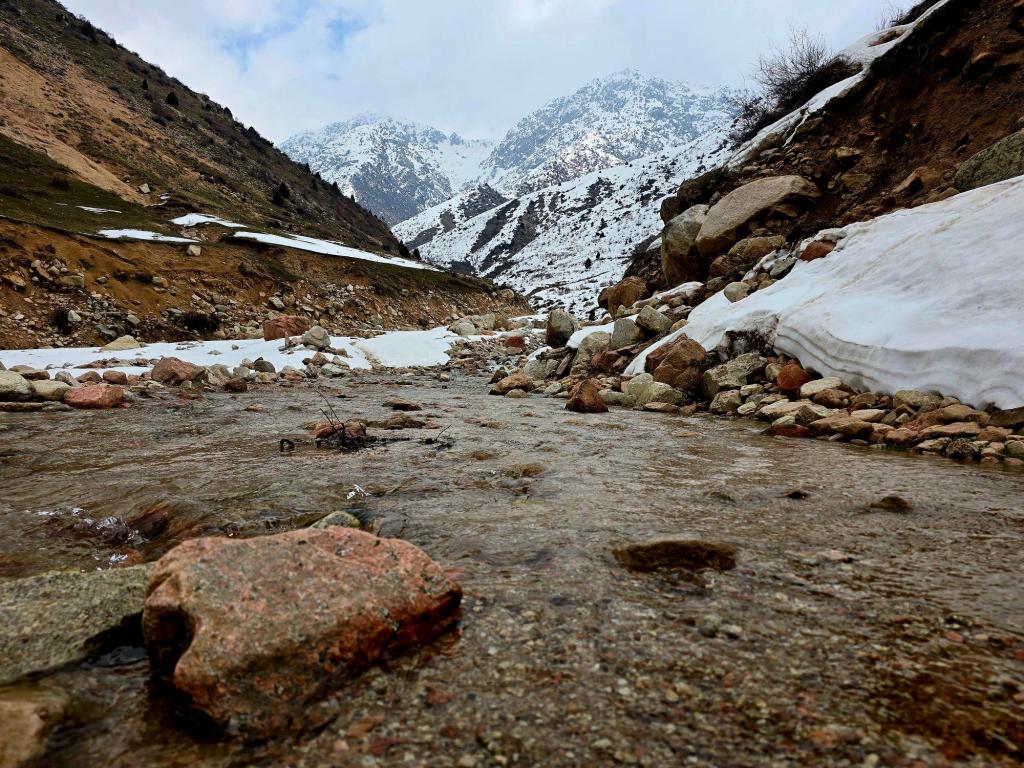
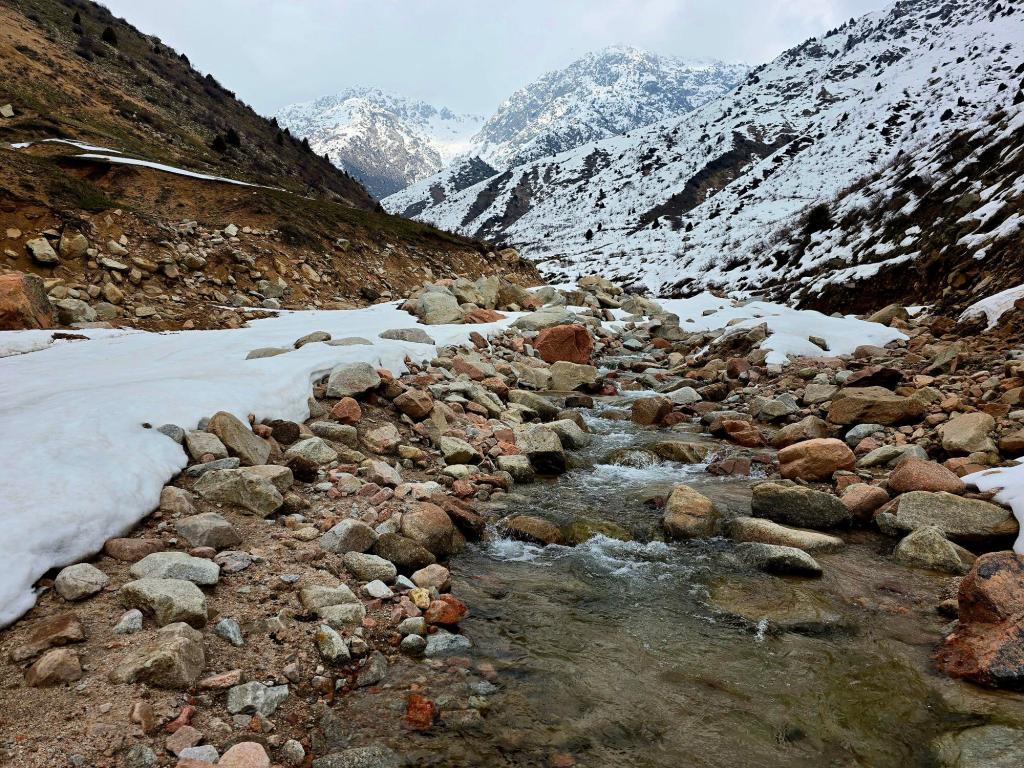
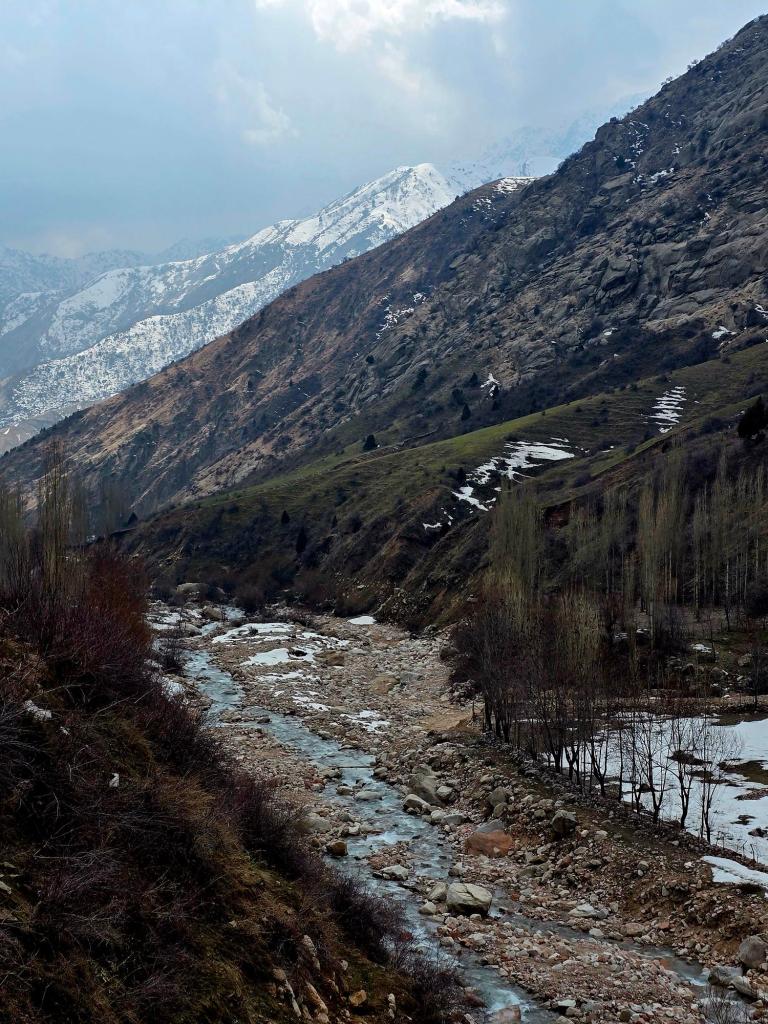
We parked near the center of the village and set off on foot toward the upper end, where the houses thin out and the mountains begin to assert themselves. The route followed a dirt road that crossed the Simiganj River several times, hopping back and forth on simple crossings before finally committing to the right-hand bank. Water moved quickly beneath us, cold and clear from the higher elevations, feeding the fields below.
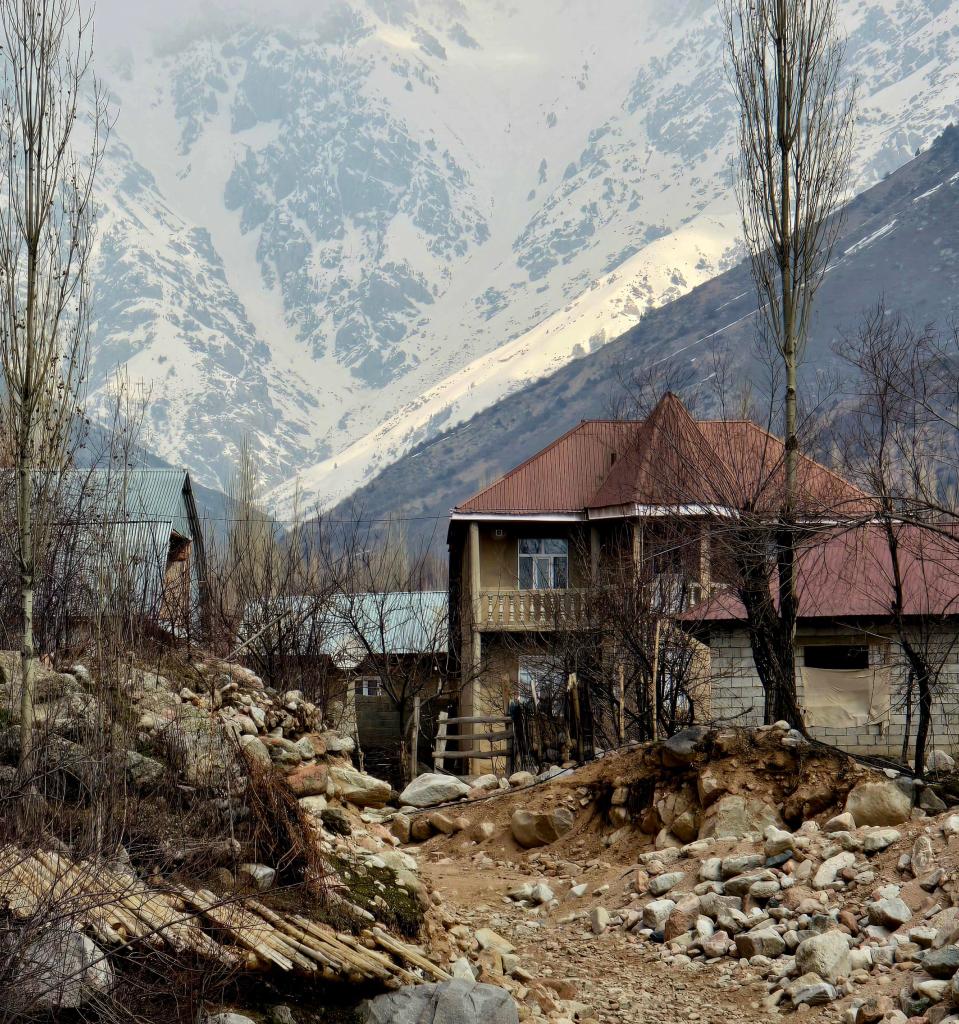
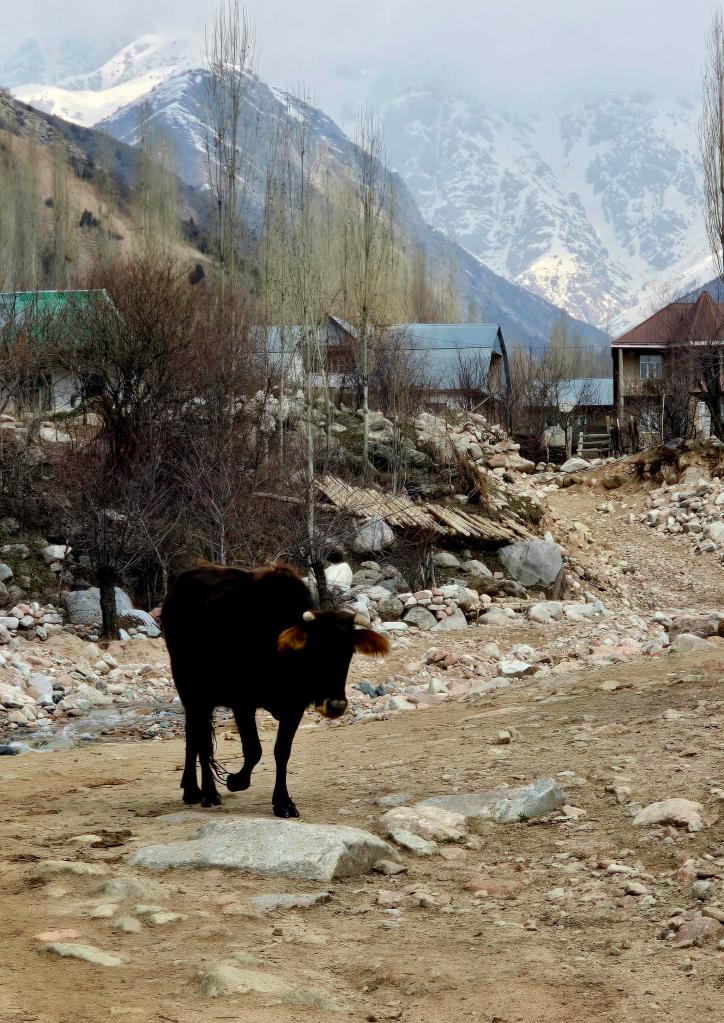
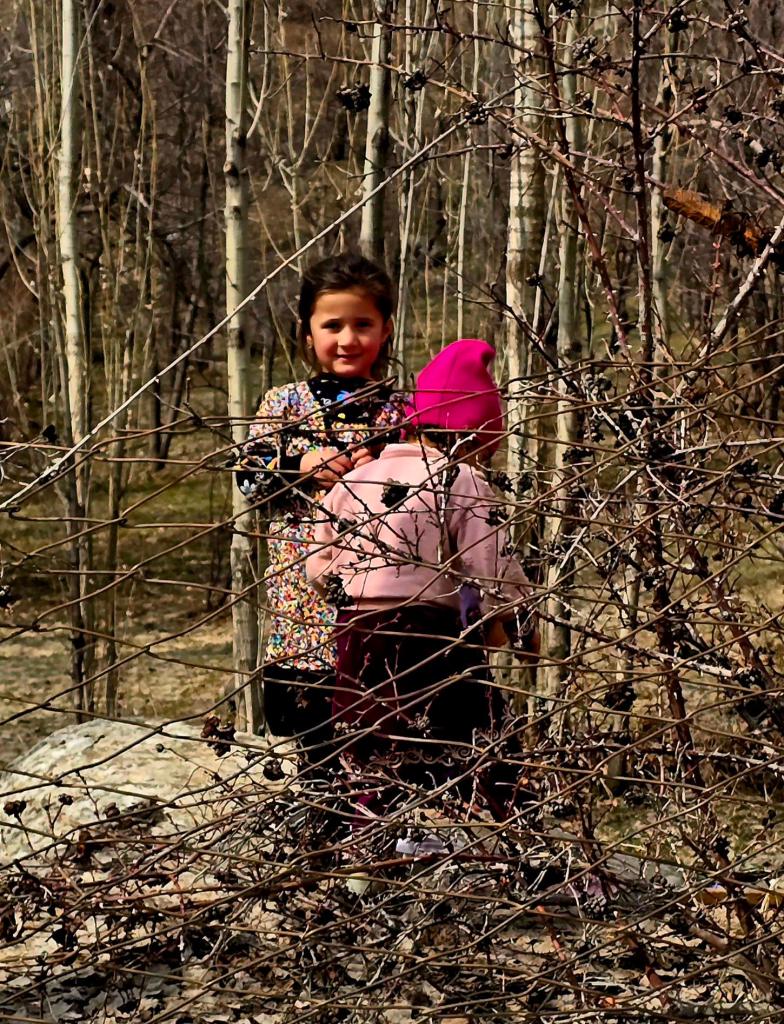
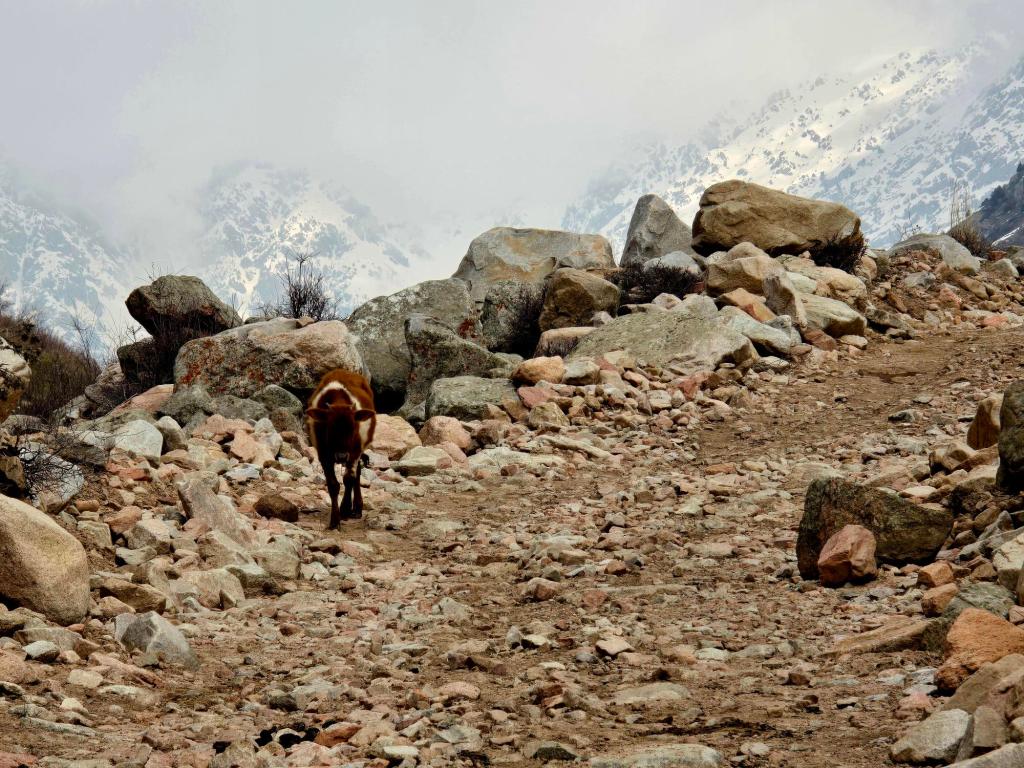
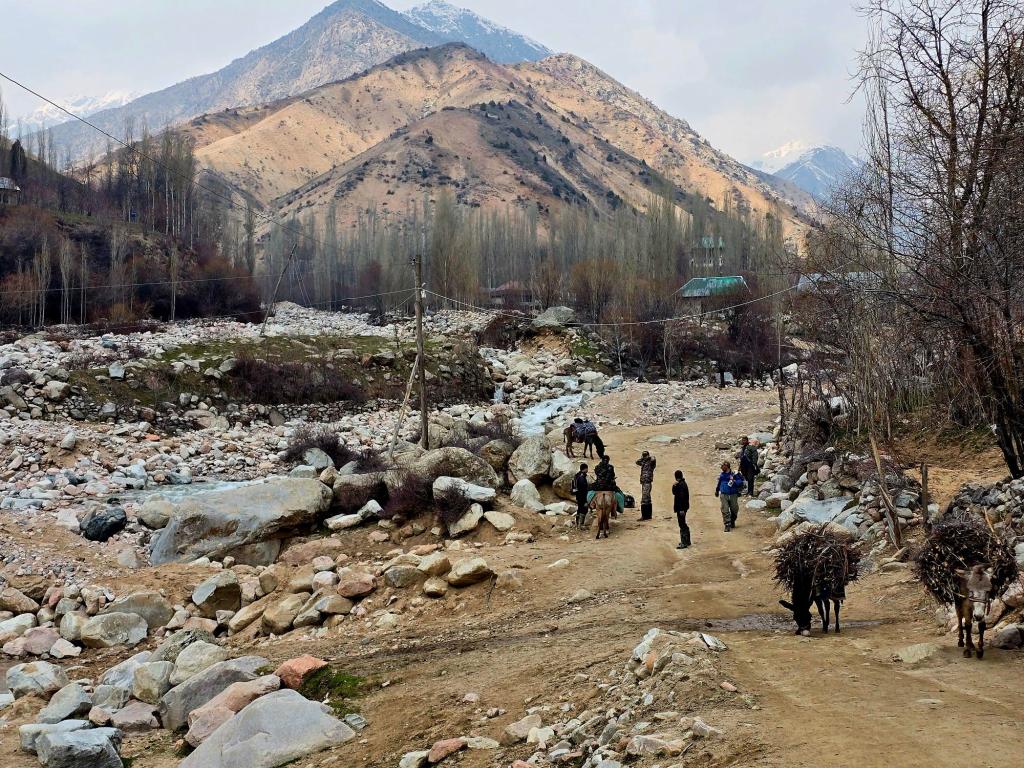
As we climbed farther into the valley, the signs of village life stretched with us. Family plots continued upstream, stitched together by footpaths and irrigation ditches. Cows and donkeys wandered freely, unconcerned with the passing hikers, clearly enjoying an afternoon with generous roaming privileges. A bit farther on, we came across a group of kids carefully loading firewood onto a donkey, their laughter echoing briefly before the valley swallowed the sound again.
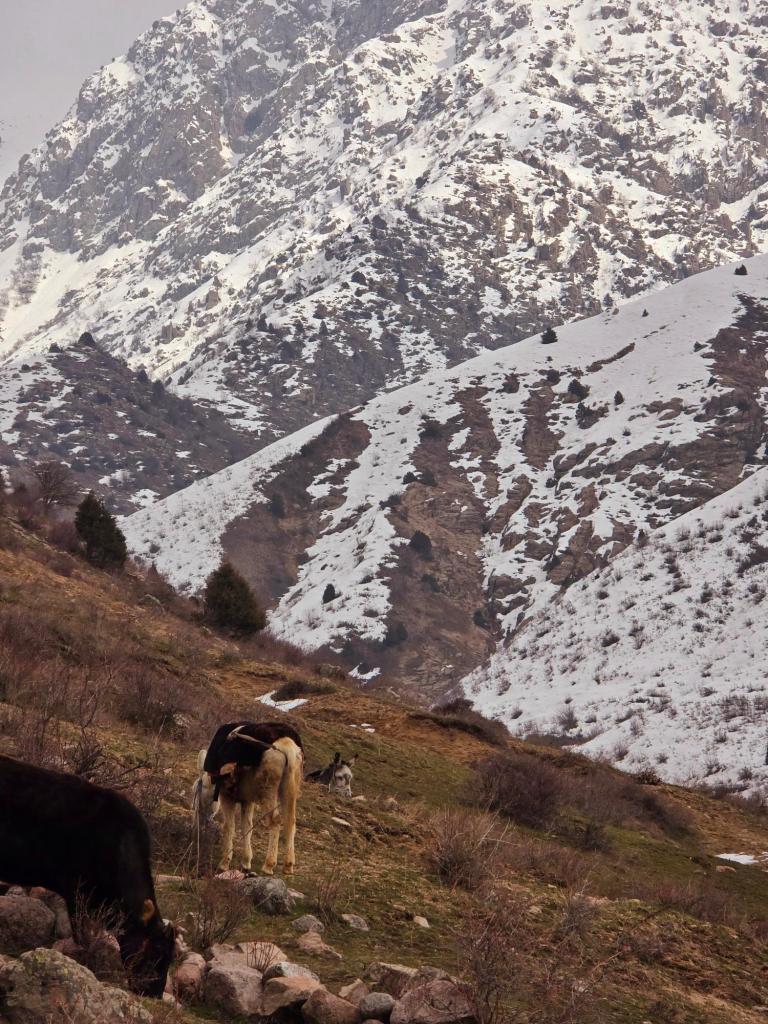
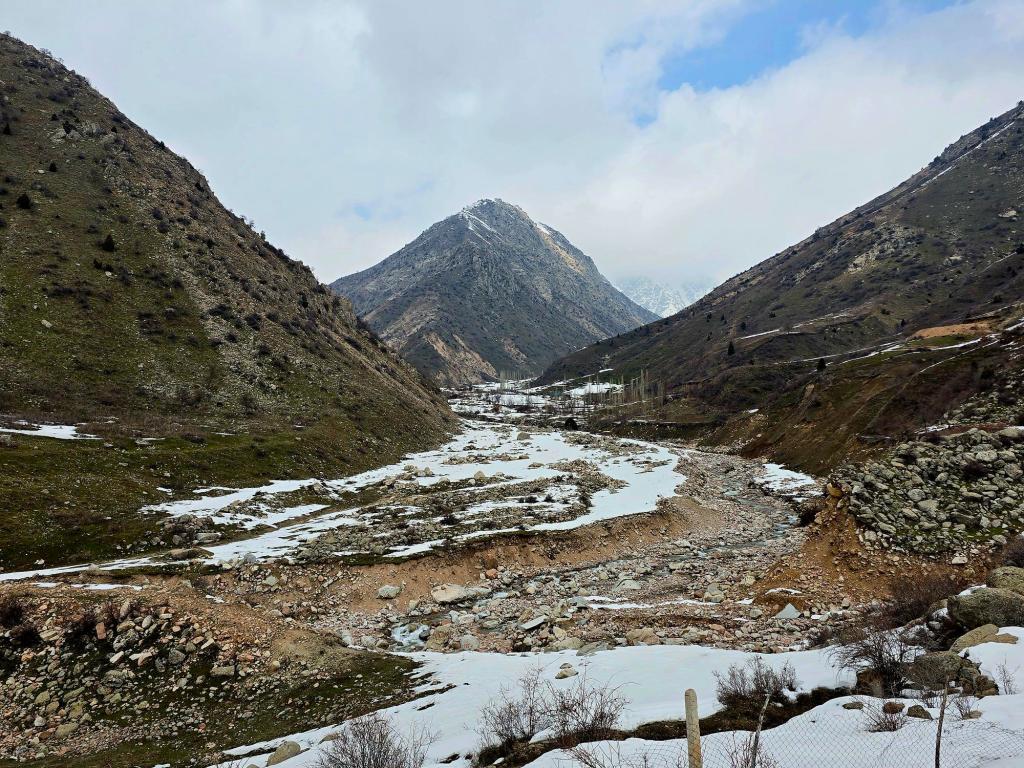
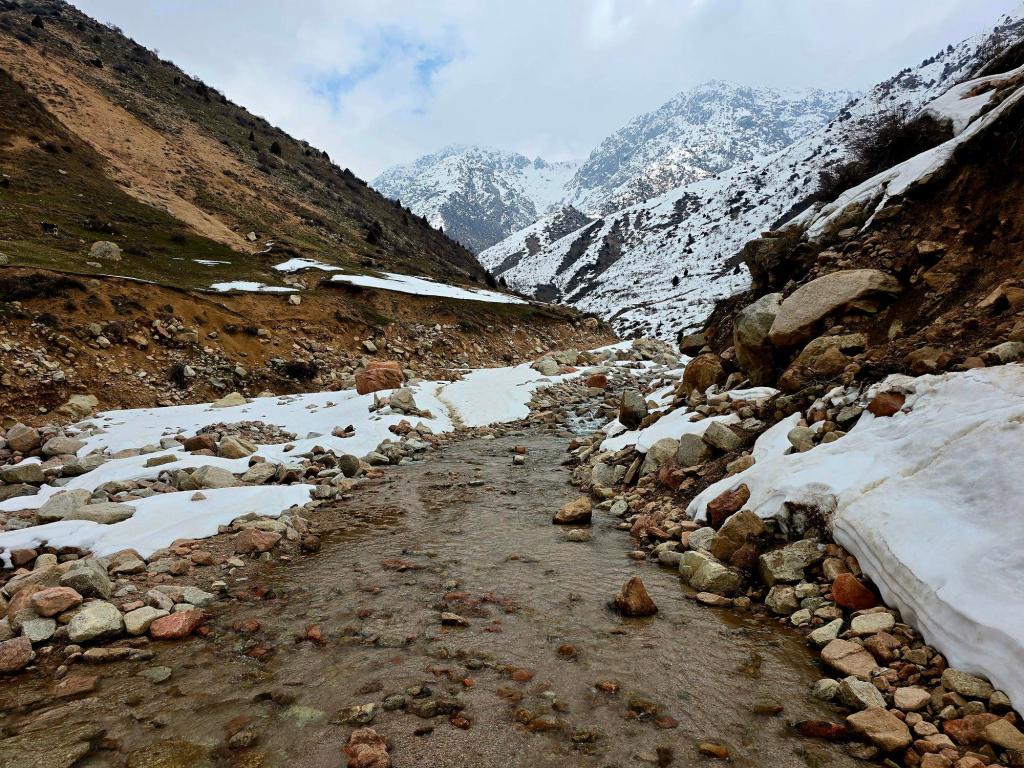
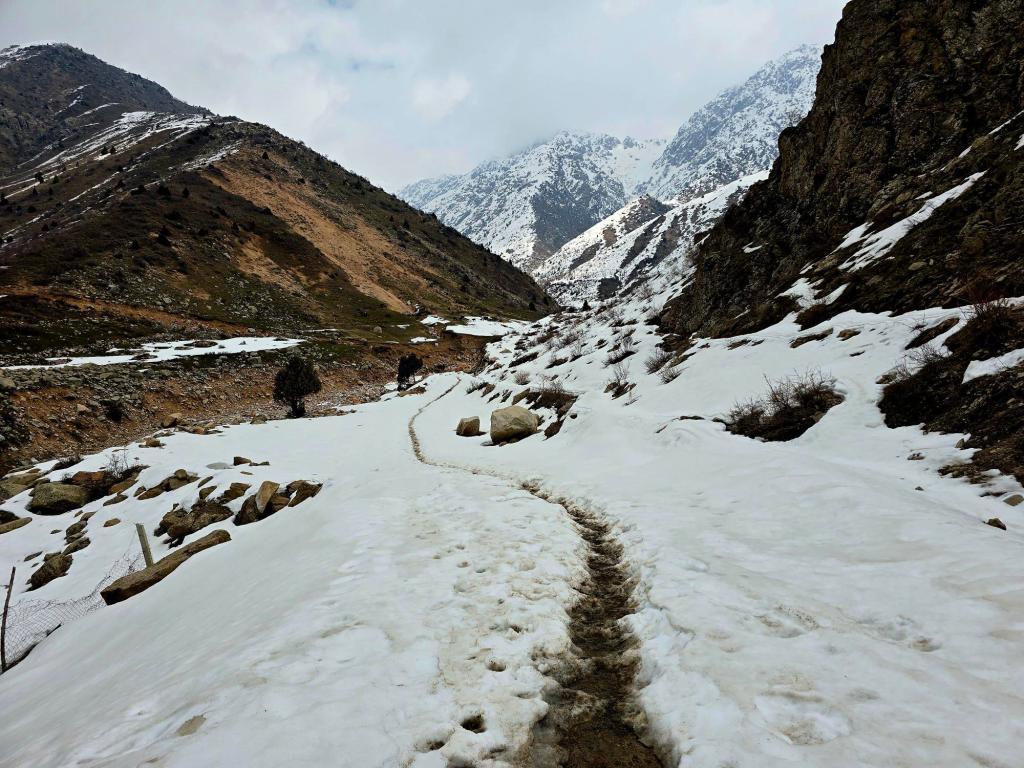
The road climbed steadily for a couple of miles before easing onto a small plateau. Near the top of the climb, patches of snow began appearing along the shaded edges of the track—a quiet reminder that winter still had a grip on the higher ground. We pushed on another half mile or so until the terrain opened up and offered a choice: continue straight along a narrower river that hugged the base of the mountain ahead, or cut left into a neighboring valley.
We turned left.
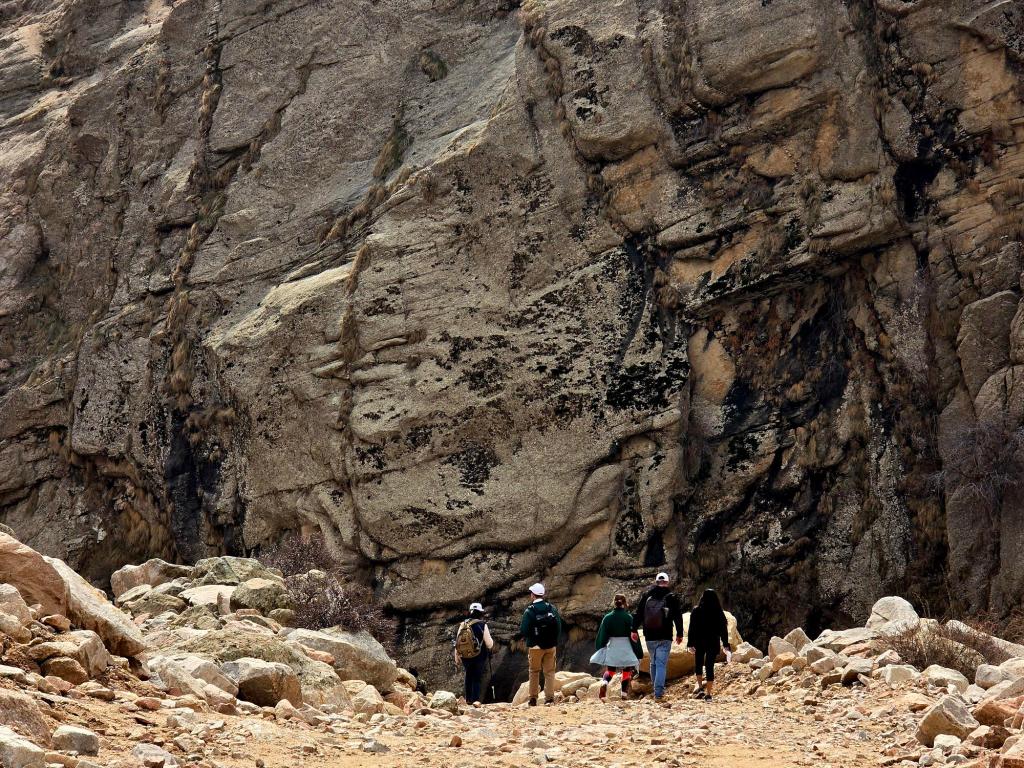
After a few hundred meters, we reached the picnic spot we’d been aiming for—an unassuming patch of ground with an outsized reward. From there, the view opened into three separate valleys, each pulling the eye in a different direction. It was one of those places that feels accidental and perfect at the same time.
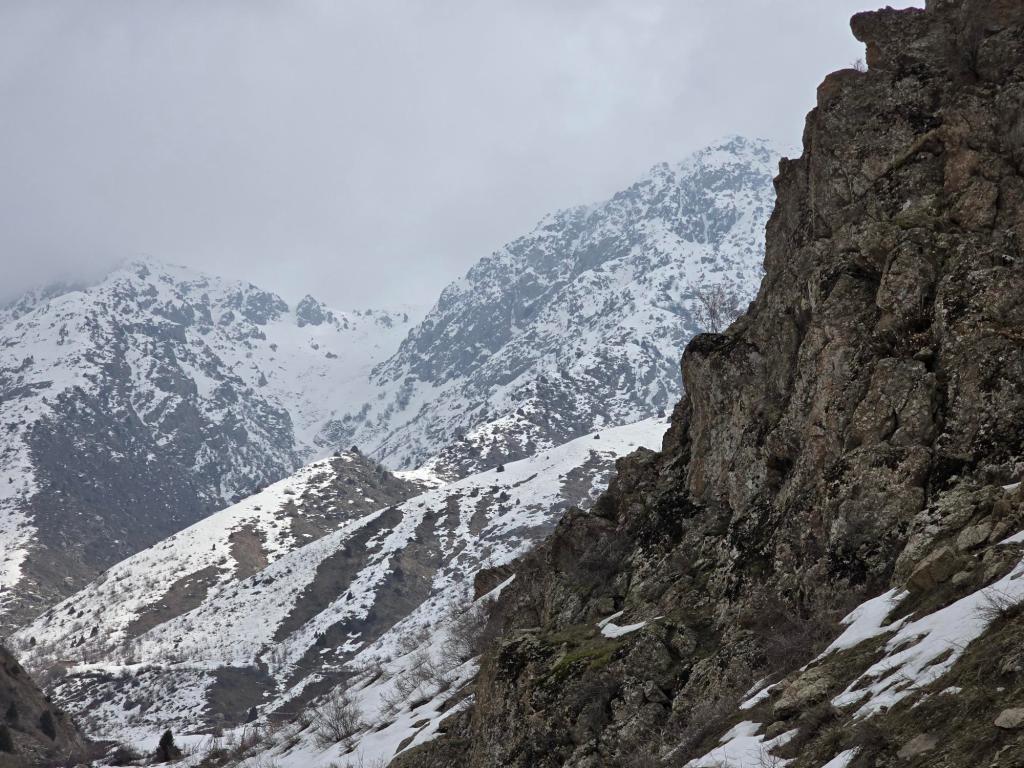
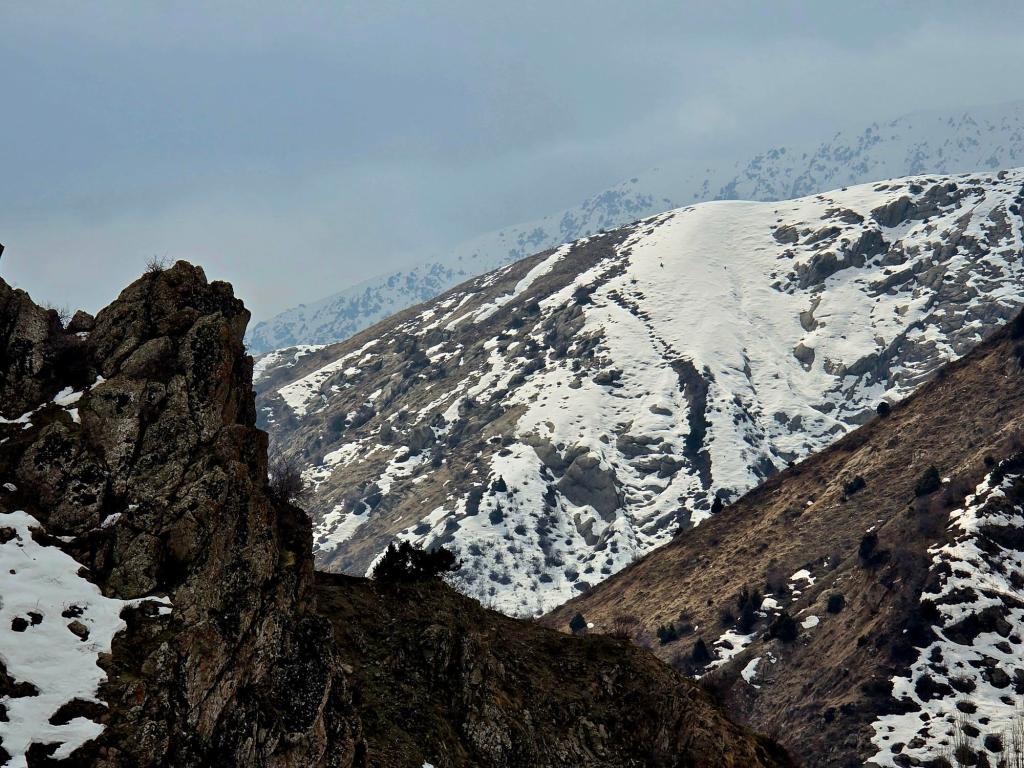
That’s when Denis’s famous Hike Tajikistan Starbucks came to life. Coffee and tea were passed around, snacks appeared from every pack, and the group settled into the easy silence that comes once the climb is done. When I asked Denis about the valley we’d just entered, he casually mentioned that you could follow it all the way through to connect with the far end of the Seven Bridges Trail on the Varzob side, but what need a couple of days.
I made a mental note.
Last October, I’d return with my buddy Philippe to turn that note into an overnight backpacking trip—up and over the pass and out through Varzob Valley—but that’s a story for another post.
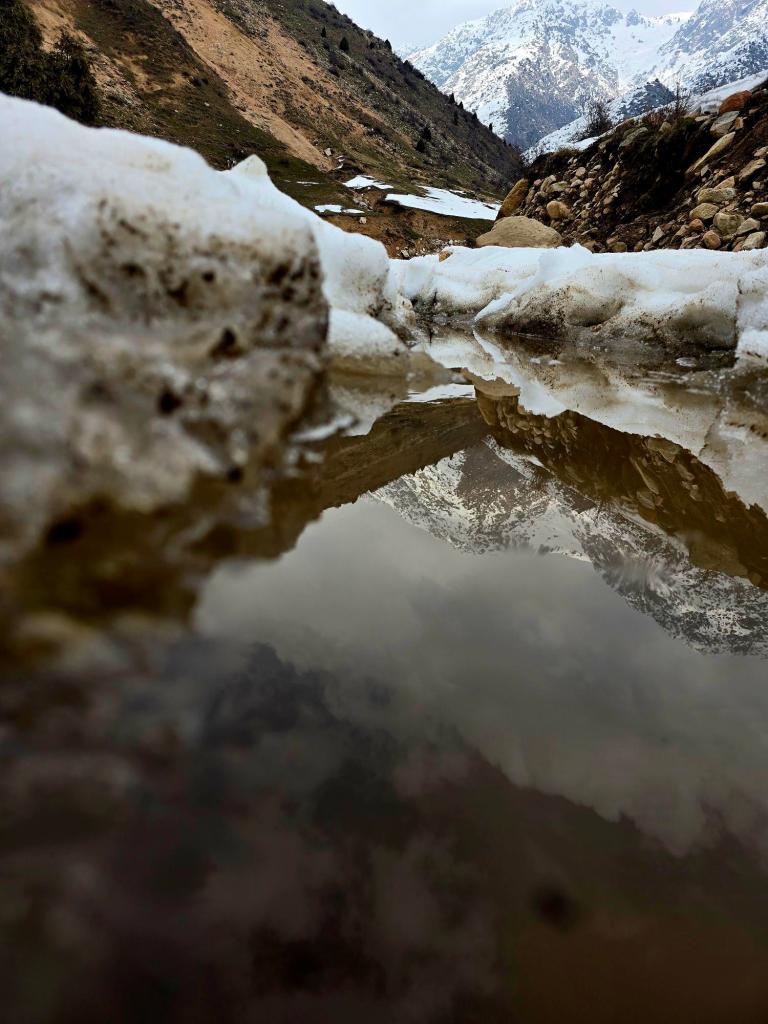
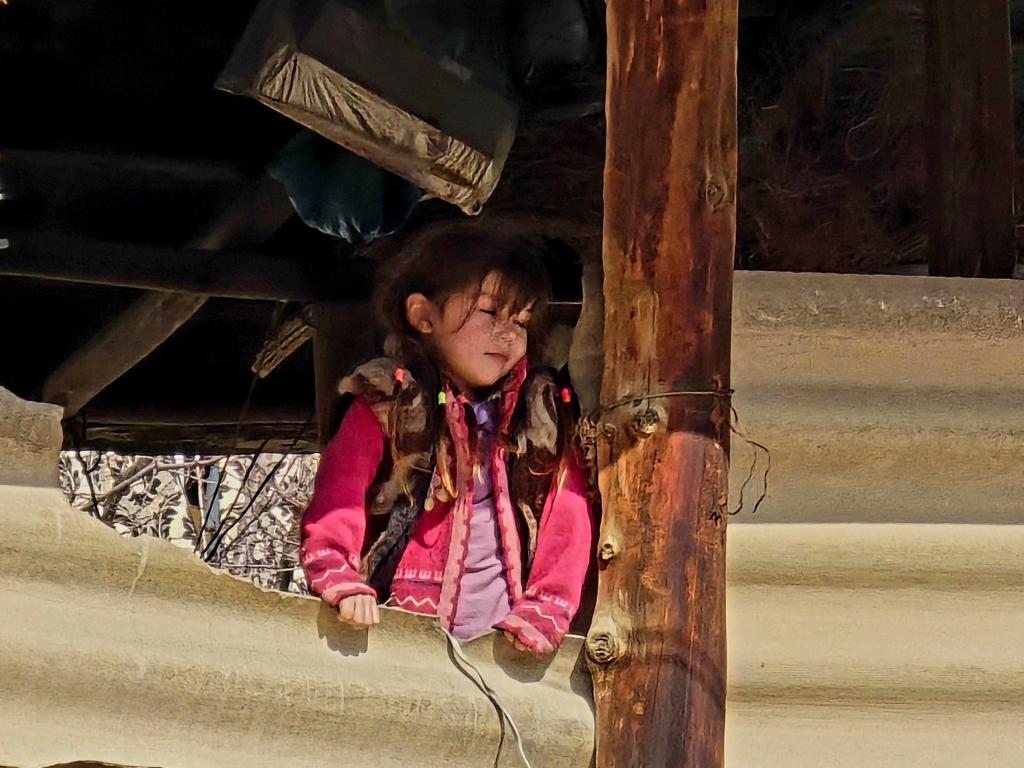
The walk back down into Dara was unhurried. We passed more families working together in their fields, preparing the soil before spring fully arrived. Wood-laden donkeys emerged from side paths, joining clusters of men standing in the road, deep in conversation, coats pulled tight against the lingering chill. As we neared the village again, kids ran between houses and courtyards, and the quiet, steady rhythm of a Tajik mountain village carried on without much notice of us at all.
We cut through the lower part of the village and looped our way back up toward the car, the afternoon light softening the edges of everything we’d just walked through. It wasn’t a dramatic hike, or a demanding one—but it didn’t need to be. Dara had offered something better: a glimpse into daily life at the edge of the mountains, close enough to the city to reach easily, yet grounded in traditions and routines that feel timeless.
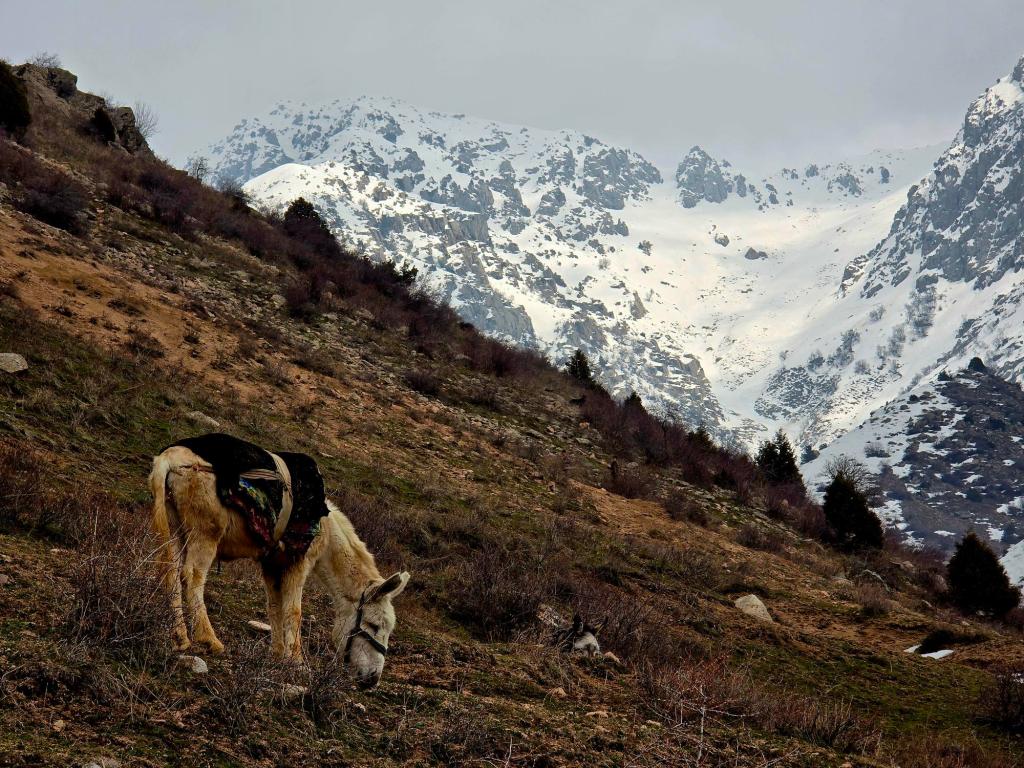
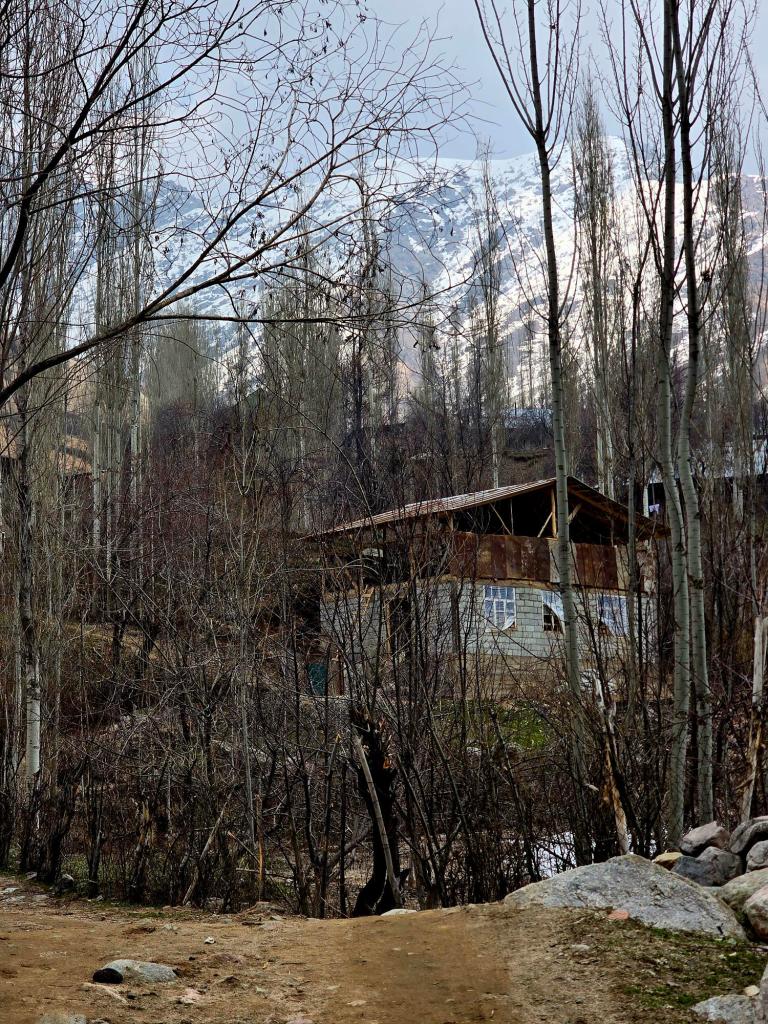
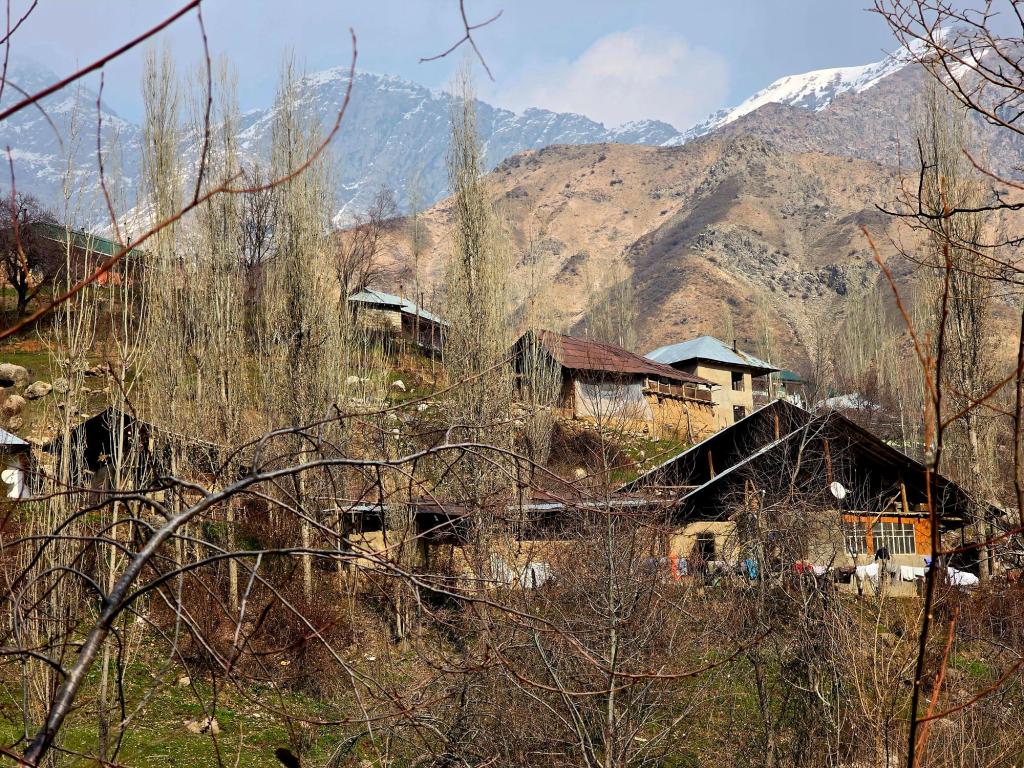
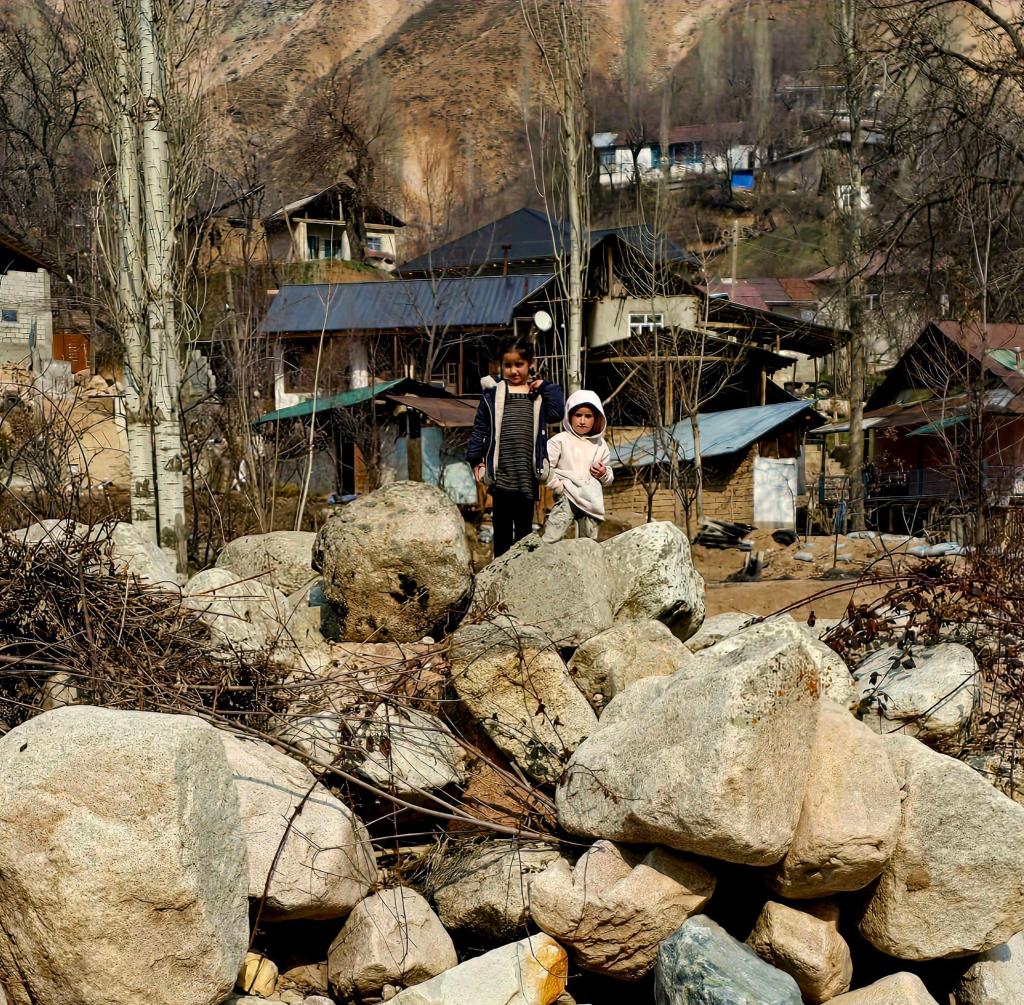
What stood out most about this hike wasn’t the terrain or the distance, but how naturally the walk threaded through daily life. Dara isn’t a place you simply pass through on the way to somewhere else—it’s a working valley, shaped by water, animals, and people moving at a seasonal pace that hasn’t changed much over time. Even on an easy, half-day outing, the layers begin to show: collective labor in the fields, kids handling real responsibilities, and conversations unfolding in the road.
For a hike so close to Dushanbe, it offered a rare sense of removal. The mountains close in quickly, the noise falls away, an you are quickly transported to a place that operates on a different pace. Looking back, this first visit to Dara felt less like a destination hike and more like an introduction—one that quietly planted the idea of returning, going farther, and eventually crossing over into the next valley. Some trails announce their possibilities loudly. Dara just lets them sit there, waiting.
 Wise Clan in Stanland
Leave a comment