June 28-July 3, 2025
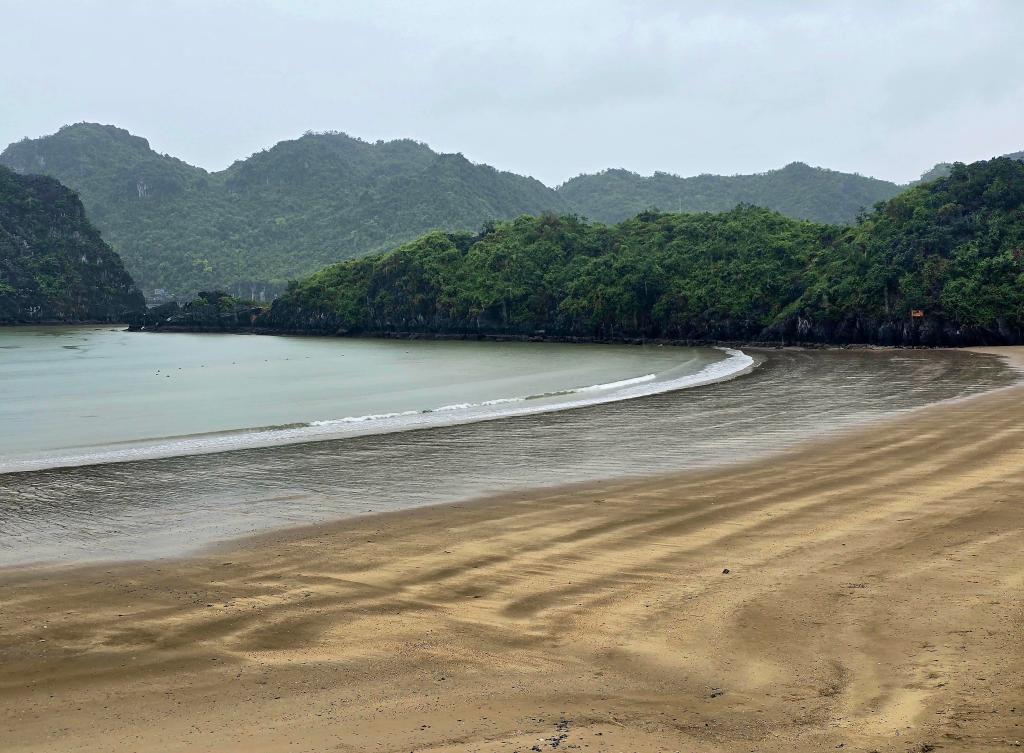
Everyone in our family loves the beach almost as much as we love the mountains. Our last year in Tajikistan had given us a healthy dose of mountain life—alpine lakes, long climbs, and thin air—but it’s also about as far from the ocean as you can get. So when we pulled out of Hanoi and headed east toward Haiphong and onward to Cát Bà Island, there was a shared sense of anticipation in the car.
About two and a half hours into the drive, Haiphong slid past on the left side of the highway. We all took a good look—our school has a campus there, the only one in Vietnam. It struck me as a solid location: close enough for easy weekends in Hanoi, and right on the coast, with quick access to Cát Bà or deeper into Hạ Long Bay.
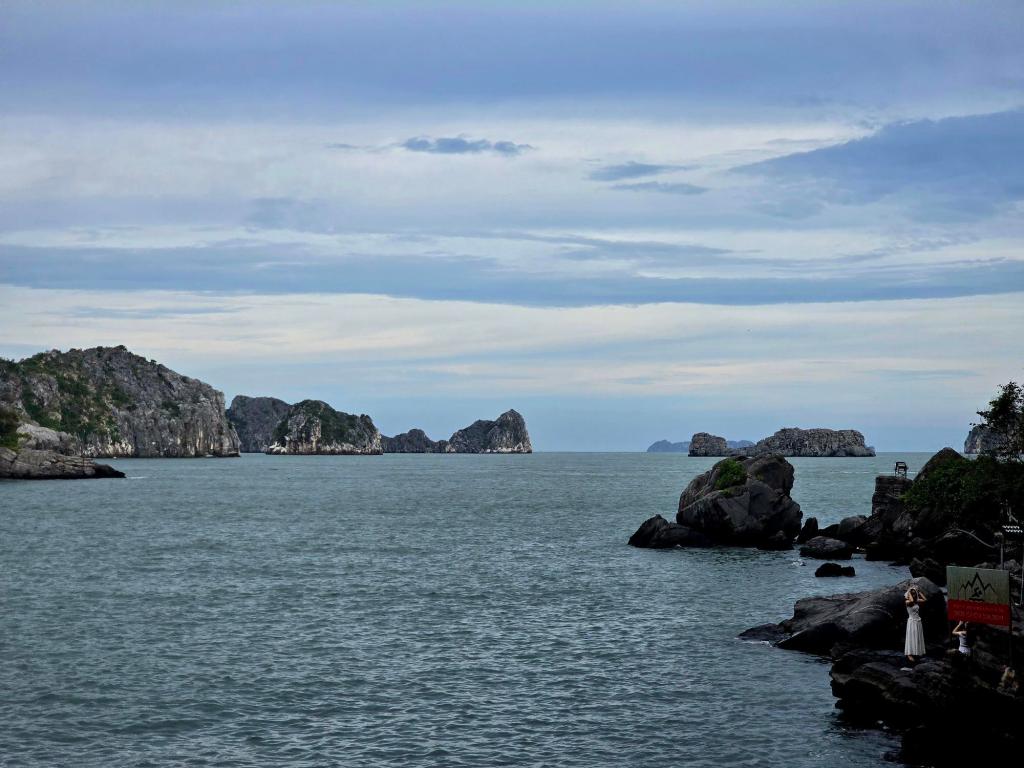
At the ferry terminal, we slow-rolled into a long line of cars waiting to cross. We watched one ferry load up and depart, then another. We finally made it onto the third boat, and the whole process took close to an hour and a half. Since 2020 there’s been an alternative—a soaring cable car that crosses the channel high above the water. It looked like you could walk straight on with no wait and be on the other side in about fifteen minutes, though you’d still need a taxi or bus for the final twenty-minute drive into town.
We checked into a small, family-run hotel just to the right as you come into town. It wasn’t fancy, but it was clean, comfortable, and—most importantly—only a five to ten minute walk from our favorite and quietest nearby beach.
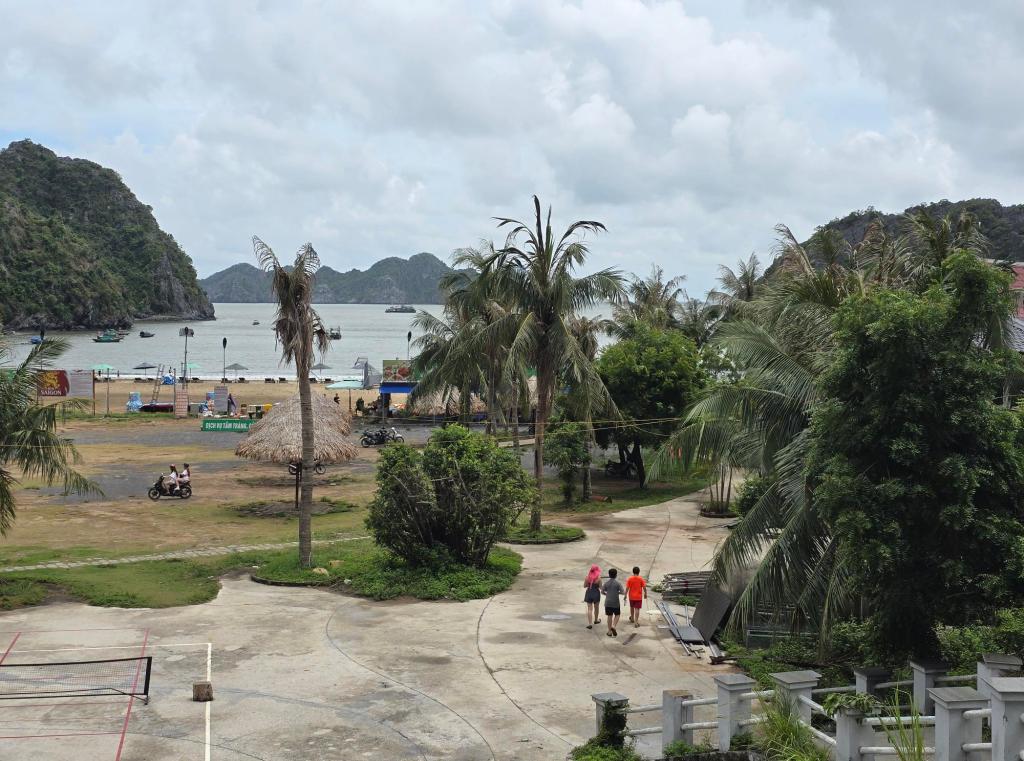
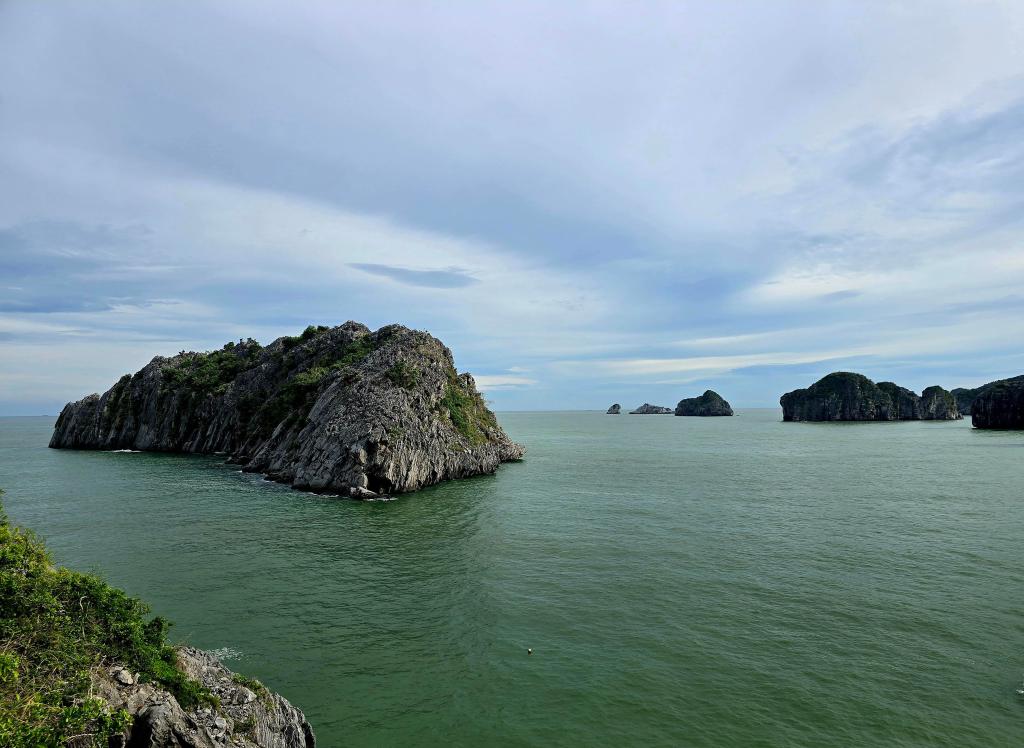
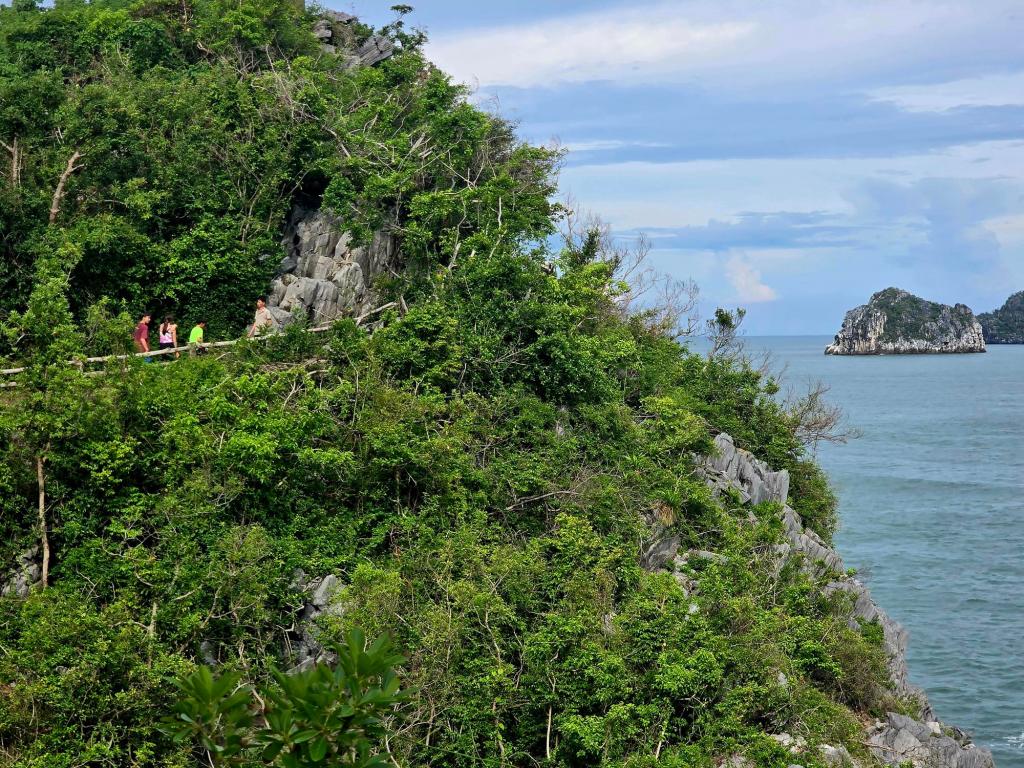
Cát Bà feels less like a simple island and more like a crossroads where layers of history quietly overlap. Long before ferries and cable cars, people lived here more than 6,000 years ago, part of an early coastal culture shaped by fishing and the sea. Local legend says the island’s name—often translated as “Island of Women”—comes from women lost during ancient invasions, their memory carried forward in the name itself. Later, the same maze of limestone towers and hidden coves that now draw kayakers once offered perfect shelter for smugglers and sea raiders moving through Lan Hạ Bay, slipping between islands beyond the reach of authorities. In the 20th century, those cliffs served a very different purpose. Deep inside the rock, Hospital Cave operated as a bomb-proof hospital during the Vietnam War, its operating rooms and dormitories concealed beneath solid limestone. It’s easy to admire Cát Bà for its scenery alone—but once you start noticing what’s hidden in the stone, the island feels alive with stories that never quite left.
The island is also the only home of a critically endangered primate, the golden-headed langur. Fewer than sixty are believed to remain. I would have loved to venture deep into the jungle interior in search of them, but time—and a commitment to lazy beach days—made that unrealistic on this trip. I’ve been meaning to look for golden monkeys in southern Yunnan for nearly twenty years and still haven’t managed that either. Both are firmly on the list for a future visit. This five-night stay on Cát Bà, though, was intentionally simple: sleep, swim, repeat.
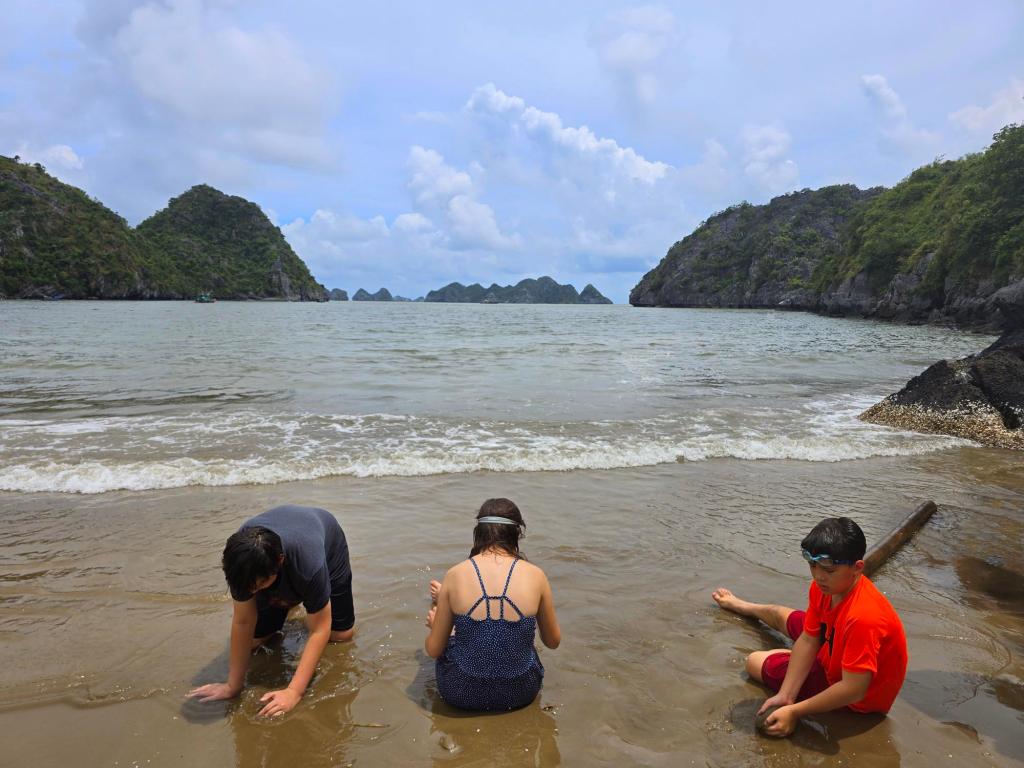
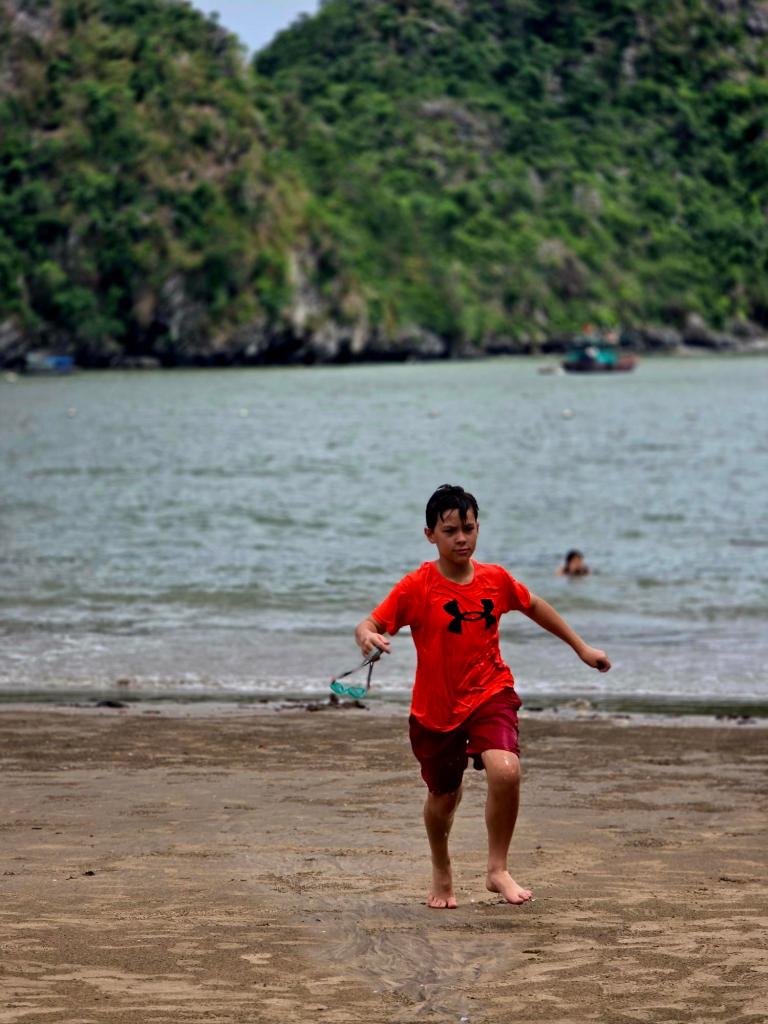
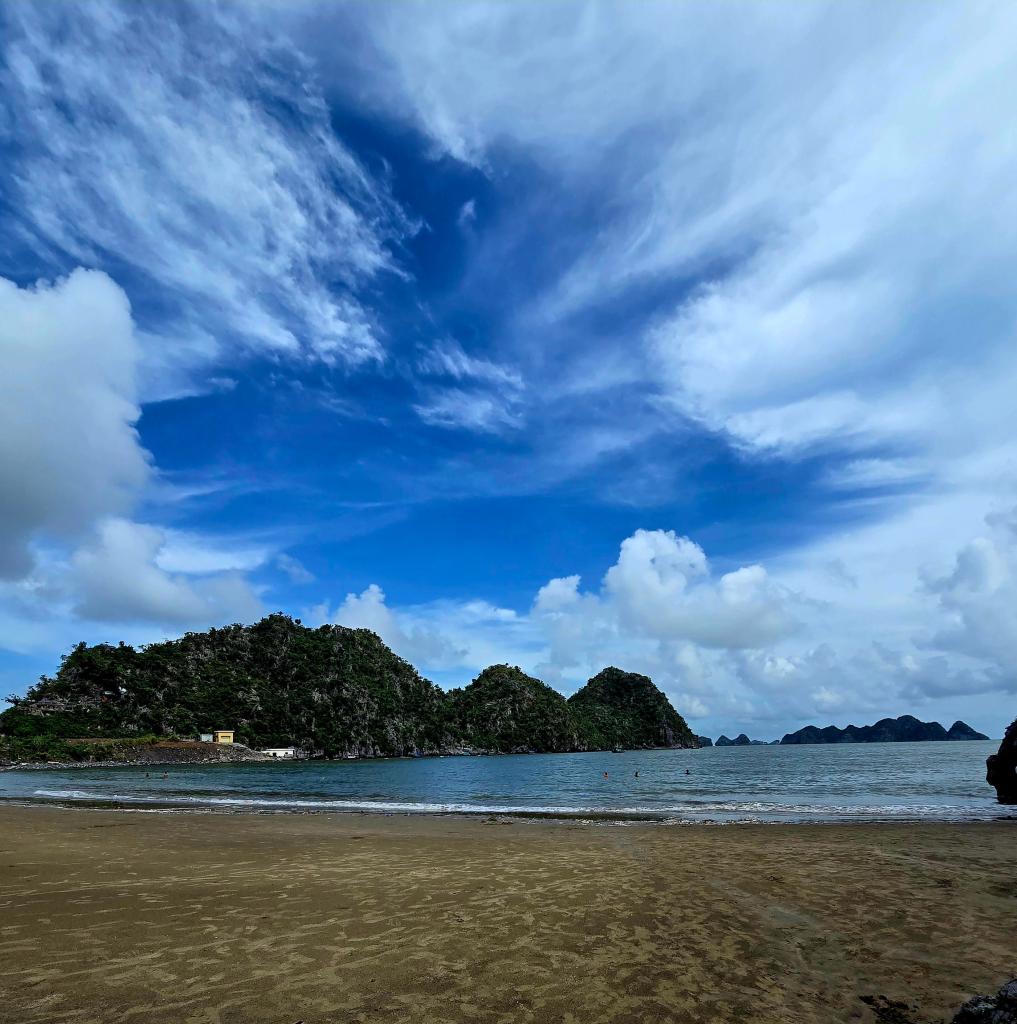
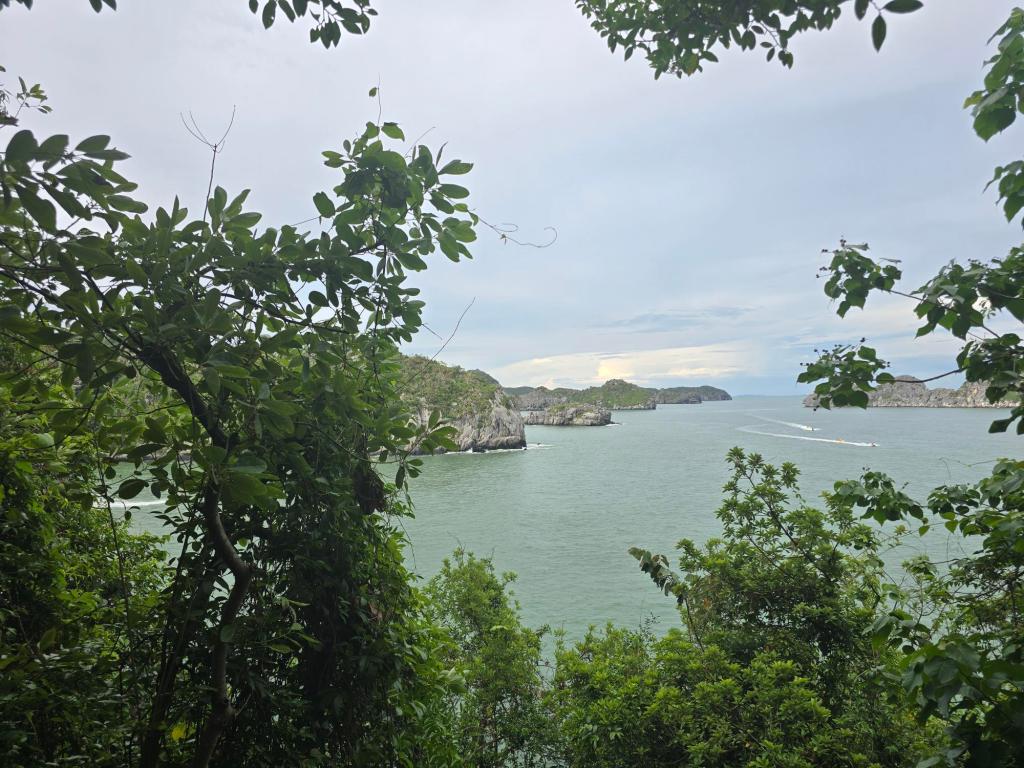
And that’s exactly what we did. Most days were spent at Bãi tắm Tùng Thu, the least crowded beach in the immediate area and just a short walk from our hotel. We did visit Beaches 1, 2, and 3 a couple of times, but they were always packed. The walking path connecting them, however, was excellent—offering elevated views out over the bay, with limestone peaks rising straight from the water toward the sky.
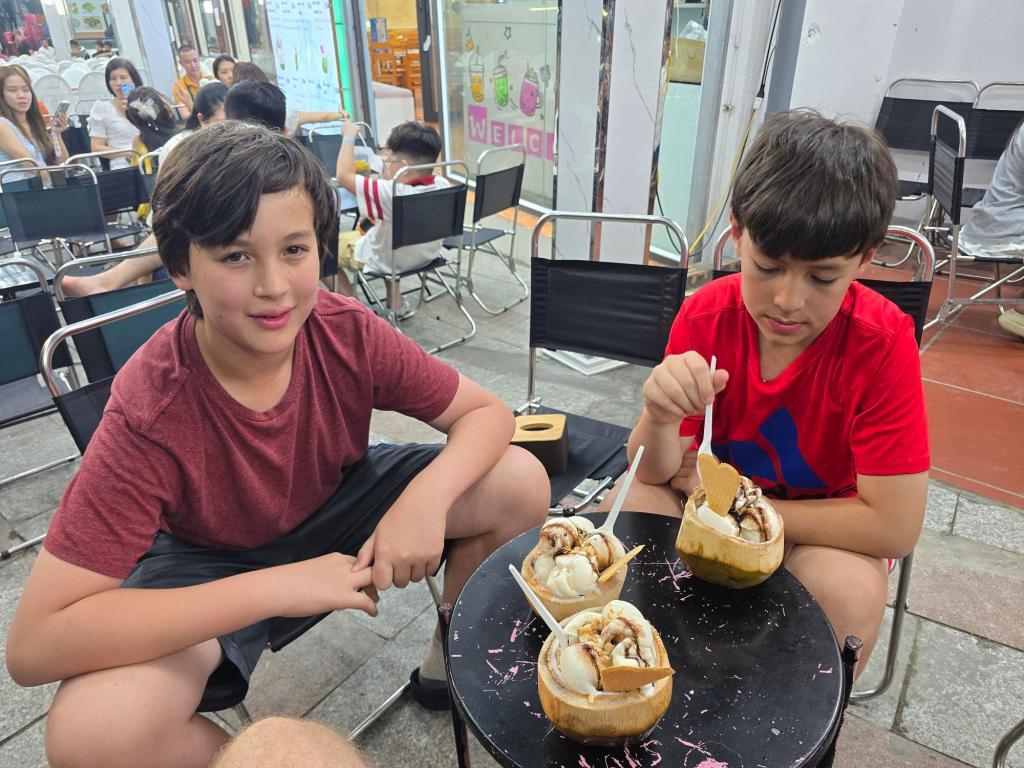
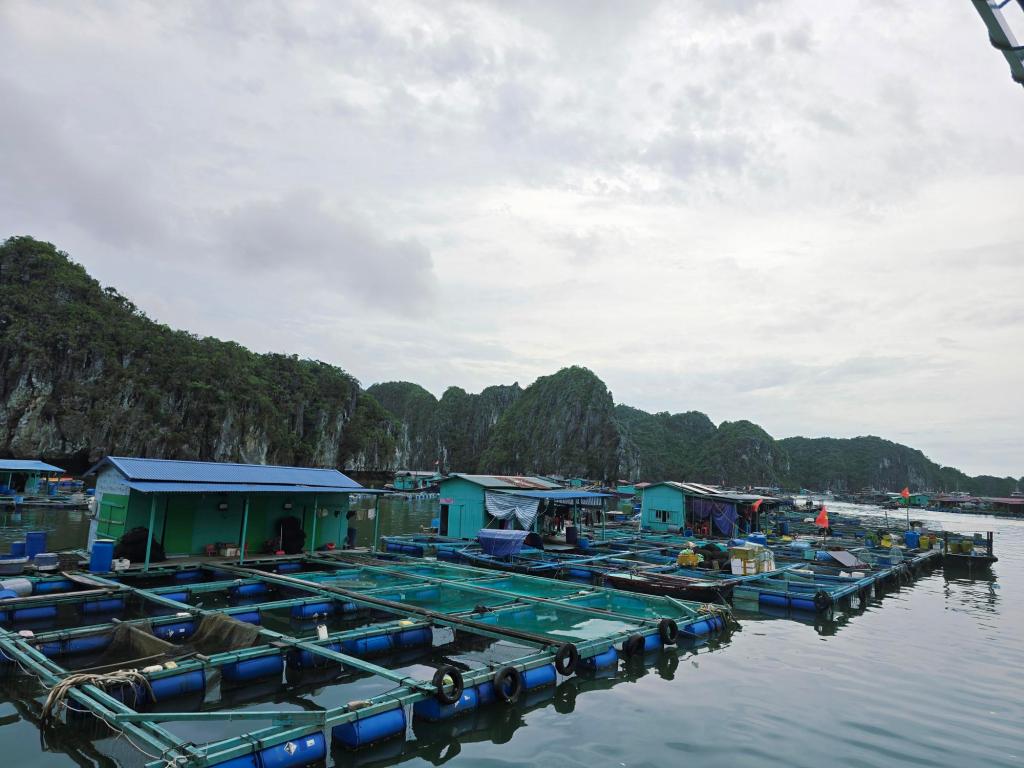
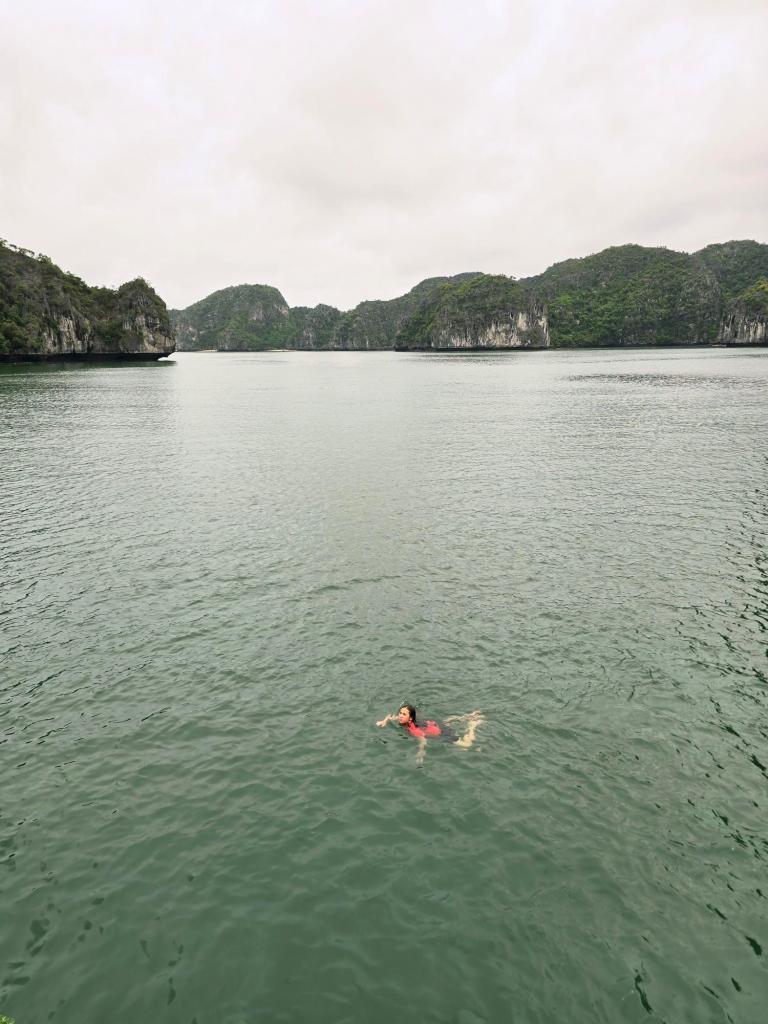
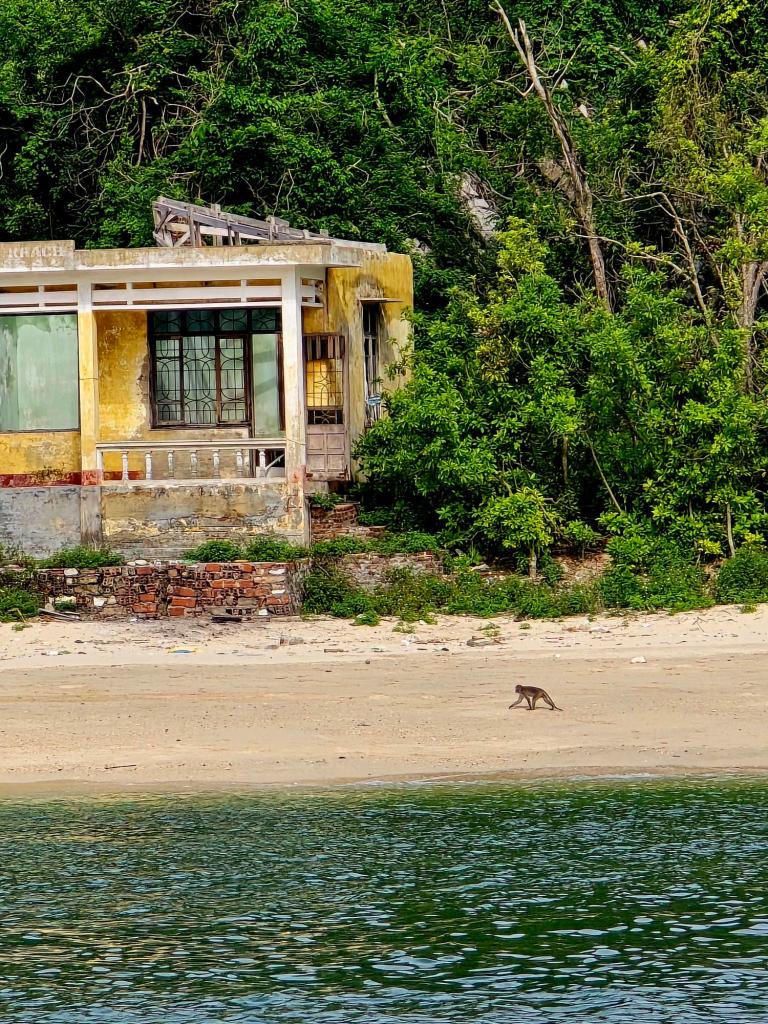
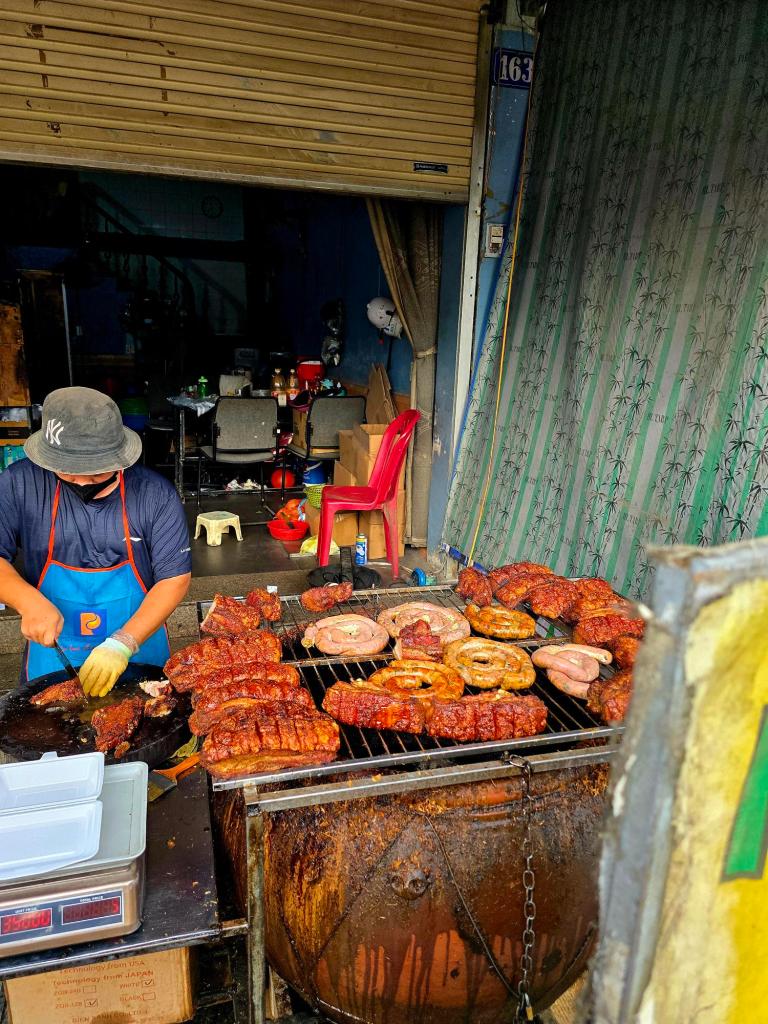
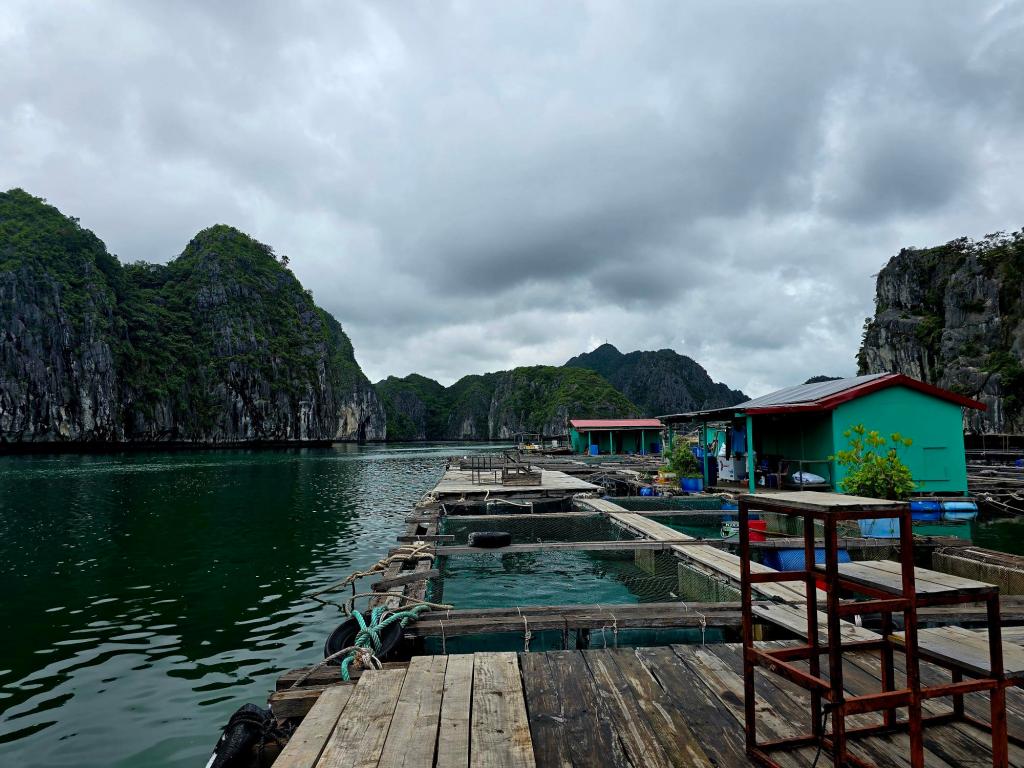
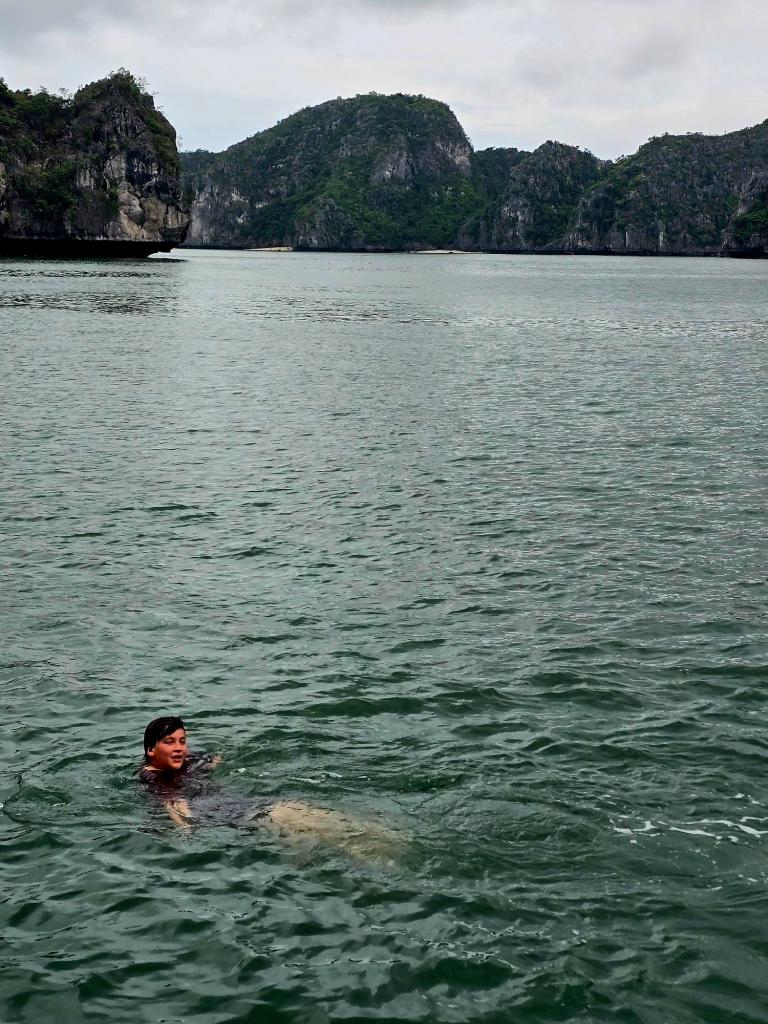
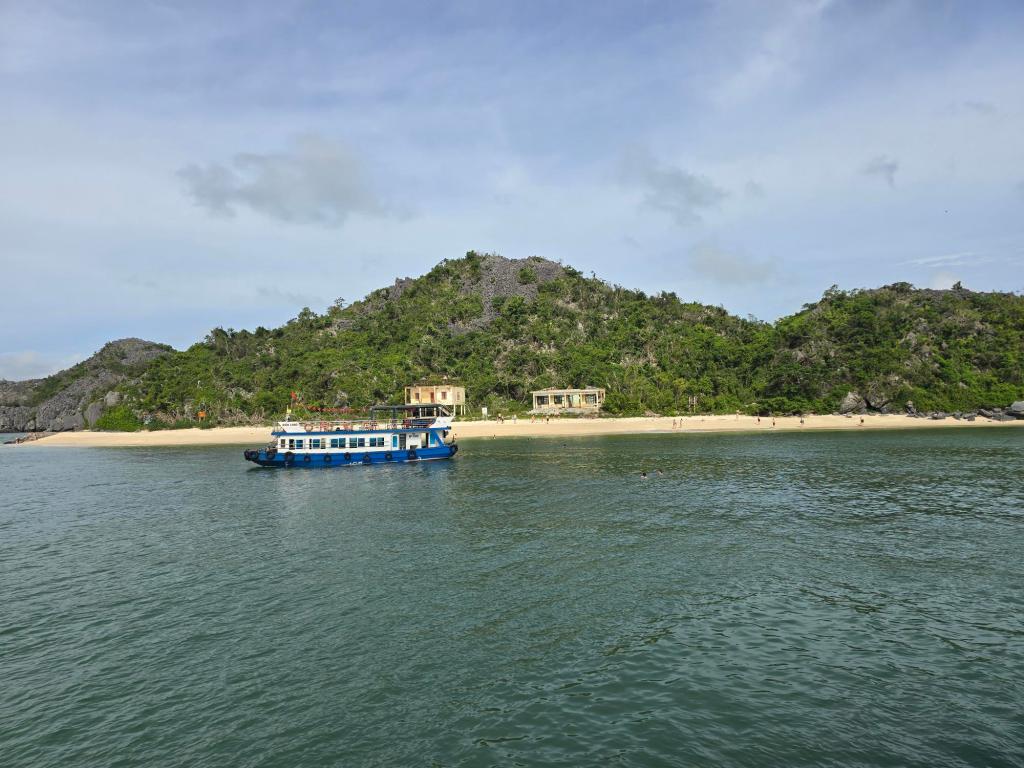

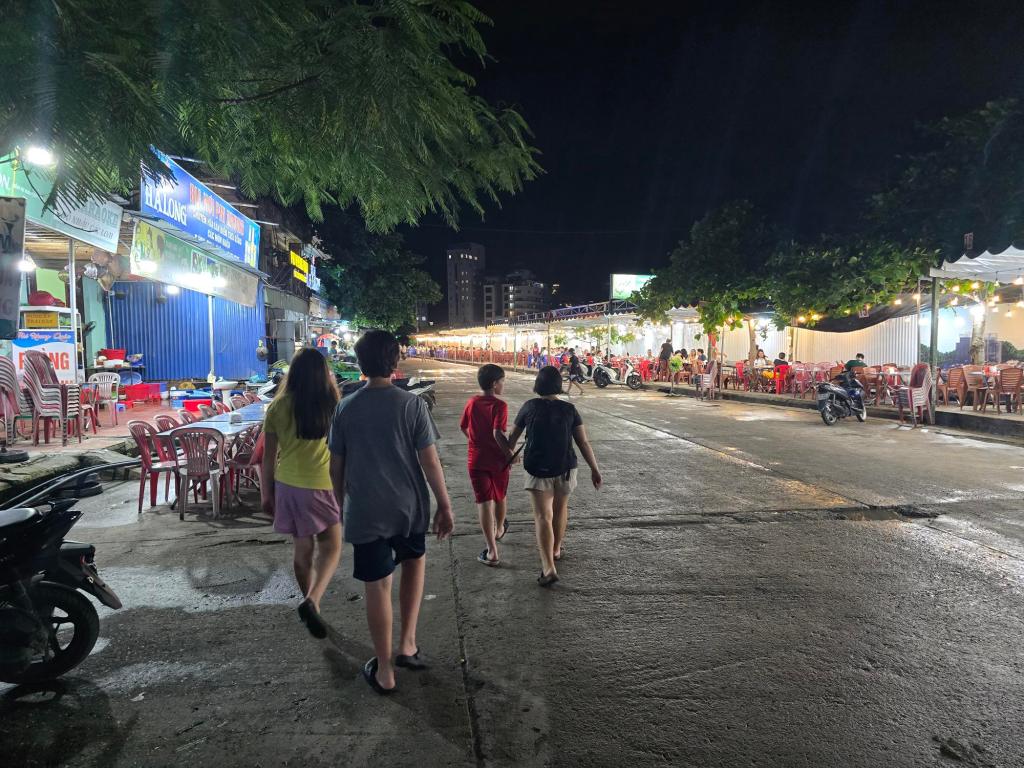
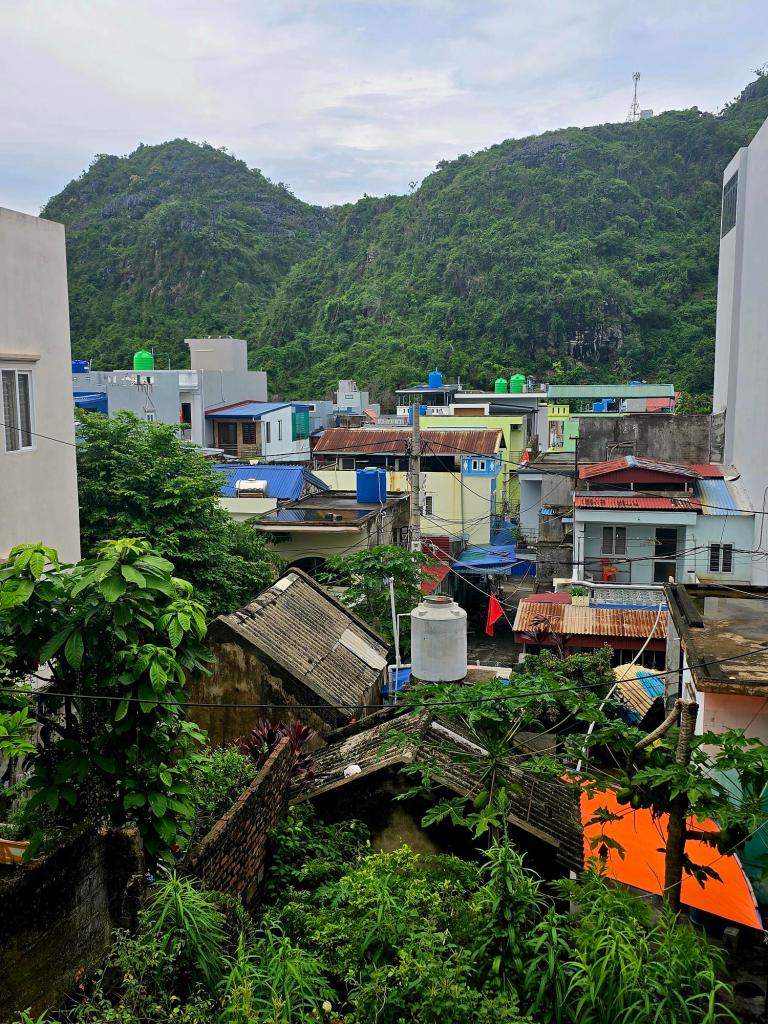
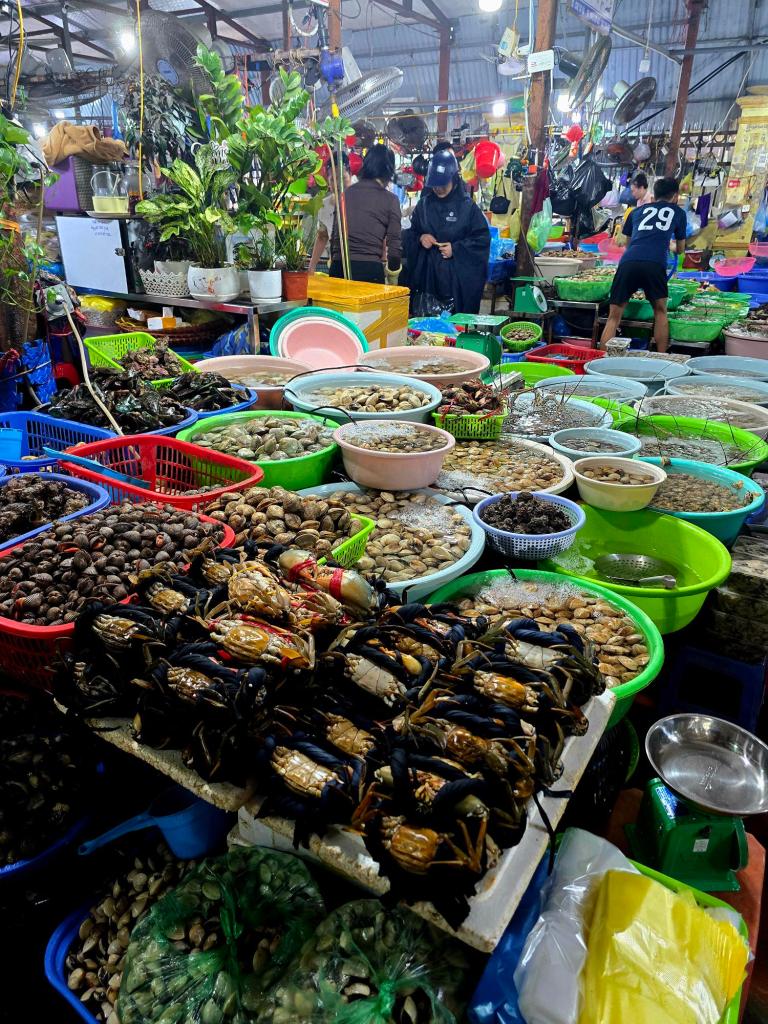
When we weren’t on the beach, we were wandering the market and eating far too well. There was a guy flame-roasting thick slabs of pork belly and sausages that we visited more than once. Ice cream shops served surprisingly good scoops in halved coconuts, the flesh scraped down and left at the bottom. Open-air seafood buffets required long walks afterward.
It was the day after one of those buffets that we had a trip planned out into Lan Hạ Bay and Hạ Long Bay. We arrived at the dock about ten minutes before boarding when Rowan suddenly turned green and got sick—fast. Within five minutes we were making a call. Being sick on a boat all day seemed like a terrible idea, so we stayed behind. I’d done an overnight trip through those bays back in 2006, so I sent my wife off with the other two and told them to enjoy it.
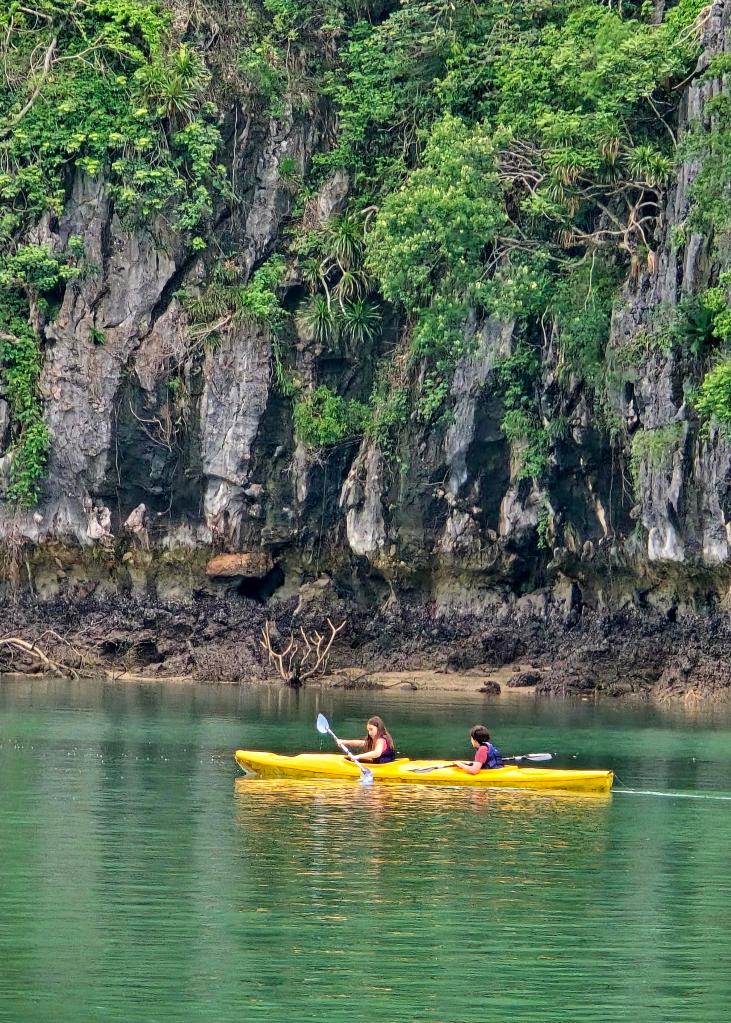
An hour later, Rowan was completely fine, and we were both wishing we’d gone—but there’s no way to know that in the moment. We spent the day back at our local beach while the other three cruised through the bays, stopping at floating villages, kayaking to small island beaches, and swimming out in open water.
Those five easy days on Cát Bà eased us gently into summer mode. Rested, sun-soaked, and well fed, it was time to trade sand for switchbacks and head north to my favorite corner of Vietnam—Sa Pa.
 Wise Clan in Stanland
Leave a comment