June 22–28, 2025
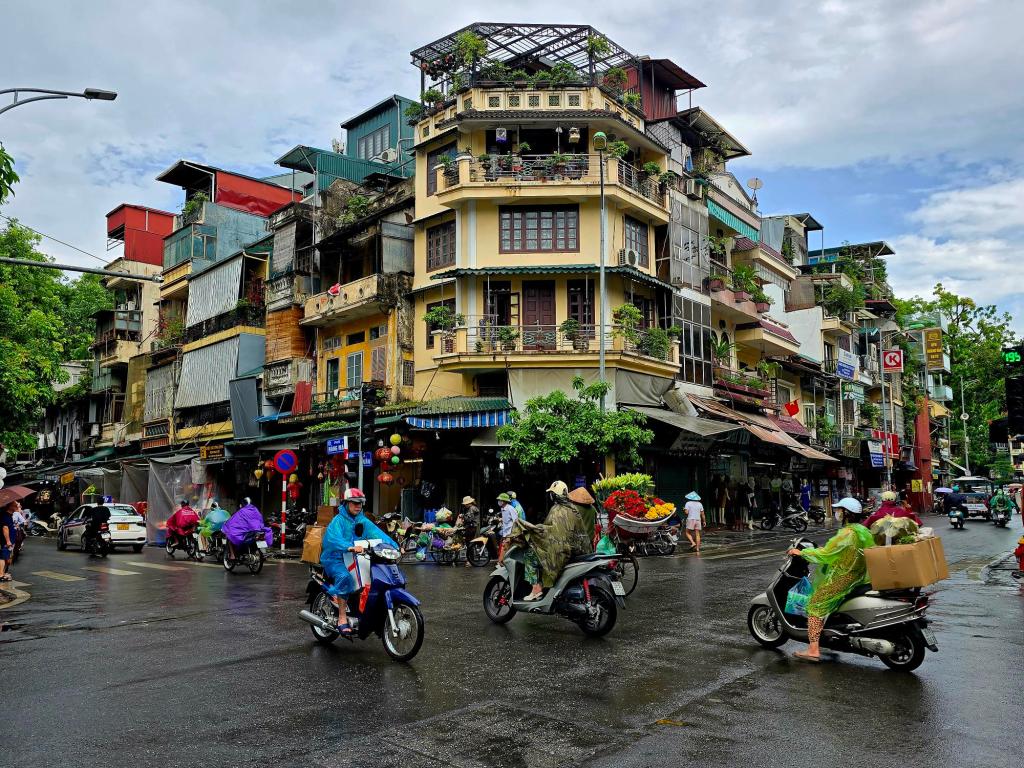
We wrapped up the school year on a Friday and found ourselves boarding the first of four flights at 2:30 a.m. on Sunday morning. Flying into and out of Tajikistan is never straightforward. With limited direct routes—mostly to Dubai, Urumqi, or Istanbul—getting anywhere else usually means at least two flights, and more often three.
This time our route ran Dushanbe → Urumqi → Xi’an → Guangzhou → Hanoi, with Guangzhou providing one of those travel moments you don’t forget: being loaded into a stretched, glorified golf cart and rocketed across three terminals at full throttle to make our final connection. Somehow, we made it.
Traveling to Vietnam in late June is always a gamble. Heavy rain is common, and it’s not unusual for it to settle in for days at a time. We rolled the dice—and for the duration of our stay, they came up lucky. When we landed late Sunday night, stepping into Hanoi felt instantly familiar and deeply satisfying. I hadn’t been back in Southeast Asia in twelve years, which is far too long. This corner of the world has a way of sticking with you—lingering daydreams of night markets, long motorcycle rides through hill tribe villages, and meals you’ll never quite be able to recreate. I was beyond excited to finally share that feeling with the kids. It was also my wife’s first time in Vietnam.
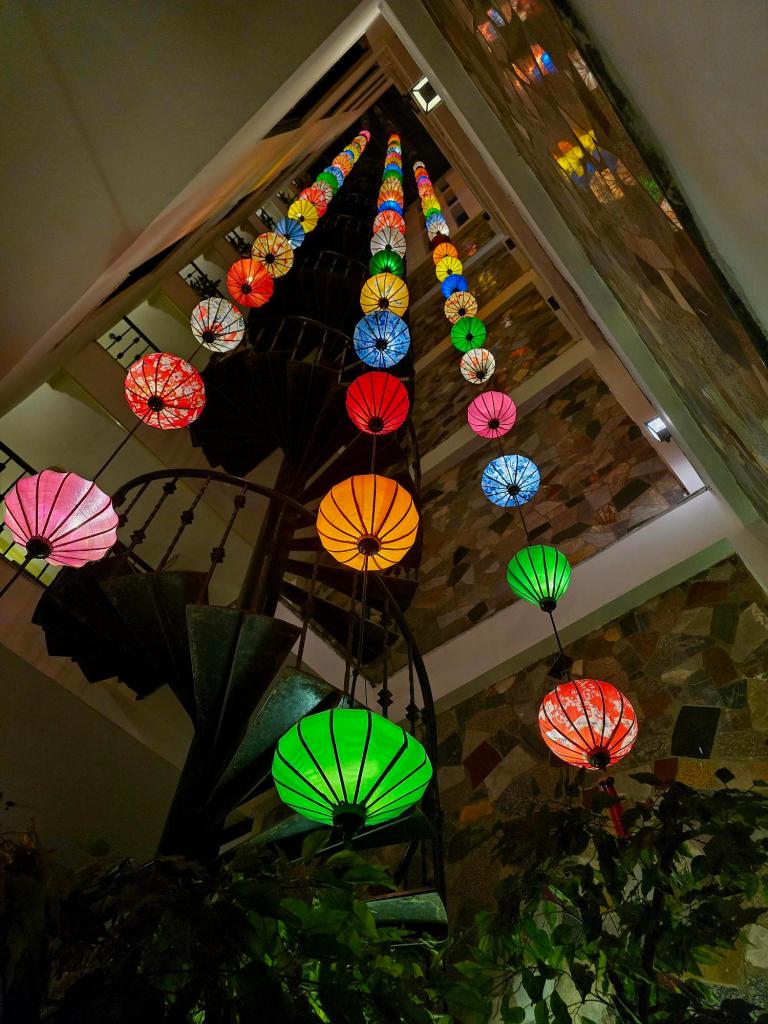
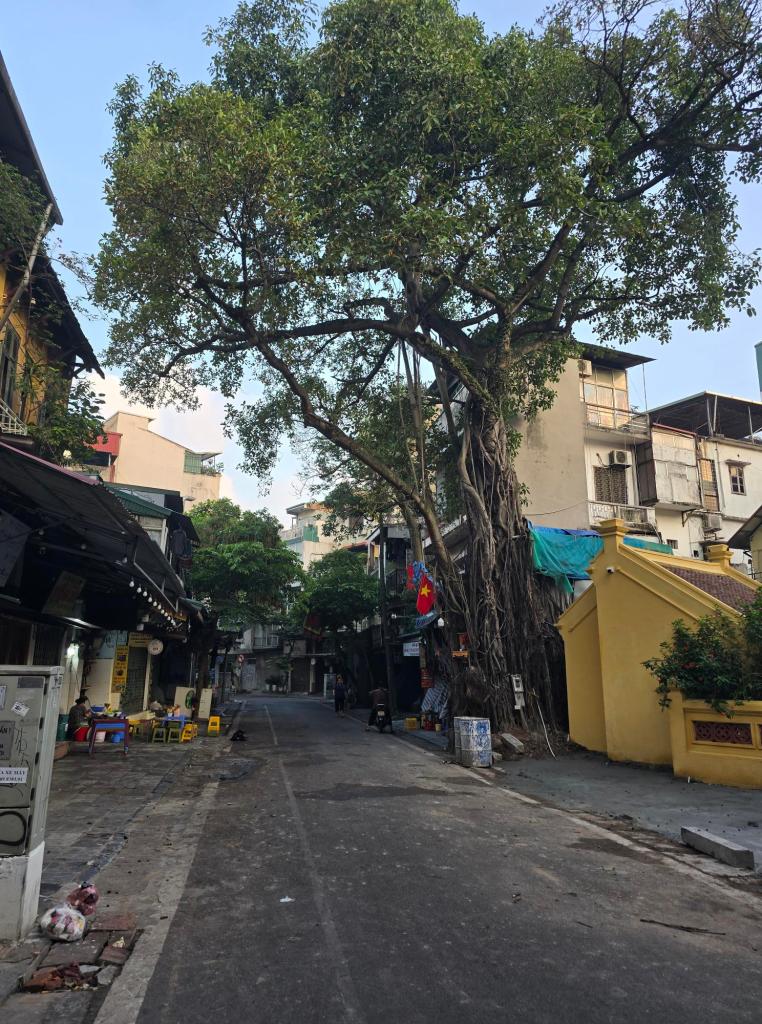
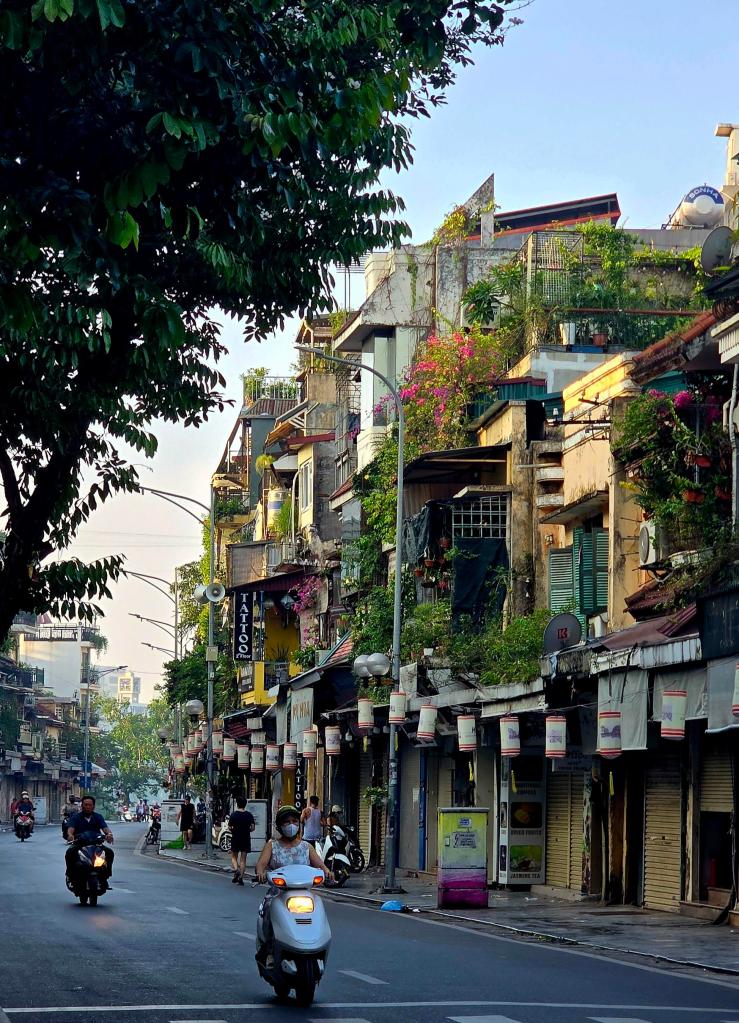
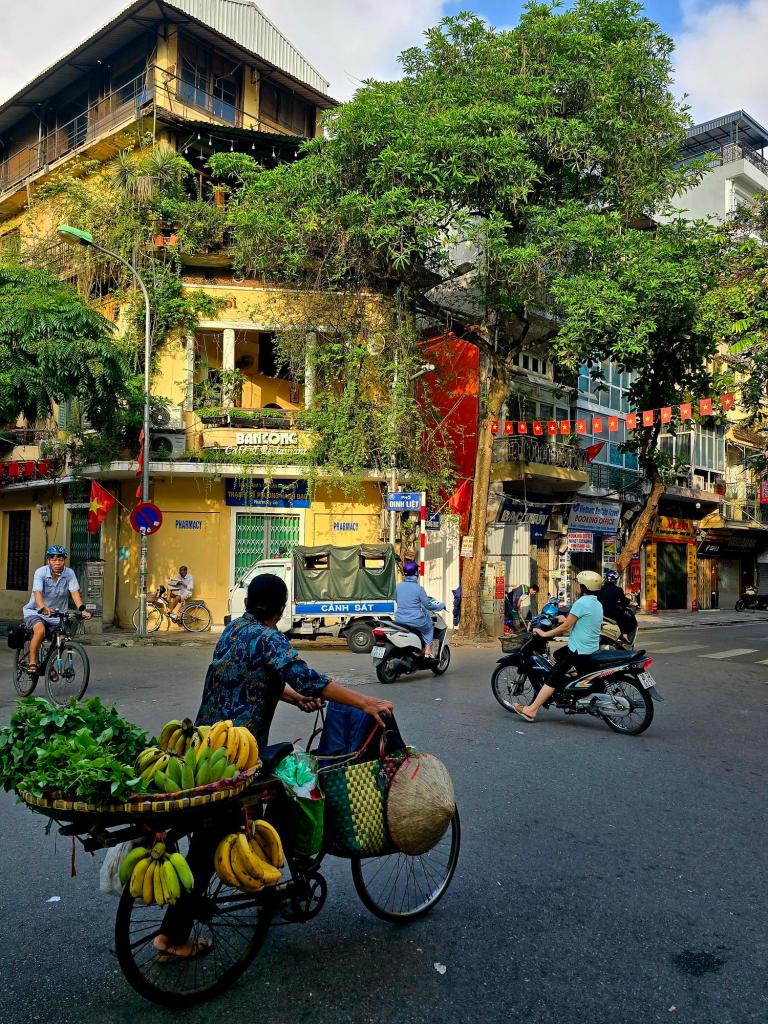
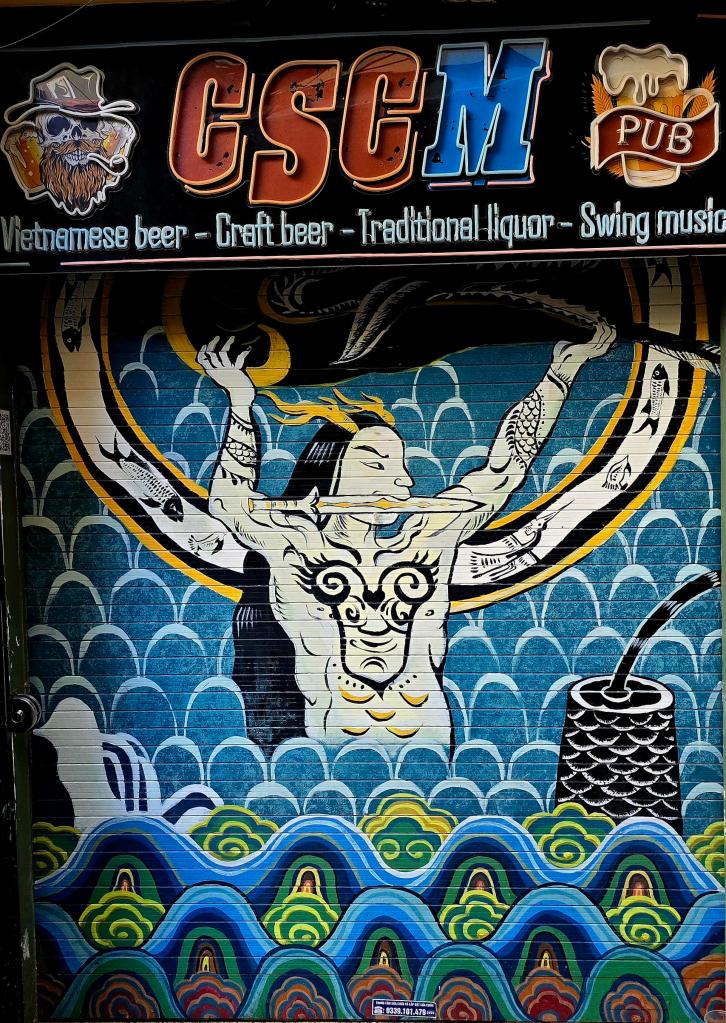
We checked into our guesthouse in the Hanoi Old Quarter, and once the family settled in, I slipped back out for a short walk to get my bearings. Even late at night, the narrow, tree-lined streets felt familiar—though I noticed there were now nearly as many small craft beer bars as there were traditional bia hơi joints. I managed a tidy half-mile loop without getting lost and called it a win.
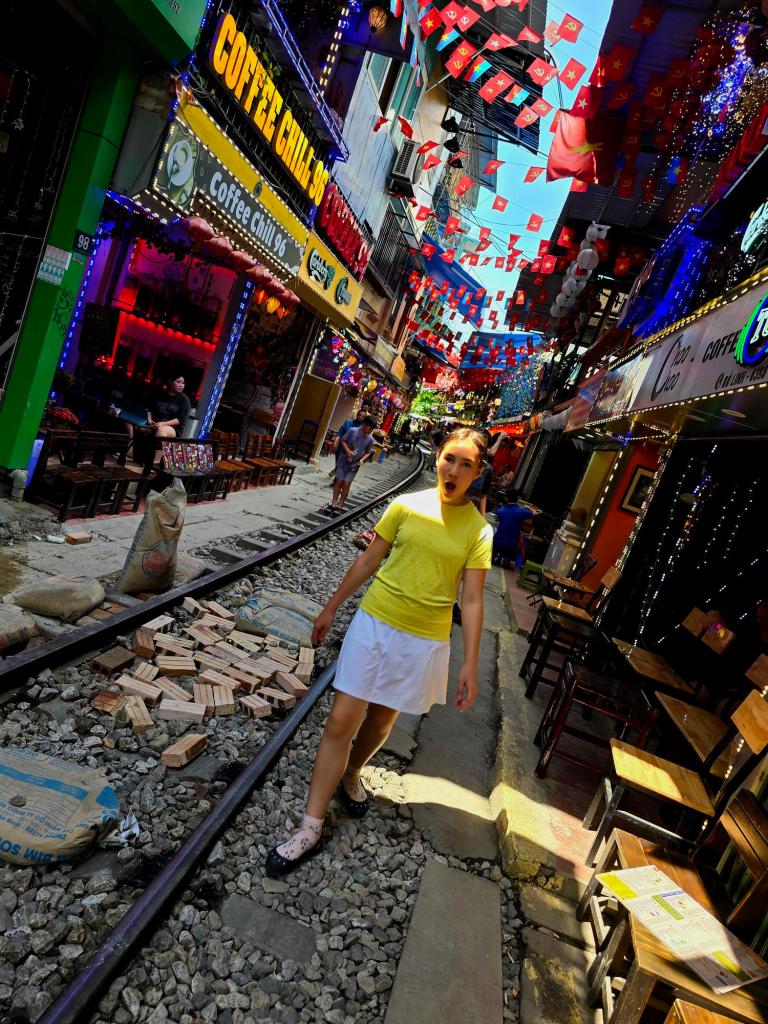
I’m an early riser, and the next morning I eased out of the guesthouse before sunrise to watch the city wake up. Before leaving, I dropped a pin on Google Maps while I still had Wi-Fi—future-me would be thankful. About fifteen minutes from our place, I crossed a set of train tracks and noticed people moving along both sides. Curious, I followed them. A block later, the tracks narrowed between cafés, bars, and shopfronts; another block in, homes pressed in close, stools lined the rails, and life unfolded inches from steel.
I had stumbled onto Hanoi Train Street.
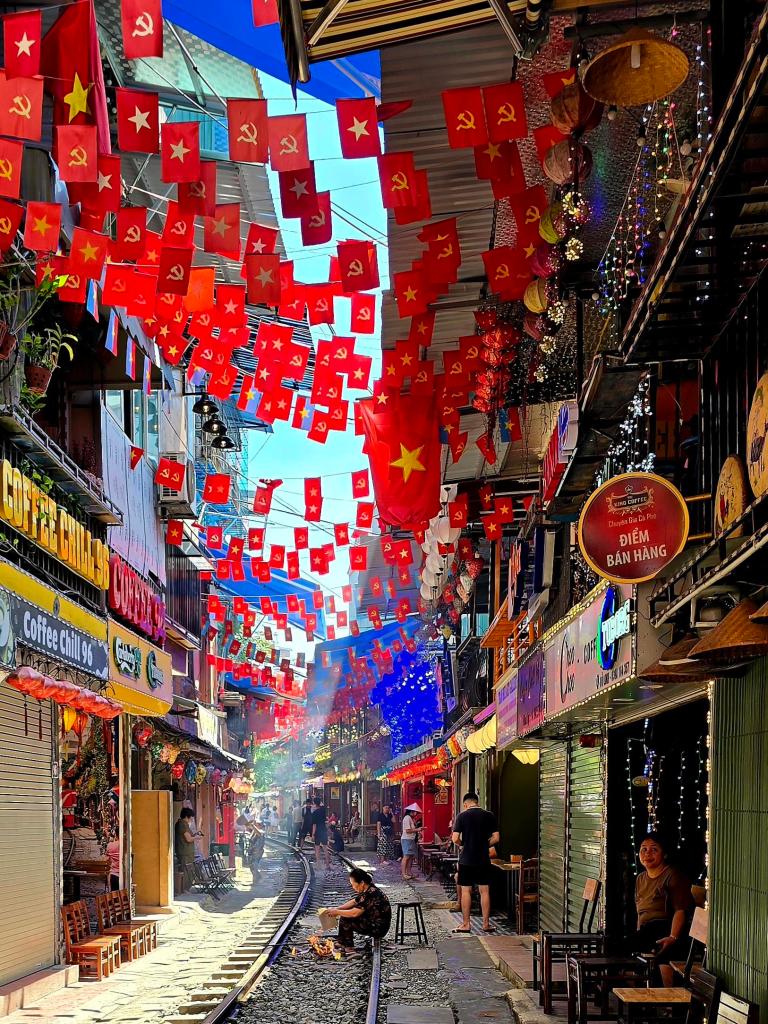
I ducked into a café, ordered an iced Vietnamese coffee to go, and asked about train times. The tracks were still very much active—chaotic, functional, and perfectly aligned with Hanoi’s energy. The barista told me to come back by 2:00 p.m. for a good spot ahead of the 2:30 train. I took mental notes of every turn so I could lead the family back later, then looped my way home.
The Old Quarter itself is a sprawling maze of the famous “36 Streets,” historically tied to trade guilds. With street bones dating back nearly a thousand years, it feels less like a neighborhood and more like Hanoi’s original 36 Chambers—rebuilt, remixed, but still operating on the same blueprint. Many of the old trees lining the streets are far older than the buildings beneath them. Once the city fully wakes, scooters rule everything. It’s not quite as chaotic as Saigon, but you’d still best protect your neck and cross with confidence.
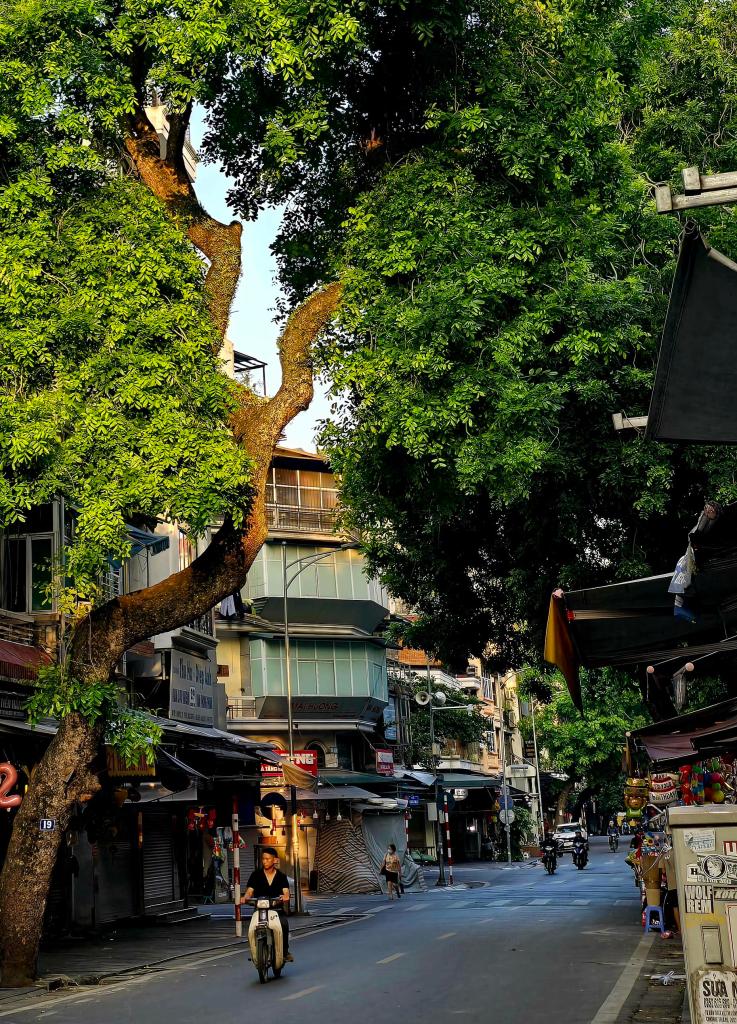
Food is everywhere in the Old Quarter, woven seamlessly between shops and beer gardens. When I last passed through Vietnam in 2007, I still partook in the frothy grog. Back then, a pint of bia hơi cost about ten cents—ice cold and dangerously easy to drink away an afternoon. On this trip, the rise of the craft beer scene was impossible to miss. Probably not ideal for a five-hour day session in the heat, but a solid evening option for the hop-heads.
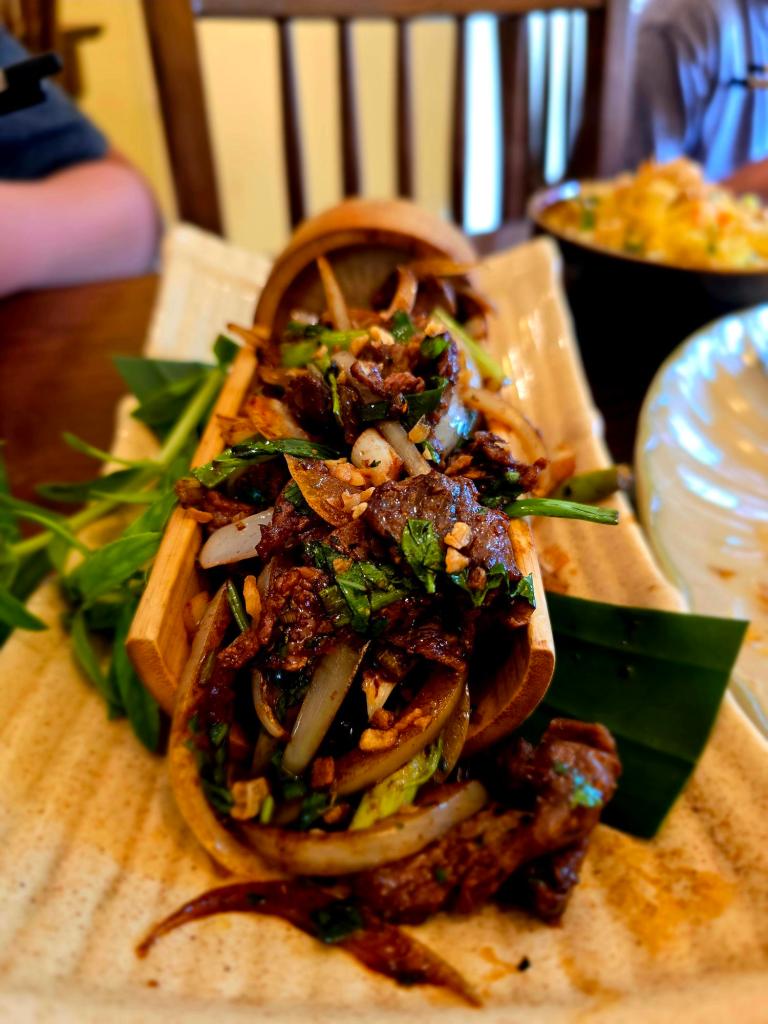
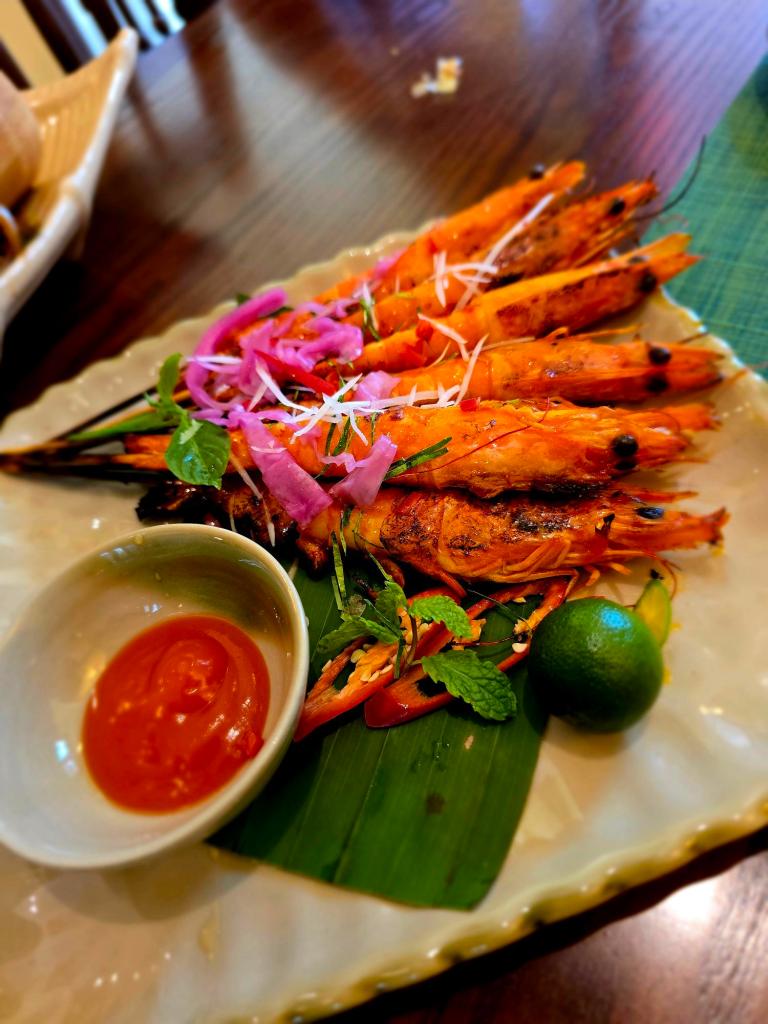
Vietnamese food rarely disappoints. You can walk into almost any restaurant, point at a few dishes, and know you’ll be well taken care of. Our first big lunch delivered plates of massive prawns and spicy twice-fried beef with herbs and chilis, served inside a split section of bamboo. Perfectly executed and beautifully presented. We ate constantly, stopping wherever something smelled good, and I was always hunting my next iced coffee.
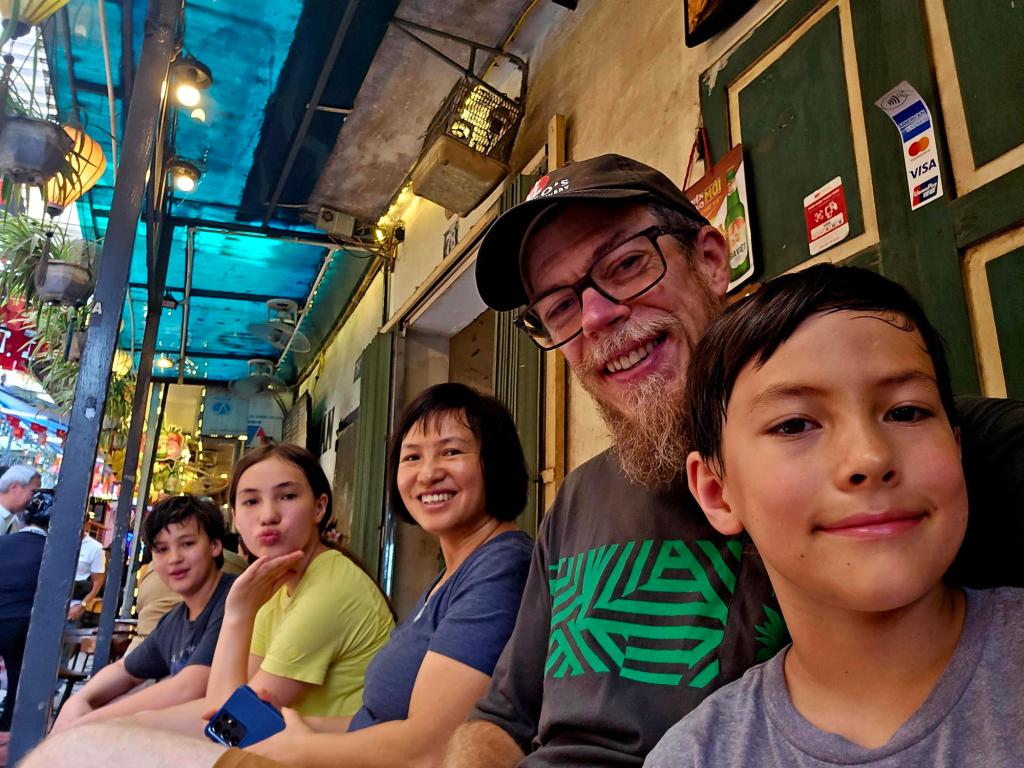
That afternoon we returned to Train Street and settled in front of one of the cafés with mango lassies and passion-fruit juice. As train time approached, both sides of the tracks filled quickly. Right up until the last moment, people were still hopping back and forth across the rails, and I began questioning the wisdom of lining a narrow street with cafés while a train barreled down the center. Eventually, the police officer tasked with maintaining some semblance of order began blowing his whistle and shouting at anyone lingering too close. When the train finally arrived, it came faster than expected, shaking the ground beneath our feet. And then—just as suddenly—it was gone, and the street party resumed.
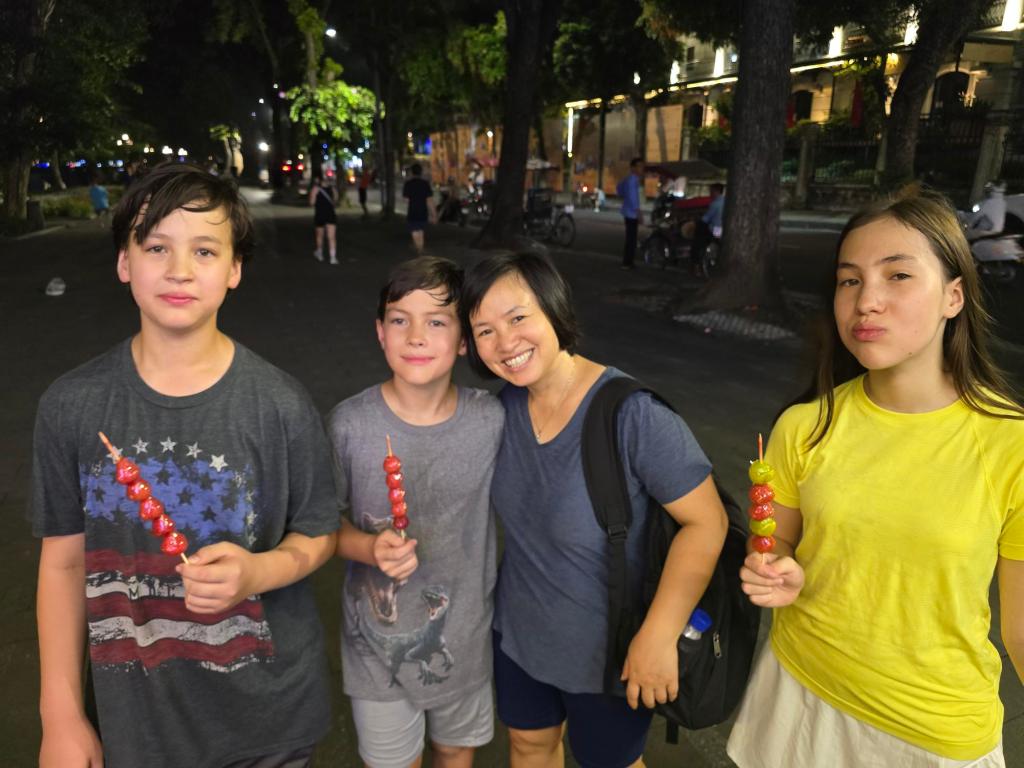
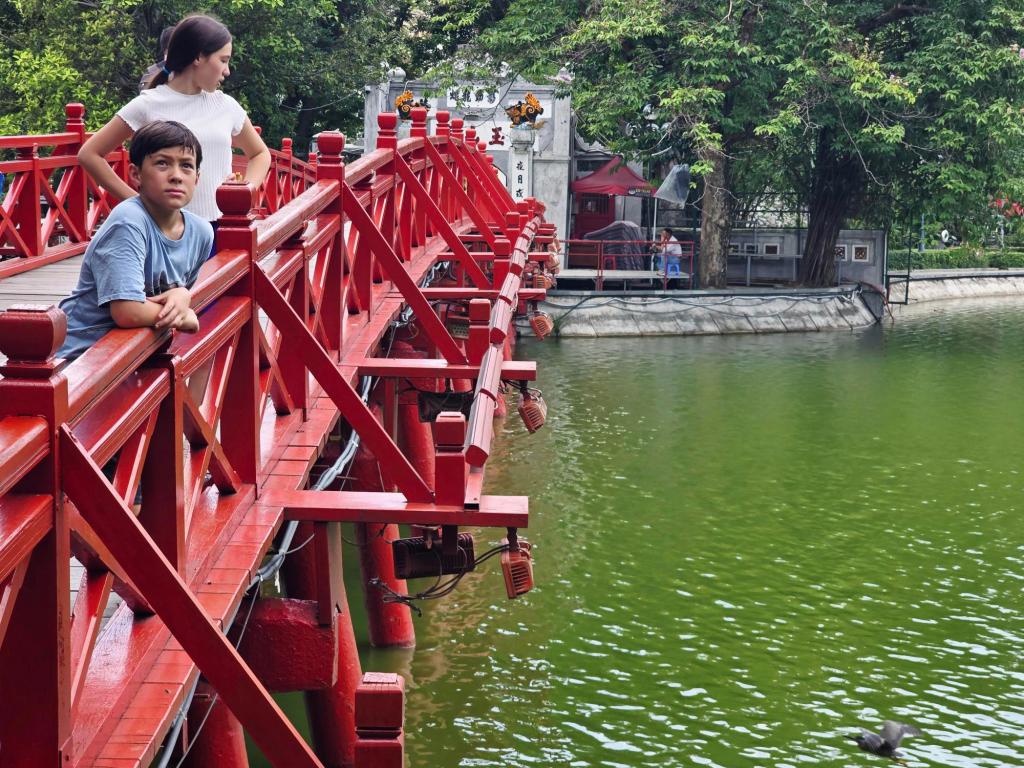
Near Hoàn Kiếm Lake, we found a stand selling tánghúlu—candied fruit on sticks—a favorite treat from our time in China and an instant hit with the kids. Hoàn Kiếm means “Returned Sword,” named after a legend in which an emperor returned a magical blade to a divine golden turtle. The lake once housed the largest soft-shell turtle species I’ve ever seen. Walking across the red bridge to Ngọc Sơn Temple, two preserved specimens are on display. Sadly, the last living turtle in the lake died about a decade ago.
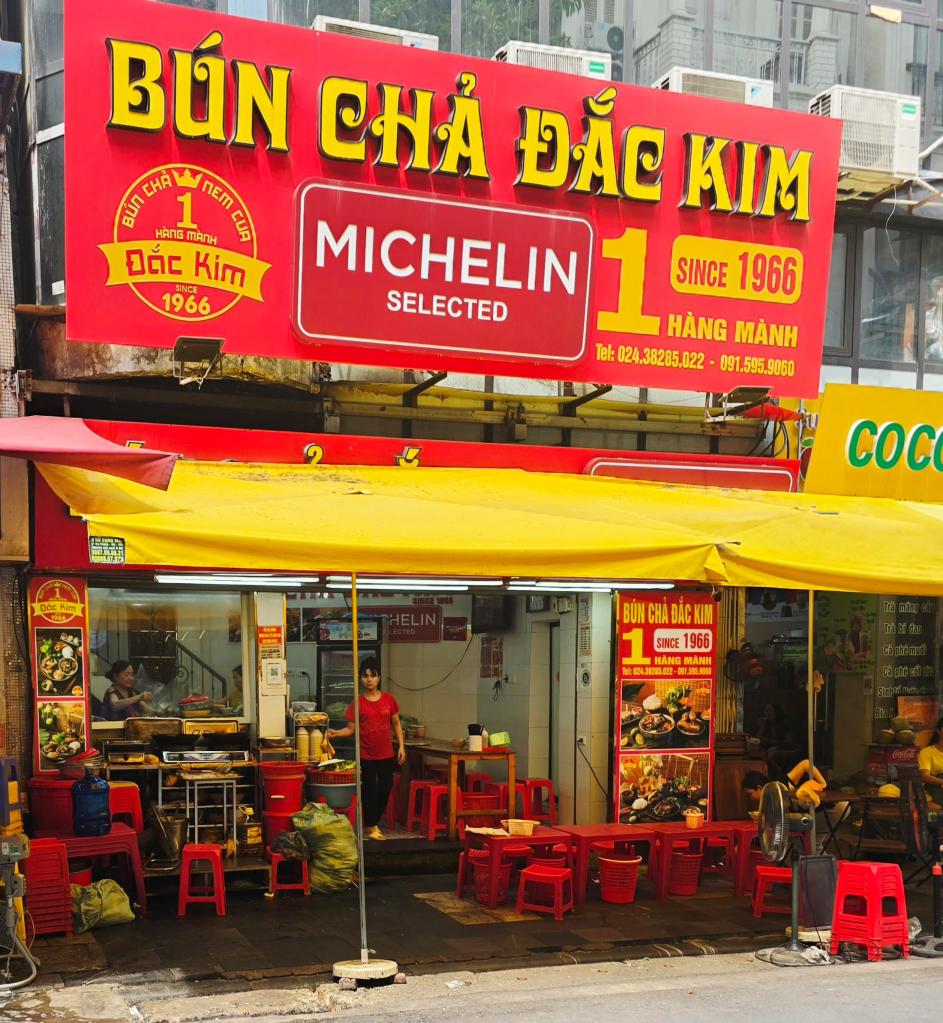
The next few days followed a similar rhythm: roaming, eating, wandering. I was always up early, watching the city come alive. I rediscovered Bún Chả Đắc Kim, a spot I remembered fondly from previous trips, and it delivered exactly as I hoped—grilled pork swimming in broth, piles of noodles, mountains of herbs, garlic, chilis, and crisp spring rolls on the side.
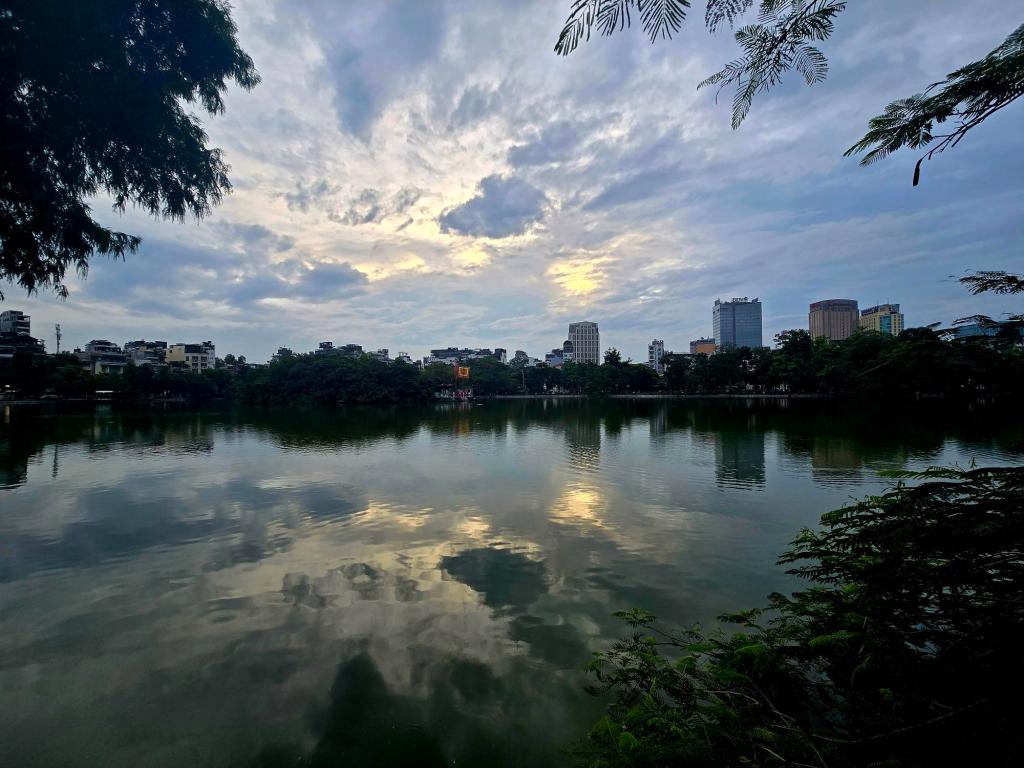
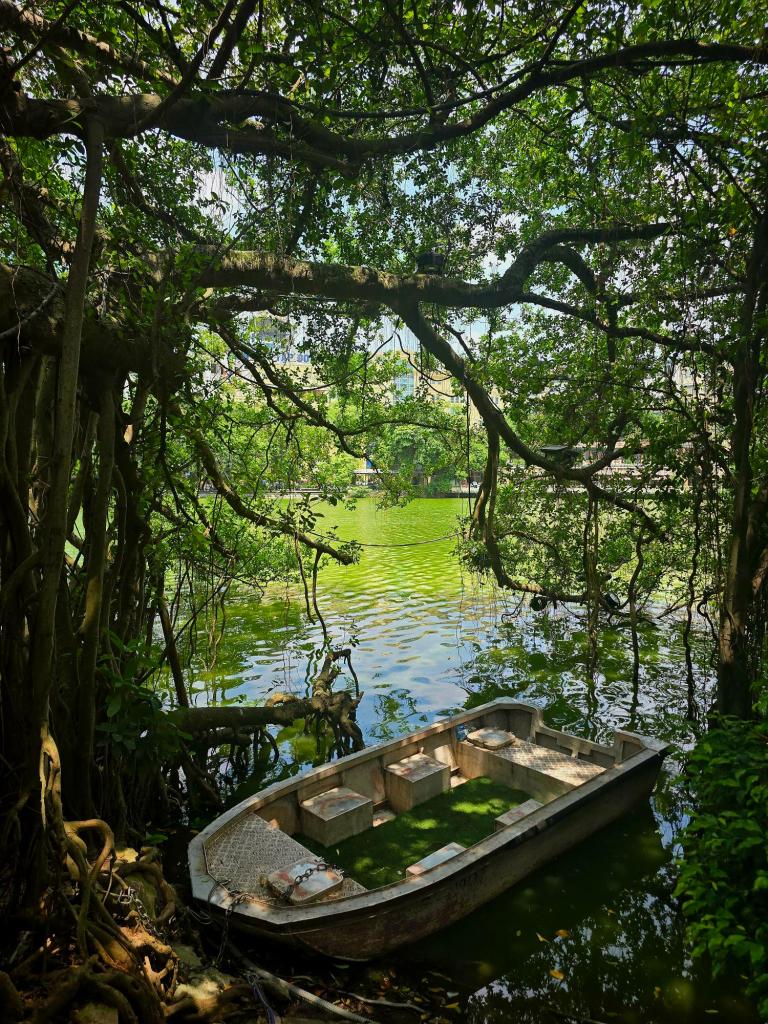
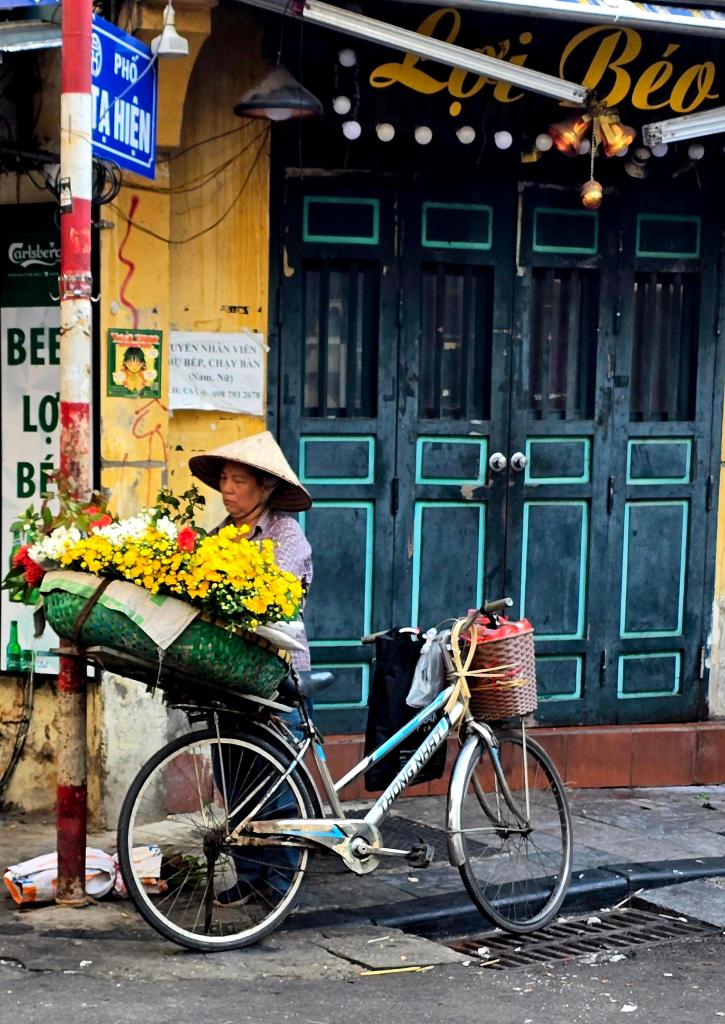
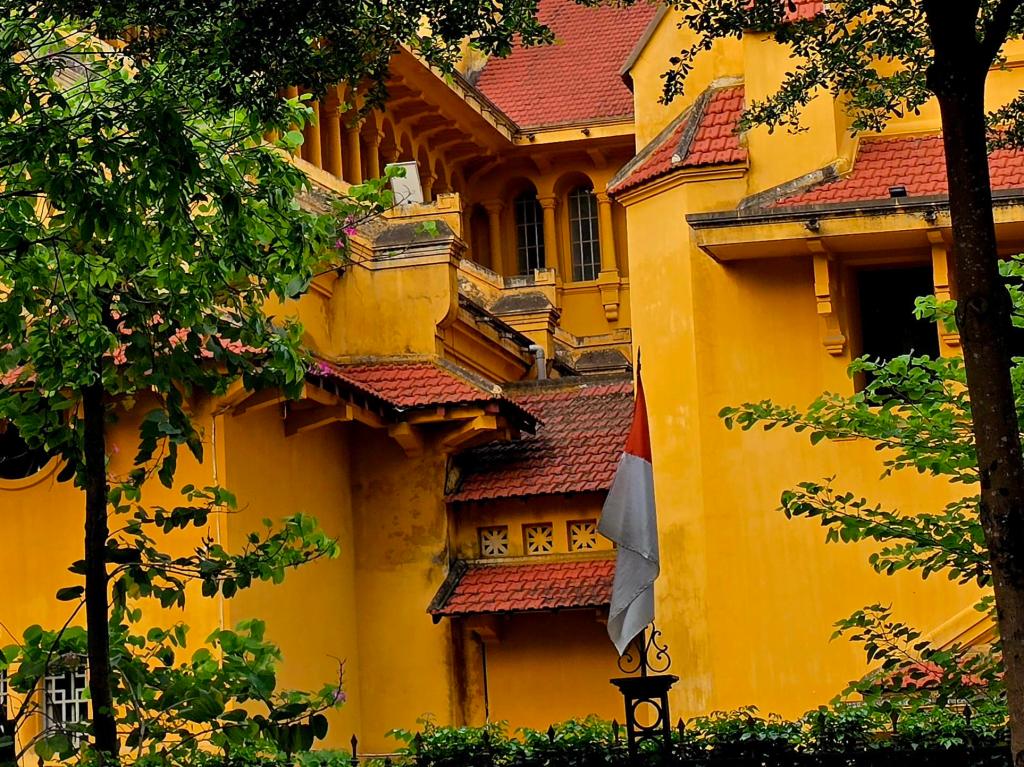
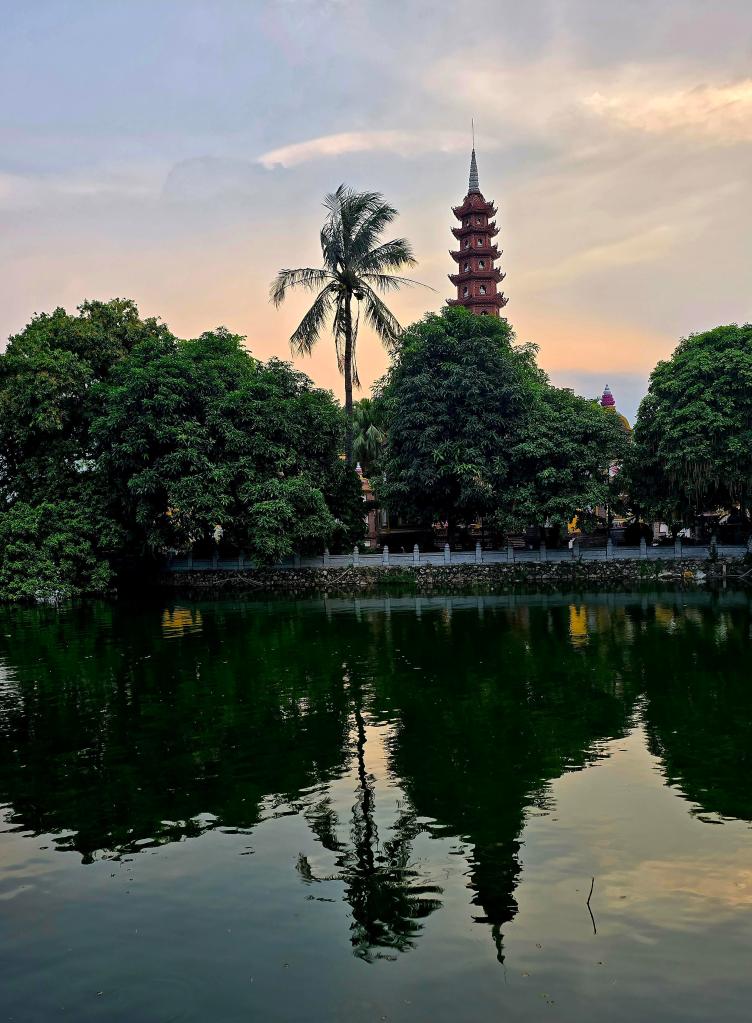
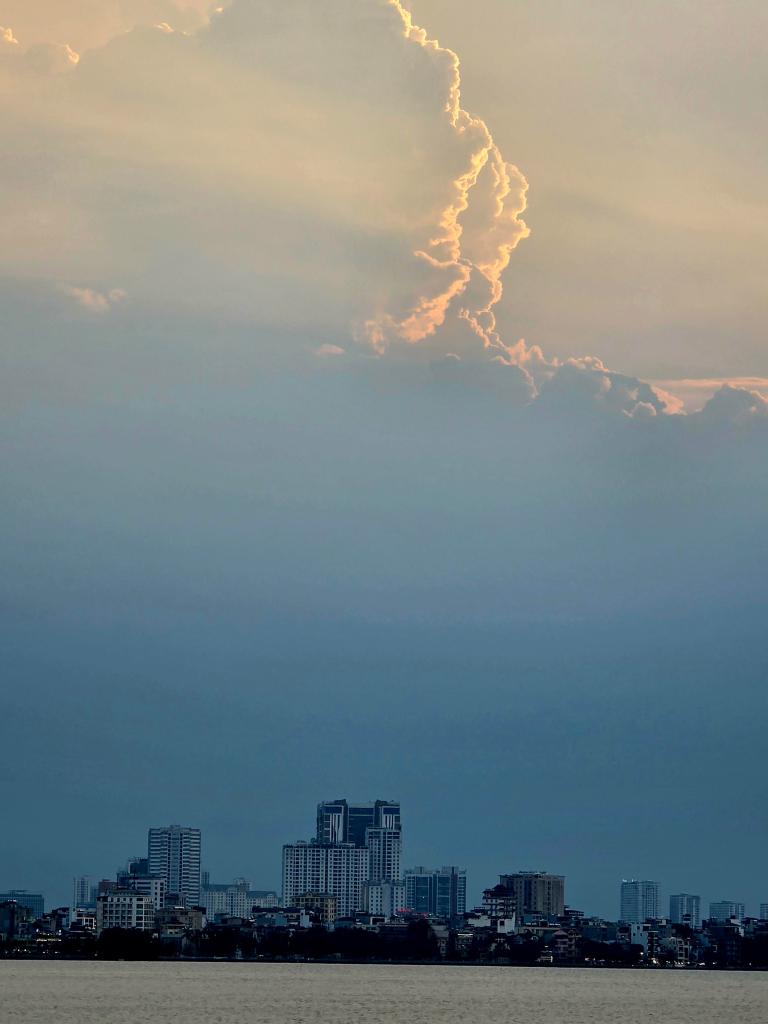
One afternoon we wandered out of the Old Quarter toward West Lake, following a road lined with massive old trees and passing remnants of city walls and towers. Only after walking a good distance did we realize just how big the lake really was. On the far side, we found a café with a rooftop terrace overlooking the water. As the sun dropped, a towering cumulonimbus cloud rose on the horizon—easily forty thousand feet high—its upper reaches flashing with lightning. We got our first real rain of the trip that night, though it didn’t last long. We walked close to ten miles through the city before ending up at a massive supermarket to stock up on snacks ahead of our beach escape.
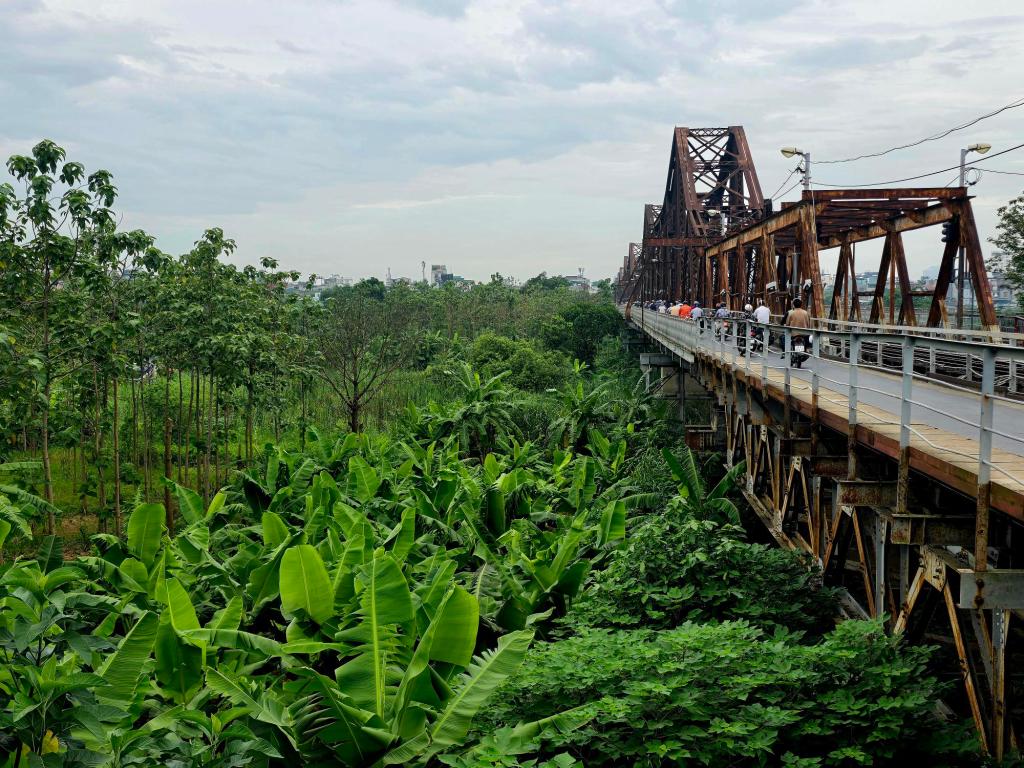
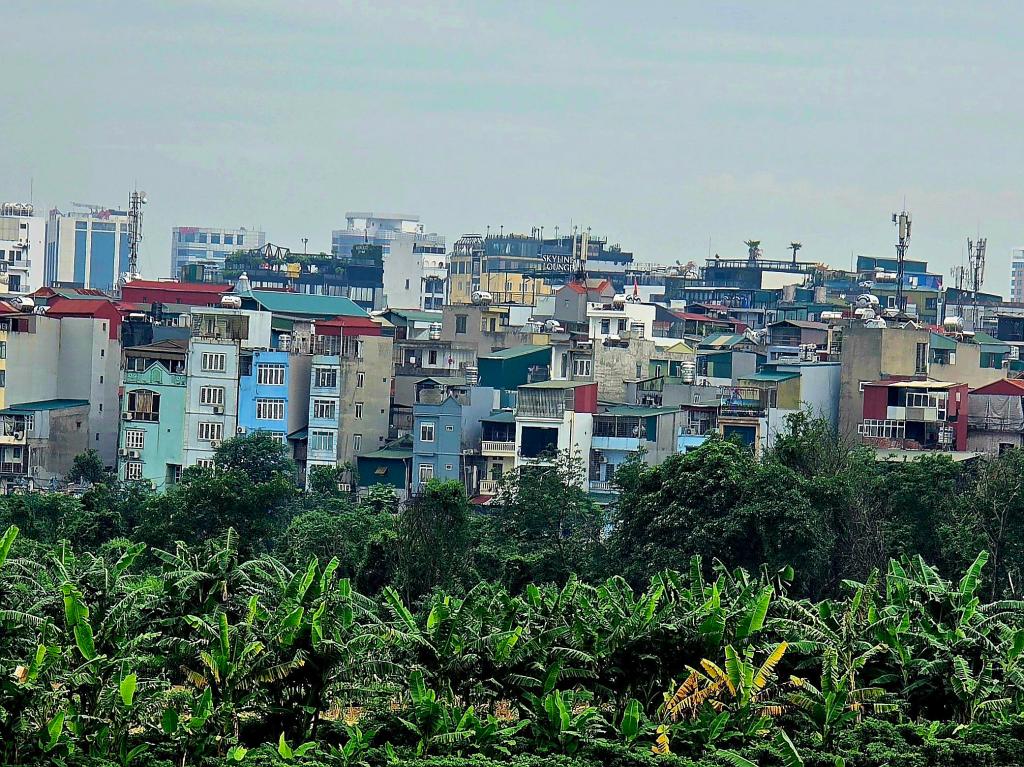
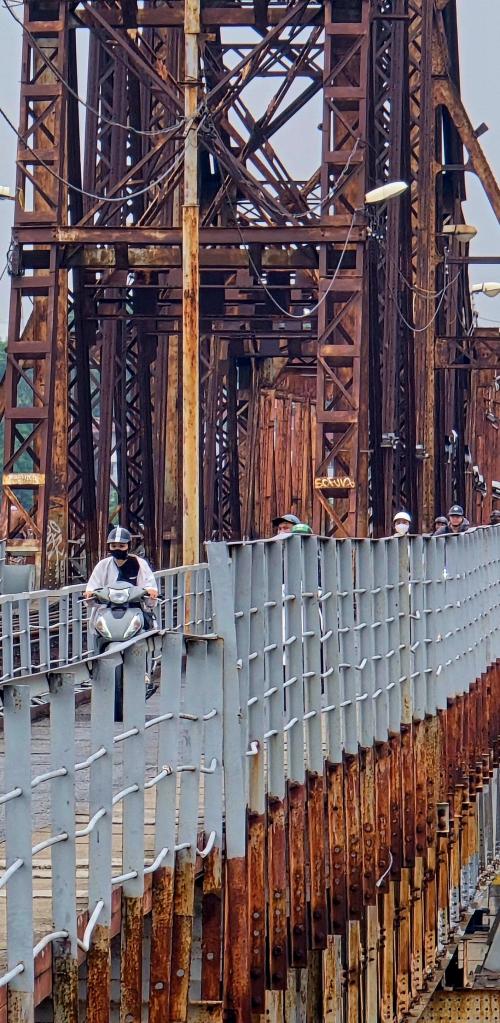
On our final morning, I was up before sunrise again, grabbing a strong iced coffee from a street cart before heading toward Long Biên Bridge. Built over 120 years ago, the steel cantilever bridge still carries trains while an endless stream of scooters and motorbikes buzz along its sides. Walking it was equal parts exhilarating and unnerving, scooters tearing past at speed as the structure rattled and hummed. Trains still occasionally thunder through the center, adding one last layer of spectacle.
On the walk back, I ducked into a café known for its egg coffee—whipped egg whites, sugar, cinnamon—a crème brûlée in liquid form. Not long after, our van arrived to carry us south toward Cát Bà Island. After a ferry crossing and a long, winding drive, we were dropped at our next hotel, ready for the next chapter.
Hanoi had done exactly what I hoped it would do: welcome the kids into Southeast Asia loud, warm, chaotic, and unforgettable.
 Wise Clan in Stanland
Leave a comment