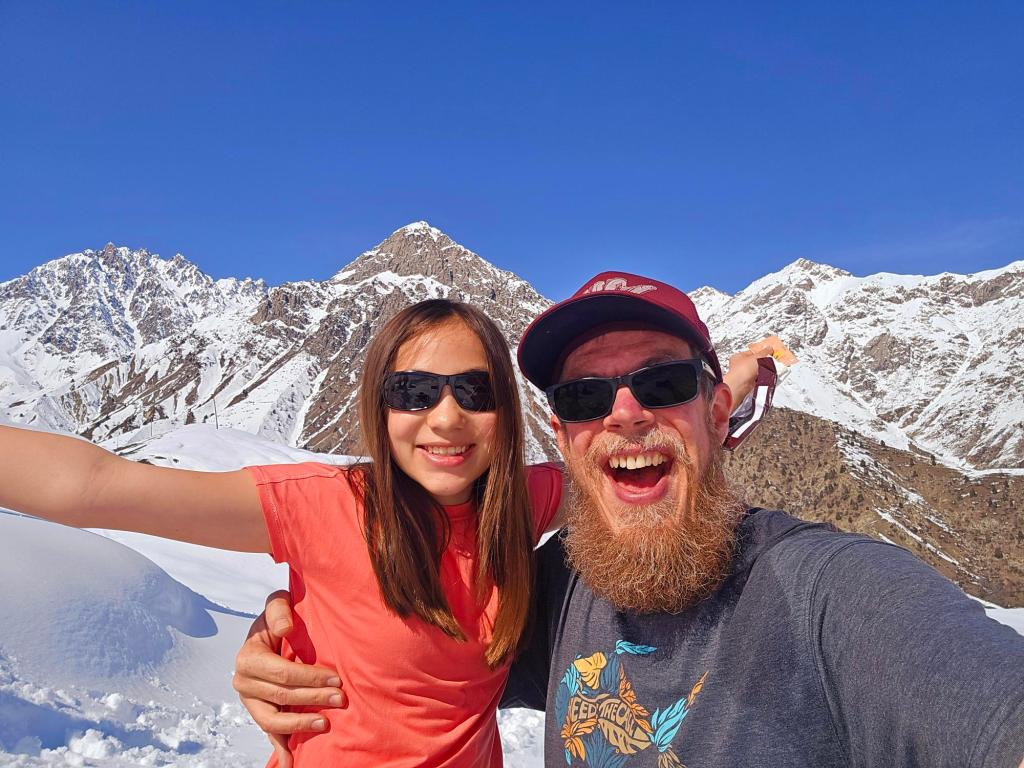
For several months of the year, the ammonites and fossilized sea shells scattered high above Khoja Obi Garm disappear beneath two to three feet of snow. Places that usually invite slow wandering and careful searching turn quiet and unreachable, sealed away for winter.
Late last February, my daughter and I woke early to one of those rare winter mornings when the city was clear and the snow-capped mountains—so often hidden behind a veil of smog—were fully on display. Blue skies, sharp light, and peaks that looked close enough to touch. We didn’t need much convincing.
We grabbed our hiking poles, snacks, water bottles, and gaiters and headed for the mountains. It felt like one of those days that had already decided how good it was going to be.
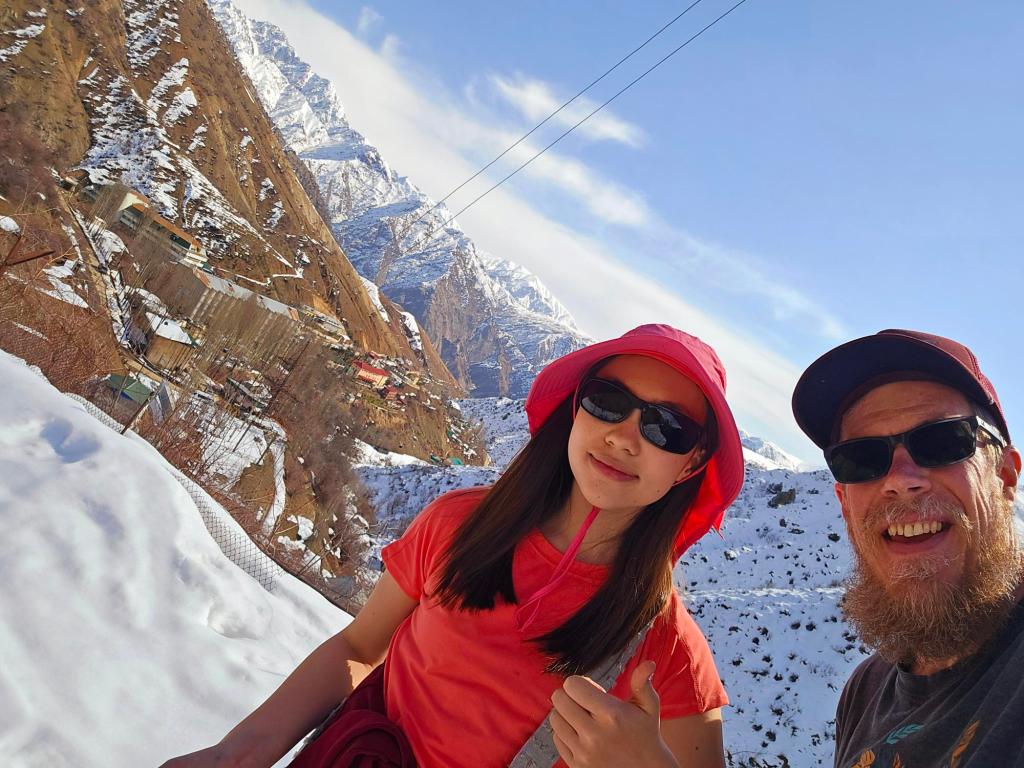
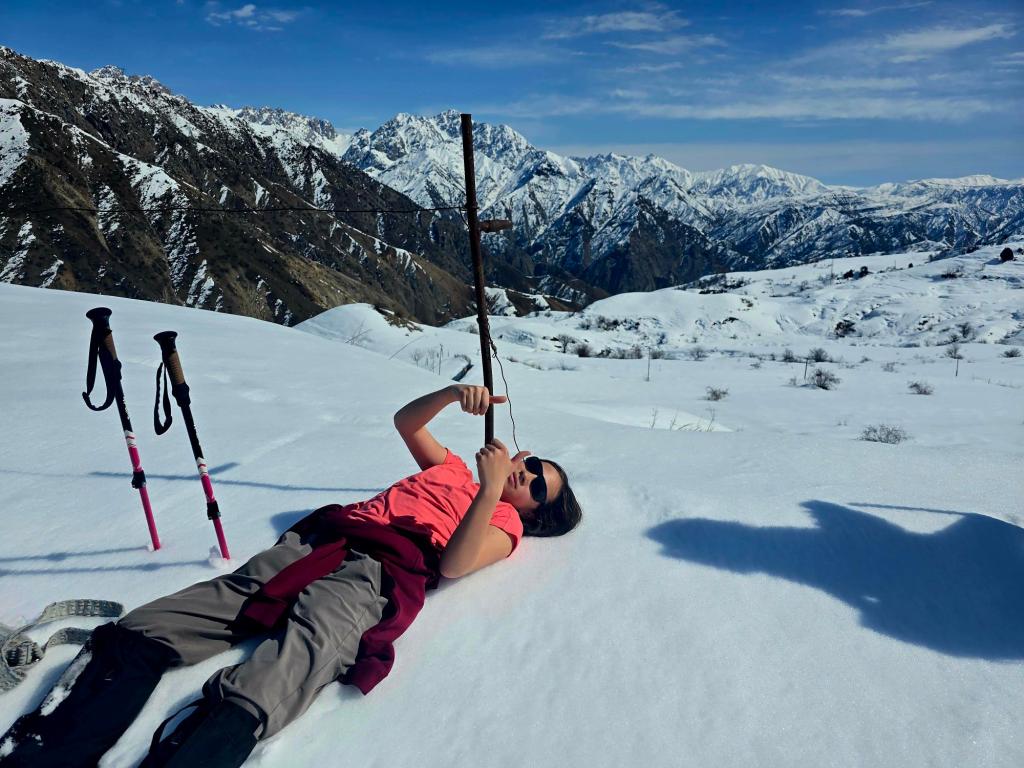
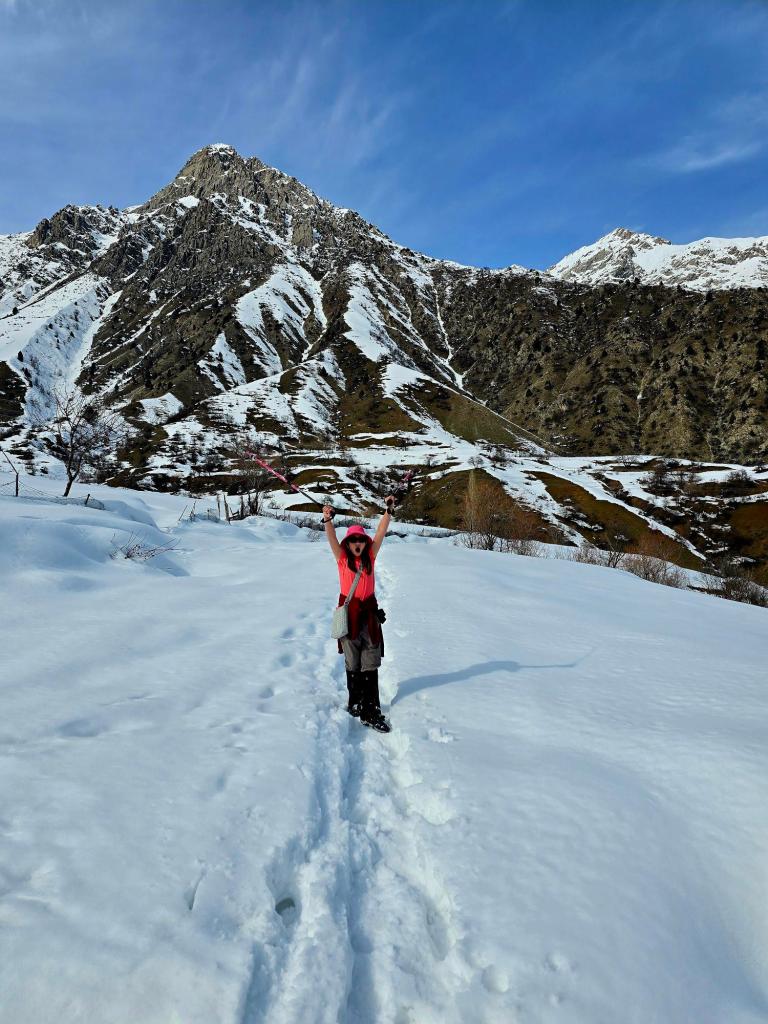
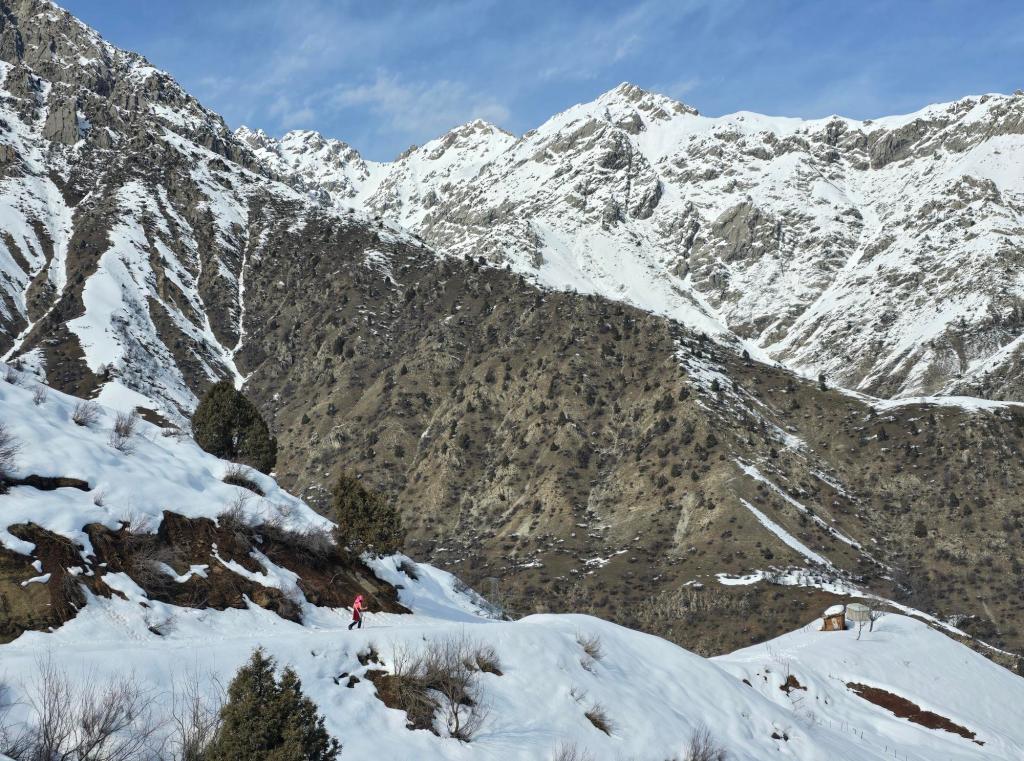
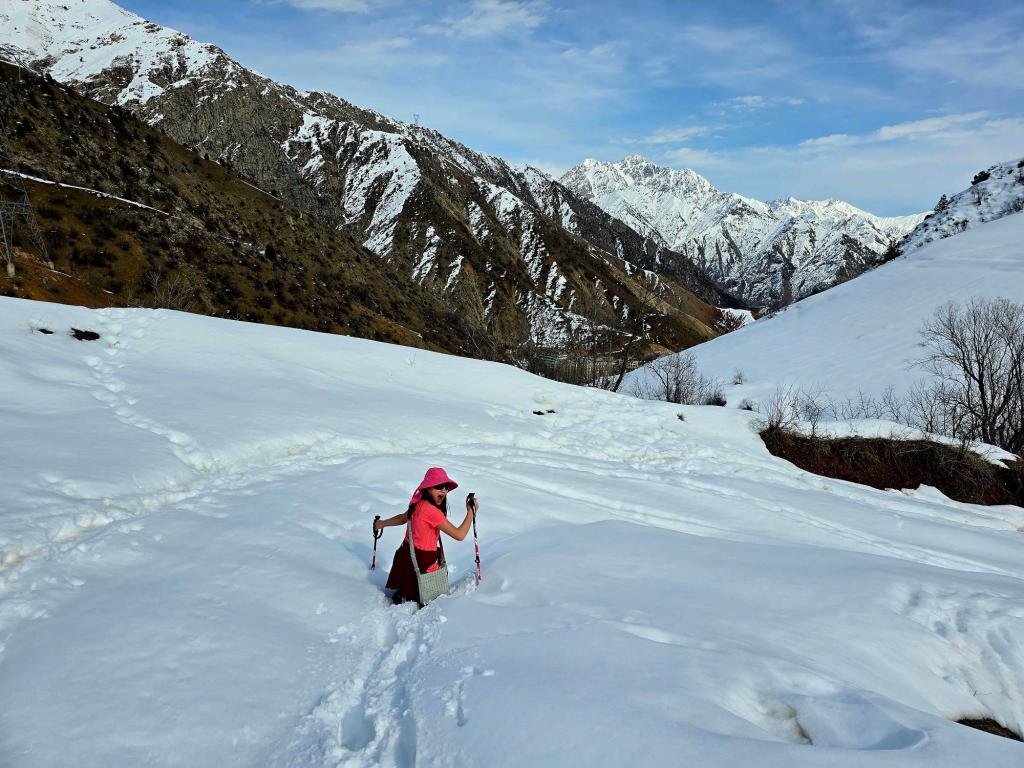
About an hour later, we pulled off just past the main entrance to the sanatorium. Snow was already thick at this elevation, so we geared up immediately and started up the familiar road that usually leads us to our fossil hunting spots. Not today, though. The snow ranged from calf-deep to thigh-deep, swallowing the landscape and setting the rules for the day.
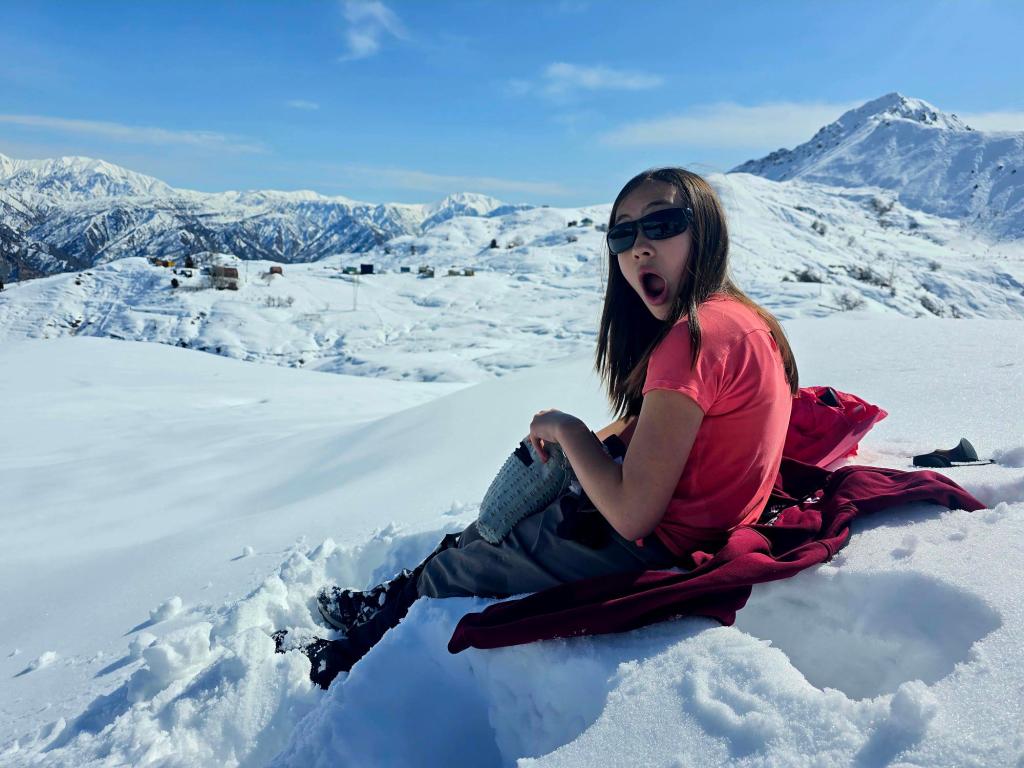
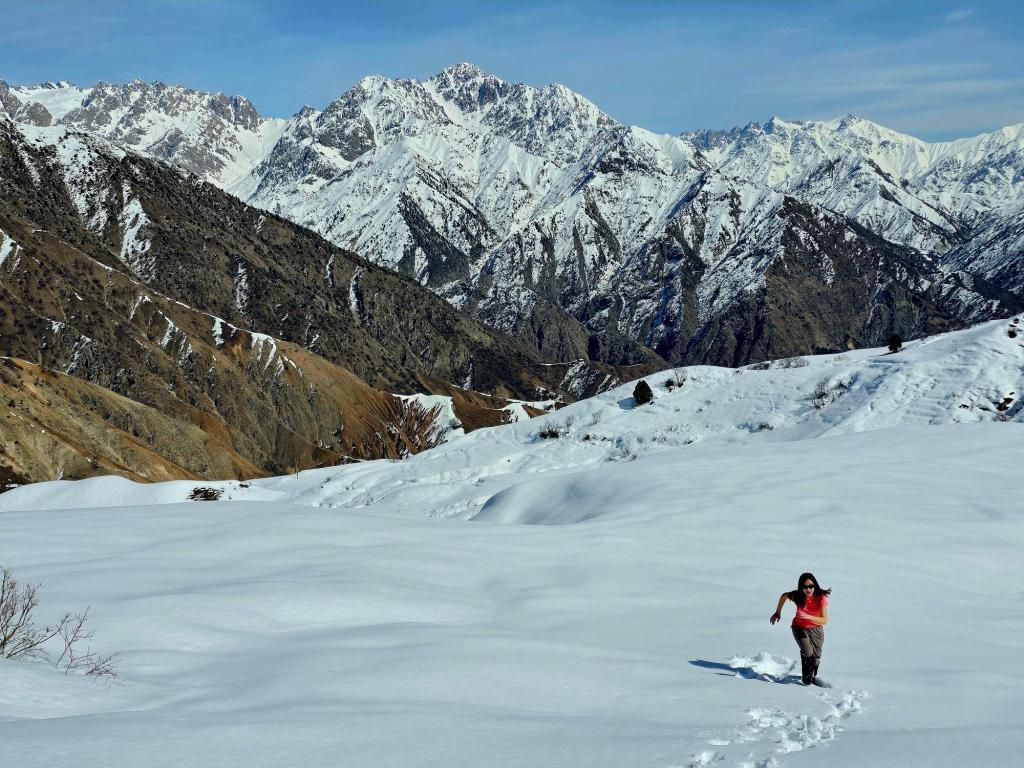
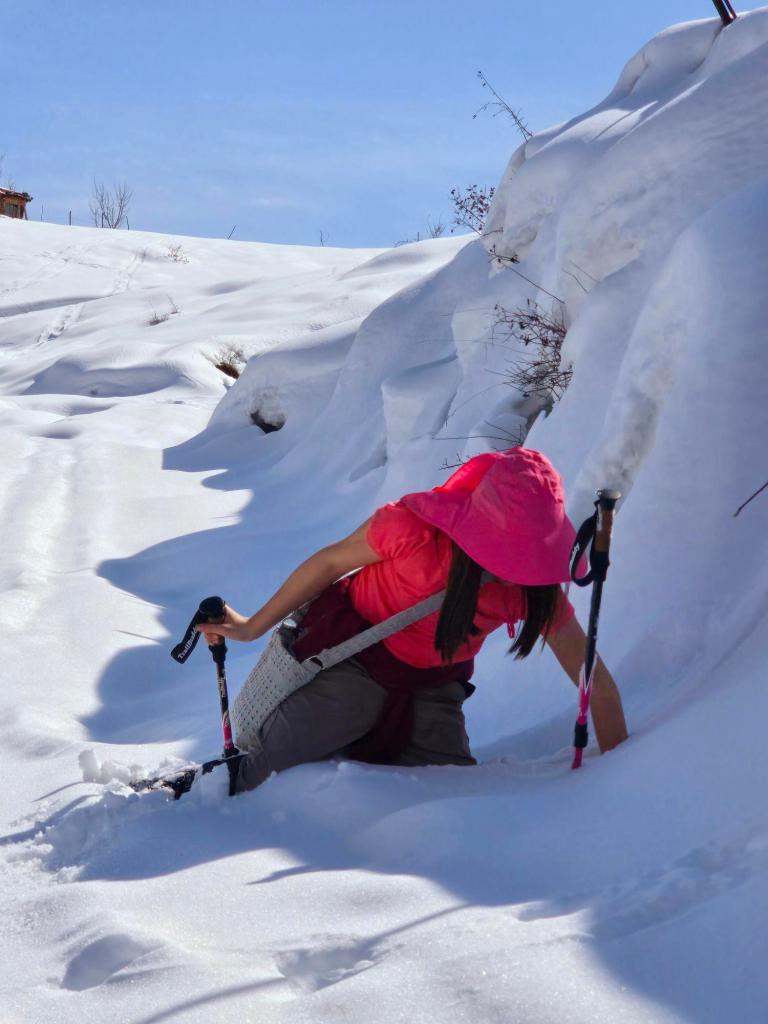
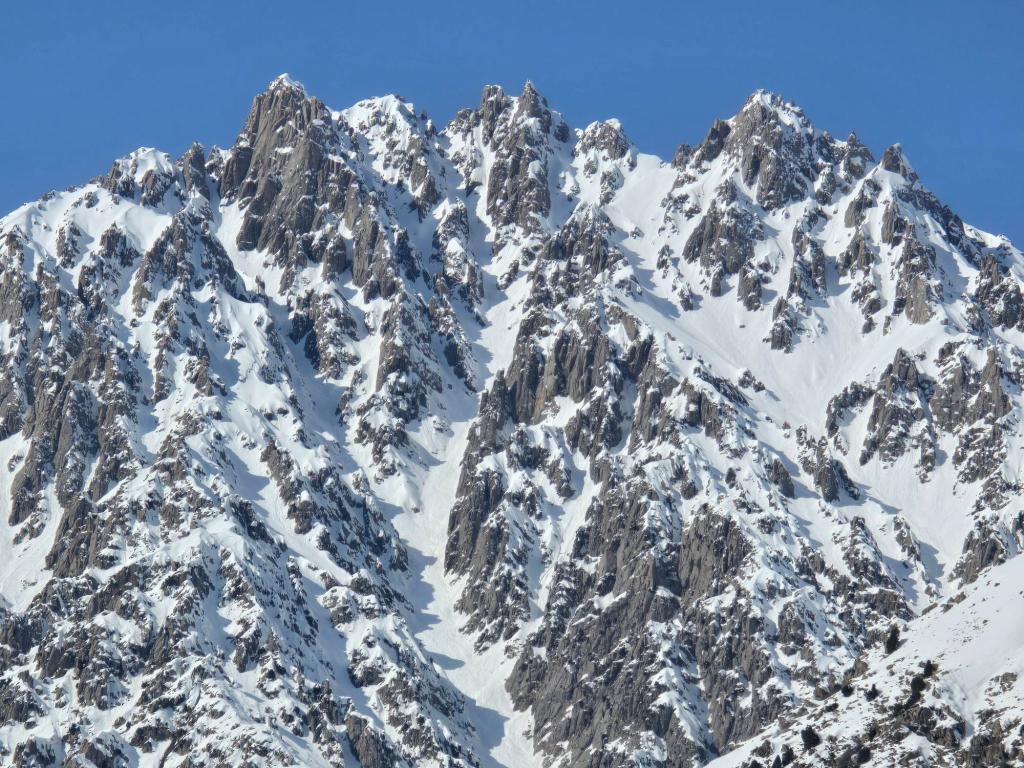
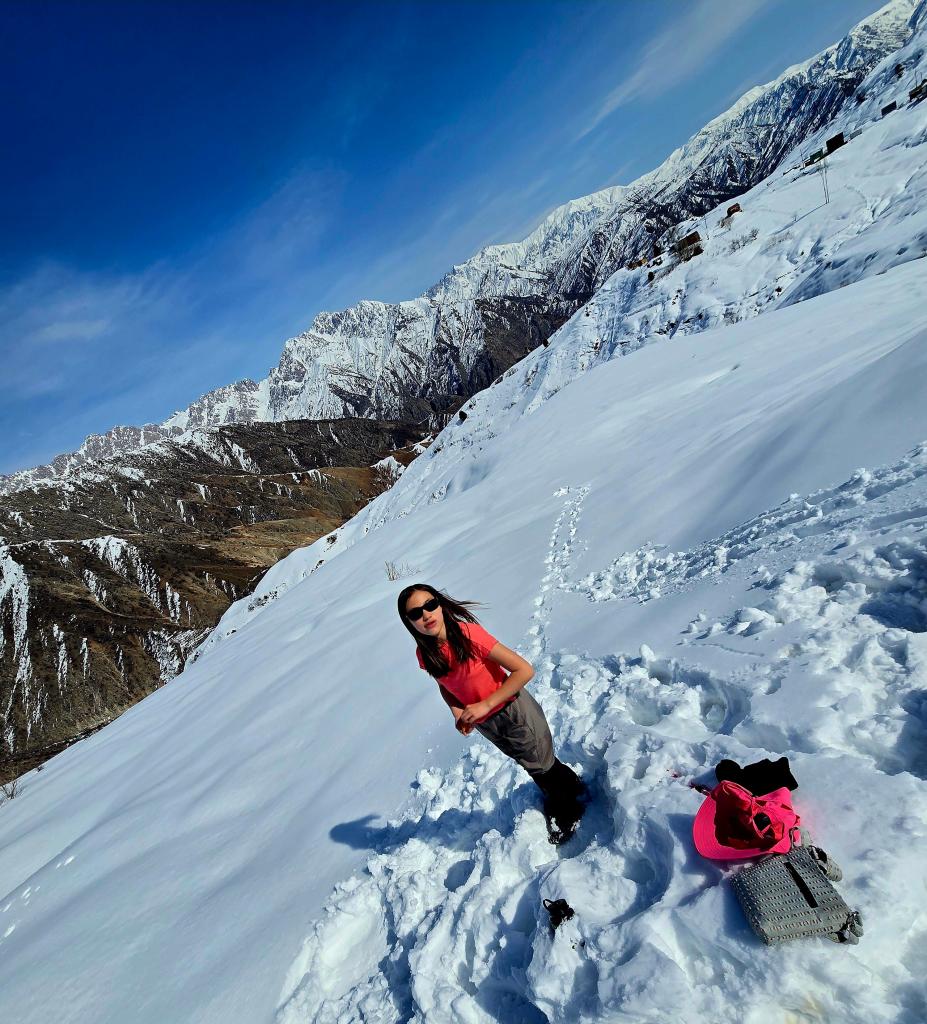
Between the steady elevation gain and a generous dose of winter sunshine, we heated up fast. Before long, we were both down to T-shirts, laughing at how ridiculous we must have looked—short sleeves, snowdrifts, and mountains locked in winter all around us.
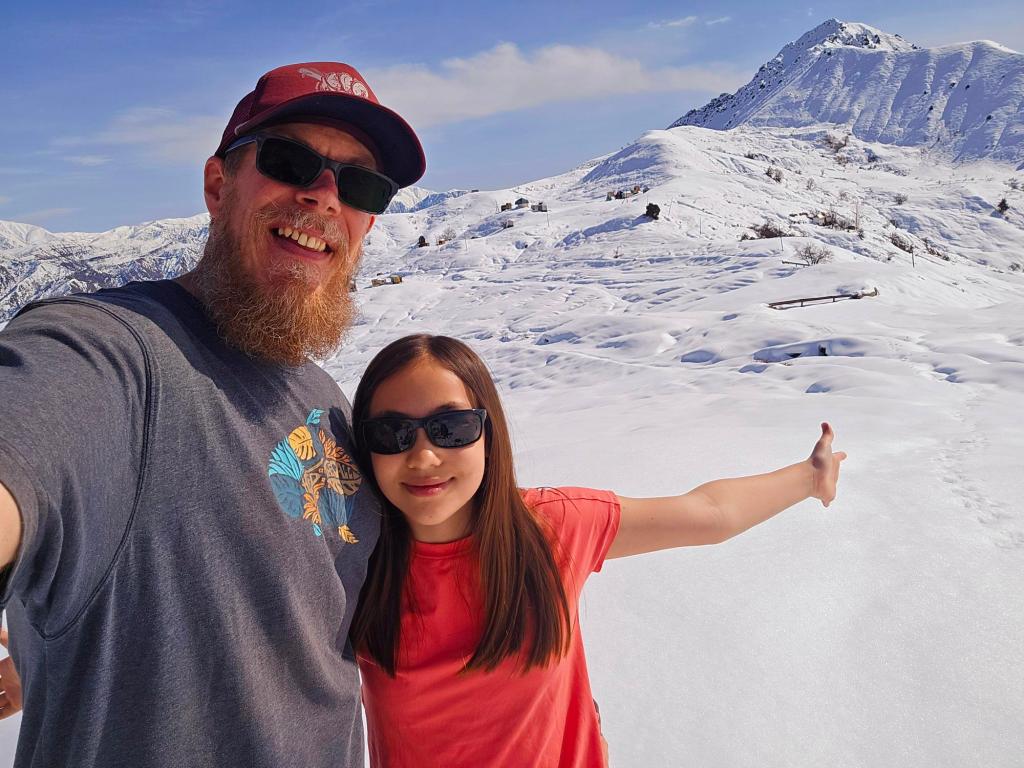
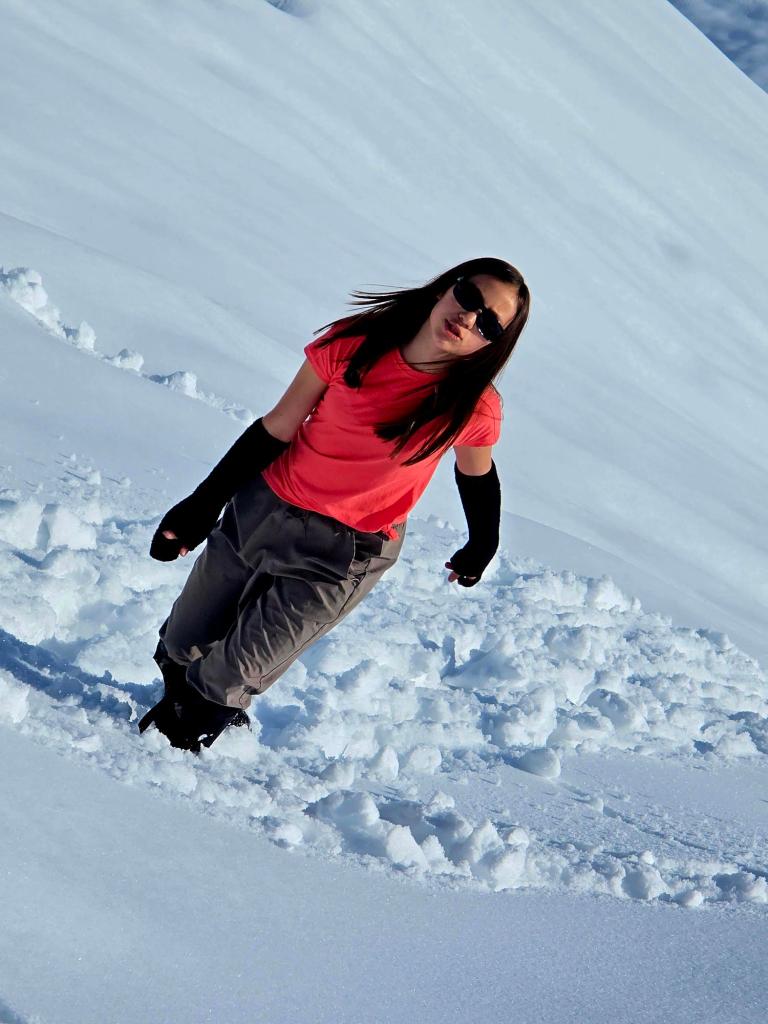
I love our family outings in every form they take, but the one-on-one days always settle a little deeper into memory. This father-and-daughter hike was filled with laughter, silliness, collapsing into snowbanks, and long quiet moments soaking in deep-winter mountain scenery.
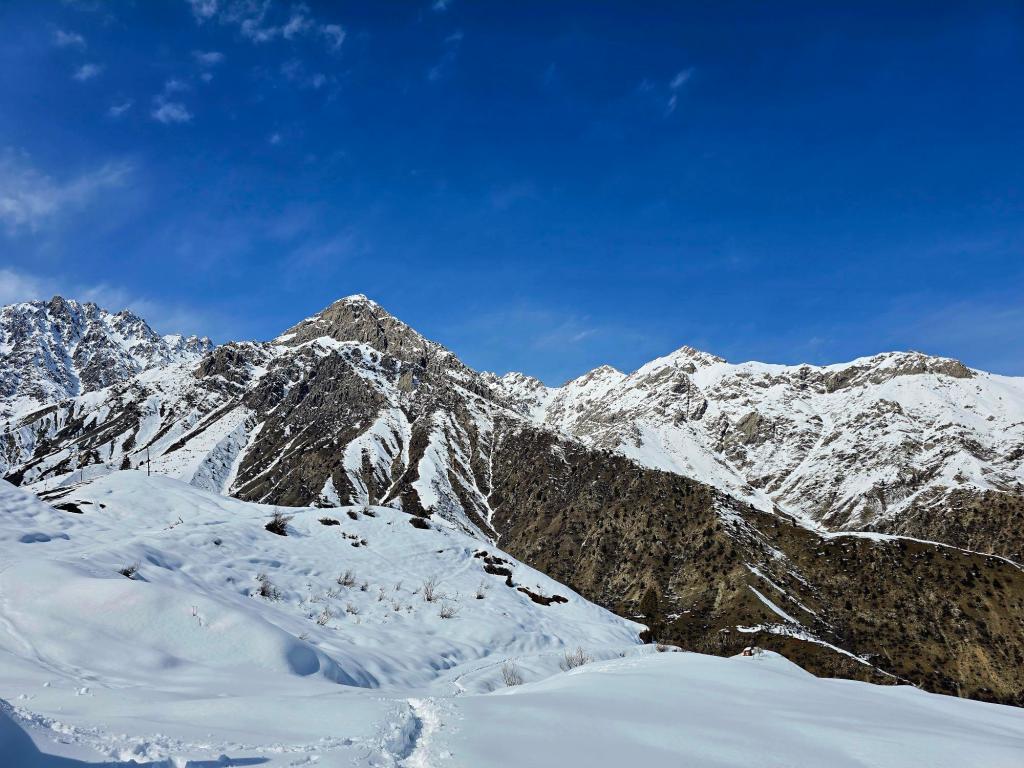
As the snow continued to deepen, we eventually chose a high point to stop for lunch and a long rest. We called it there and spent the next ninety minutes simply sitting, talking, and taking in the sweeping views of the Gissar Range.
 Wise Clan in Stanland
Leave a comment