🥾 Trail Stats
- 📍 Location: Gusgarf Village, Varzob Valley, Tajikistan
- 🧭 Route Type: Out & Back
- 📏 Distance: ~4.5 miles (7.2 km)
- ⛰ Elevation Gain: ~2,000 ft (610 m)
- ⏱ Time: 3–4 hours (with stops)
- 🔥 Difficulty: Medium (Hard with snow or spring mud)
- 📅 Date First Hiked: November 2024
The first time we hiked up to Gusgarf Waterfall was in late November 2024. The whole family joined us on this one, along with several friends from Hike Tajikistan—one of our favorite hiking groups in town. We piled into a van and an SUV and headed north into the Varzob, continuing what had already become a familiar rhythm of weekend mountain escapes.
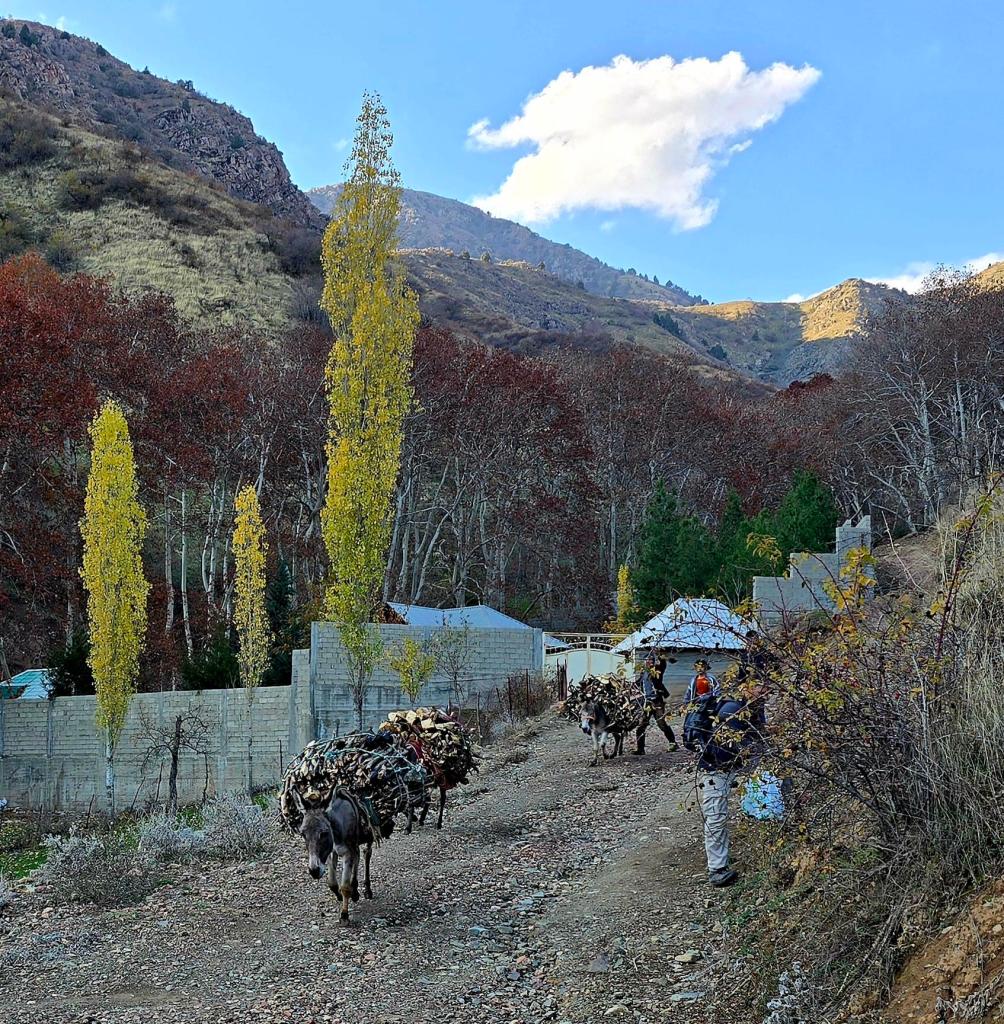
This hike is popular for good reason. It’s close to the city and doesn’t require much planning. From Dushanbe, it’s only about 20 kilometers before turning left off the main road into Gusgarf village. You roll through the village toward the mountains, passing homes and gardens, until eventually reaching the last cluster of houses where the road ends and the hike begins.
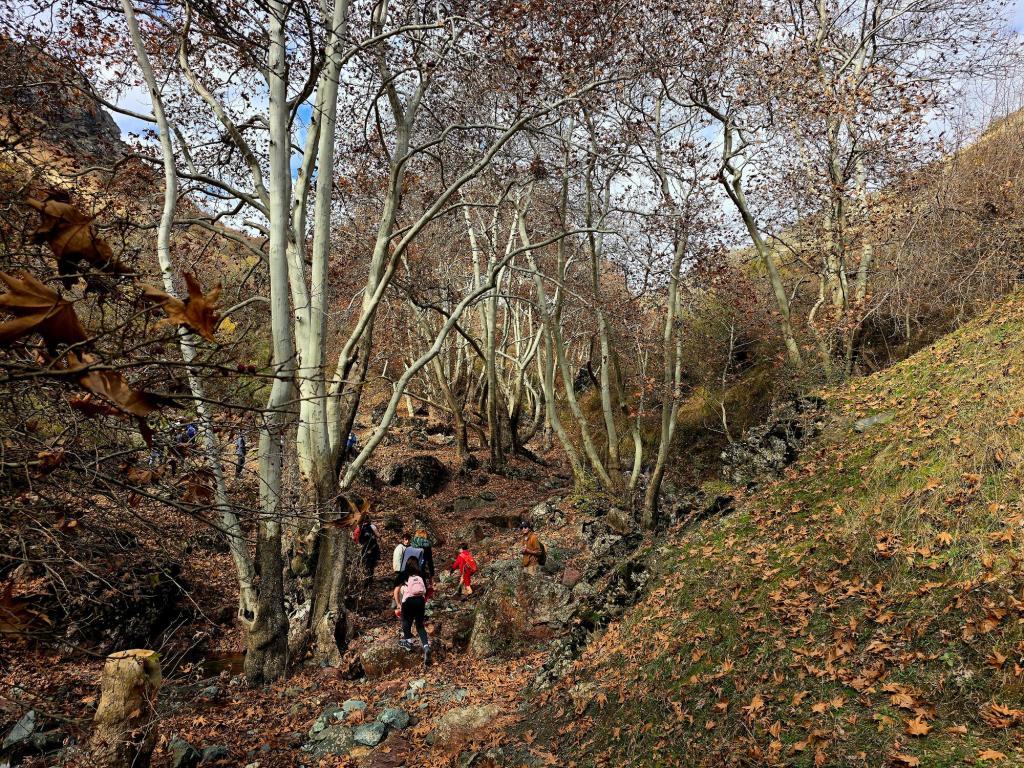
The first mile eases you in gently. The trail winds past the final spread-out homes of the village before settling into a pleasant stretch alongside a forest stream. Old, shady trees line the water—always a welcome feature in a place where many hikes offer little protection from the sun. It’s an easy, social section, perfect for warming up and settling into the day.
And then, almost without warning, the character of the hike changes.
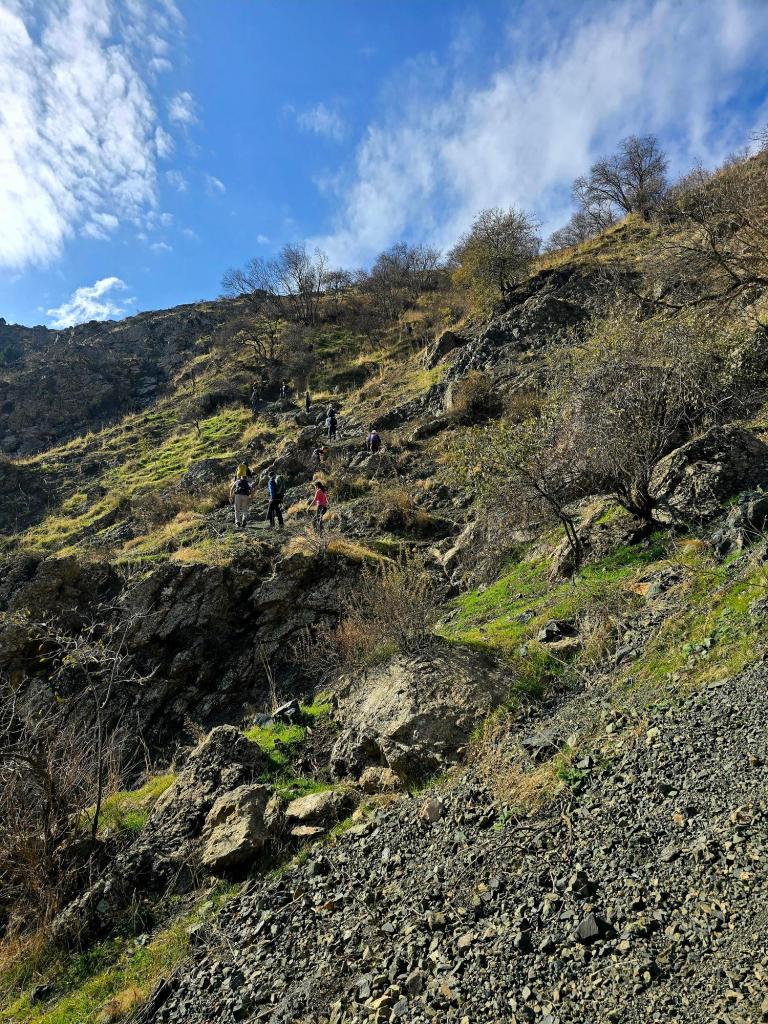
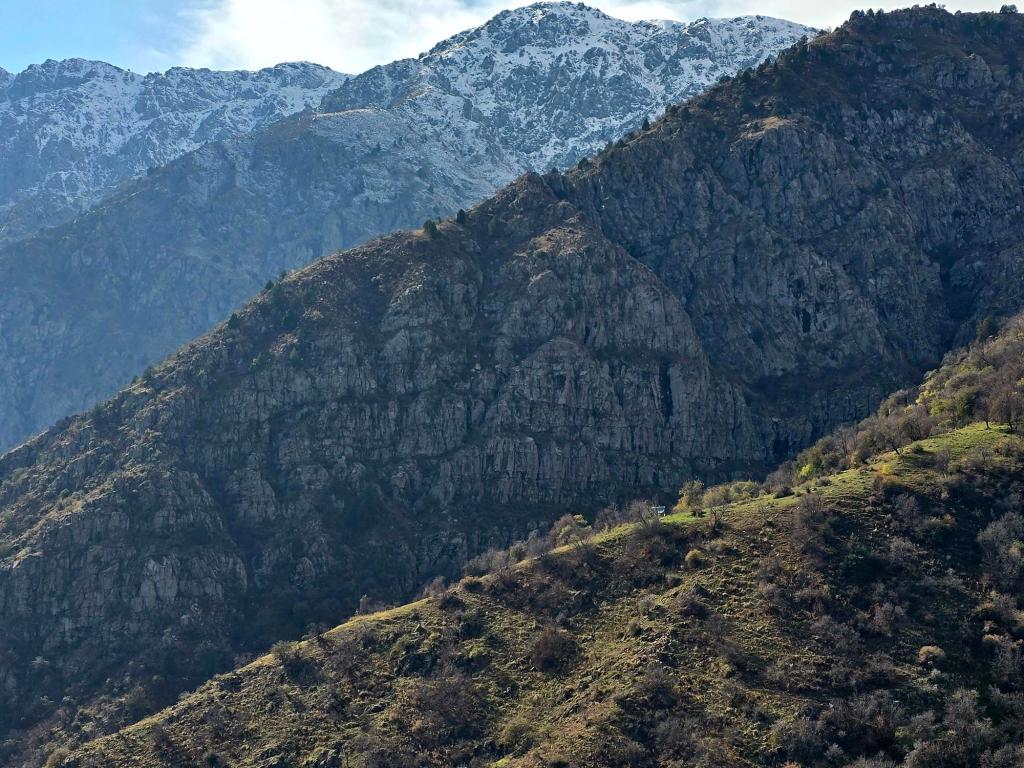
The mellow climb abruptly ends and the trail pitches steeply upward toward Pioneersky Pass. It’s short but relentless—a proper leg-burner that quickly stacks elevation. The kids surged ahead, full of energy, chatting nonstop with whoever happened to be near them. By this point, after weeks of consistent weekend hikes, most of the faces around us were familiar.
I lagged back with my wife, who was still strengthening her mountain legs, content to move at a steadier pace while the rest of the group stretched out above us.
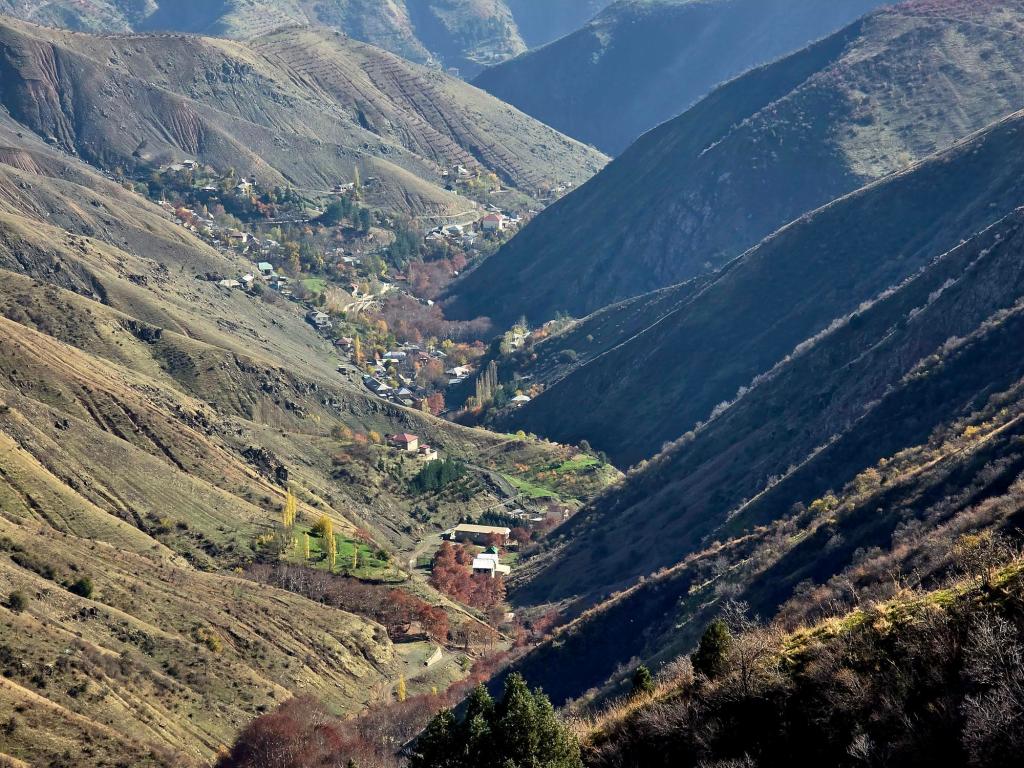
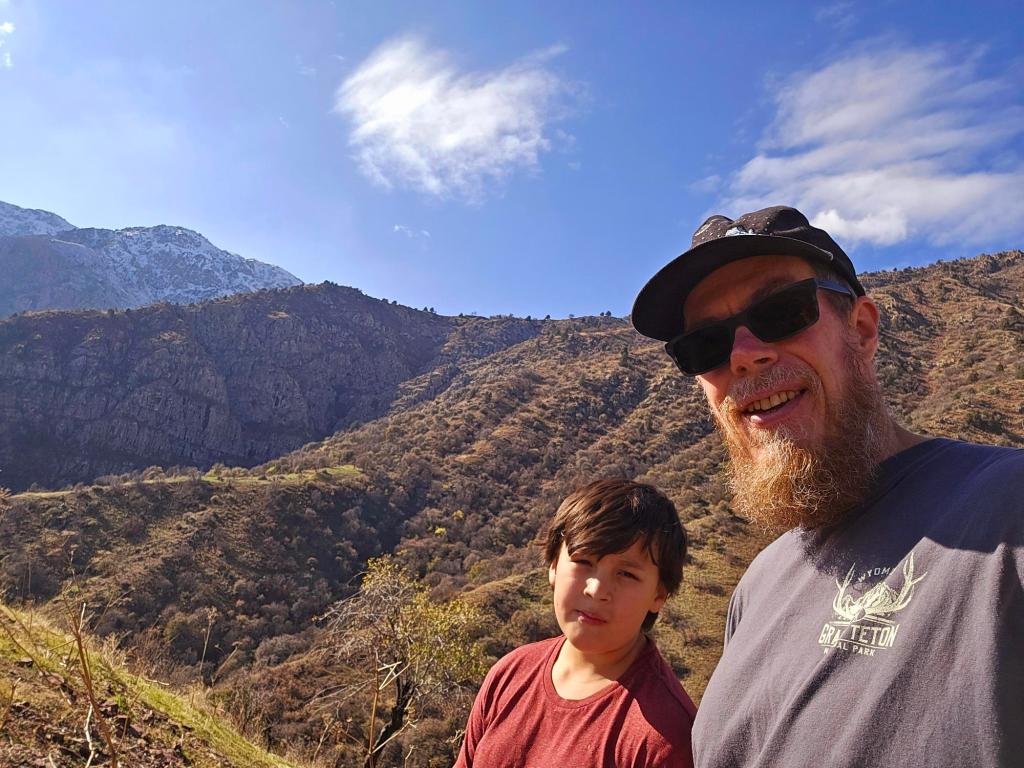
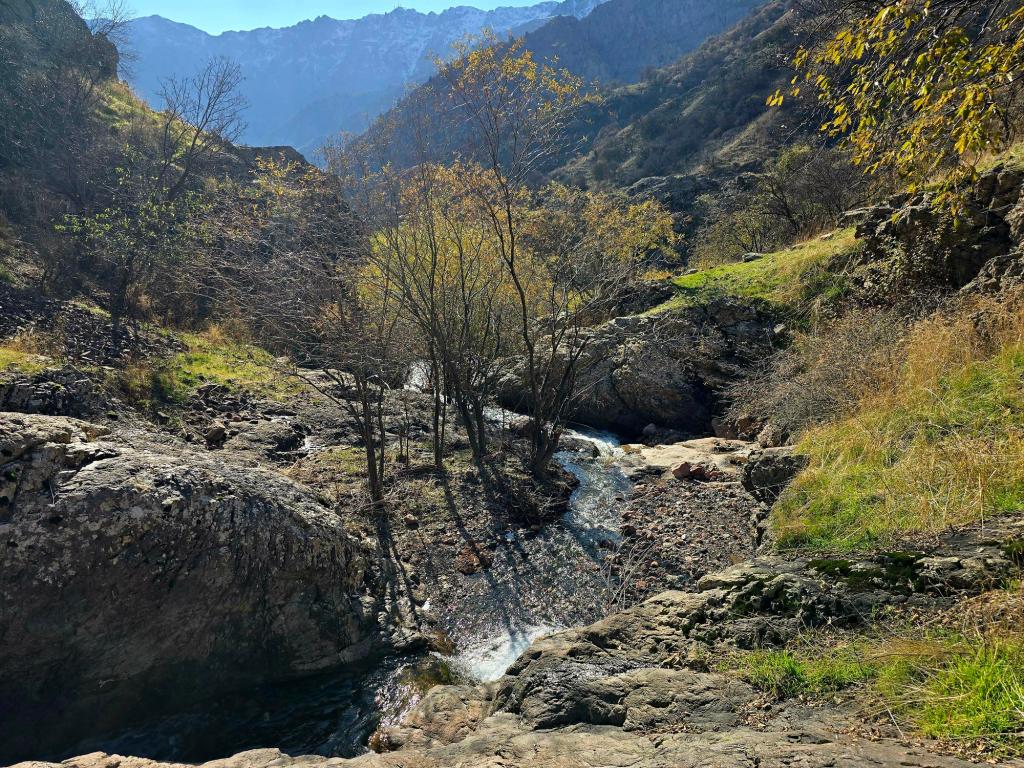
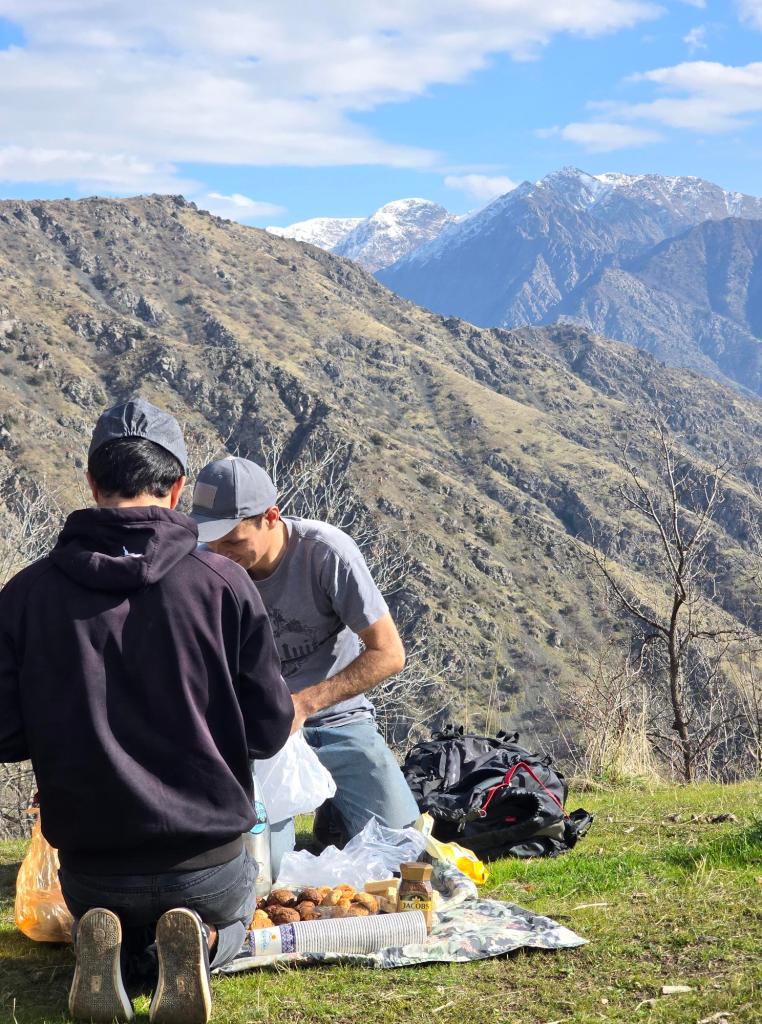
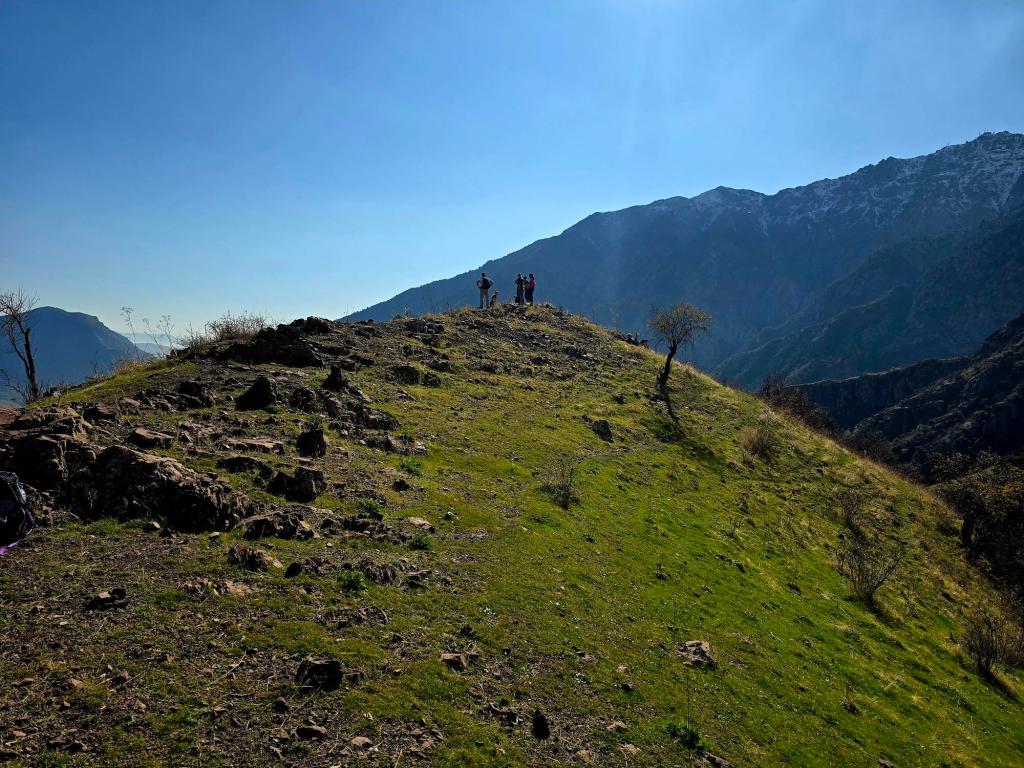
As the trail crests the pass, it opens onto a long, grassy flat with a raised rocky outcrop perched right at the edge. From there, you can look straight back down into the valley and the village far below. It’s about as perfect a picnic spot as you could ask for. Out came the tablecloth, food was spread out, and lunch turned into an unhurried pause—tea poured, snacks shared, and views enjoyed.
On the far side of the pass, a descending trail leads toward the waterfall. After following it downhill for roughly half a mile, you need to watch carefully for a small, easy-to-miss side trail cutting off to the left. The first time we were here, we walked right past it. About five to ten minutes later, we spotted the waterfall off to our left and realized we were climbing up and away from it instead of descending. A quick turnaround brought us back to the faint side trail.
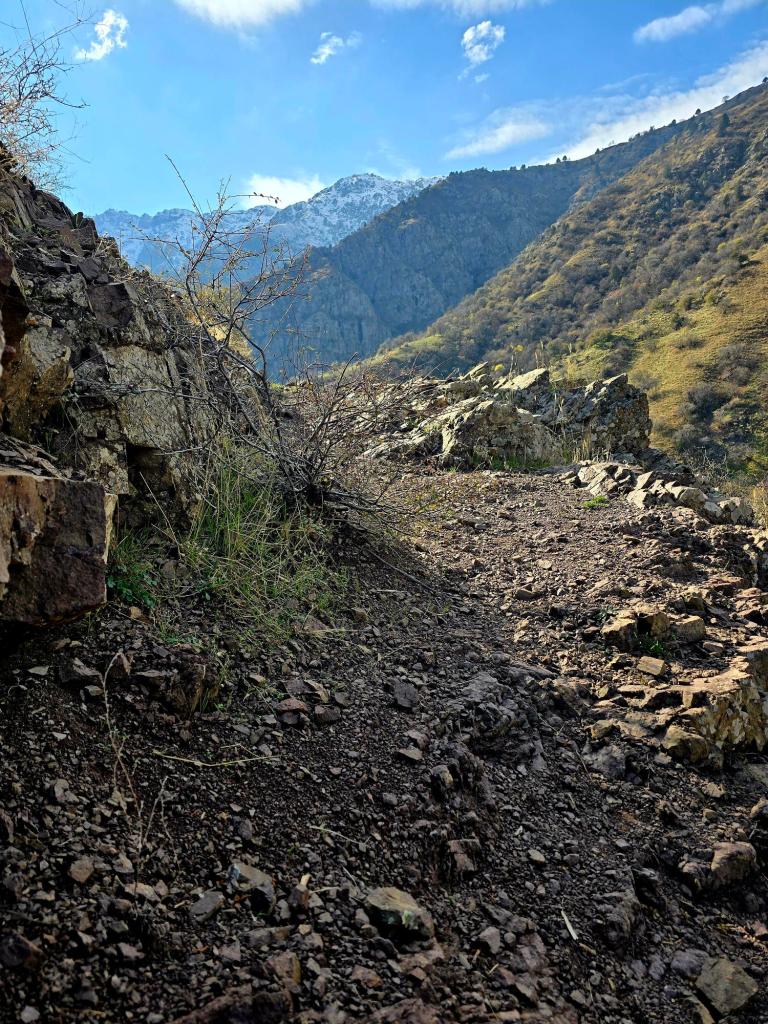
At first glance, the drop into the gorge looks intimidating, but it’s more manageable than it appears—just careful footing and patience required.
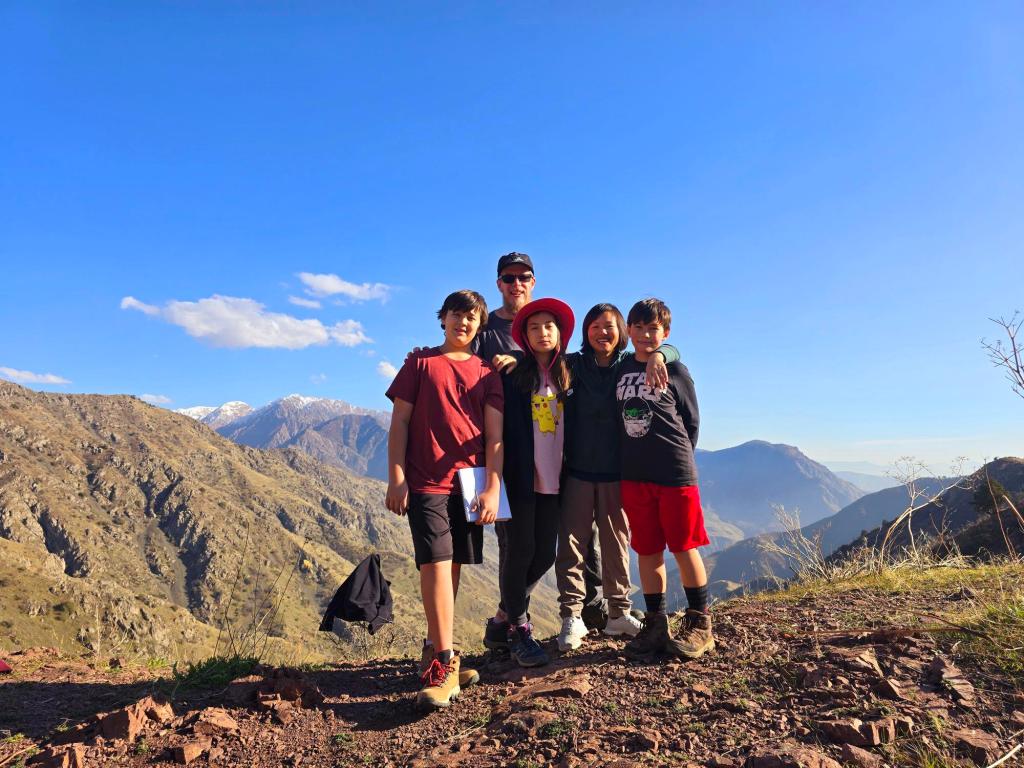
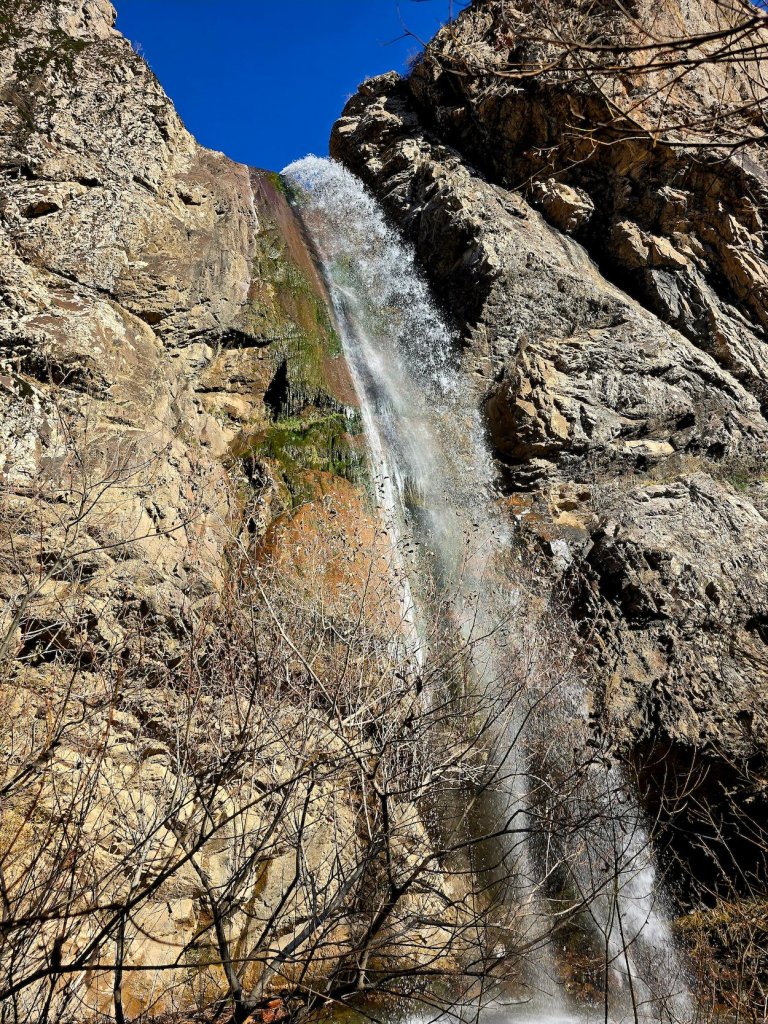
Once we made our way down into the gorge, the waterfall came fully into view. It spills from a rocky outcrop roughly 35 meters overhead, crashing into a clear pool below. The water is icy cold year-round—refreshing on a summer hike and downright invigorating during the colder months.
The volume of water varies dramatically with the seasons. In mid to late spring, it can be a thundering torrent fueled by snowmelt. By winter, the flow drops significantly. On our November visit, it was still running strong. We lingered at the edge of the pool for a while, getting lightly sprayed by cold mist and taking in the scene.
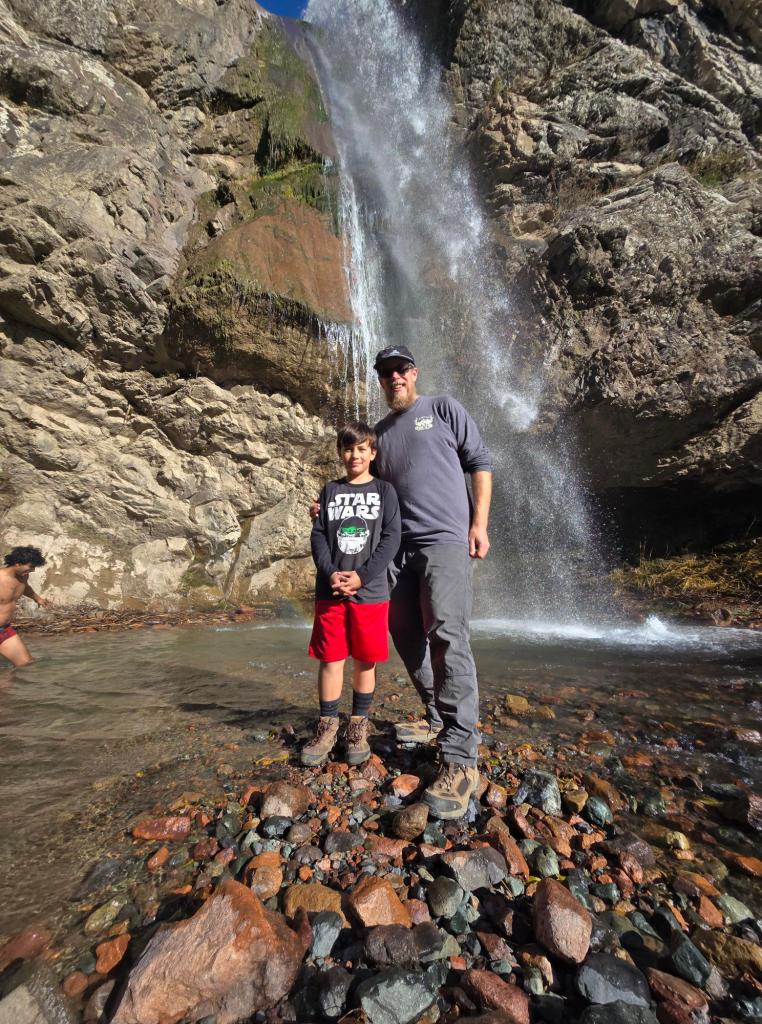
The climb back out of the gorge proved much easier than the descent. Within about ten minutes, we were back up on the pass. After another cup of tea and a final pause, we began the return trip down the mountain.
Trekking poles come in very handy on steep sections like this. Overall, I’d rate the hike as medium difficulty due to the sustained steep climb, but it can easily push into difficult territory if there’s snow on the trail or during spring melt when mud makes the footing slick.
Once you’re back below the steep section, the hike eases again into a relaxed stroll along the river toward the trailhead. Don’t be surprised if someone invites you in for tea—or if one of the local beekeepers offers you a taste of honey, along with the chance to buy a few jars.
If that’s your good fortune, don’t return to Dushanbe empty-handed.
The honey is terrific.
 Wise Clan in Stanland
Leave a comment