🥾 Hike Stats
- Location: Siyoma Gorge, Varzob Valley, Tajikistan
- Distance: ~6.1 miles (9.8 km) round trip
- Elevation Gain/Loss: ~1,300 ft (400 m)
- Route Type: Out-and-back
- Time on Trail: 3–4 hours hiking (5–7 hours recommended to explore)
- Difficulty: Easy–Moderate
- Best Seasons: Spring, Summer, Fall
- Distance from Dushanbe: ~54 km
- Drive Time: ~1 hour each way
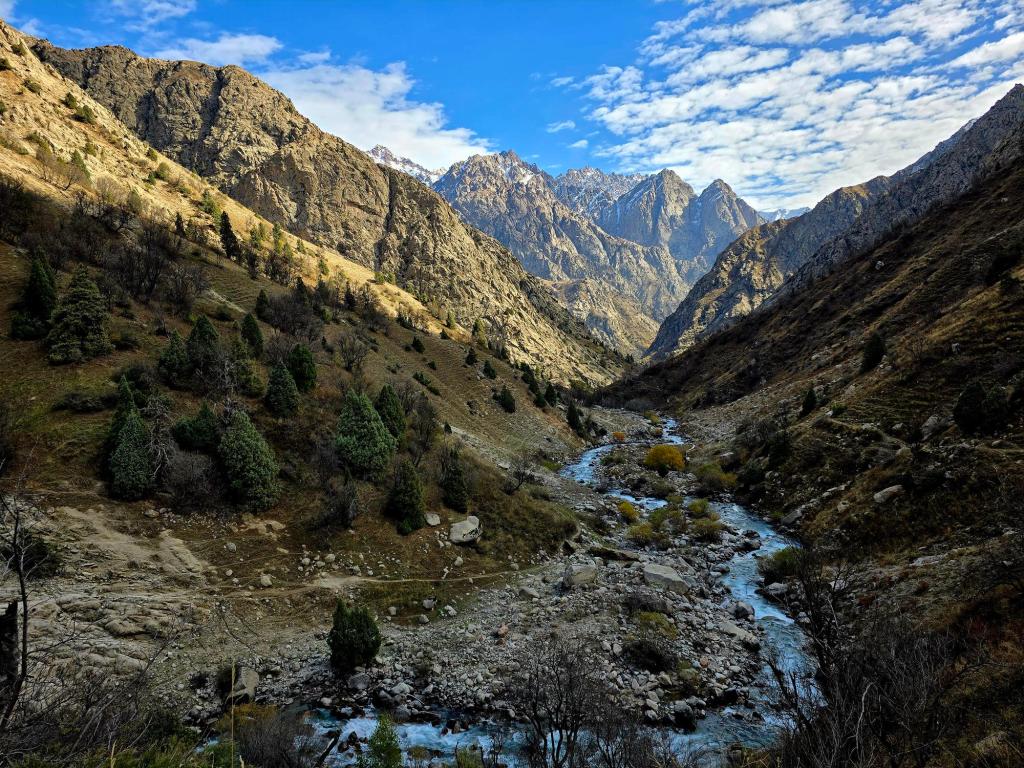
We hiked up into Siyoma Gorge for the first time in early November 2024, and by the time we hiked back out, it had become our new favorite trail within an hour of the city. Siyoma Gorge sits about 54 km north of Dushanbe, tucked up the Varzob Valley—a drive that is always beautiful, no matter the season.
A small sign along the road lets you know you’ve arrived. A large gate marks the entrance, along with a bridge crossing the Varzob River, where you can park on either side. A small door built into the gate allows pedestrians through so you can cross the bridge on foot. After a short walk up the road, you can’t miss the trail branching off on the left-hand side of the river.
There is also a trail on the right side of the gorge, but since I usually have at least one of the kids with me, we’ve stuck to the left. I’ve been told the right-hand route includes a steep section with loose scree and long drops—probably fine for confident solo hikers, but not ideal for family outings.
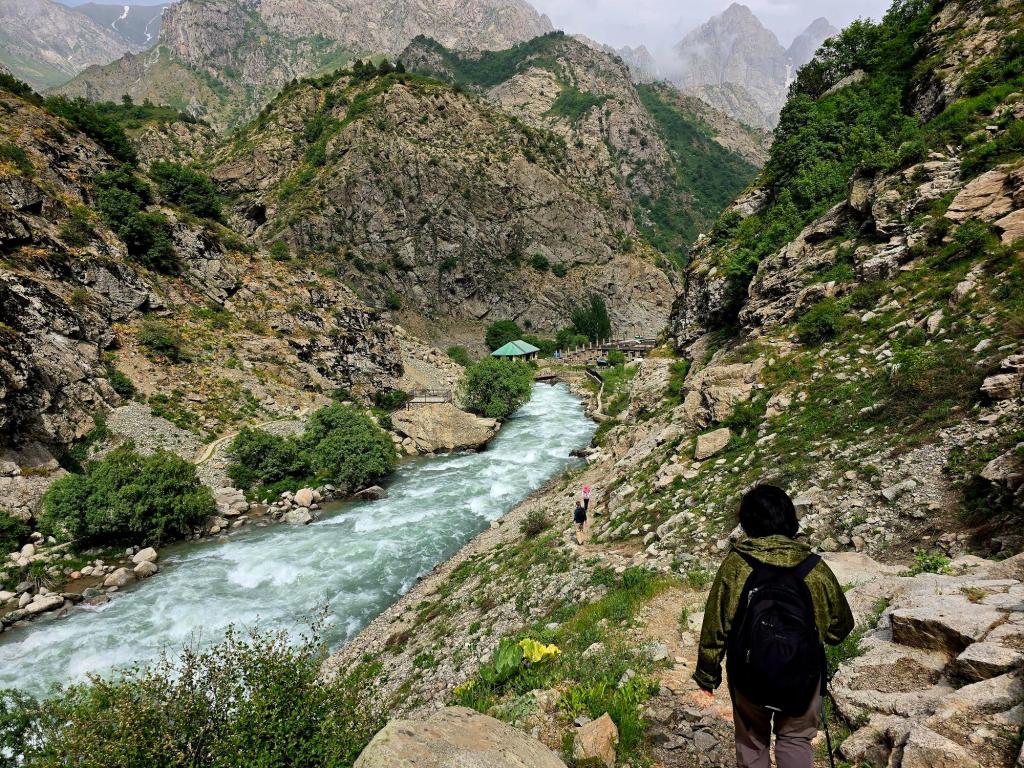
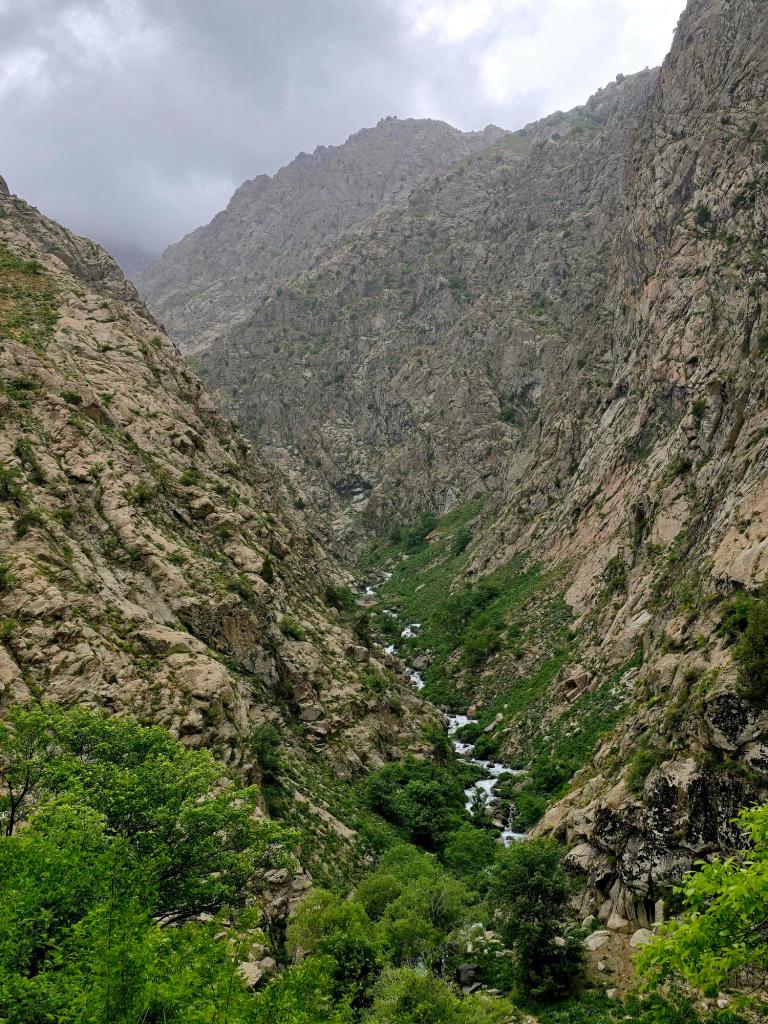
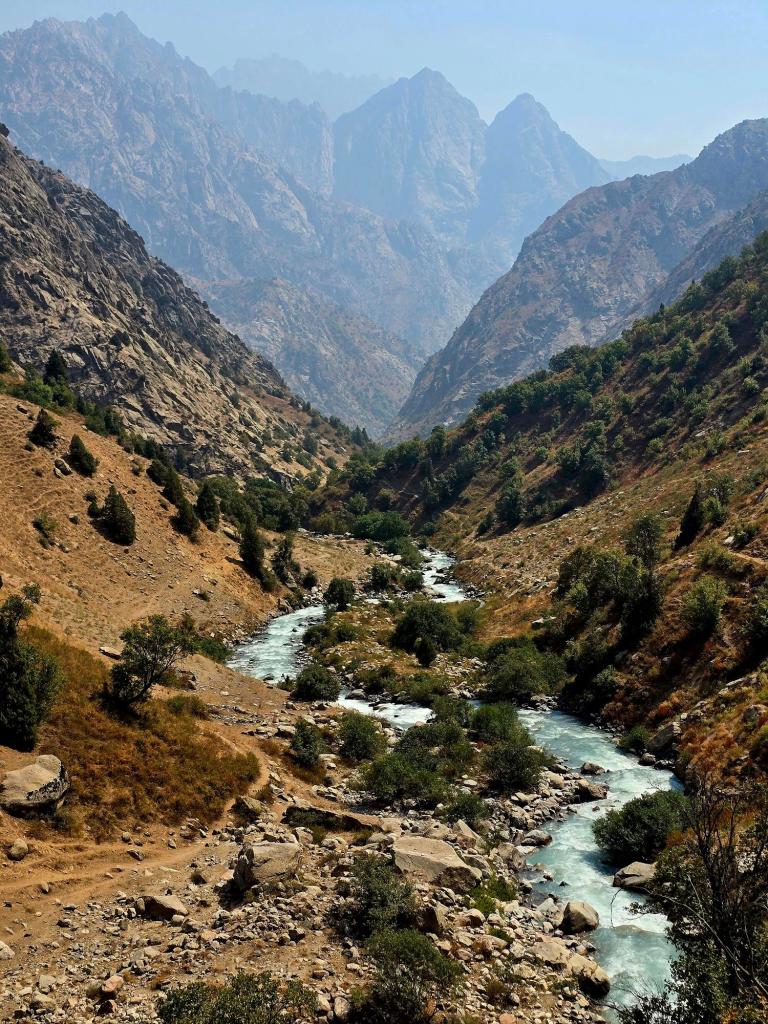
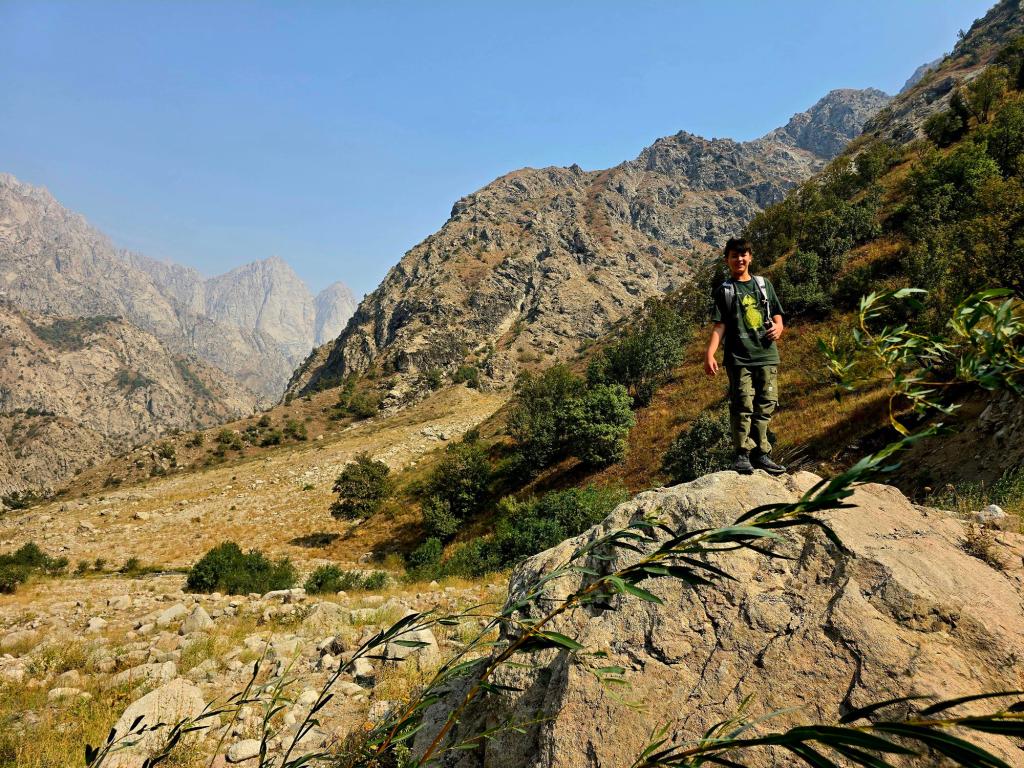
The scenery is impressive right from the start. A short scramble early on gains you a higher vantage point, opening up views across the Varzob Valley to a jagged wall of mountains rising sharply on the opposite side. Looking deeper into the gorge, the trail follows a beautiful corridor carved by the river, its sound never far away.
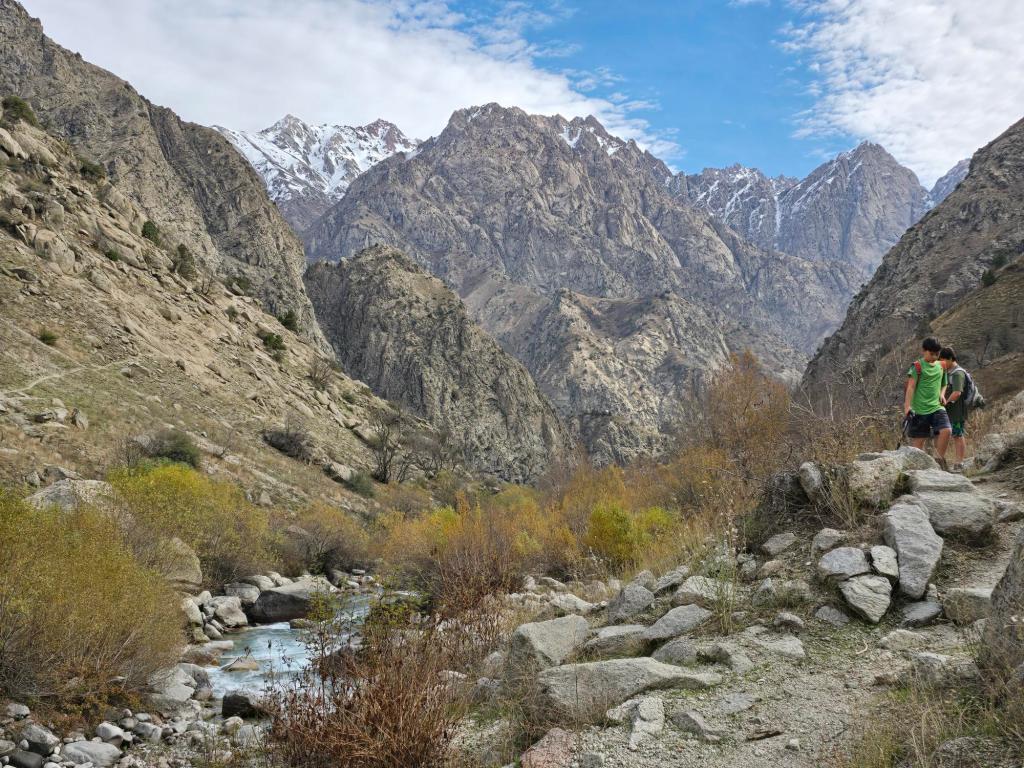
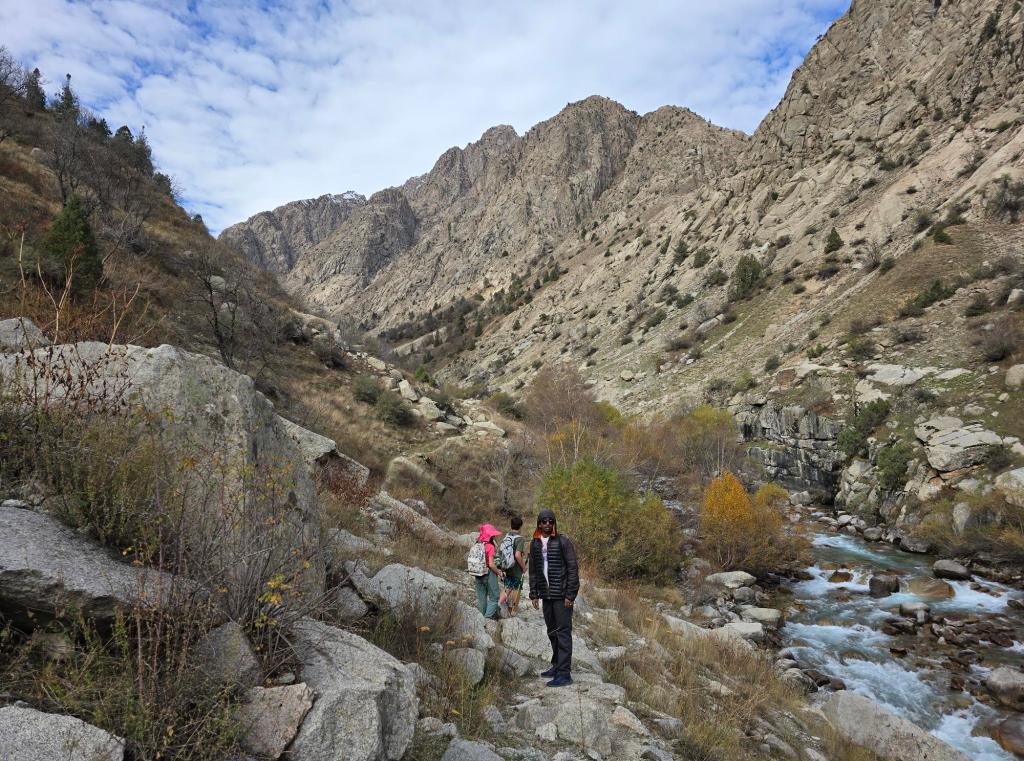
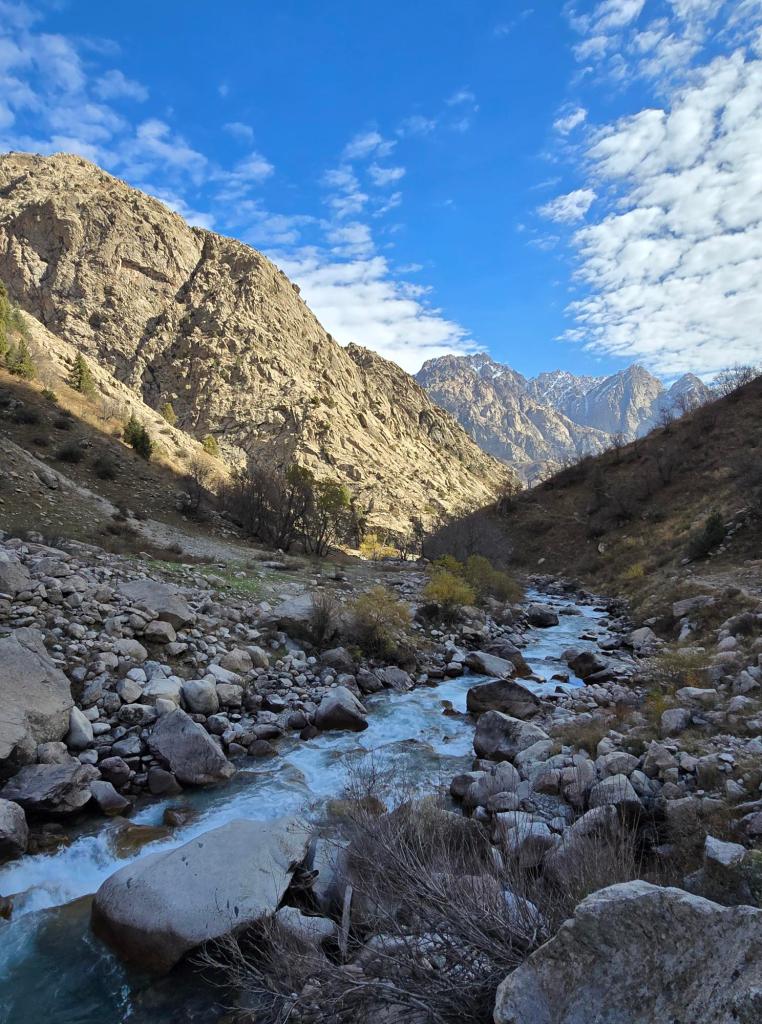
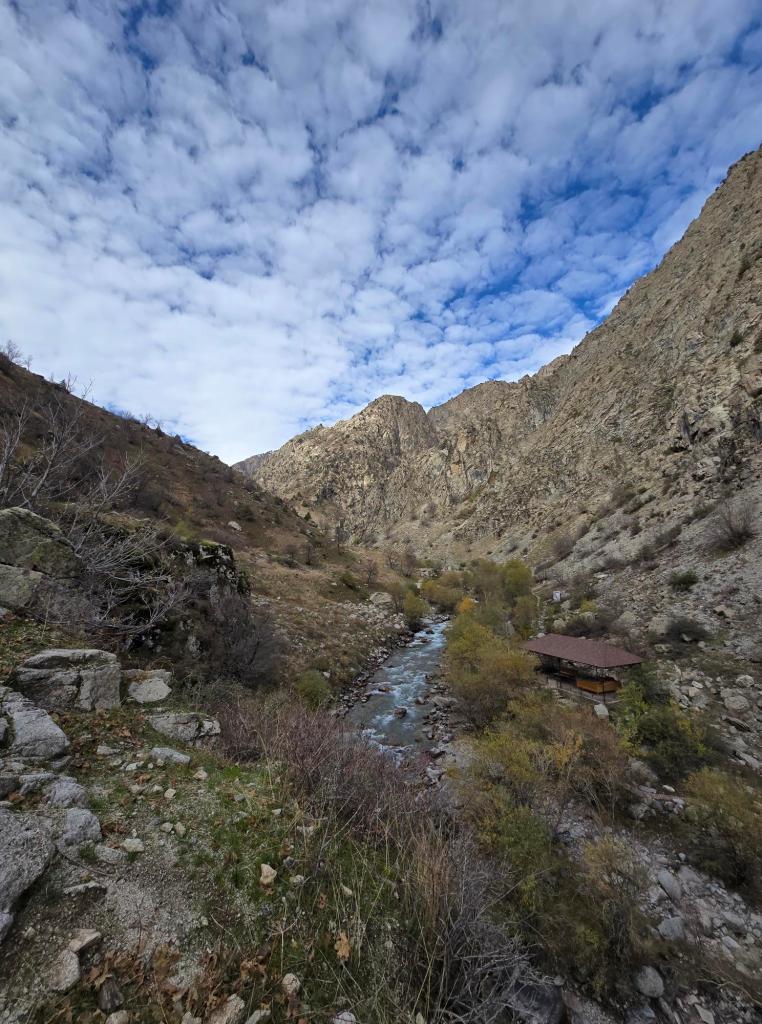
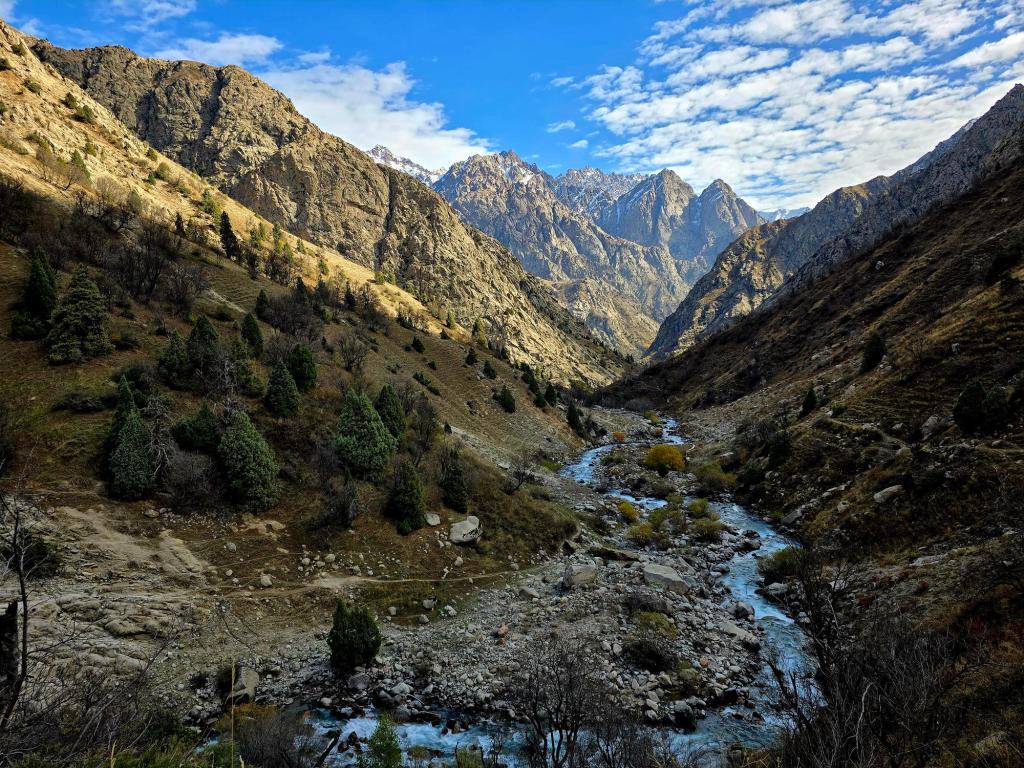
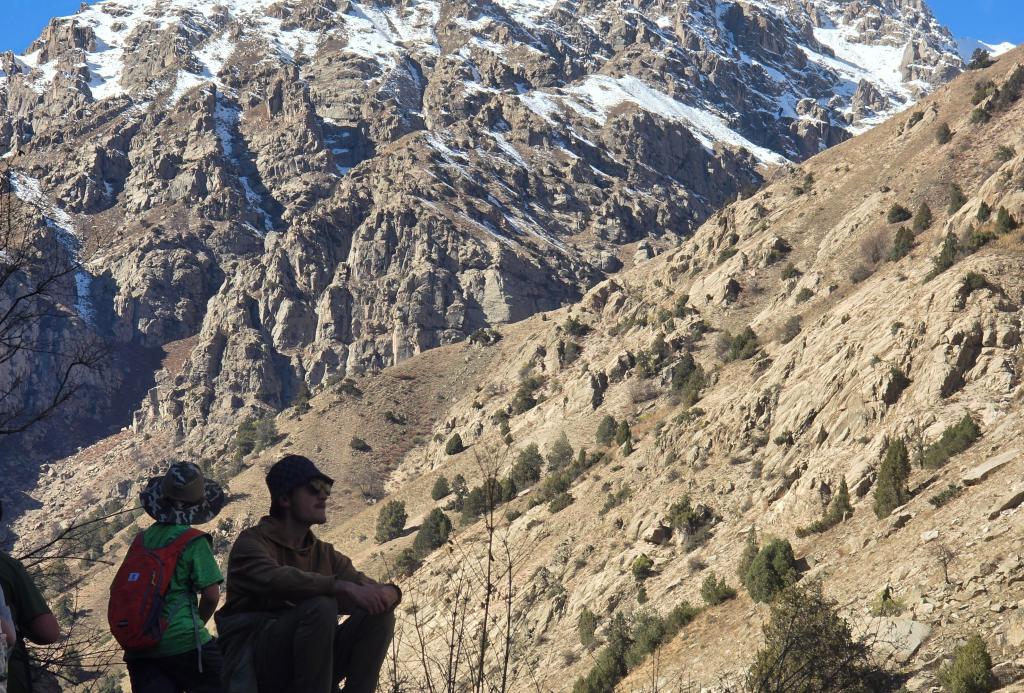
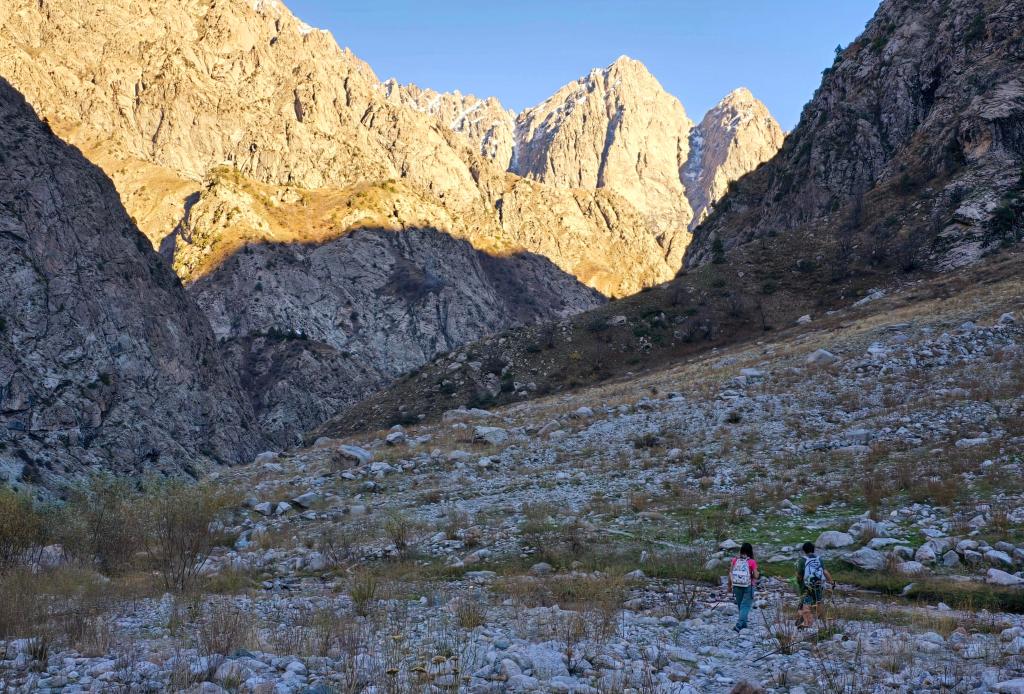
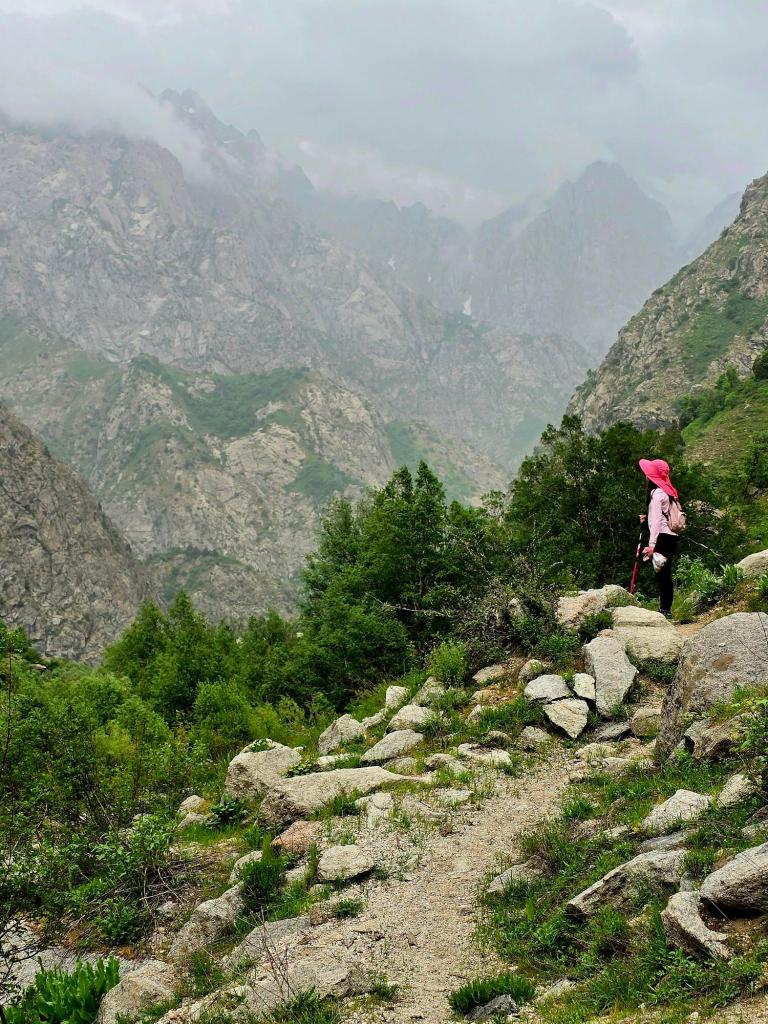
The hike to the meteorological station and the home of Ivan is just over 3 miles one way, with a gradual elevation gain of about 1,300 feet. It’s not overly strenuous, but it’s enough to make you feel like you’ve earned your rest by the time you return to the car. Along the way, there are plenty of excellent places to stop—some right beside the river, others perched higher on the trail with sweeping views down into the gorge.
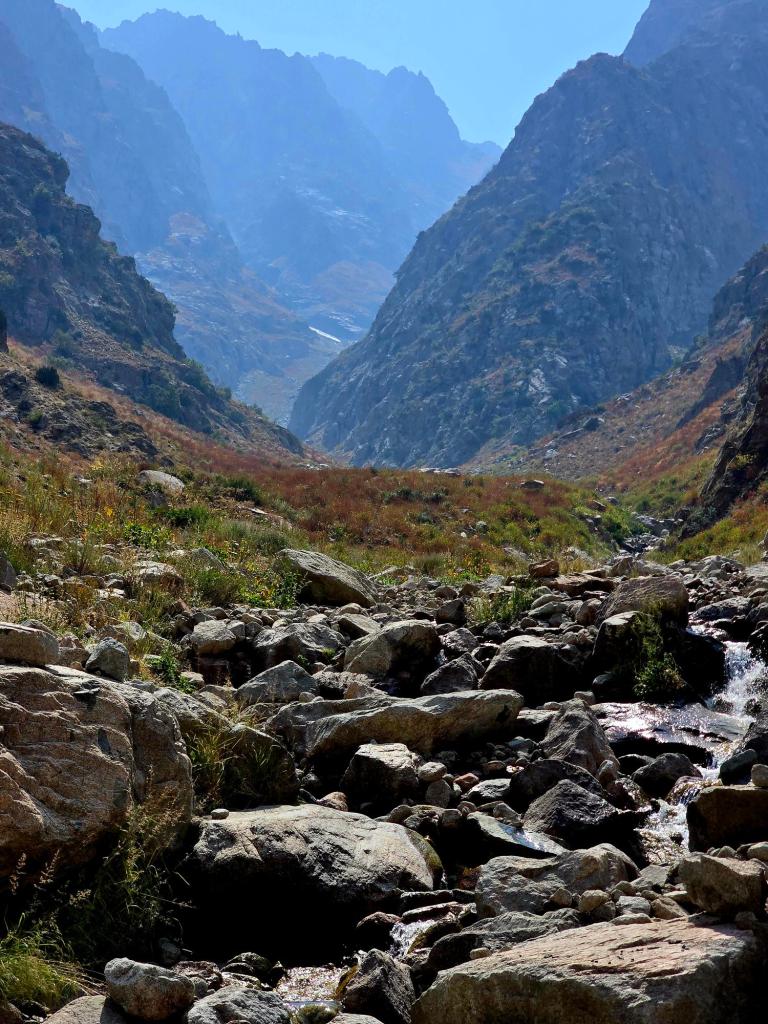
What makes Siyoma Gorge feel so dramatic is the geology that shaped it. The gorge cuts through the Hissor (Gissar) Range, part of a young and still-rising mountain system formed where massive tectonic plates collided and folded the land upward. Over time, the Siyoma River exploited fractures and weaker rock layers, carving a deep, narrow channel through steep walls of broken stone. Much of the loose scree along the slopes is a reminder that these mountains are still actively eroding.
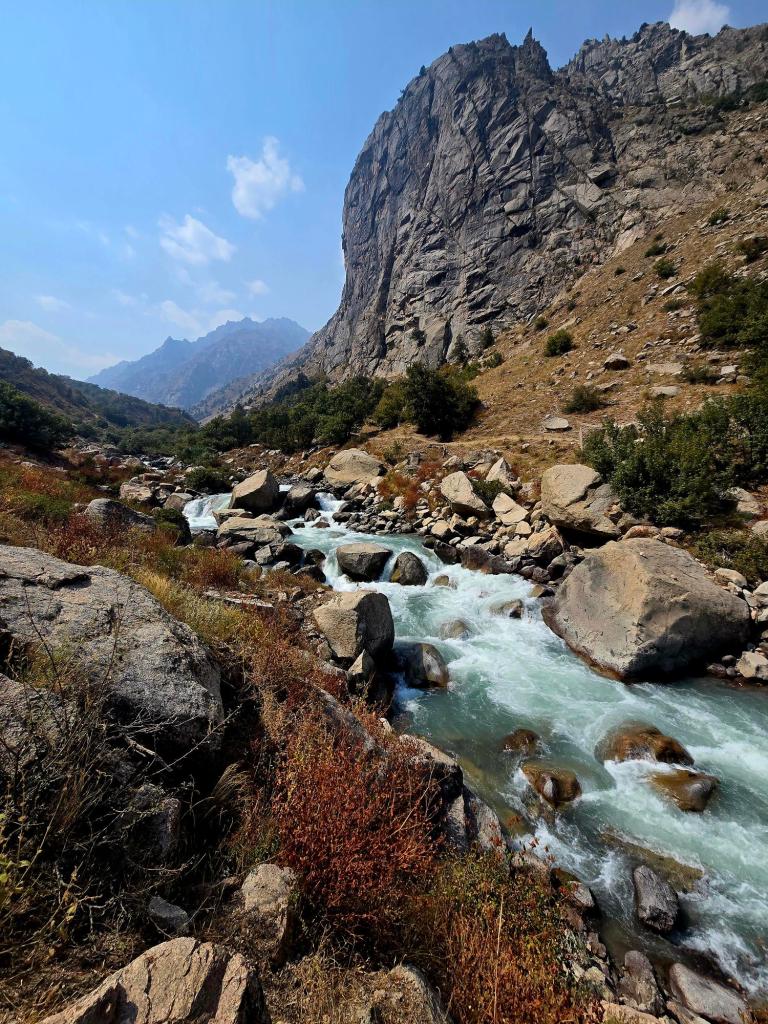
The river itself owes much of its character to glacial meltwater from higher elevations. During warmer months, fine rock particles ground down by ice—often called rock flour—remain suspended in the water, giving it that striking blue-green color. Even in late fall, the steady flow and cold clarity hint at its high-mountain origins, connecting this quiet gorge directly to the glaciers and snowfields far above.
At the time of our first hike, we were able to rock-hop across all three tributary streams flowing out of the mountains on the left-hand side of the gorge. The Siyoma River itself was impressive, carrying its blue water down through the valley before crashing into the Varzob River below, adding both beauty and force to its flow.
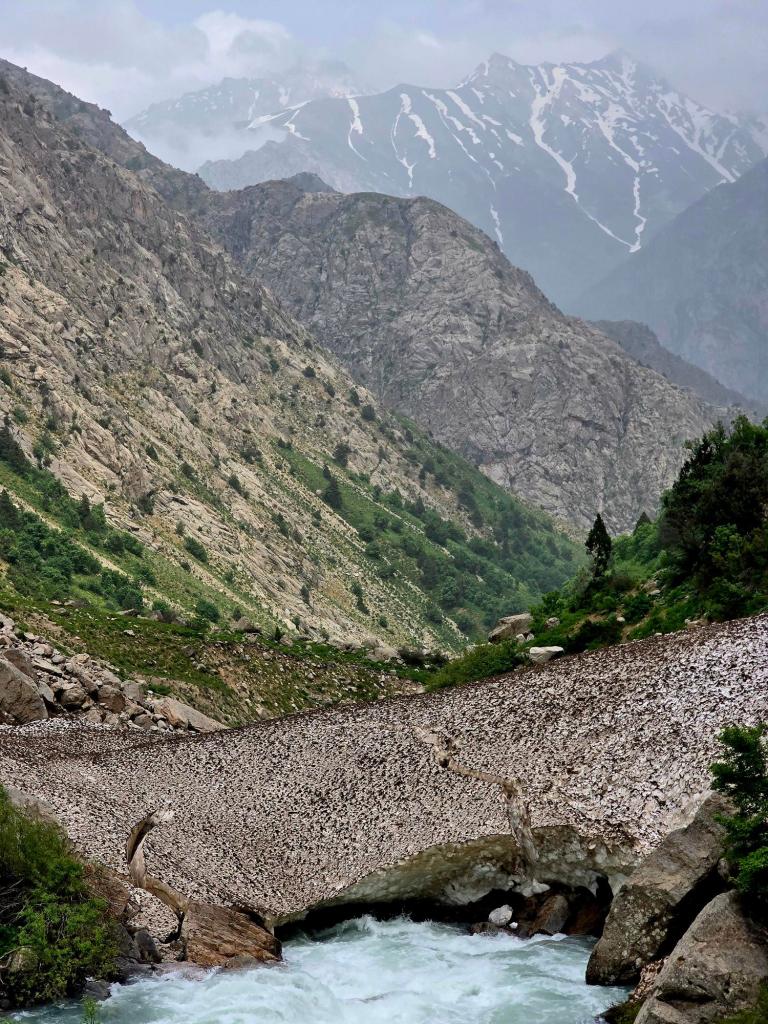
In mid to late spring, once some of the avalanche danger has subsided, the gorge takes on a completely different character. This is when the Siyoma is thundering through the valley, a powerful force that demands both admiration and respect. During this time of year, be prepared to remove your shoes and socks at least twice to cross knee-deep sections of ice-cold water. The first two crossings are close together, so no sooner have you forced your numb feet back into your shoes than it’s time to do it all over again.
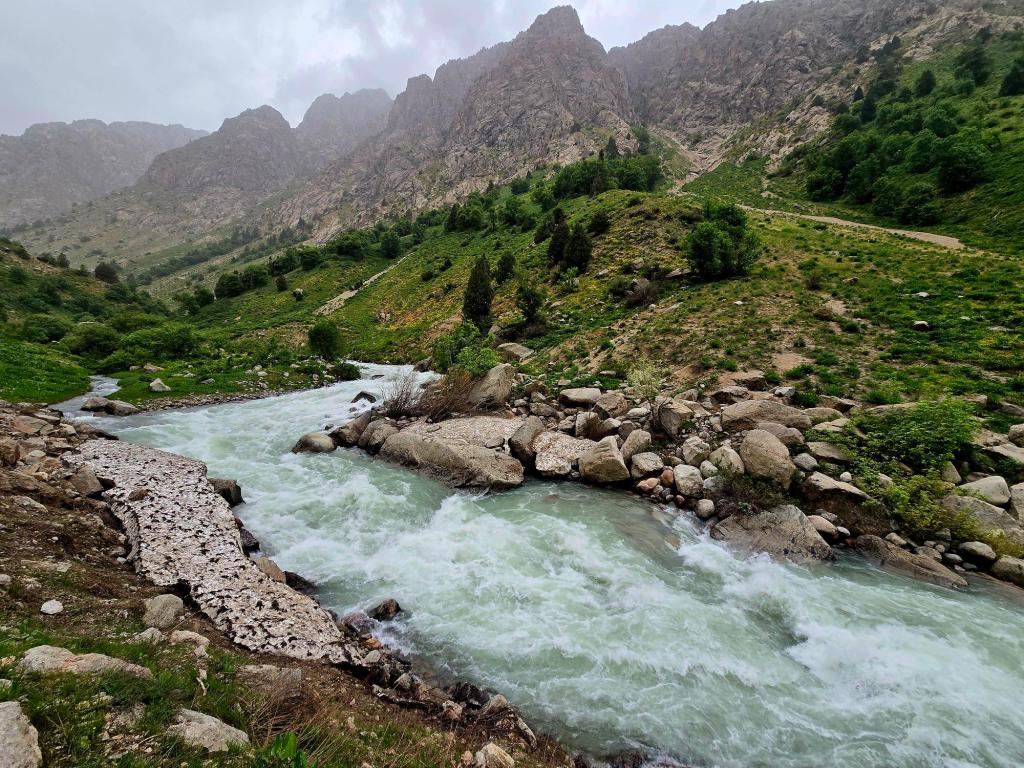
There is often an ice bridge crossing the third tributary and extending out over the main river as well, but this is a section to give a wide berth once it reaches the Siyoma. A slip here would be a fatal mistake. In spring, the valley is also lined with beautiful mountain lilies, adding a surprising softness to such a rugged landscape.
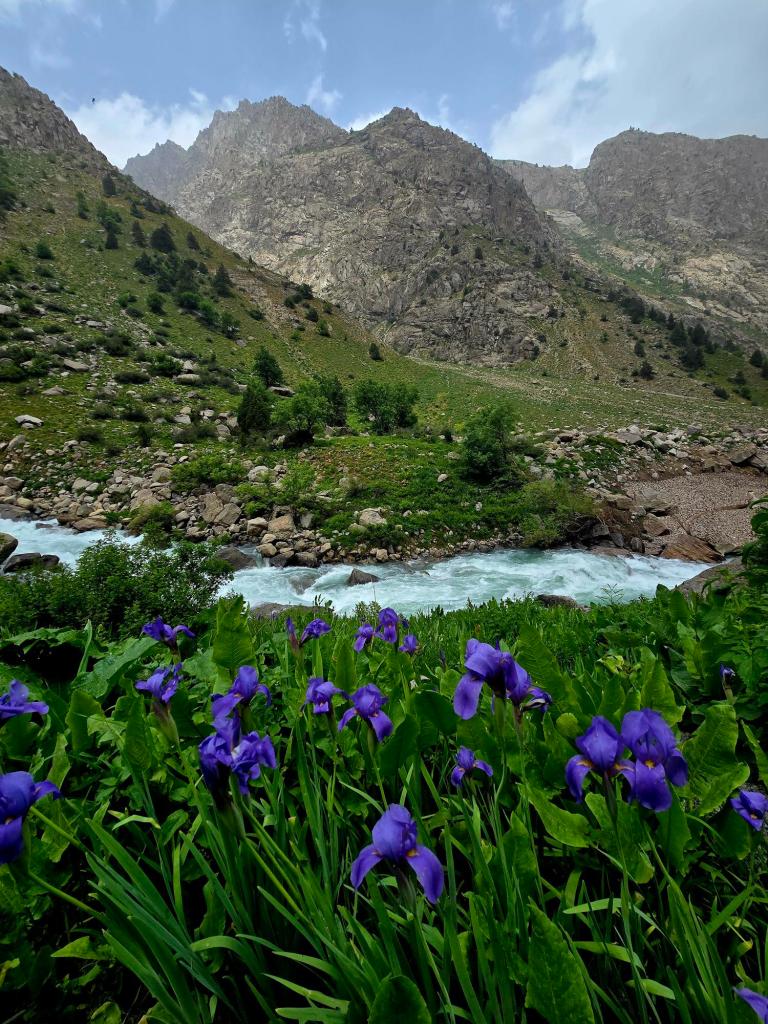
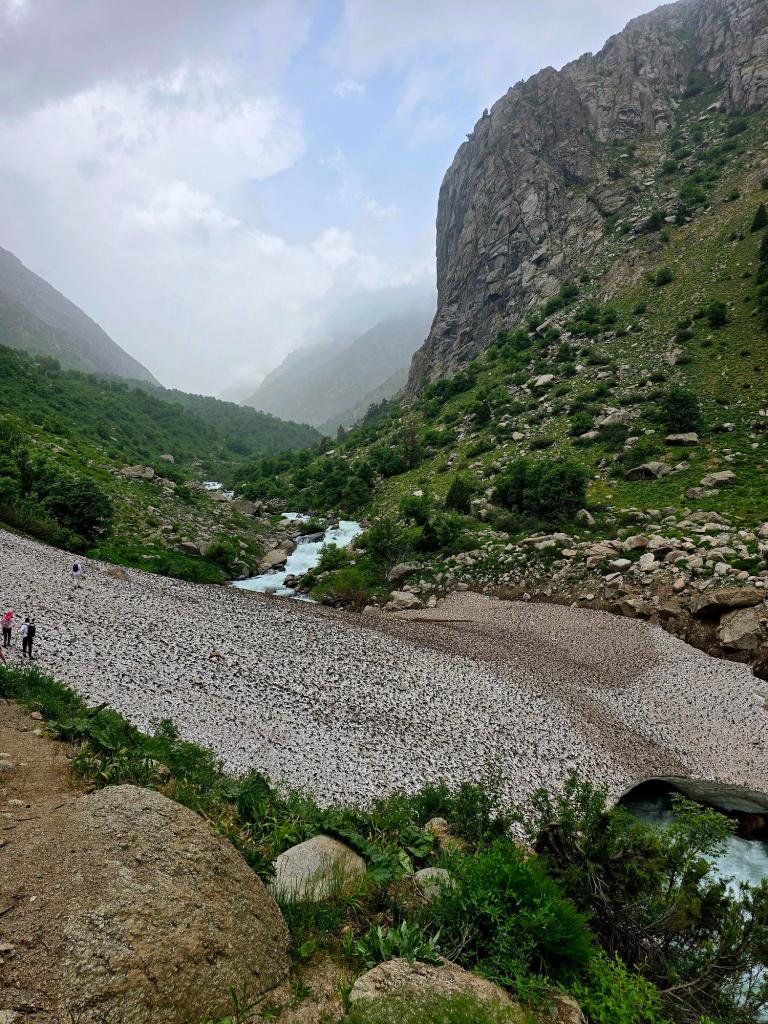
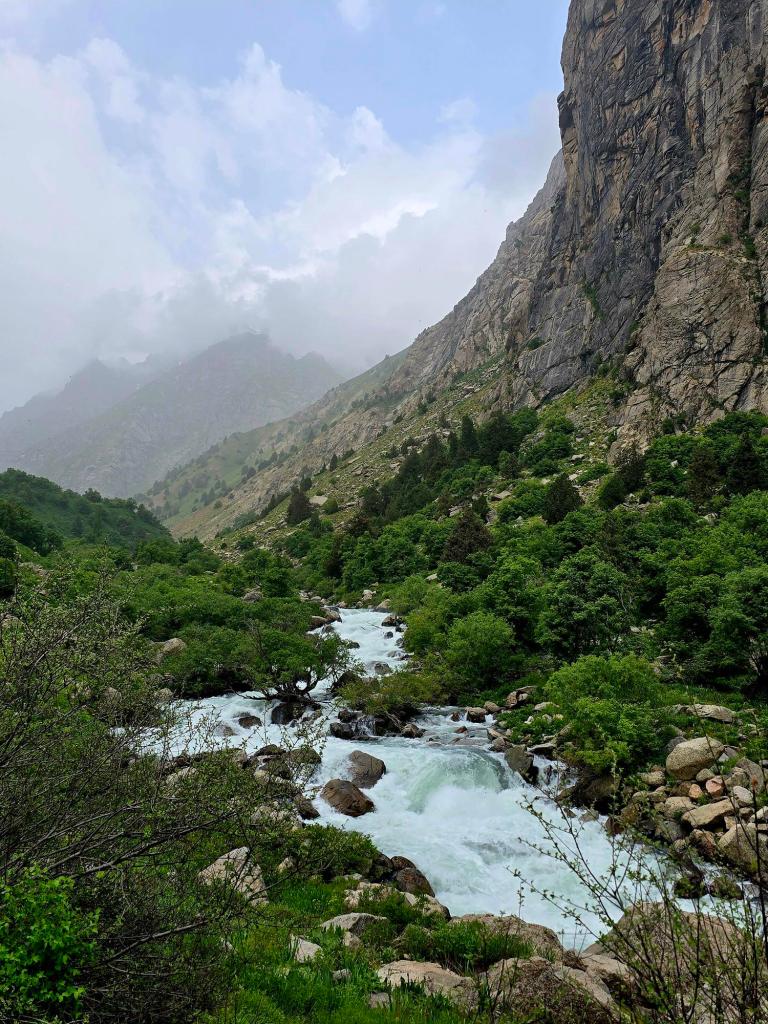
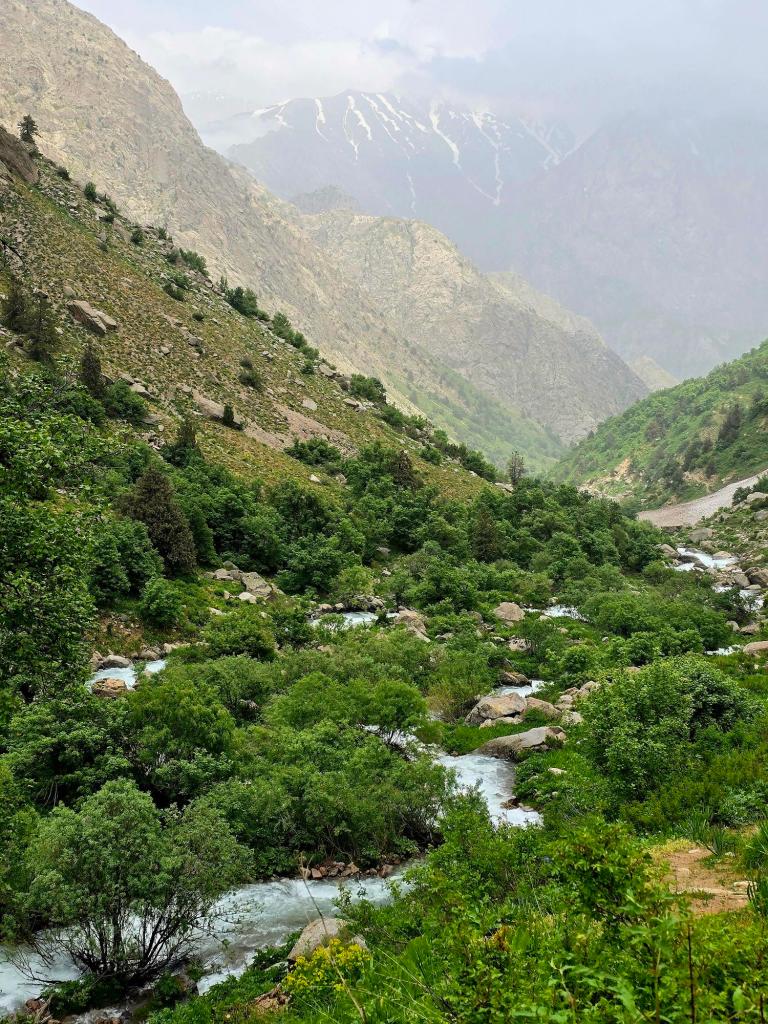
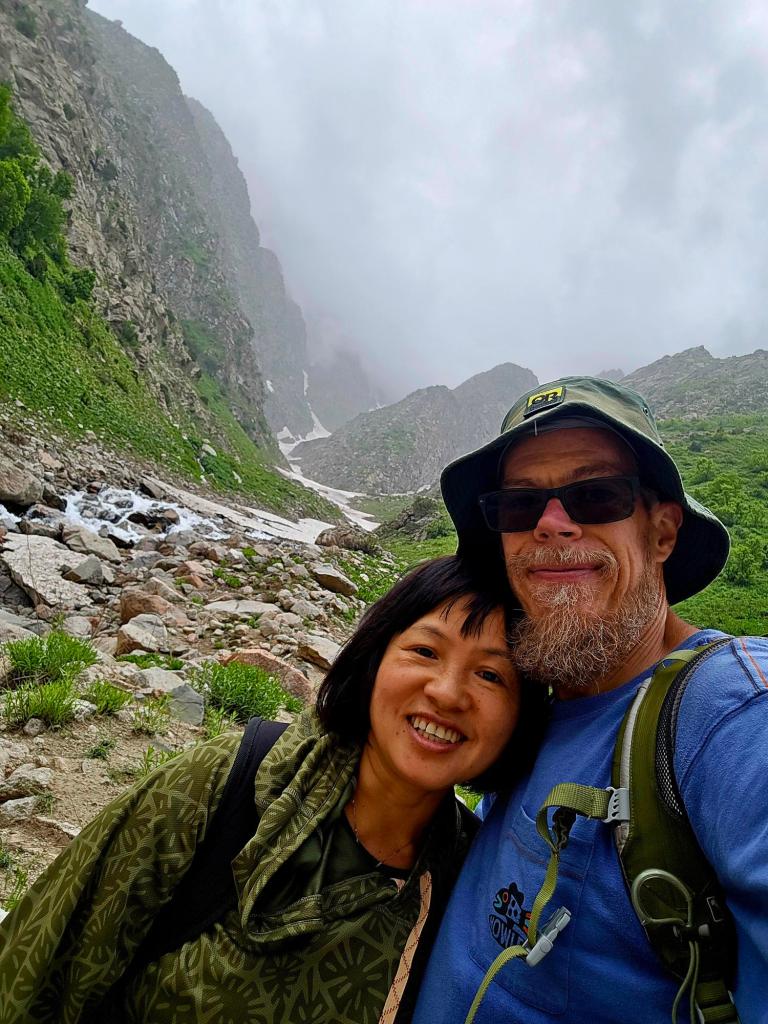
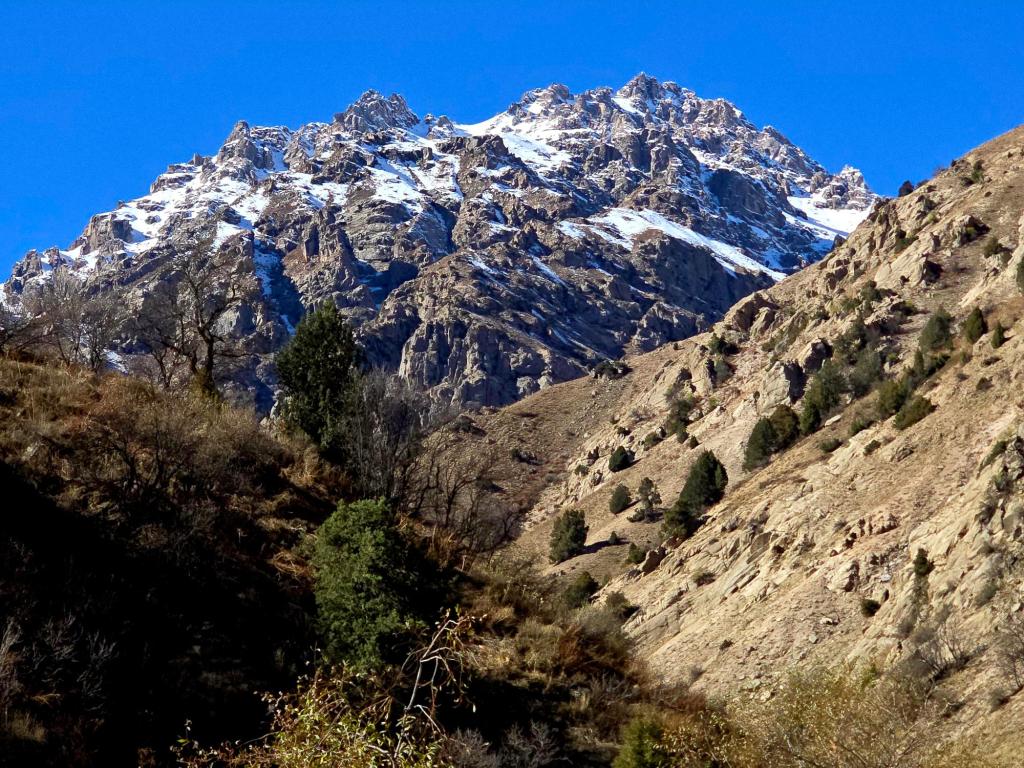
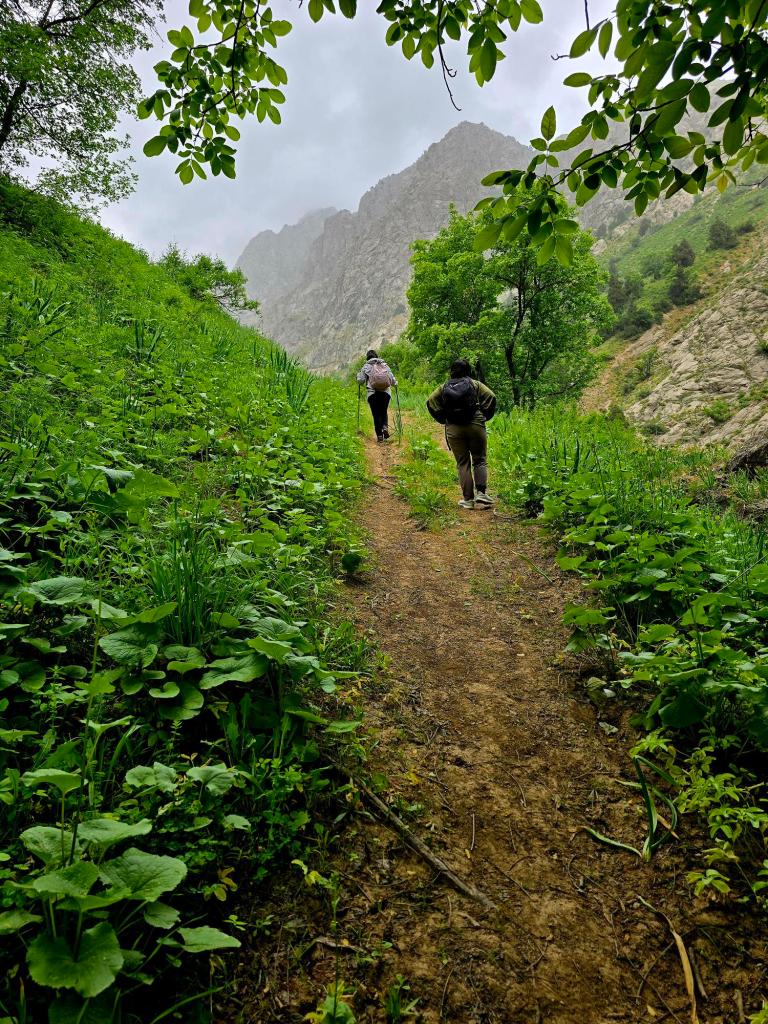
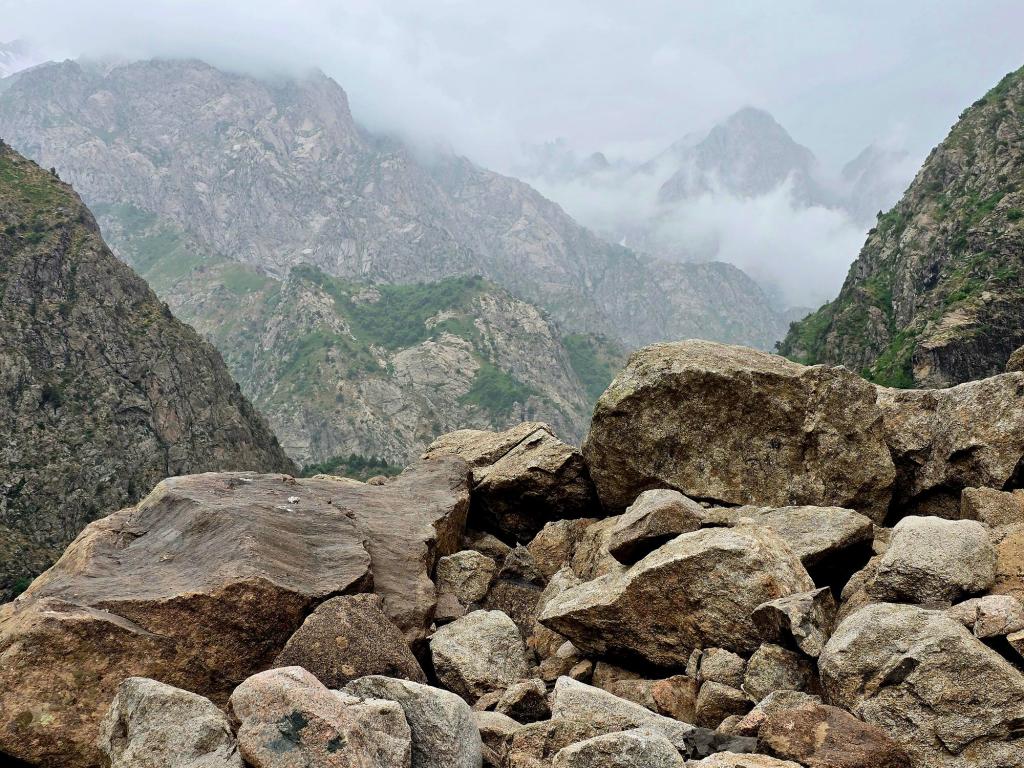
Every season brings something unique to Siyoma Gorge, but if I had to choose, spring and summer are my favorites. On one spring hike, low clouds hung low in the valley, occasionally misting us as we walked. With the river at peak volume and water spilling down cliff faces in every direction, the entire gorge felt alive. It’s a place that seems to create its own weather, its own rhythm—its own kind of magic—and it should be high on the list for anyone exploring Tajikistan.
Not long after the final river crossings, the trail reaches the old meteorological station and the home of Ivan, often referred to simply as Ivan the Hermit. For decades, Ivan has lived here almost entirely alone, acting as both caretaker and quiet guardian of this stretch of the gorge. During the uncertainty of the 1990s, he stayed on when many others left, helping to protect and maintain the weather station—an important outpost used to monitor snowfall, river levels, and mountain conditions that affect communities far downstream. Supplies still arrive occasionally by helicopter, landing on the small helipad nearby, but for the most part Ivan lives a life defined by seasons, storms, and solitude.
There’s something deeply grounding about reaching this place: a reminder that this wild valley isn’t just a scenic escape, but a working landscape shaped by water, weather, and the people willing to endure them both. Standing there, with the river rushing past and the mountains closing in, it feels like a natural place to pause, reflect, and turn back.
There are more options for those feeling adventurous. A trail climbing left of the station leads toward high peaks and mountain passes—I did an overnight trip in that direction last October that I’ll eventually share here. You can also continue straight past the station to reach what are said to be excellent campsites deeper in the valley. Another option, if Ivan is around and willing, is to use the cable swing to cross the river and return on the far side, or push straight up toward the peaks rising from that bank. The trails truly feel endless in this beautiful country.
Once you turn around, it’s almost entirely downhill back to the car, with a constant backdrop of rugged peaks framing the walk out.
Siyoma Gorge is the kind of place that invites return visits—changing with the seasons, revealing new routes, and quietly reminding you why you keep heading for the mountains in the first place.
 Wise Clan in Stanland
Leave a comment