Markets, Gardens, and the Long Road Home
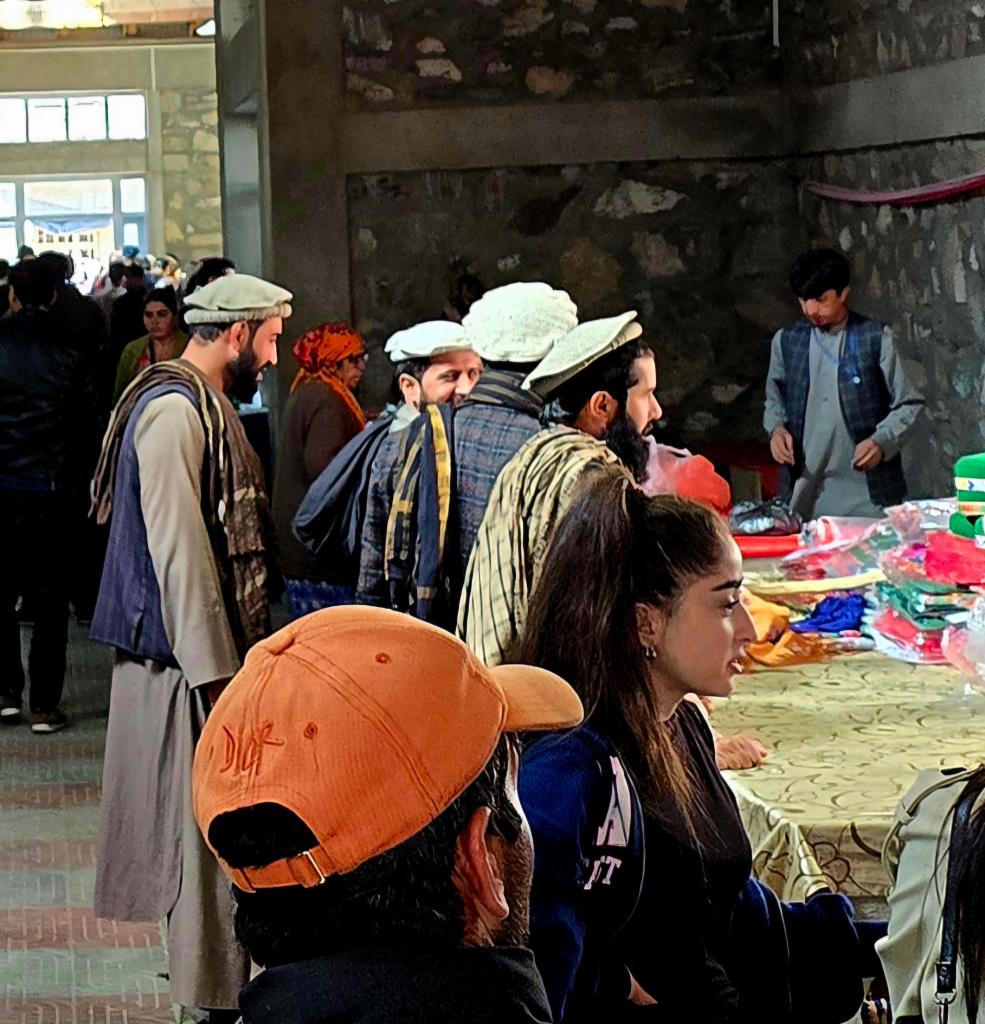
Our last full day in the Pamirs began down by the river, at the Saturday morning Afghan Market near the Friendship Bridge. Each week, Afghan traders are permitted to cross into a designated market area on the Tajik side to engage in trade. The grounds are heavily guarded, and vendors are not allowed to leave the market zone, but once inside, the place hums with life.
The market was packed and doing a thriving business. Stalls overflowed with dried fruits, nuts, spices, fabrics, clothing, tools, and household goods. The air was filled with conversation in Dari, Tajik, Pamiri dialects, and bits of Russian, all layered over the constant movement of buying, selling, and bargaining. Despite the security presence and strict boundaries, the atmosphere felt warm and energetic — a reminder that borders may be rigid lines on a map, but daily life has a way of finding cracks to move through.
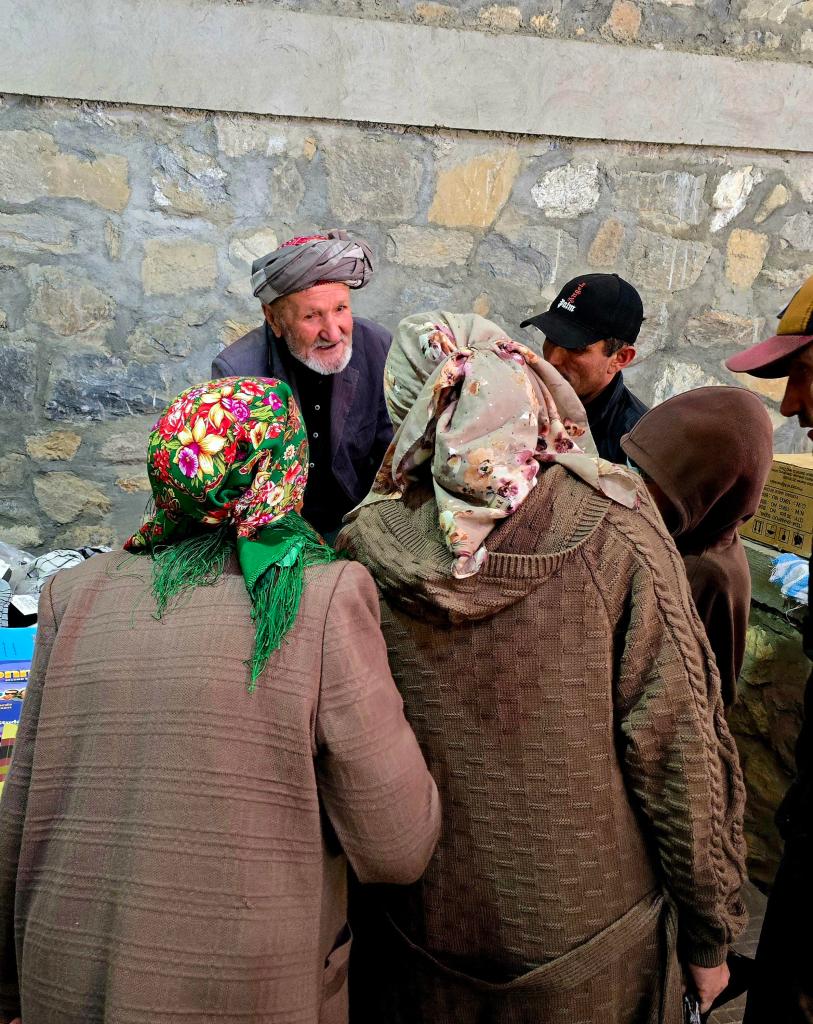
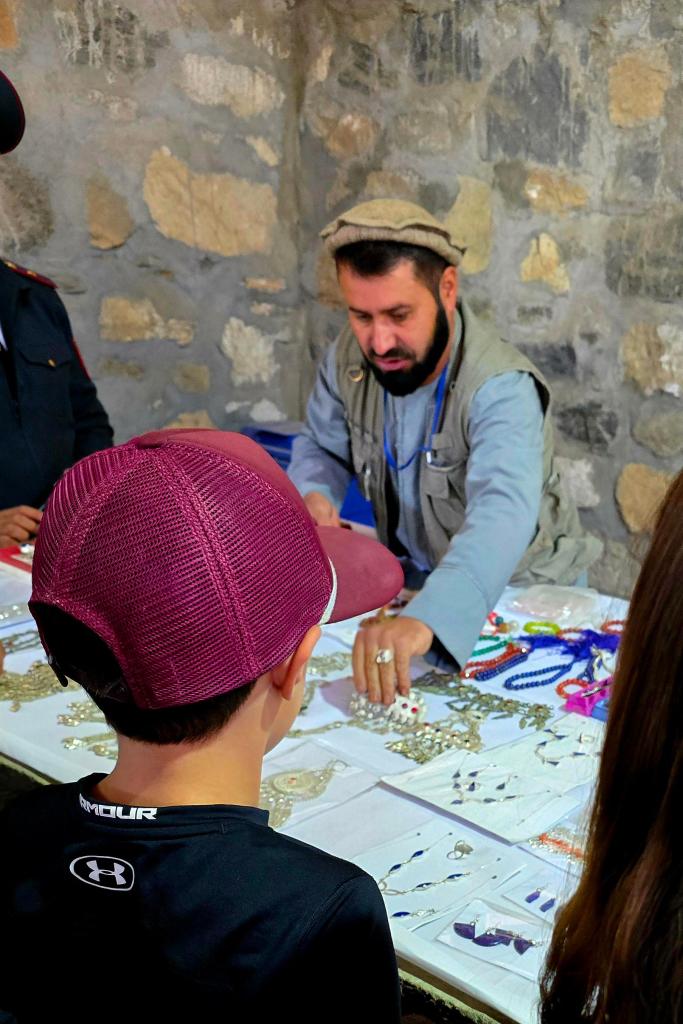
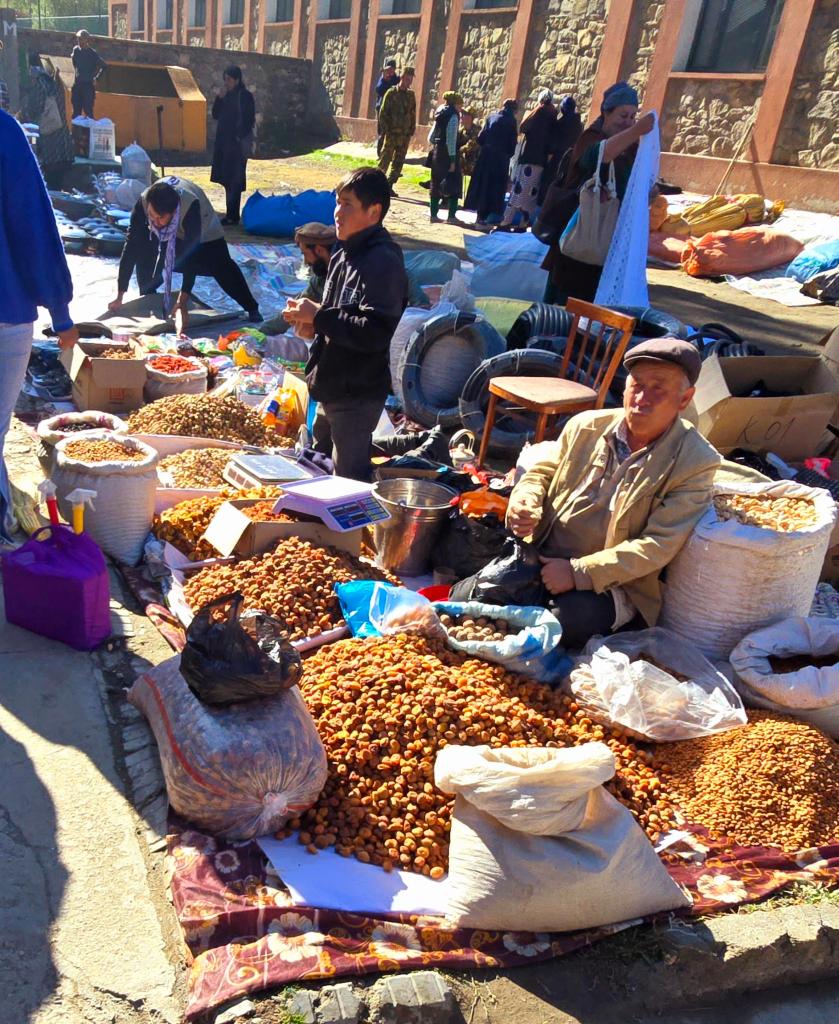
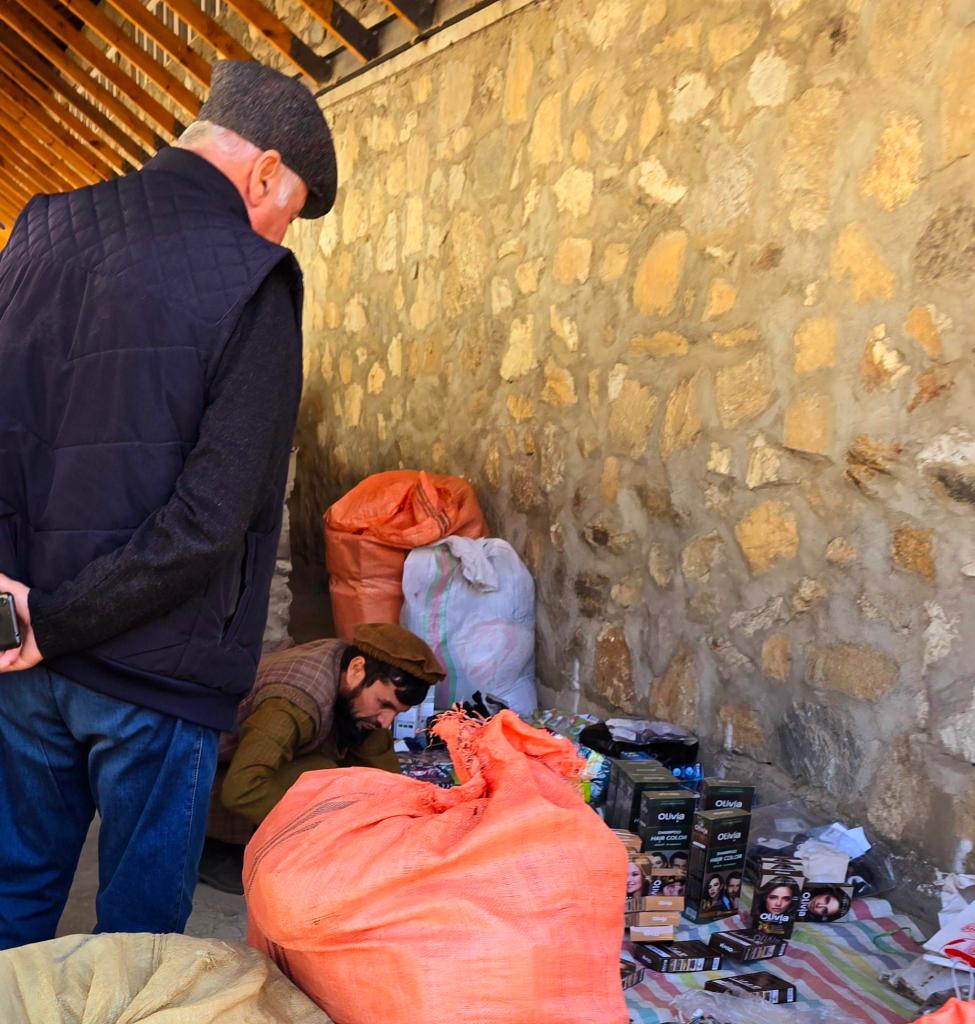
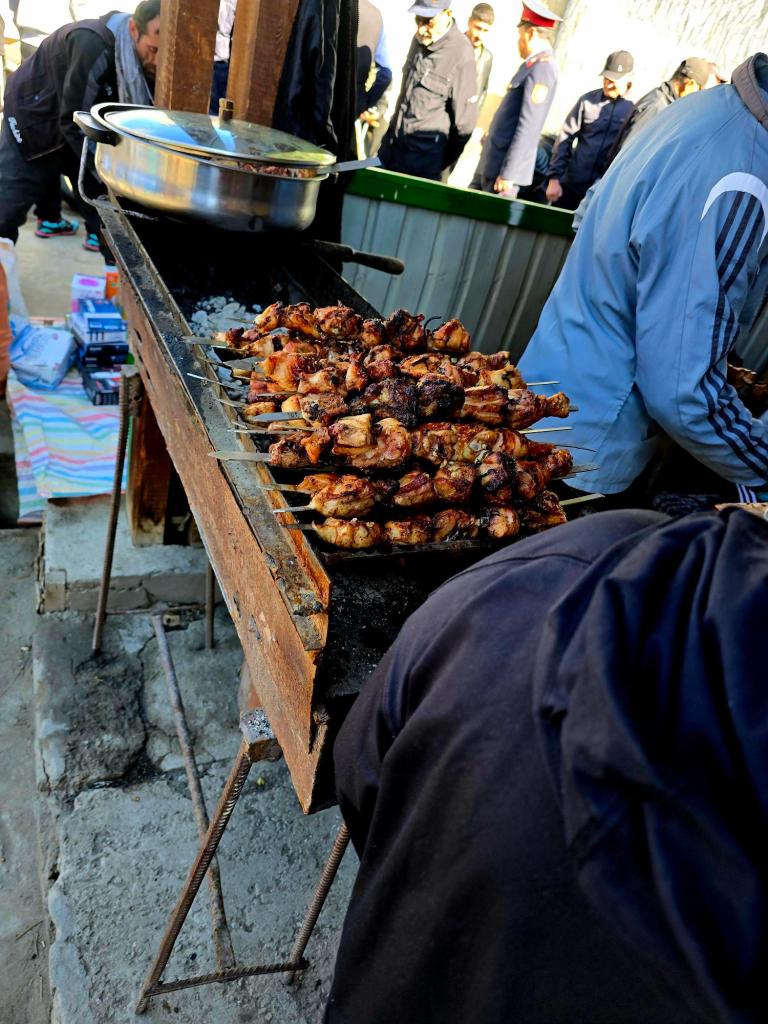
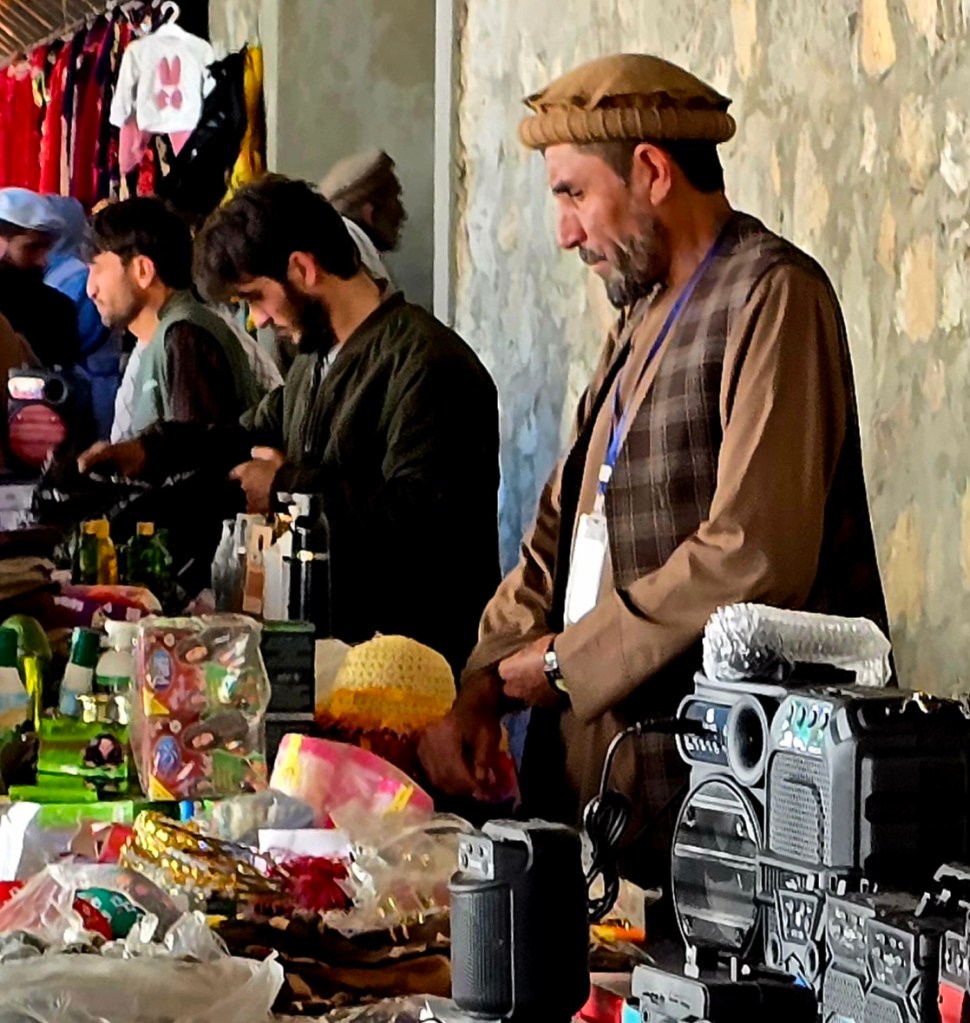
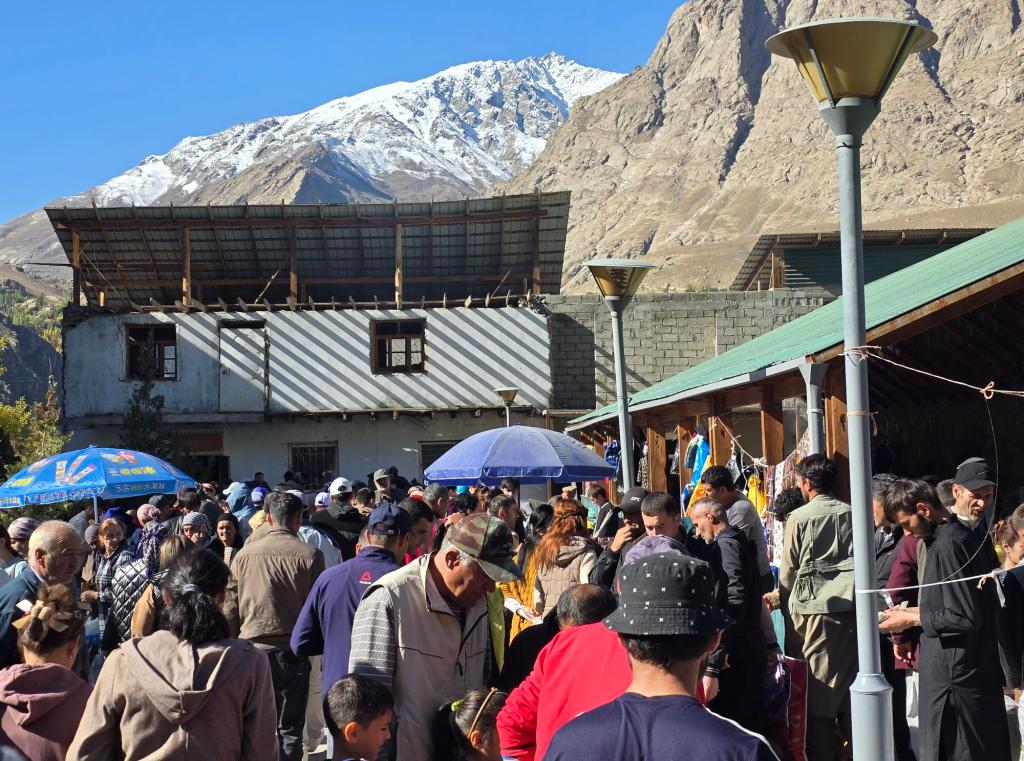
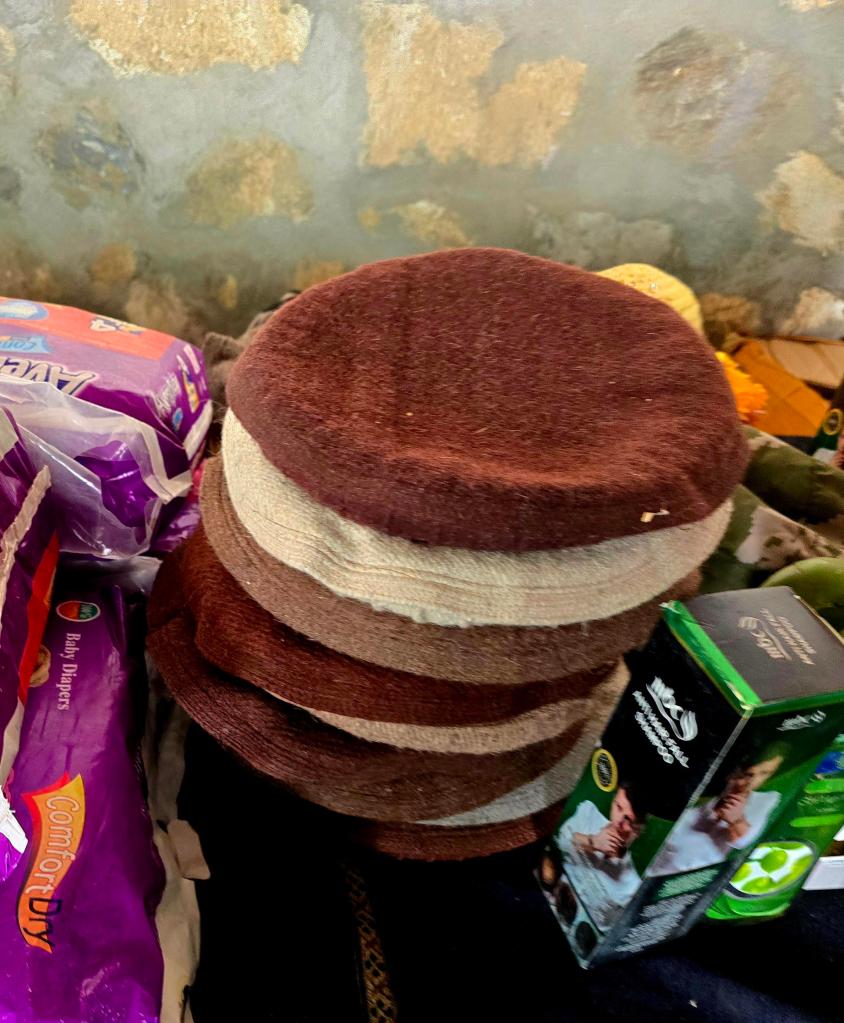
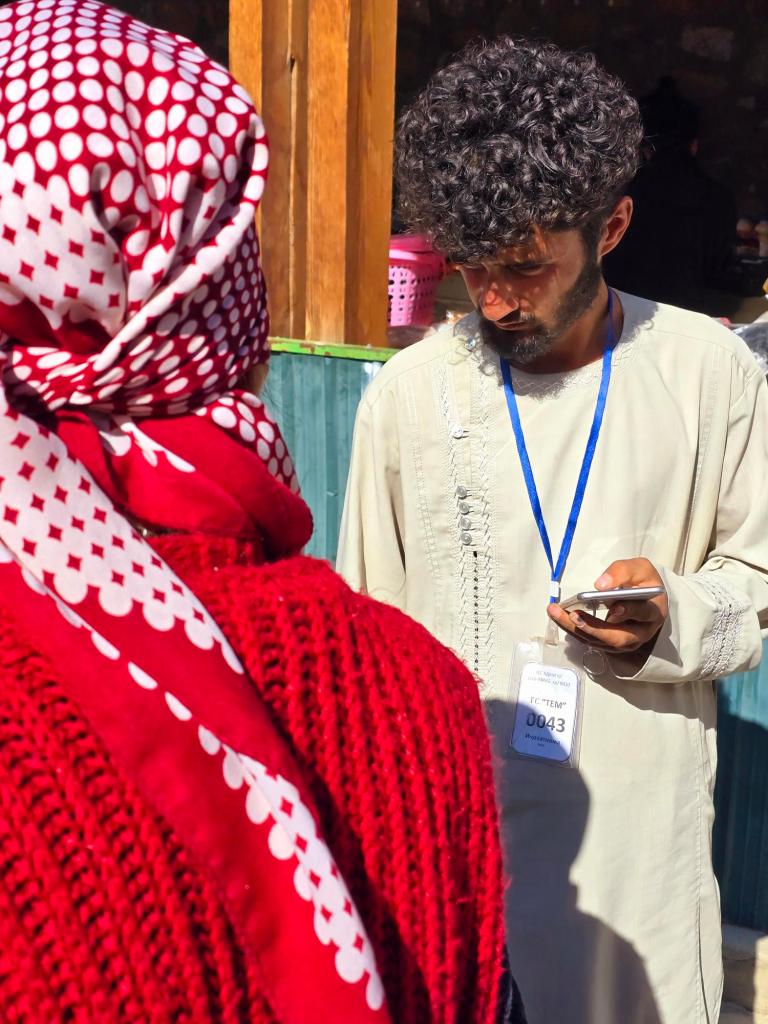
It was an interesting experience, and a fitting one so close to the end of the journey — a place where geography, politics, and ordinary human exchange all collided in a very real way.
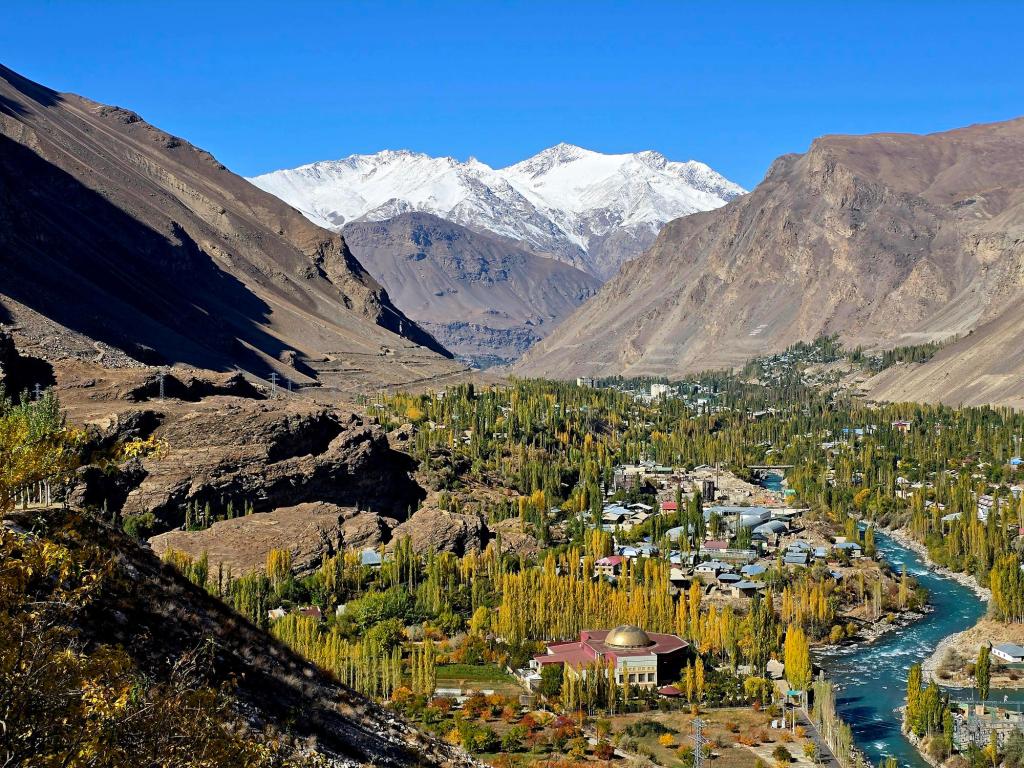
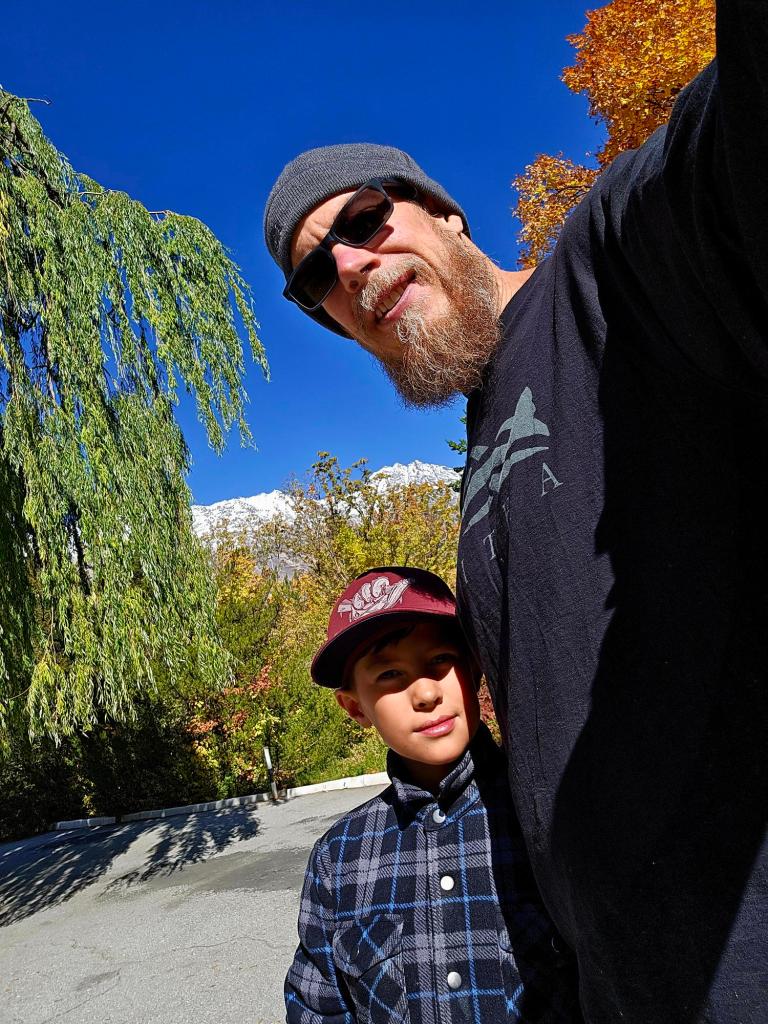
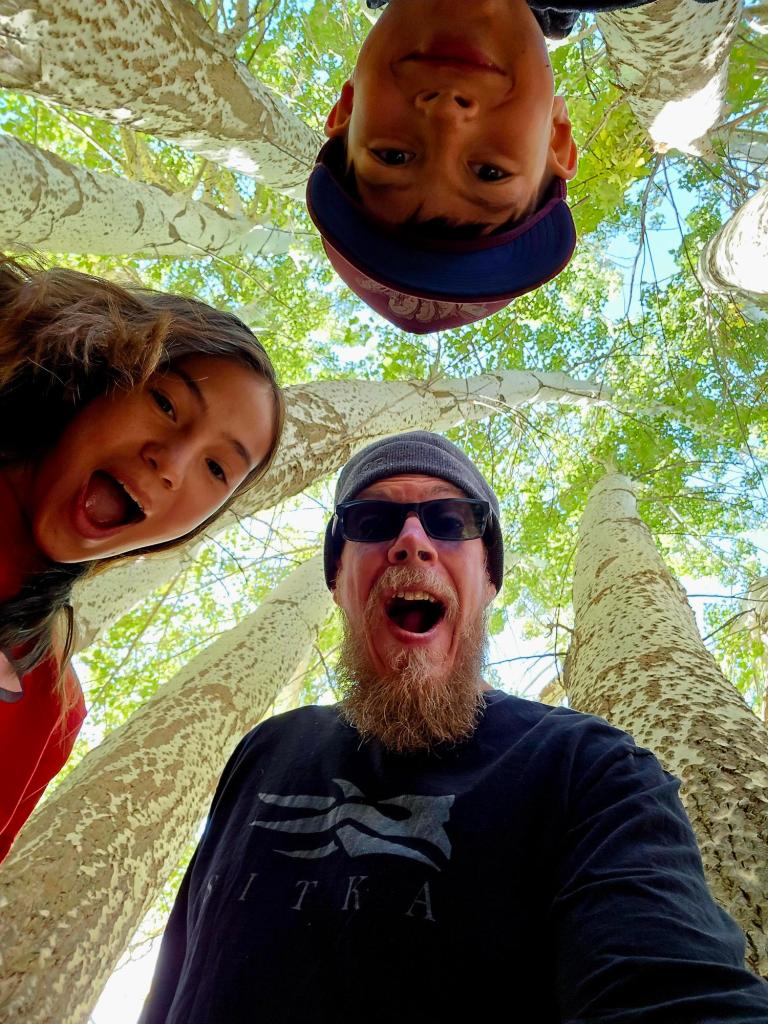
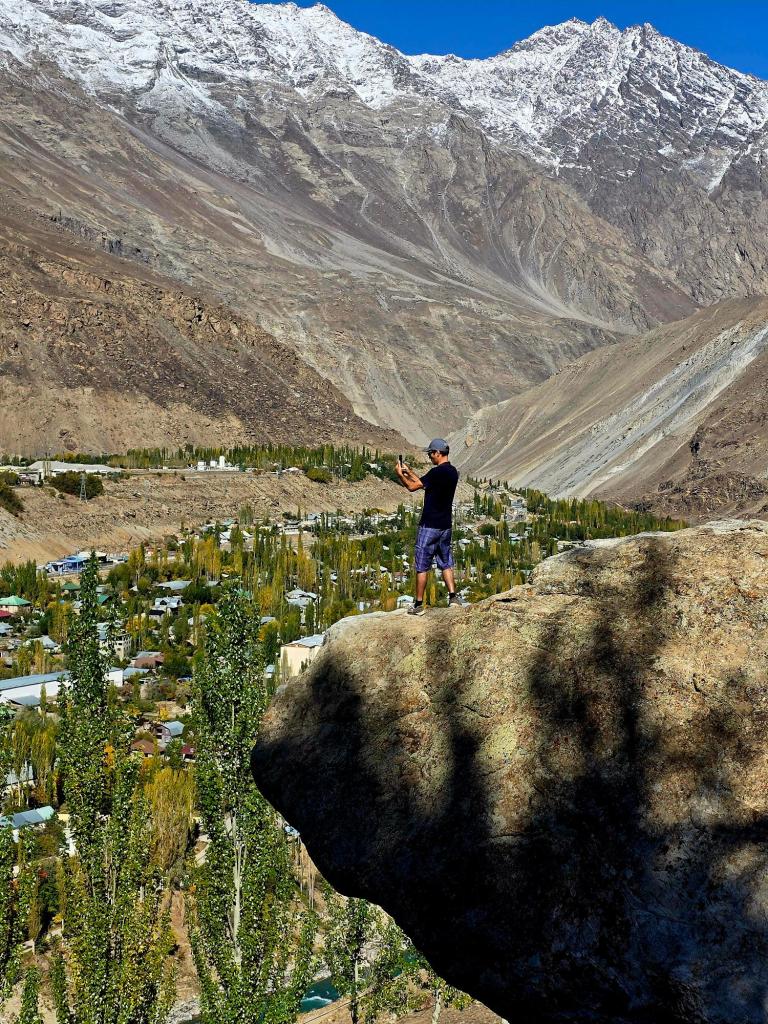
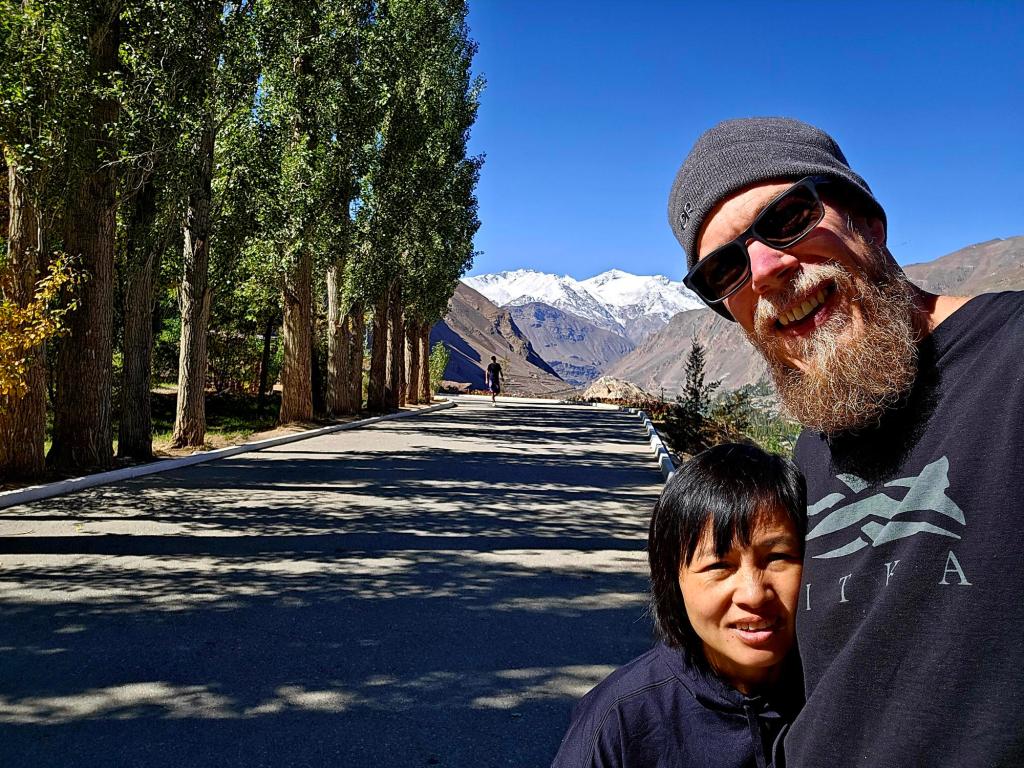
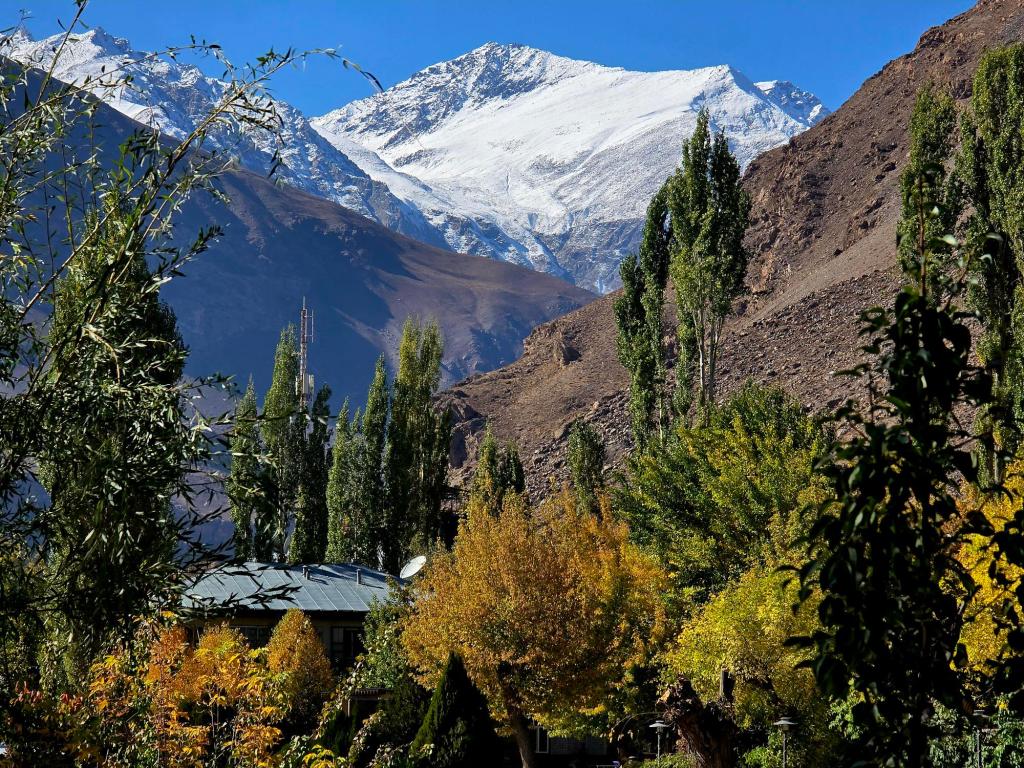
From the market, we climbed up above the city to the Pamir Botanical Garden, perched high on a slope overlooking Khorog. Sitting at over 2,300 meters, it is one of the highest botanical gardens in the world, established during the Soviet period as a research station to study plant life adapted to extreme mountain environments.
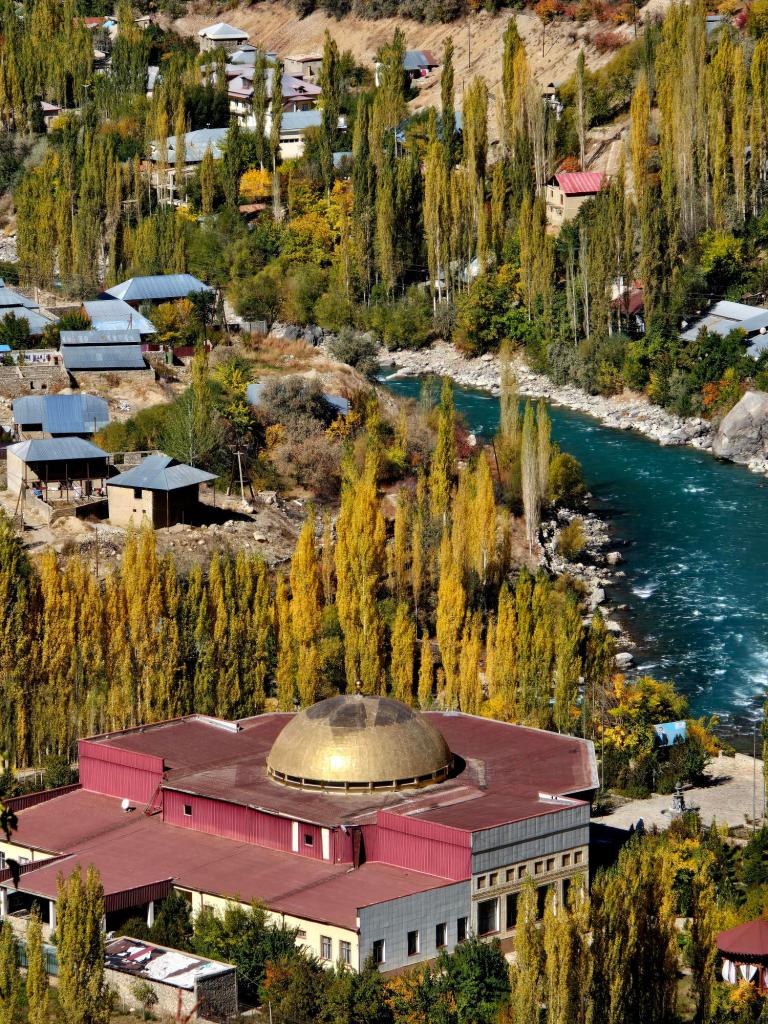
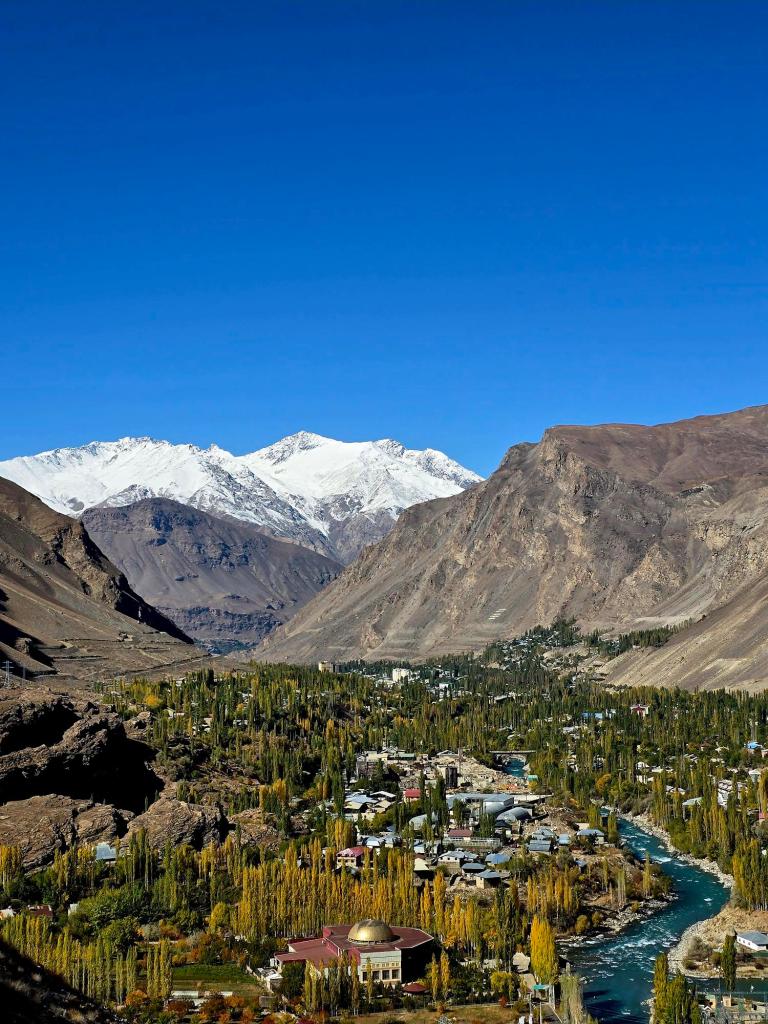
We spent a couple of hours wandering its paths. There were quiet corners, shaded walkways, and sweeping viewpoints that opened up across the entire city and deep valley below. From up there, Khorog felt peaceful and contained, a rare pocket of green tucked deep within the mountains.
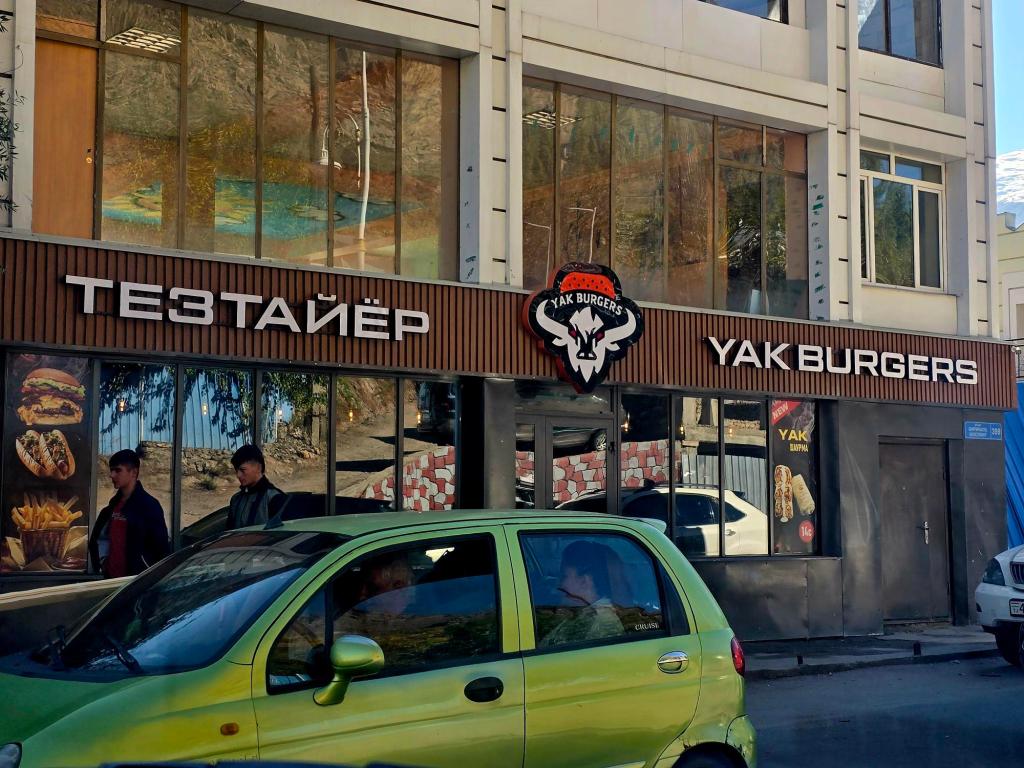
Later, we made our way back down into town and decided to swing by Yak Burger to grab food for the road. While we waited for our order, in walked the Danish couple we had met days earlier in Ishkashim — the cyclists riding their way around the world. We sat chatting for another fifteen minutes, laughing at the coincidence, and jokingly said, “See you in Dushanbe in a couple of weeks.”
Funny enough, roughly two weeks later, after we were back in Dushanbe, we were walking into our apartment building one day when the same couple came out the front door. It turns out someone on one of the upper floors of our building rents their place as an Airbnb. It was another one of those small world moments. I have an oddly long list of tales along that same thread.
From Khorog, we began the long drive back toward Dushanbe. Not far out of town, we stopped at a large, well-developed recreational complex built into the hillside — clearly not a pop-up or roadside oddity, but a place that had seen serious investment. There were restaurants, lodging, manicured grounds, themed structures, and oversized features like a giant chess board, all laid out along the cliffs overlooking the valley. During the hour we walked around, we only saw two other people walking about, and a handful of grounds keepers. The rest of the place was completely deserted. I’m not sure while, because the place seemed to be well-maintained. Maybe the head honcho had been visiting not long before our arrival?
We walked around for a while, stretching our legs and taking it all in. The contrast was striking — a polished, curated space perched above one of the most rugged regions on Earth.
By the time we hit the road again, it was already well into the afternoon. As we approached the Rushan area, road construction crews had just reopened a section that had been closed all day. What followed turned out to be the most nerve-wracking stretch of the entire trip.
Trucks had been backed up for miles, with smaller vehicles mixed into the chaos. When traffic finally started moving, the road became a choking cloud of dust with terrible visibility. Steep drop-offs lined sections of the route, and everyone in smaller vehicles tried to leapfrog the massive trucks whenever a narrow opportunity appeared. Passing was limited, adrenaline-filled, and often blind.
A couple of hours in, we met the wall of traffic coming from the opposite end — vehicles that had been waiting all day on the other side. That’s when things got truly chaotic. Headlights and brake lights vanished almost instantly into the dust. You could barely see fifty feet ahead, and the road surface itself was in rough shape. It was exhausting, tense driving.
We finally rolled back into the same town where we’d spent our first night of the journey, arriving close to midnight — tired, dusty, and slightly rattled. This time, we stayed in a larger hotel rather than a guesthouse.
Sometime during the night, our oldest started getting sick again. Whether it was something from the morning market or the Yak Burgers we’d eaten hours into the drive, we never figured out. He said it was at least four rounds, so we thanked him for taking one for the team — the rest of us somehow made it through the entire trip clean.
The following morning, we got up early and made the final push back to Dushanbe, arriving with enough time to rest before school and work resumed. Just like that, the Pamirs were behind us.
But not really.
Some places don’t fade once you leave them. They settle in quietly, resurfacing later in small details — a taste, a photograph, a chance meeting with strangers who feel like old friends. The Pamirs did that. And I suspect they will always be calling to me for a return trip..
Epilogue — After the Pamirs
Some trips end when you unpack your bags. Others don’t seem to end at all.
The Pamirs have a way of staying with you — not loudly, not all at once, but quietly, in fragments. In the way your breath still catches when you think about how wide the valleys were. In the memory of cold air pouring into your lungs at nearly four thousand meters. In the faces of people who welcomed you into their homes without hesitation, fed you until you were full, and sent you back into the mountains with smiles and waves.
Looking back now, what stands out most isn’t any single sight or summit. It’s the layering. Ancient fortresses guarding empty valleys. Shrines tucked beneath trees older than memory. Thousands of animals carved into stone above villages still alive with children and dogs and smoke rising from stoves. Borders traced by rivers, yet softened each week by markets where people still meet face to face. A landscape that has always demanded resilience — and has shaped everything living within it.
Traveling through the Pamirs as a family gave the journey a different weight. The long drives, the shared rooms, the early mornings and thin air — all of it folded into something deeper than movement from place to place. The kids didn’t just see mountains; they lived inside them for a time. They watched how people endure, how communities adapt, how life continues in places that seem impossibly remote. Those lessons don’t announce themselves right away, but they settle in all the same.
Back in Dushanbe, routines returned quickly. School. Work. Traffic. Noise. But every now and then, something small would pull us right back — a photo on a screen, a certain light on the hills, a stretch of wind that felt familiar. The Pamirs had taken root.
I used to think of this journey as something I’d wanted to do for years — a box finally checked. Now it feels more like a conversation that’s only just begun. I still very much envision this as a 2-3 week motorcycle trip with the boys, but it’s also a place I would do another longer drawn out journey with the family, maybe backpacking one of the longer end sections of the Pamir Trail.The Pamirs don’t feel finished with us. And I don’t think we’re finished with them either.
 Wise Clan in Stanland
Leave a comment